Of Magical Tattoos and Civil Wars

Believed to ward off bad luck, sacred tattoos or sak yant have centuries of history in Southeast Asia. PHOTO: Nathan Thompson

Believed to ward off bad luck, sacred tattoos or sak yant have centuries of history in Southeast Asia. PHOTO: Nathan Thompson

Magical tattoos, known as sak yant in Khmer – the language of Cambodia – are believed to render their wearers impervious to bullets, protect them from misfortune and endow them with sexual magnetism. While the tradition prevails throughout Southeast Asia, little is known about the art in Cambodia, partly because of a 1920 royal ordinance that forbade monks from tattooing and partly because the remaining practitioners were killed during the Khmer Rouge genocide and civil war. Today, traditional Cambodian sak yant is especially difficult to find because those who are still practicing the art form are reluctant to publicize their activities.

Continue reading

LEGO Is Going Green

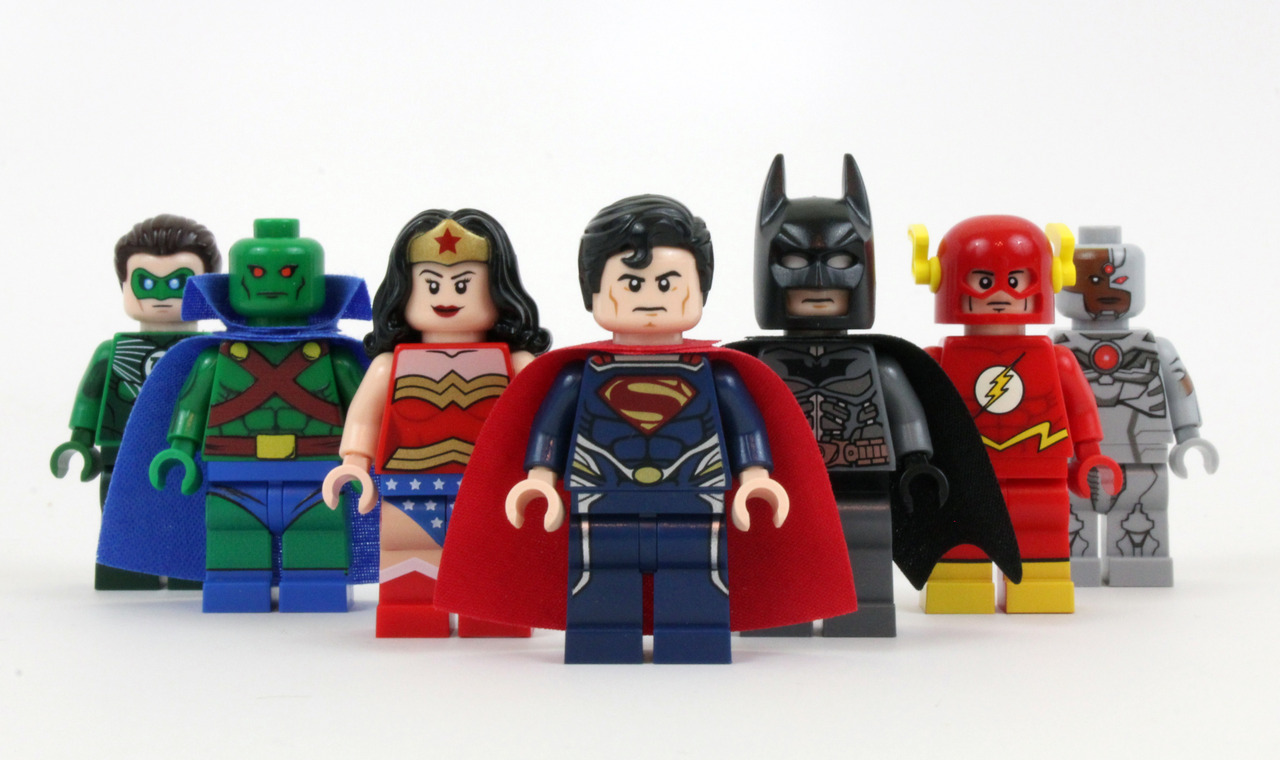
LEGO will invest $150 million to build a sustainable materials research center at its headquarters in Denmark. It is hiring over 100 specialists in material science to shape the  green future of the favorite building brick. PHOTO: Pinterest Read more: LEGO is investing $150 million to make better, more sustainable toy bricks | Inhabitat - Sustainable Design Innovation, Eco Architecture, Green Building

LEGO will invest $150 million to build a sustainable materials research center at its headquarters in Denmark. It is hiring over 100 specialists in material science to shape the green future of the building brick. PHOTO: Pinterest

By 2030, LEGOs will no longer be made of plastic. Instead, the world’s largest toy company will be using a more “sustainable material” to compose their toy blocks, which have been made of a strong plastic called acrylonitrile butadiene styrene since 1963.

While the switch will certainly save the company on its carbon footprint — the production of LEGOs uses more than 6,000 tons of plastic annually — it won’t be cheap. The Lego Group plans to invest $1 billion in their new Lego Sustainable Materials Centre in Denmark, where a team of 100 specialists will conduct research to find the best sustainable replacement for the building blocks’ current building material.

Continue reading

For the Love of Rains and Traditions

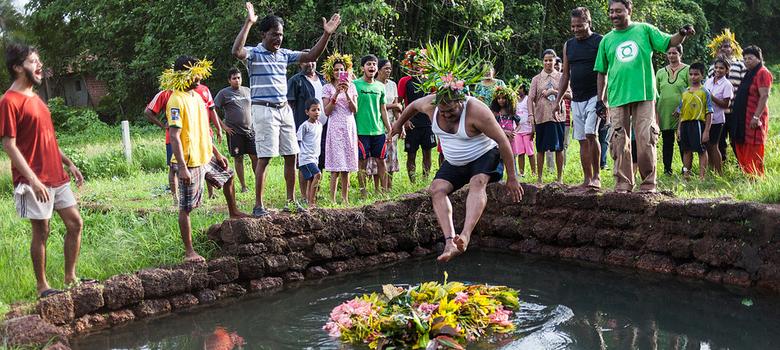
Celebrated in June every year, San Joao is one of Goa's cultural festivals. Tradition has it that it was on this day that unborn St. John the Baptist 'leapt with joy' in his mother Elizabeth's womb, as Mary, the mother of Jesus visited her.

Celebrated in June every year, San Joao is one of Goa’s cultural festivals. Tradition has it that it was on this day that unborn St. John the Baptist ‘leapt with joy’ in his mother Elizabeth’s womb, as Mary, the mother of Jesus visited her. PHOTO: Harsha Vadlamani

Yes, this is yet another rain-inspired story, after the one on Communist reading rooms. But such is the power of the Indian monsoon, that it can sway even the most stoic of minds. For comparison, the feelings and emotions associated with the deluge mirror those of when sighting the first of the cherry blossoms or even the Northern Lights. May be less, may be more. Any how, this post is about a fun tradition that has its roots in the picturesque villages of Goa, a popular tourist destination. And the feast of Sao Joao is a playful mix of religion, tradition, lots of merrymaking, and jumping into wells. Yes, wells. And oh, the event marks the six-month countdown to Christmas!

Continue reading

More of This Fish, Please

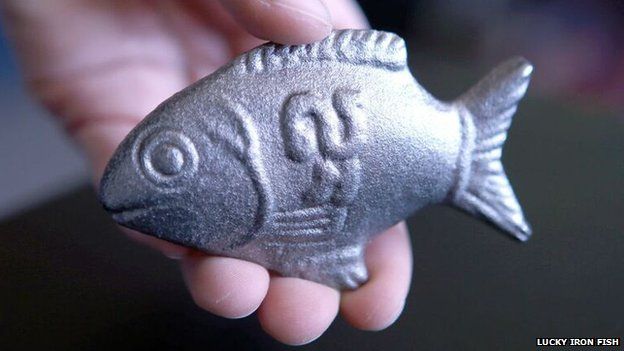
The lucky iron fish, designed by Gavin Armstrong, was based on the iron fish used in Dr Charles' research

The lucky iron fish, designed by Gavin Armstrong, was based on the iron fish used in Dr Charles’ research

Anemia is the most common and widespread nutritional disorders in the world, affecting 2 billion people globally – or over 30 percent of the world’s population. But Canadian scientists have come up with an ingenious solution, and it’s so simple, it fits in the palm of your hand. Meet the Lucky Iron Fish – a chunk of iron that’s thrown into the saucepan and boiled with lemon to give adults 75 percent of their daily recommended iron intake, and close to 100 percent for kids.

And this little fish just won the Product Design Grand Prix at Cannes.

When Canadian science graduate Christopher Charles visited Cambodia six years ago he discovered that anaemia was a huge public health problem. In the villages of Kandal province, instead of bright, bouncing children, Dr Charles found many were small and weak with slow mental development. Women were suffering from tiredness and headaches, and were unable to work. Pregnant women faced serious health complications before and after childbirth, such as hemorrhaging. Ever since, Dr Charles has been obsessed with iron.

Continue reading

Mind Your Language

As global trade expanded through European conquests of the East Indies, the flow of Indian words into English gathered momentum. PHOTO: EDL

As global trade expanded through European conquests of the East Indies, the flow of Indian words into English gathered momentum. PHOTO: EDL

Recently, we discussed Indian classical music as a ground of collaborations and exchanges. Cultural hegemony aside, we’d rooted for the European violin which is a mainstay at temple concerts and for the clarinet and trombone, which we may be lucky to see in music arrangements. Today, it’s about language. About how India gave the world worlds including pundit, jungle, nirvana, and more.

“Ginger, pepper and indigo entered English via ancient routes: they reflect the early Greek and Roman trade with India and come through Greek and Latin into English,” says Kate Teltscher. “Ginger comes from Malayalam in Kerala, travels through Greek and Latin into Old French and Old English, and then the word and plant become a global commodity. In the 15th Century, it’s introduced into the Caribbean and Africa and it grows, so the word, the plant and the spice spread across the world.” “The Portuguese conquest of Goa dates back to the 16th Century, and mango, and curry, both come to us via Portuguese – mango began as ‘mangai’ in Malayalam and Tamil, entered Portuguese as ‘manga’ and then English with an ‘o’ ending,” she says.

Continue reading

Of Rains and Communist Reading Rooms

View of the approaching storm from our Xandari Riverscapes houseboat.

View of the approaching storm on Vembanad Lake, from a Xandari Riverscapes houseboat.

Monsoon rains in Kerala – the greatest drama I’ve ever watched. They tick everything on Aristotle’s checklist for a good play. A country dried by summer and hoping on a good ending makes for a decent plot. Meet the characters. A thick blanket of menacing grey, humid air hugging skin. Gusty winds that uproot trees and power lines, darkness that comes calling even before night. And the stellar spectacle of a finale – prayers, predictions, and calculations answered in silvery drops. Stunning, stinging, and relieving all at once.

Writing this while watching blue and grey jostle in the skies, the earth still smelling of the last rain (petrichor is the word), I am reminded of the book I’m reading now. One that is as old as me, one befitting the best season in India. Alexander Frater’s Chasing the Monsoon.

“As a romantic ideal, turbulent, impoverished India could still weave its spell, and the key to it all – the colours, the moods, the scents, the subtle, mysterious light, the poetry, the heightened expectations, the kind of beauty that made your heart miss a beat – well, that remained the monsoon.”
Alexander Frater, Chasing the Monsoon

Continue reading

Cornell Orchards Stick to Free Bees

Bryan Danforth inspects apple blossoms and native pollinators at the Cornell Orchards. © Jason Koski/University Photography

Earlier this spring, instead of hiring commercial honeybee keepers to bring in their hives to apple orchards, Cornell decided to try relying solely on wild bee species for pollination of the blossoms at their Ithaca site. Based on research from the university’s entomology department, the Cornell Orchards knew it had a robust population comprised of twenty-six different wild bee species among the Ithaca apple trees. They counted on this local bee life to do all the pollinating work that the imported European honeybees would have done, and by the end of May it was clear that a full crop’s worth of flowers had been pollinated! We’ve featured plenty of stories about the deeply troubling colony collapse disorder in Apis mellifera and are always eager to emphasize the importance of pollination, so it may seem strange to celebrate the non-use of European honeybees in this case, but the main point here is that the value of wild native bee species should not be forgotten! If commercial honeybees continue to struggle, alternative methods of pollination will be necessary, and fostering local biodiversity is a great way to compensate for that potential eventuality.

As a fun coincidence, I heard about this story because the lead researcher in the wild bee population was my entomology professor sophomore year. You can read more about Professor Bryan Danforth’s role and the Cornell Orchards decision in the piece for the Cornell Chronicle below, by John Carberry:

As the state’s land-grant institution, Cornell University was born to explore science for the public good – a mission that can sometimes require a leap of faith.

Just such a leap is paying off now at Cornell Orchards in Ithaca, as researchers and managers from the Horticulture Section of the School of Integrative Plant Science and the Department of Entomology celebrate a solid spring pollination season for the site’s apple trees. While crisp apples and fresh cider Continue reading

A Picture Perfect World

PHOTO: Raghu Rai

PHOTO: Raghu Rai

When is the last time you saw someone sans a camera? No device in their hands and none dangling around their necks? Well, “we can’t seem to recollect” is our answer, too. And, may be there are reasons for it. More than the power to immortalize fragments of time, a photograph brings together all the pictures you’ve seen, the books you’ve read, the music you’e heard, the people you’ve loved. To take a photograph is to participate in another person’s (or thing’s) mortality, vulnerability, mutability. Precisely by slicing out this moment and freezing it, all photographs testify to time’s relentless melt, say others. And ace Indian photographer, Raghu Rai, protégé of Henri Cartier-Bresson, pens his own take in Nat Geo Traveler.

I am called a photographer, and my dharma is photography but I think of myself as an explorer. To me, the best way to explore life is through photography. Life changes constantly, so the more you explore the more you are enriched.

Continue reading

Who Are You in the Wild?

The Okavango Delta is home to the largest-remaining elephant population and keystone populations of lion, hyena, giraffe and lechwe antelopes. It’s the size of Texas, and visible from space. PHOTO: James Kydd

The Okavango Delta is home to the largest-remaining elephant population and keystone populations of lion, hyena, giraffe and lechwe antelopes. It’s the size of Texas, and visible from space. PHOTO: James Kydd

What can one man do towards protecting the wild? For starters, your efforts could center around saving Africa’s last remaining wetland wilderness. Then, you could be so relentless in your mission that UNESCO includes your ‘battleground’ in its World Heritage List. Then, you keep at your preservation project until you meet the Minister of Environment and get him to sign a pact on protecting the river system. If that all sounds good to you, allow us to introduce explorer Steve Boyes who has done all of the above and pledged his life to the conservation of the Okavango River Delta.

Located in northern Botswana, this untouched 18,000 square kilometer alluvial fan is the largest of its kind, and is supplied by the world’s largest undeveloped river catchment — the mighty Kavango Basin. The Okavango Delta is home to the largest-remaining elephant population and keystone populations of lion, hyena, giraffe and lechwe antelopes. It’s the size of Texas, and visible from space.

Continue reading

Indian Music, European Violin

Clarinet, mandolin, saxophone - the Carnatic tradition of Indian classical music is a ground of growing collaborations across the world. PHOTO: Aambal

Clarinet, mandolin, saxophone – the Carnatic tradition of Indian classical music is a ground of growing collaborations across the world. PHOTO: Aambal

Indian classical music has our attention today. Thanks to its fluidity and pliability that makes it a thriving collaborative space. If you want the history of this art form, find it here. And for crossovers of Western strains and Indian sensibilities, head here. For much of Indian cultural evolution and practice, music is not a standalone art form. It forms the crux of cultural discourse, an important part of the axis that binds community, ritual, practice and social mores. The Carnatic music form of South India is a rather interesting and rich tradition among the musical traditions of the world. For one, it is tremendously alive and vibrant, not just in South India but also in different ways around the world.

Interestingly, the Carnatic form has also been receptive to a great number of innovations, especially in the sorts of instruments it has drawn into its fold. The European violin, for instance, finds an entry as late as the 19th century but has become near irreplaceable in the Carnatic context and performance formats of today. Tipped as being the one instrument that is as close as possible to the infinite flexibilities of the human voice, the violin has spawned different playing styles and traditions of its own in its comparatively brief but highly impactful history.

Continue reading

China, What Will it Be?

China recently announced plans to build a 5,300 km railway linking the Atlantic with the Pacific, cutting through the heart of the Amazon jungle in Brazil and Peru. PHOTO: Andrew Snyder

Rail or road – what is the best mode of transport for free flow of goods from Brazil to China? PHOTO: Andrew Snyder

China recently announced plans to build a 5,300 km railway linking the Atlantic with the Pacific, cutting through the heart of the Amazon jungle in Brazil and Peru. Environmental groups are concerned that the railway will threaten sensitive ecosystems, wildlife and indigenous peoples. Indeed on the face of it, this would be a disaster for conservation in the most biologically rich place on Earth. But is a train line in fact the lesser of two evils?

Roads bring access to previously remote areas – and consequently bring down a cascade of problems on tropical forests. Logging, mining, and hunting result in the destruction of forests, all paving the way for their complete conversion to agriculture. Indeed, in the Amazon 95% of deforestation occurs within 5km of a road. Train lines on the other hand are usually state-controlled and more easily regulated. The proposed line will cost an estimated US$10 billion to build and will reduce the cost of shipping oil, iron ore, soya, beef and other commodities from Brazil and Peru to Asian markets.

Continue reading

Putting the Horse Before the Cart

For better or worse – the Indian city of Mumbai is preparing to bid goodbye to one of its icons. The city’s ornate horse-drawn carriages are nearing the end of the road after a court in the Indian city ruled them illegal. The silver-colored Victorias – styled on open carriages used during Queen Victoria’s reign – have been plying Mumbai’s streets since British colonial times, and for years have been a tourist attraction. But recently, the Bombay High Court agreed with animal welfare groups, who had petitioned for a ban citing poor treatment of the horses, that the practice was cruel.

Continue reading

Back at Xandari

My first Xandari sunset of 2015.

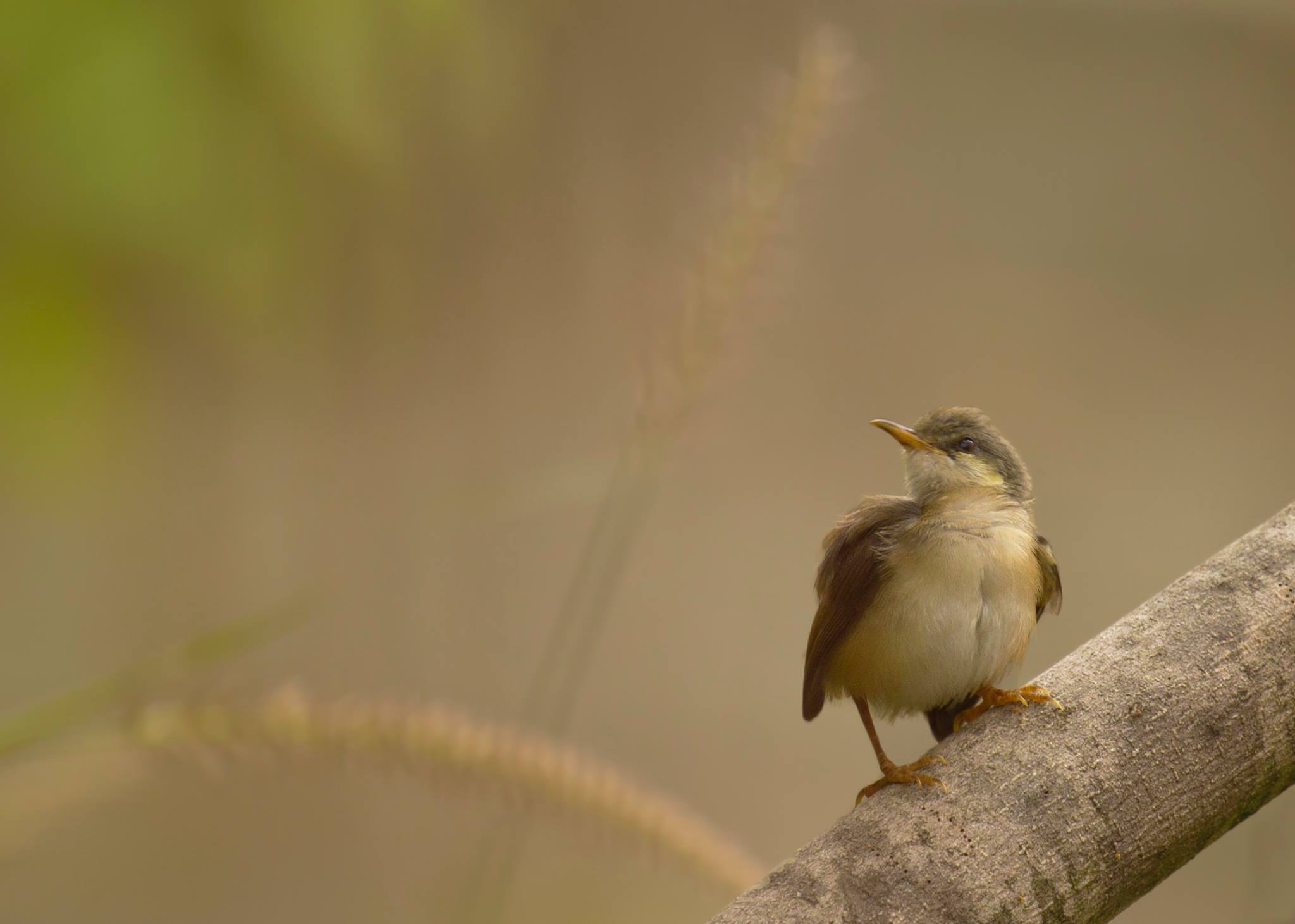
This week, after about six months away from Costa Rica, I’m working at Xandari again, and it’s good to be back! On Saturday morning I walked around the trails for a couple hours and logged thirty-one bird species seen or heard, which counts as a pretty good list for Xandari, in my experience. Among the usual suspects were a few birds that are relatively uncommon sights, though not rare by any means: Chestnut-collared Swifts, Sulphur-bellied Flycatchers, and a male Long-tailed Manakin, which is always a pleasure to see or even hear. I also got an uncharacteristically good look at a Rufous-and-white Wren, a species that long eluded our efforts to spot when James and I first got here a year ago, despite its eerily human-sounding whistle that frequently pierces the forest trails. And although it’s a very common bird around here, I did get an okay photo of the male Red-crowned Ant-Tanager, which can be tough given their predilection for skulking around among dense vines.

One of the plots of coffee planted last June, now shaded by banana and tiquisque.

Continue reading

Are You Looking at My Shoes?

An ongoing exhibition at the Victoria and Albert Museum explores extremes of footwear from around the globe, in 200 pairs of shoes

An ongoing exhibition at the Victoria and Albert Museum explores extremes of footwear from around the globe, in 200 pairs of shoes

If you happen to be on Cromwell Road in London, United Kingdom, then let your feet take you to the Victoria and Albert Museum. To be more precise, to this exhibition titled Shoes: Pleasure and Pain. Among the 200 plus pairs of footwear exhibited until January, 2016 are a sandal decorated in pure gold leaf originating from ancient Egypt and contemporary creations from Jimmy Choo, Manolo Blahnik and Christian Louboutin. The exhibit explores three different themes: transformation, status and seduction. Transformation looks at the mythical aspect of shoes in folklore. Status examines how impractical shoes are worn to represent a privileged lifestyle. Finally, seduction explores the concept of footwear as a representation of sexual empowerment and pleasure. Talk about history meeting its contemporary.

Continue reading

Speaking from the Roof of the World

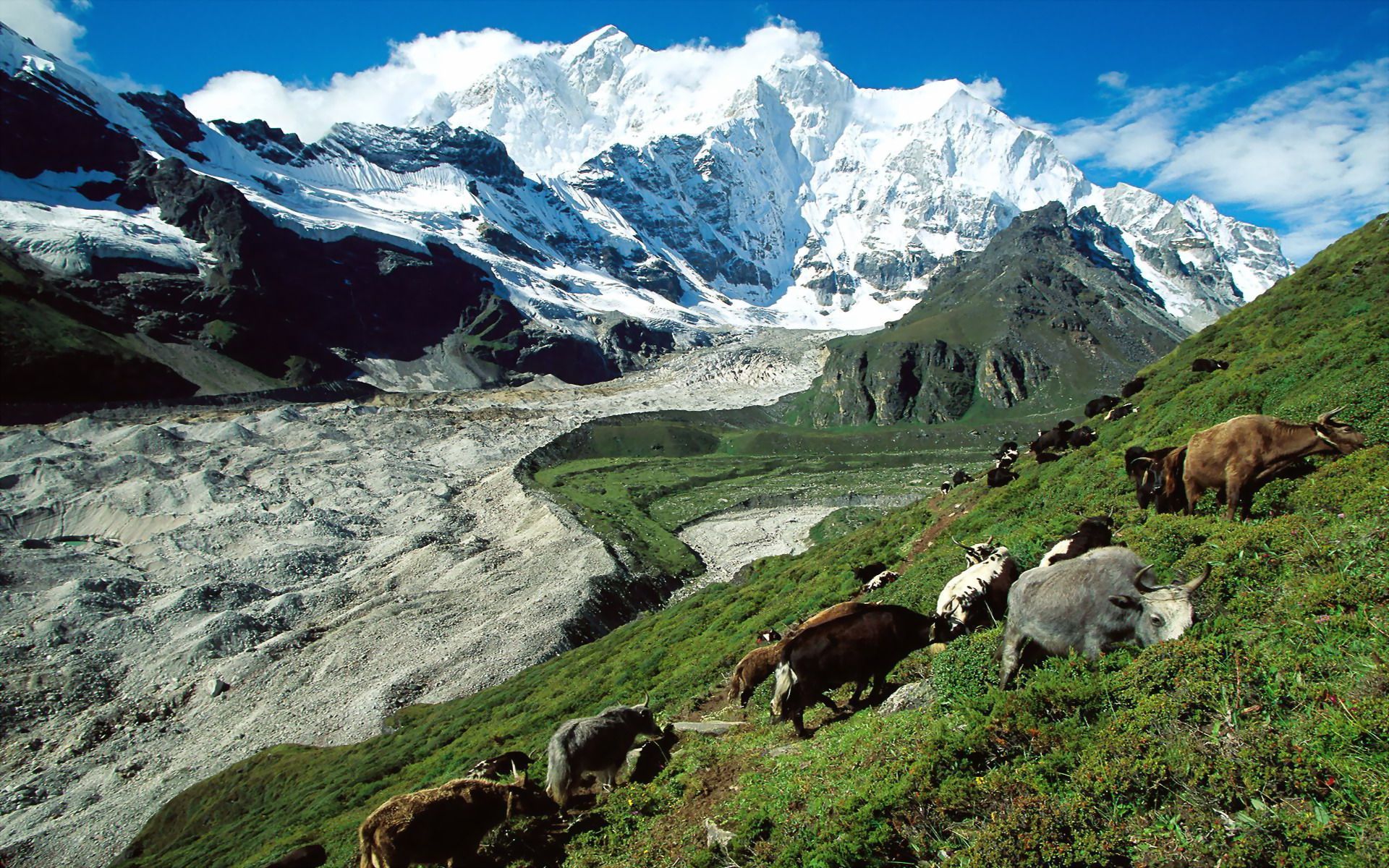
New research challenges stereotypical views of Tibet as an isolated and inward-looking society before the British and Chinese arrived. PHOTO: Maxi Science

New research challenges stereotypical views of Tibet as an isolated and inward-looking society before the British and Chinese arrived. PHOTO: Maxi Science

Tibet. It’s called the ‘Roof of the World’ with good reason — the Tibetan Plateau stands over 3 miles above sea level and is surrounded by imposing mountain ranges that harbor the world’s two highest summits, Mount Everest and K2. While the world’s mountaineers regularly attempt to summit the forbidding peaks, the remote area is home to a rich variety of cultures. Less well-known is the story of how the Tibetan Plateau and the craggy peaks that surround it formed. The geologic tale is familiar to many schoolchildren: About 50 million years ago, the Indian subcontinent began to collide with Eurasia, and as it slammed into the bigger landmass, the plateau and the Karakoram and Himalaya ranges were born.

Only recently did Tibetan scholar Lobsang Yongdan revisit a long-ignored section of a historic text to reveal how Tibetans were engaging with western scientific knowledge two centuries ago.  His research into a geography of the world, first published by a lama (Buddhist spiritual leader) in 1830, challenges stereotypical views of Tibet as an isolated and inward-looking society.

Continue reading