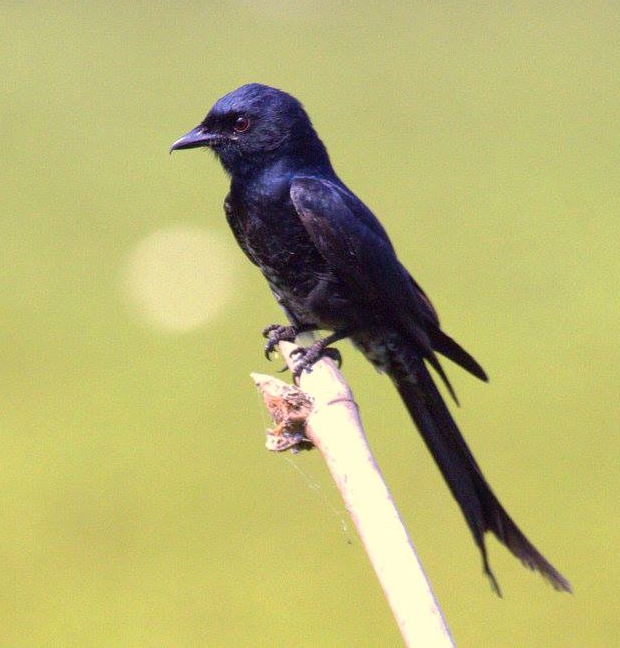
photo credit: Sanjayan Kumar
Periyar Tiger Reserve, Kerala
photo credit: Sanjayan Kumar
Periyar Tiger Reserve, Kerala
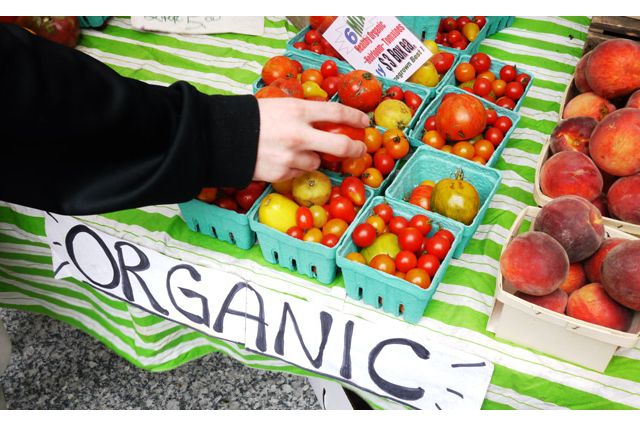
HowGood, an independent research organization based in New York City, may have answers for the food industry’s many scales of sustainability. PHOTO: ucla.edu
Are you a conscientious shopper? Do tags of ‘organic’, ‘locally sourced’, ‘homegrown’, ‘all-natural’, etc easily sway you and your shopping cart? Got questions that can better aid your shopping choices? Then HowGood is where you should stop by before you head to the check-out counter.
But if one apple touts organic certification, and an adjacent apple boasts local sourcing, which green reigns supreme? And what grocery store offers the singular scale for weighing the overall benefits? HowGood, an independent research organization based in New York City, has toppled the food industry’s many scales of sustainability to answer these questions through a more nuanced, easy to understand system.
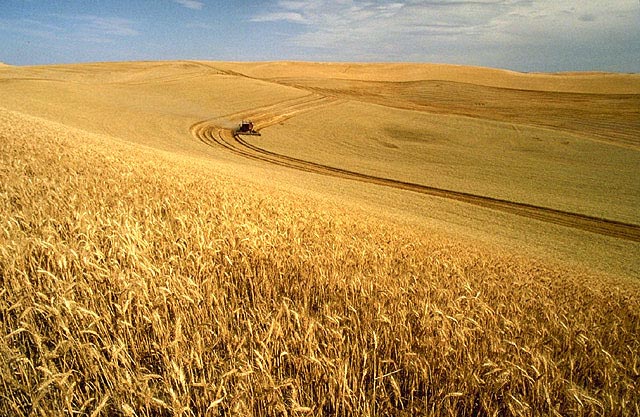
In the U.S, about 42 percent of irrigated agriculture depends on groundwater, and the depletion of major aquifers will affect not only future food production but also urban areas that need freshwater from these sources. PHOTO: Wikimedia Commons
Freshwater in the United States is really on the move. Much of the water pulled from underground reservoirs called aquifers gets incorporated into crops and other foodstuffs, which are then are shuttled around the country or transferred as far away as Israel and Japan, according to a new study. It shows how reliance on a finite supply of groundwater for agriculture threatens global food security. More than 18% of the U.S. supply of so-called cereal grains like corn, rice and wheat depends on a limited supply of groundwater found deep below the earth in aquifers, researchers found.
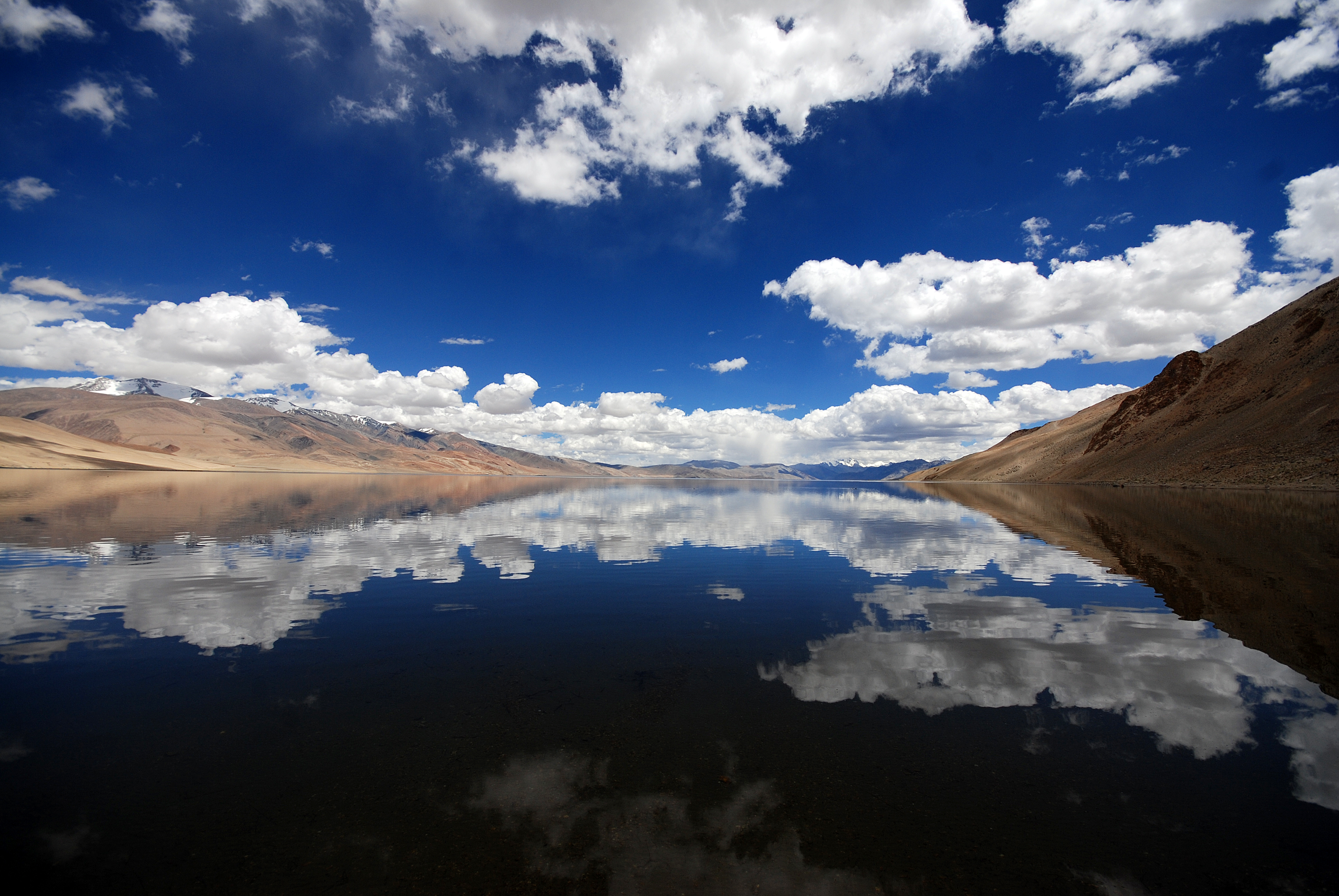
Ladakh’s beautiful mountains might be a paradise for tourists, but ask the locals who struggle to meet their basic water needs every year. PHOTO: Wikimedia Commons
Rain is scarce in the snow-peaked Himalayas of northern India, and summers bring dust storms that whip across craggy brown slopes and sun-chapped faces. Glaciers are the sole source of fresh water for the Buddhist farmers who make up more than 70% of the population in this rugged range between Pakistan and China. But rising temperatures have seen the icy snow retreat by dozens of feet each year. To find evidence of global warming, the farmers simply have to glance up from their fields and see the rising patches of brown where, once, all was white. Knowing no alternative, they pray harder for rain and snow. But Chewang Norphel had the answer: artificial glaciers.

A cassette tape—the origin, incredibly, of how batteries are made.(AP Photo)
Since about 2010, a critical mass of national leaders, policy professionals, scientists, entrepreneurs, thinkers and writers have all but demanded a transformation of the humble lithium-ion cell. Only batteries that can store a lot more energy for a lower price, they have said, will allow for affordable electric cars, cheaper and more widely available electricity, and a reduction in greenhouse gas emissions. This is where Yet-Ming Chiang enters the picture. A wiry, Taiwanese-American materials-science professor at the Massachusetts Institute of Technology (MIT), Chiang is best known for founding A123, a lithium-ion battery company that had the biggest IPO of 2009.
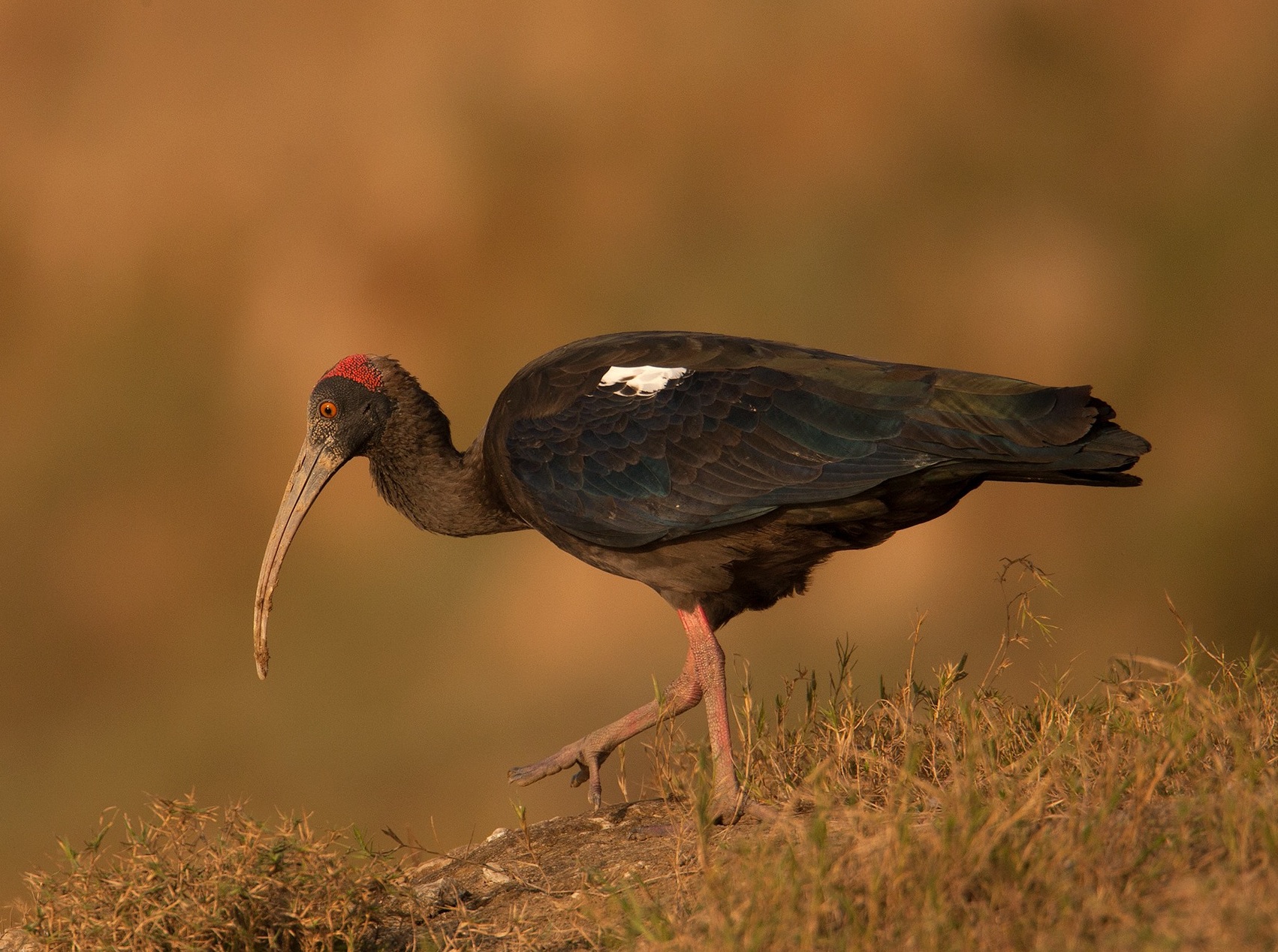
Chambal River, Madhya Pradesh


“What is the difference between temporary architecture and permanent architecture?” No architect is more qualified to explore that question than Japanese architect Shigeru Ban. “Temporary” architecture, in disaster zones, is Ban’s calling card. For over 20 years, the 2014 winner of the Pritzker Prize, architecture’s Nobel, has best been known for his well-publicized humanitarian work. From Rwanda to Japan to Nepal, he has turned cheap, locally-sourced objects—sometimes even debris—into disaster-relief housing that “house both the body and spirit,” as Architectural League president Billie Tsien puts it.
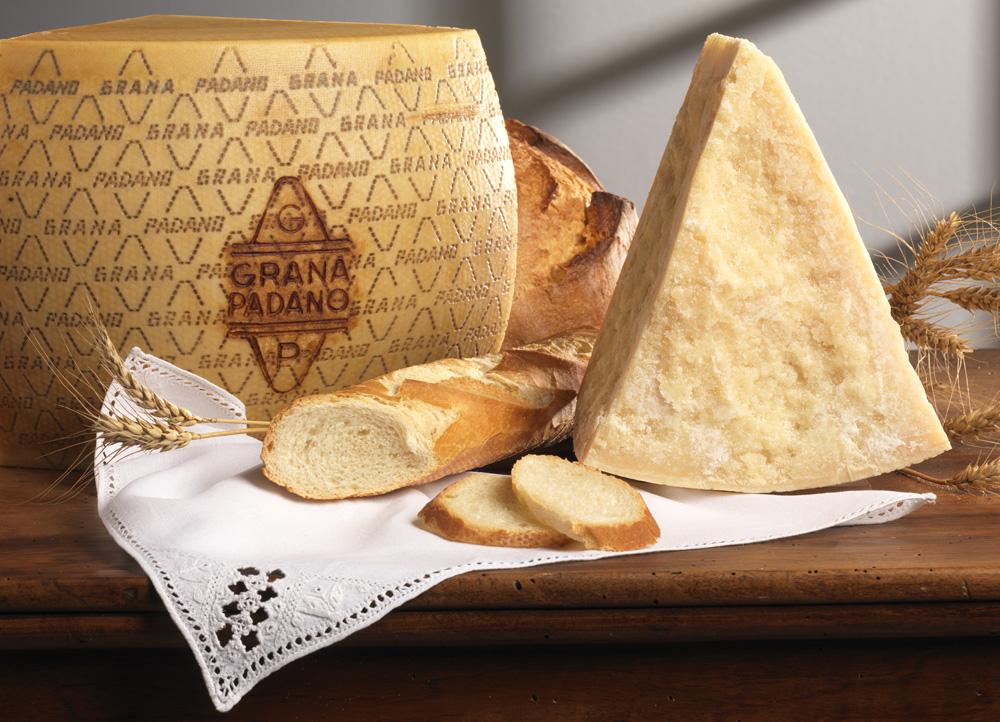
The Grana Padano cheese industry in Pessina Cremonese of Italy is powered not by locals but by Indian immigrants.
If French cheeses are best served preceding or culminating a meal, Italian cheeses are often woven into the fabric of dinner (or breakfast, or lunch). And when you look to Italy, look beyond the likes of Parmigiano-Reggiano, Mozarella di Bufala and Gorgonzola.Then you are bound to hear of Grana Padano. Pessina Cremonese in northern Italy is known for its hard Grana Padano cheese. But unlike other cheeses that might be made by the locals of the area, this cheese at least depends on an unusual community of immigrants: Sikhs. Nothing like food to bring communities together.

In case you have missed the campaign that the Guardian has been waging, click the image above, which will take you to their partnership site, 350.org, which we have been admirers of too. Brilliant and bold, better than anything the New York Times or any other media outlet has done in activist mode on environmental issues. You may say you want your journalism pure and objective, but on this issue, with the planet in the balance, we say not so.
Is it just coincidence that after campaigning for months now to get Mr. Gates to do something more, this good news arrives today?
Gates to invest $2bn in breakthrough renewable energy projects
Bill Gates plans to double investment in green energy technology and research to combat climate change, but rejects calls to divest from fossil fuels
Bill Gates has announced he will invest $2bn (£1.3bn) in renewable technologies initiatives, but rejected calls to divest from the fossil fuel companies that are burning carbon at a rate that ignores international agreements to limit global warming.
Speaking to the Financial Times, Gates said that he would double his current investments in renewables over the next five years in a bid to “bend the curve” on tackling climate change.
The Bill and Melinda Gates Foundation, lead by Gates and his wife, is the world’s largest charitable foundation. According to the charity’s most recent tax filings in 2013, it currently has $1.4bn invested in fossil fuel companies, including BP, responsible for the Deepwater Horizon oil spill in the Gulf of Mexico.
In March, the Guardian launched a campaign calling on the Gates’ Foundation and the Wellcome Trust to divest from coal, oil and gas companies. More than 223,000 people have since signed up to the campaign.

Phytol-based herders aren’t a universal remedy for oil spills, but in certain scenarios they could become the go-to mitigation strategy. PHOTO: Bloomberg
In May, an oil pipeline in Santa Barbara County burst, pouring some 21,000 gallons of oil into the Pacific Ocean. Despite clean-up crews’ efforts to contain it, the oil slick stretched along the coast for miles, serving as a glaring reminder that spill mitigation strategies are still lacking. When oil tankers crash and inevitably spill oil into the open seas, a go-to clean-up method is corralling the rapidly spreading oil and burning it. But in some places, like the ice-strewn Arctic ocean, physically corralling that oil with boats and boons is practically impossible. But here’s a plant-based, eco-friendly molecule that could be used to clean up the inevitable spills of the future.

Believed to ward off bad luck, sacred tattoos or sak yant have centuries of history in Southeast Asia. PHOTO: Nathan Thompson
Magical tattoos, known as sak yant in Khmer – the language of Cambodia – are believed to render their wearers impervious to bullets, protect them from misfortune and endow them with sexual magnetism. While the tradition prevails throughout Southeast Asia, little is known about the art in Cambodia, partly because of a 1920 royal ordinance that forbade monks from tattooing and partly because the remaining practitioners were killed during the Khmer Rouge genocide and civil war. Today, traditional Cambodian sak yant is especially difficult to find because those who are still practicing the art form are reluctant to publicize their activities.

Corn Puss Gap, Blue and John Crow Mountains National Park, Jamaica
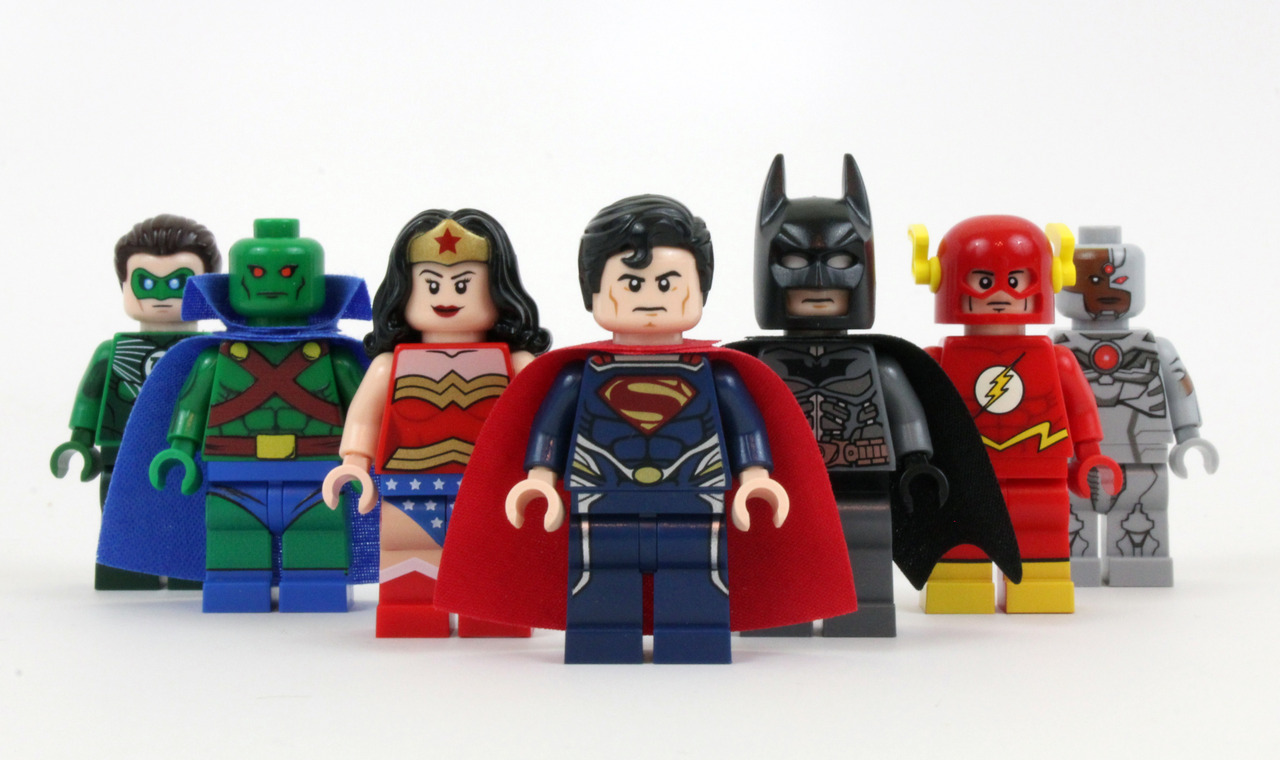
LEGO will invest $150 million to build a sustainable materials research center at its headquarters in Denmark. It is hiring over 100 specialists in material science to shape the green future of the building brick. PHOTO: Pinterest
By 2030, LEGOs will no longer be made of plastic. Instead, the world’s largest toy company will be using a more “sustainable material” to compose their toy blocks, which have been made of a strong plastic called acrylonitrile butadiene styrene since 1963.
While the switch will certainly save the company on its carbon footprint — the production of LEGOs uses more than 6,000 tons of plastic annually — it won’t be cheap. The Lego Group plans to invest $1 billion in their new Lego Sustainable Materials Centre in Denmark, where a team of 100 specialists will conduct research to find the best sustainable replacement for the building blocks’ current building material.
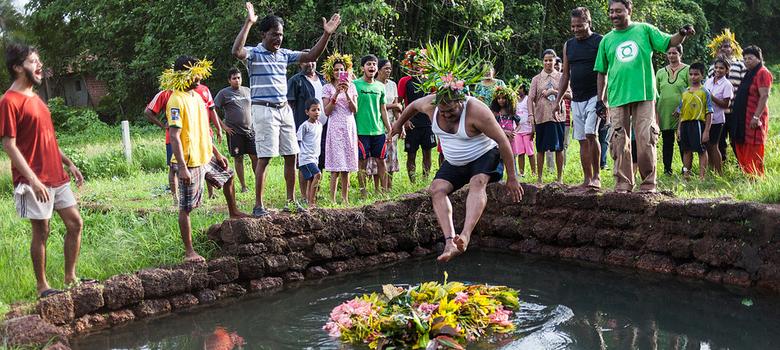
Celebrated in June every year, San Joao is one of Goa’s cultural festivals. Tradition has it that it was on this day that unborn St. John the Baptist ‘leapt with joy’ in his mother Elizabeth’s womb, as Mary, the mother of Jesus visited her. PHOTO: Harsha Vadlamani
Yes, this is yet another rain-inspired story, after the one on Communist reading rooms. But such is the power of the Indian monsoon, that it can sway even the most stoic of minds. For comparison, the feelings and emotions associated with the deluge mirror those of when sighting the first of the cherry blossoms or even the Northern Lights. May be less, may be more. Any how, this post is about a fun tradition that has its roots in the picturesque villages of Goa, a popular tourist destination. And the feast of Sao Joao is a playful mix of religion, tradition, lots of merrymaking, and jumping into wells. Yes, wells. And oh, the event marks the six-month countdown to Christmas!

Barathpur Bird Sanctuary, Rajasthan
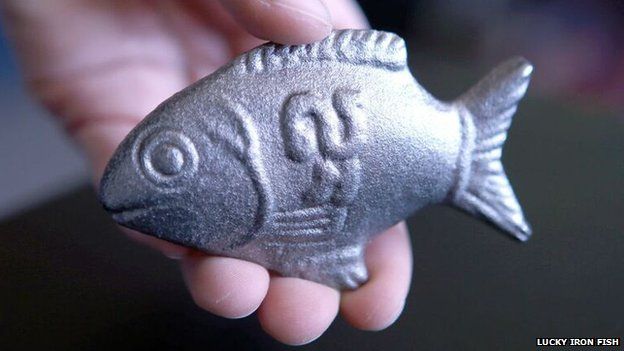
The lucky iron fish, designed by Gavin Armstrong, was based on the iron fish used in Dr Charles’ research
Anemia is the most common and widespread nutritional disorders in the world, affecting 2 billion people globally – or over 30 percent of the world’s population. But Canadian scientists have come up with an ingenious solution, and it’s so simple, it fits in the palm of your hand. Meet the Lucky Iron Fish – a chunk of iron that’s thrown into the saucepan and boiled with lemon to give adults 75 percent of their daily recommended iron intake, and close to 100 percent for kids.
And this little fish just won the Product Design Grand Prix at Cannes.
When Canadian science graduate Christopher Charles visited Cambodia six years ago he discovered that anaemia was a huge public health problem. In the villages of Kandal province, instead of bright, bouncing children, Dr Charles found many were small and weak with slow mental development. Women were suffering from tiredness and headaches, and were unable to work. Pregnant women faced serious health complications before and after childbirth, such as hemorrhaging. Ever since, Dr Charles has been obsessed with iron.

As global trade expanded through European conquests of the East Indies, the flow of Indian words into English gathered momentum. PHOTO: EDL
Recently, we discussed Indian classical music as a ground of collaborations and exchanges. Cultural hegemony aside, we’d rooted for the European violin which is a mainstay at temple concerts and for the clarinet and trombone, which we may be lucky to see in music arrangements. Today, it’s about language. About how India gave the world worlds including pundit, jungle, nirvana, and more.
“Ginger, pepper and indigo entered English via ancient routes: they reflect the early Greek and Roman trade with India and come through Greek and Latin into English,” says Kate Teltscher. “Ginger comes from Malayalam in Kerala, travels through Greek and Latin into Old French and Old English, and then the word and plant become a global commodity. In the 15th Century, it’s introduced into the Caribbean and Africa and it grows, so the word, the plant and the spice spread across the world.” “The Portuguese conquest of Goa dates back to the 16th Century, and mango, and curry, both come to us via Portuguese – mango began as ‘mangai’ in Malayalam and Tamil, entered Portuguese as ‘manga’ and then English with an ‘o’ ending,” she says.
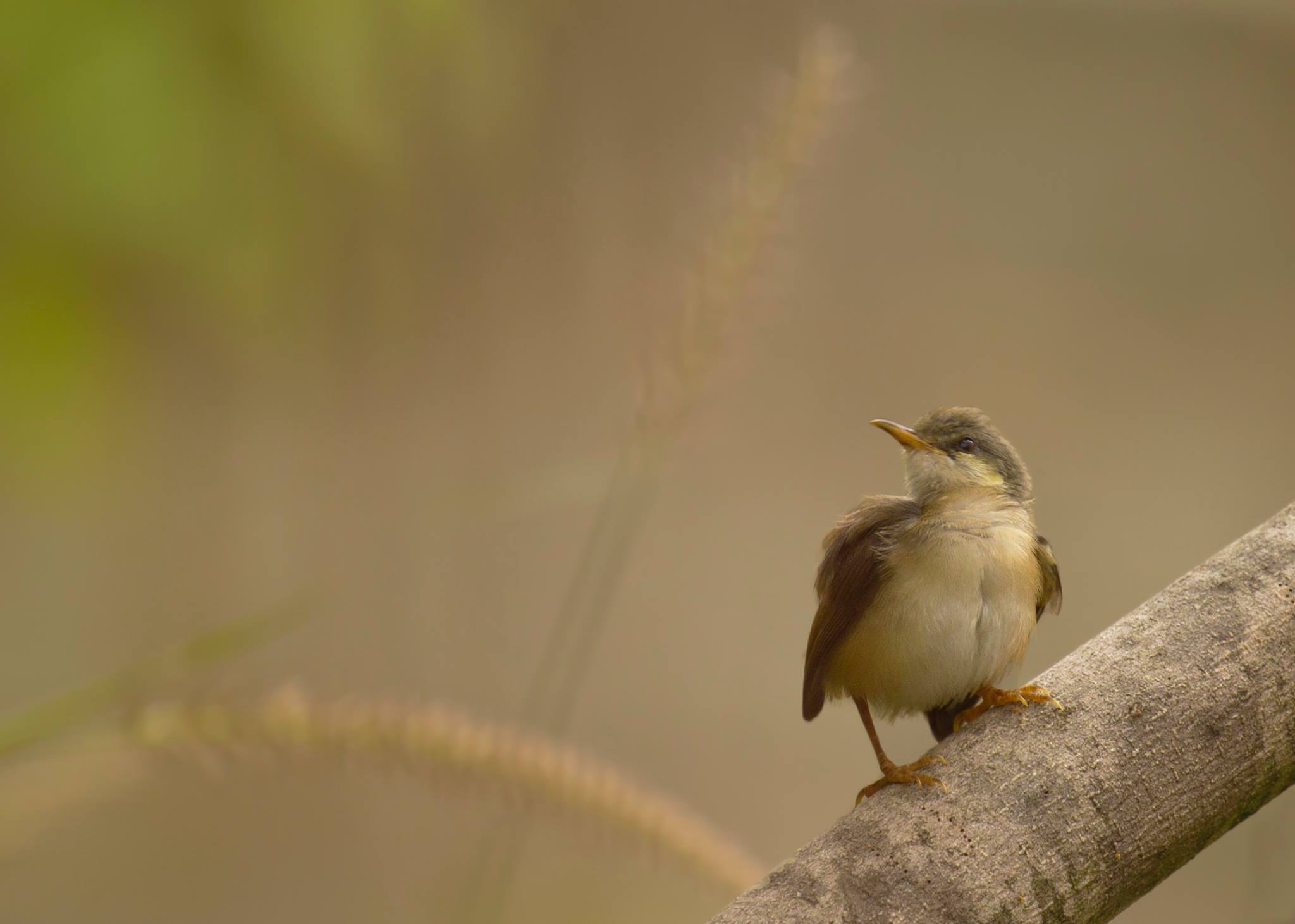
Bangalore, Karnataka
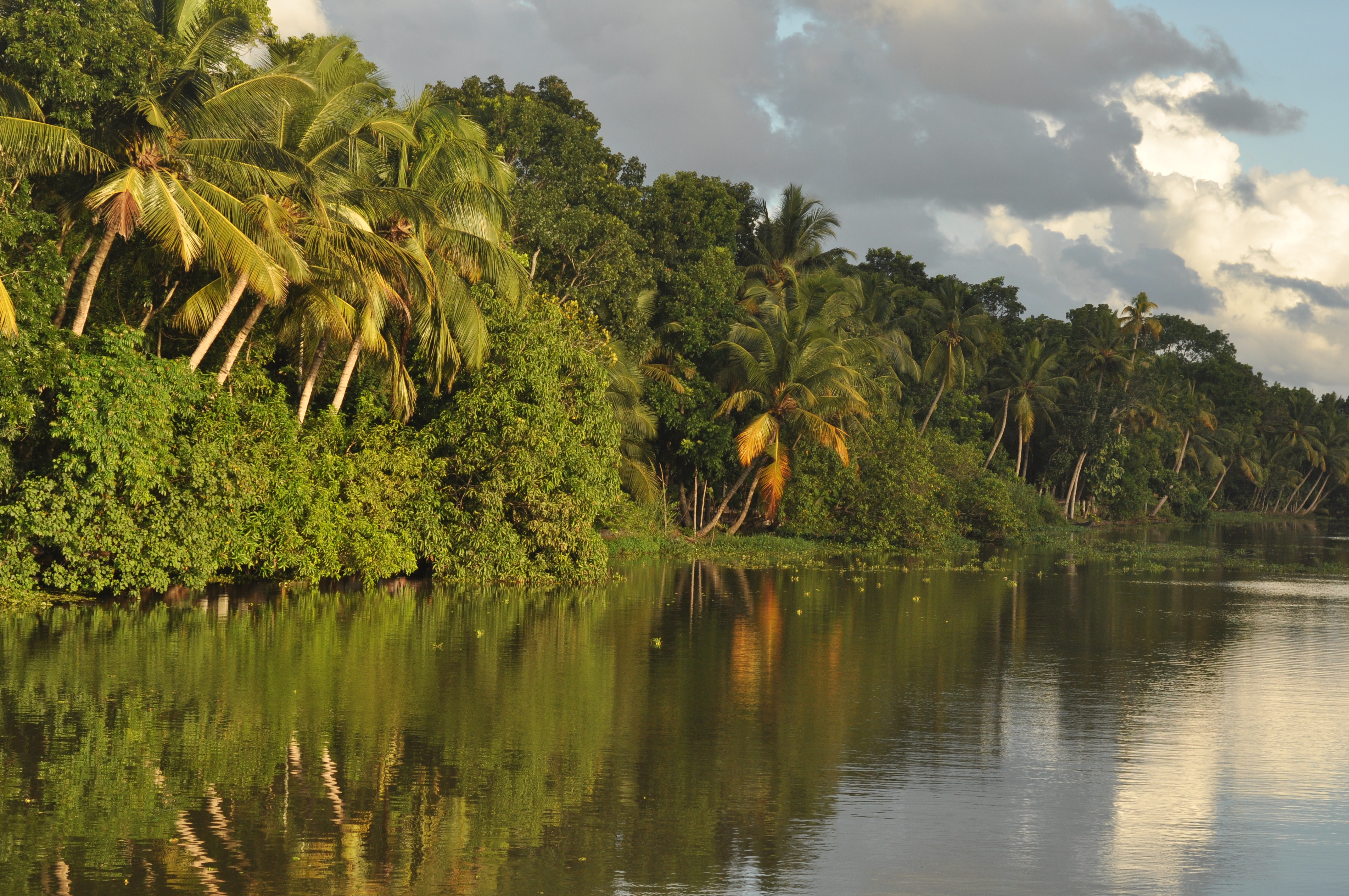
View of the approaching storm on Vembanad Lake, from a Xandari Riverscapes houseboat.
Monsoon rains in Kerala – the greatest drama I’ve ever watched. They tick everything on Aristotle’s checklist for a good play. A country dried by summer and hoping on a good ending makes for a decent plot. Meet the characters. A thick blanket of menacing grey, humid air hugging skin. Gusty winds that uproot trees and power lines, darkness that comes calling even before night. And the stellar spectacle of a finale – prayers, predictions, and calculations answered in silvery drops. Stunning, stinging, and relieving all at once.
Writing this while watching blue and grey jostle in the skies, the earth still smelling of the last rain (petrichor is the word), I am reminded of the book I’m reading now. One that is as old as me, one befitting the best season in India. Alexander Frater’s Chasing the Monsoon.
“As a romantic ideal, turbulent, impoverished India could still weave its spell, and the key to it all – the colours, the moods, the scents, the subtle, mysterious light, the poetry, the heightened expectations, the kind of beauty that made your heart miss a beat – well, that remained the monsoon.”
― Alexander Frater, Chasing the Monsoon

Bryan Danforth inspects apple blossoms and native pollinators at the Cornell Orchards. © Jason Koski/University Photography
Earlier this spring, instead of hiring commercial honeybee keepers to bring in their hives to apple orchards, Cornell decided to try relying solely on wild bee species for pollination of the blossoms at their Ithaca site. Based on research from the university’s entomology department, the Cornell Orchards knew it had a robust population comprised of twenty-six different wild bee species among the Ithaca apple trees. They counted on this local bee life to do all the pollinating work that the imported European honeybees would have done, and by the end of May it was clear that a full crop’s worth of flowers had been pollinated! We’ve featured plenty of stories about the deeply troubling colony collapse disorder in Apis mellifera and are always eager to emphasize the importance of pollination, so it may seem strange to celebrate the non-use of European honeybees in this case, but the main point here is that the value of wild native bee species should not be forgotten! If commercial honeybees continue to struggle, alternative methods of pollination will be necessary, and fostering local biodiversity is a great way to compensate for that potential eventuality.
As a fun coincidence, I heard about this story because the lead researcher in the wild bee population was my entomology professor sophomore year. You can read more about Professor Bryan Danforth’s role and the Cornell Orchards decision in the piece for the Cornell Chronicle below, by John Carberry:
As the state’s land-grant institution, Cornell University was born to explore science for the public good – a mission that can sometimes require a leap of faith.
Just such a leap is paying off now at Cornell Orchards in Ithaca, as researchers and managers from the Horticulture Section of the School of Integrative Plant Science and the Department of Entomology celebrate a solid spring pollination season for the site’s apple trees. While crisp apples and fresh cider Continue reading
 Organikos