Know Your Cup of Tea

While tea has an impressive history stretching back 5,000 years, iced tea has a history stretching back only as far as the discovery of preserving ice. PHOTO: darter.in

While tea has an impressive history stretching back 5,000 years, iced tea has a history stretching back only as far as the discovery of preserving ice. Picture of a tea garden in Munnar, Kerala. PHOTO: darter.in

Having spent the weekend maneuvering through tea plantations in Munnar, the drive brought back memories of conversations over tea here. There was the post on the complete tea experience – from planting a seed to hand plucking the tender green “silver tips” of the tea, to hand roasting and finally enjoying the “fruits” of one’s labor in distant Thailand. The one on the history of tea, too. And here is the account of how America popularized iced tea (we are betting on it being one of your go-to drinks), courtesy NPR’s The Salt: 

You’d be forgiven for not knowing this, but Wednesday was National Iced Tea Day. And while it’s only an unofficial food holiday, it makes sense that Americans would set aside a day to celebrate this favorite summertime sip: We popularized it. Tea itself, of course, has been consumed in America since Colonial times. (Remember the Boston Tea Party?) But before you could drink iced tea, you needed ice — and that was a rare summer luxury until the early 1800s. New Englanders could cut large chunks of ice from frozen ponds and lakes in winter, then insulate it with sawdust so that it could last into the warmer months. But in the hot South, snow and ice didn’t exactly abound.


Continue reading

Six Yards of Handwoven History

An understated tourist destination, Chanderi and its looms are often missed on the route to nearby Orchha and Khajuraho. PHOTO: Gaatha

An understated tourist destination, Chanderi and its looms are often missed on the route to nearby Orchha and Khajuraho. PHOTO: Gaatha

You must have heard of India’s ubiquitous piece of clothing that is the sari. Graceful, flattering, stately – several are the adjectives used to describe this six yards of fabric. But have you heard its story? From the threads and to the loom, to the people striving to uphold the dignity of working by hand and keeping the powerloom lobbies at bay? Then, the story of the Chanderi sari is for you to read, courtesy the Outlook:

The softly shimmering legacy of many hands lingers in its weave, the gorgeous rustle of cotton and silk hails its arrival: the handloom sari, timeless showcase of India’s heritage textile, gathered from all over the country to drape the Indian woman. From Delhi living room conversation piece to subtle South Indian wedding showstopper, the handloom sari has always kept standards high. Parrot green, frighteningly pink, marvellously magenta, from Kancheepuram in Tamil Nadu to Sambalpuri in Orissa, it wends its way into trousseaus, staple sari collections and 100 Sari Pacts (the most recent trend in sari preservation has women vowing to wear a hundred saris and commemorate the traditional garment). Its weavers are craftsmen, their outlines blurred by the sheer number of people involved in the creation of one long, winding stretch of cloth.

Continue reading

The ‘E’ word – E-waste

The StEP Initiative forecasts that by 2017, the world will produce about 33 percent more e-waste, or 72 million tons (65 million metric tons). That amount weighs about 11 times as much as the Great Pyramid of Giza.

The StEP Initiative forecasts that by 2017, the world will produce about 33 percent more e-waste, or 72 million tons (65 million metric tons). That amount weighs about 11 times as much as the Great Pyramid of Giza.

By 2017, the global volume of discarded refrigerators, TVs, cellphones, computers, monitors and other electronic waste will weigh almost as much as 200 Empire State Buildings, a new report predicts.The forecast, based on data gathered by United Nations organizations, governments, and non-government and science organizations in a partnership known as the “Solving the E-Waste Problem (StEP) Initiative,” predicts e-waste generation will swell by a third in the next five years, led by the United States and China. The StEP Initiative created a map of the world’s e-waste, which is available online. [Infographic: Tracking the World’s E-Waste]

Continue reading

10,000 km in a Tuk-tuk and With the Sun

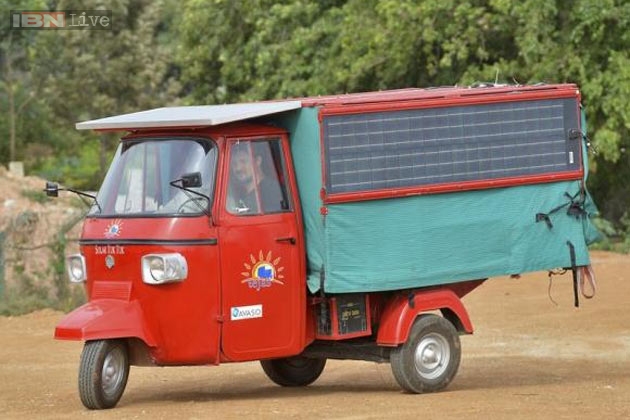
Tejas is a renovated Piaggio Ape  with a 13-kilo-watt prototype engine, lithium-ion batteries and six solar panels. PHOTO: IBN

Tejas is a renovated Piaggio Ape with a 13-kilo-watt prototype engine, lithium-ion batteries and six solar panels. PHOTO: IBN

Our itinerary has been filled with travel all week. And we almost gave The New Indian Express article on the travel plans of Indian engineer Naveen Rabelli and Austrian filmmaker Raoul Kopacka a miss. That was only until we read the details: a 10,000 km journey from India to London on a self-built solar-powered tuk-tuk/autorickshaw to Britain to promote a sustainable low-cost alternative-transport solution and check air pollution in towns and cities across their journey. Talk about going the extra mile.

Continue reading

A Garden of Waste

Successful stories of upcycling, recycling and effective waste management are heartwarming to say the least. Because they speak of someone thinking about the future and taking the time and effort to act on a lay thought. That’s what the world (and the environment) needs – time. And, Nek Chand, who was born in Pakistan but made India his home, gave almost 60 years of his life to make trash beautiful, to give it meaning and purpose. He created a garden of sculptures and waterfalls out of trash over 40 acres and managed to hide it from everybody for 18 years. It was his secret to keep and is now Chandigarh’s pride. The nation’s, too.

In his spare time, Chand began collecting materials from demolition sites around the city. He recycled these materials into his own vision of the divine kingdom of Sukrani, choosing a gorge in a forest near Sukhna Lake for his work. The gorge had been designated as a land conservancy, a forest buffer established in 1902 and nothing could be built on it. Chand’s work was illegal, but he was able to hide it for eighteen years before it was discovered by the authorities in 1975. By this time, it had grown into a 12-acre (49,000 m2) complex of interlinked courtyards, each filled with hundreds of pottery-covered concrete sculptures of dancers, musicians, and animals.

Continue reading

Dad, I Dirtied the Nest!

Animal sanitation studies — the exploration of how, why and under what conditions different species will seek to stay clean, stave off decay and disrepair, and formally dispose of the excreted and expired. PHOTO: John Rakestraw (Northern Flicker - male)

Animal sanitation studies — the exploration of how, why and under what conditions different species will seek to stay clean, stave off decay and disrepair, and formally dispose of the excreted and expired. PHOTO: John Rakestraw (Northern Flicker – male)

Nature may be wild, but that doesn’t mean anything goes anywhere, and many animals follow strict rules for separating metabolic ingress and egress, and avoiding sources of contamination. Want examples? Take the Northern Flicker. According to a new report in the journal Animal Behaviour on the sanitation habits of these tawny, 12-inch woodpeckers with downcurving bills, male flickers are more industrious housekeepers than their mates.

Researchers already knew that flickers, like many woodpeckers, are a so-called sex role reversed species, the fathers spending comparatively more time incubating the eggs and feeding the young than do the mothers. Now scientists have found that the males’ parental zeal also extends to the less sentimental realm of nest hygiene: When a chick makes waste, Dad, more readily than Mom, is the one who makes haste, plucking up the unwanted presentation and disposing of it far from home.

Continue reading

When Nature is the Weatherman

Its monsoon delayed and weakened by a cyclonic  storm and the El Nino, India is bracing for tough days ahead. PHOTO: Madhyamam

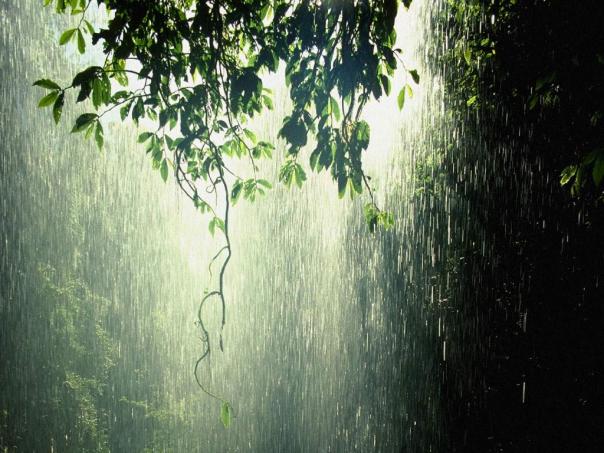
Its monsoon delayed and weakened by a cyclonic storm and the El Nino, India is bracing for tough days ahead. PHOTO: Madhyamam

All through the last weeks of May and the first days of June, most Indians have been looking to the skies. For answers and signs of the monsoon rains. With India being a predominantly agrarian country, the rains decide whether the country grows enough to feed its 1.25 billion people or relies on imports to satiate hunger and demand. And last evening, we saw the first signs of a healthy monsoon, amid fears of the rains being a poor show this year.

Continue reading

When Ideas Take Flight

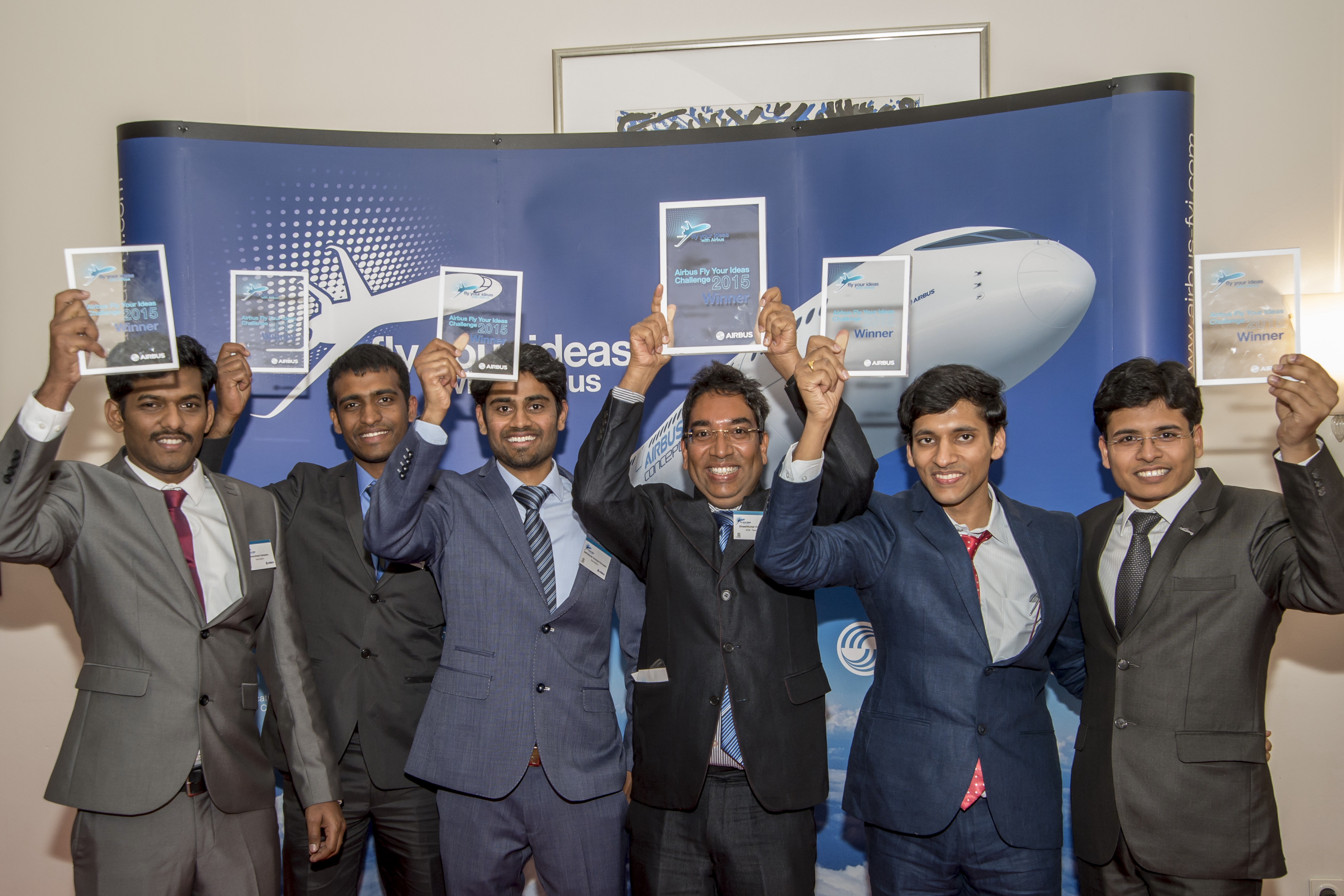
A team of Indian students won the fourth edition of the Airbus Fly Your Ideas global competition organised in partnership with UNESCO to encourage innovators . PHOTO: Airbus

A team of Indian students won the fourth edition of the Airbus Fly Your Ideas global competition organised in partnership with UNESCO to encourage innovators . PHOTO: Airbus

A few weeks ago, Hamburg hosted the fourth edition of the Airbus Fly Your Ideas competition. The city is where the most popular single isle A320 family aircraft are finalised, where A380 cabin interiors are fitted and where the revolutionary A350XWB sections are manufactured. Organised in partnership with UNESCO to encourage the next generation of innovators, the competition saw 518 multi-disciplinary ideas, representing 3,700 students from over 100 countries – all to better the future of flight. And a team of four Indian students and their “good vibes” took home the top prize money of €30,000 (£21,500). And here’s the best bit: the winners physically met only on the day of the finals.

Continue reading

Embarking on a Path of Sustainability

I never expected to return to Costa Rica after finishing college, and much less, to fulfill a role that I only dreamed about.  When I was offered the opportunity to help advance the sustainability projects at Xandari Resort in Costa Rica, I knew this was an opportunity that I could not let pass. From the first day that I selected Hospitality Administration as my major at Boston University (BU) and through my four years learning about and working in hospitality, I have grown to cherish the industry. Through my multiple work experiences in hotels and food and beverage companies, primarily in operations and guest relations, I experienced daily the joy of hospitality services. Continue reading
Most Eco-friendly Ad Campaign Ever?

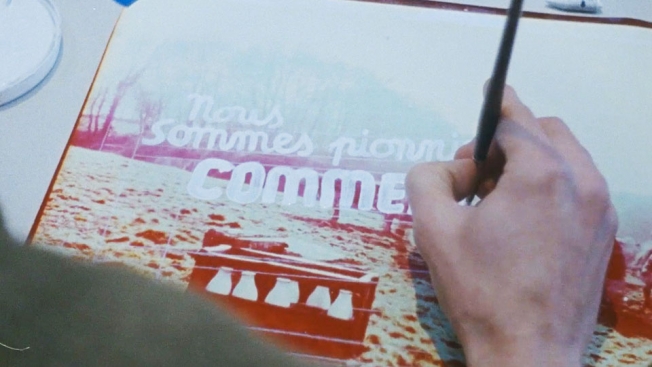
French organic food retailer Biocoop claims to have come up with the most eco-friendly campaign ever. PHOTO: AdWeek

French organic food retailer Biocoop claims to have come up with the most eco-friendly campaign ever. PHOTO: AdWeek

Welcome to the age of ‘organic’ being the marketing appeal of food production, design, crafts, consumer goods, and more. With it being a coveted USP and given the large planning and effort that go into taking the organic route, you might as well tell everyone who has a moment to listen. And that’s precisely what French organic food retailer Biocoop is doing. And doing it with a creative difference – rather than investing in commercials and monstrous hoardings, the company and its agency Fred & Farid Paris decided to make the medium their message. Marshall Mcluhan, you’d be proud! Organic by business and eco-friendly in their ad campaign, Biocoop’s message is crystal clear.

Continue reading

A Culture in Need of Safeguards

Each year since 2009, UNESCO puts out two lists that closely look at indigenous practices across the world. The List of Intangible Cultural Heritage in Need of Urgent Safeguarding is composed of heritage elements that require urgent measures to keep them alive. During the period from 2009 to 2014, 38 elements have been included on this List. These include Mongolian calligraphy, the Paach (corn-veneration ritual) of Guatemala, the male child cleansing ceremony of northern Uganda, practices of the Kayas of the sacred forests of Mijikenda in Kenya and more. The second list –  Representative List of the Intangible Cultural Heritage of Humanity – comprises practices that help demonstrate the diversity of heritage and raise awareness about their importance.

Continue reading

All That Wine

Since its debut in October of 2014, Tender has become a neighborhood favorite, with wine on tap and small plates featuring cheese and charcuterie. PHOTO: Blair Czarecki / Hoodline

Since its debut in October of 2014, Tender has become a neighborhood favorite, with wine on tap and small plates featuring cheese and charcuterie. PHOTO: Blair Czarecki / Hoodline

Our thought and work processes guided by the 3Cs  – community, collaboration, and conservation – it’s encouraging when we find one of our ilk. And this time, our kin in ethos is living a dream in an apartment building at 850 Geary St, Tenderloin, San Francisco. Until a few years ago, the derelict building invited descriptions like ‘deplorable’ and the ‘Heroin Hotel’. That was before the Liptons arrived on the scene. The carefully renovated building now houses Tender, a tiny bar with wine on tap and an eco-friendly spirit at heart.

“My whole concept for this place was to create a home away from home, an unpretentious neighborhood wine bar that takes advantage of the technology of an eco-friendly business model of wine on tap,” says Lipton.

Continue reading

Raise Your Voice

Screen Shot 2015-06-09 at 9.33.44 AM

We have all faced airline/airport delays, and it is always tempting to raise one’s voice in anger.  What if your raised voice could make everything just a little bit better for everyone? Thanks to the New York Times and the root for bringing this to our attention:

…Facing a six-hour delay, the casts of “The Lion King” and “Aladdin” gave a spontaneous performance at New York’s LaGuardia Airport. It appears that the “sing-off,” which occured in an airline waiting area, lifted quite a few spirits…

Plastic Aplenty

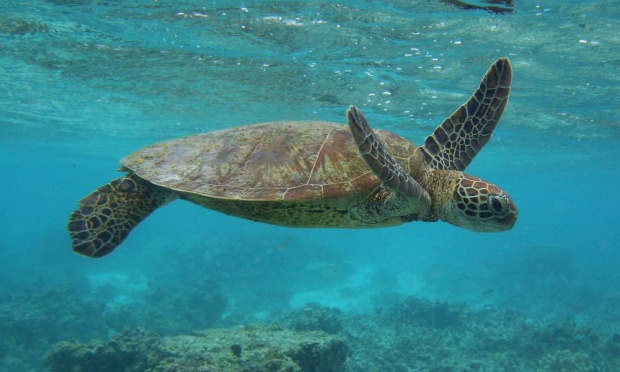
Forty per cent of the small turtles travelling through Moreton bay were recently found to have consumed plastics and more than two-thirds of the endangered loggerhead turtle, too. PHOTO: Mark Kolbe/Getty Images

Forty per cent of the small turtles travelling through Moreton bay were recently found to have consumed plastics and more than two-thirds of the endangered loggerhead turtle, too. PHOTO: Mark Kolbe/Getty Images

Queensland – said to be Australia’s dirtiest state (discarded rubbish recorded at levels almost 40 per cent above the national average). Also home to Moreton Bay, the only place in the country where dugongs gather in herds and which has a significant population of the endangered loggerhead sea turtle. Over celebrating its coastal flora and fauna on World Oceans Day, the state and its leaders found themselves mulling a ban on single-use plastic in the area. Here’s why.

Continue reading

Casual Cultural Conservation Through Dance

The only working Danish windmill in the US.

A few weeks ago I visited a friend from Cornell whose family lives in Nebraska and comprises a good portion of the Scandinavian Folk Dancers of Omaha. I’d seen them perform before at the New England Folk Festival in April, held in Mansfield, Massachusetts, but unfortunately at that point my phone’s camera wasn’t the right tool for the job of documenting their great dancing. This time, when the group performed on a much more intimate stage at the Danish Tivoli Festival in Elk Horn, Iowa, (Elk Horn and neighboring Kimballton apparently make up the largest rural Danish settlement in the US) I was ready with my camera and was able to take some half-decent videos of several of the dances. The audio quality isn’t the best given the slightly windy conditions, but hopefully you can get a general feel for the experience in the video below.

We’ve featured some thoughts on dance on the blog before, especially given Kerala’s Continue reading