Where Does This Light Come From?

Energy from solar, biomass and hydrogen is coming together for the first time in India to light up a tribal hamlet. PHOTO: The Telegraph

Energy from solar, biomass and hydrogen is coming together for the first time in India to light up a tribal hamlet. PHOTO: The Telegraph

When India’s Rabindranath Tagore became the first non-European to win the Nobel Prize for Literature in 1913, he made headlines. He continued to be in the news when he decided to use the prize money to set up a university town in India. Today, Santiniketan and its Visva-Bharati University can stake claim to their unique set of trailblazers of alumni; Nobel winning economist Amartya Sen and ace Indian auteur Satyajit Ray are among them. While the light of education draws thousands to the gates of the university town, its hinterland remains in darkness. But in education that leads to innovation we trust and there seems to be a glimmer of a sustainable solution on the horizon.
Continue reading

Let’s Take a Look at the Ocean

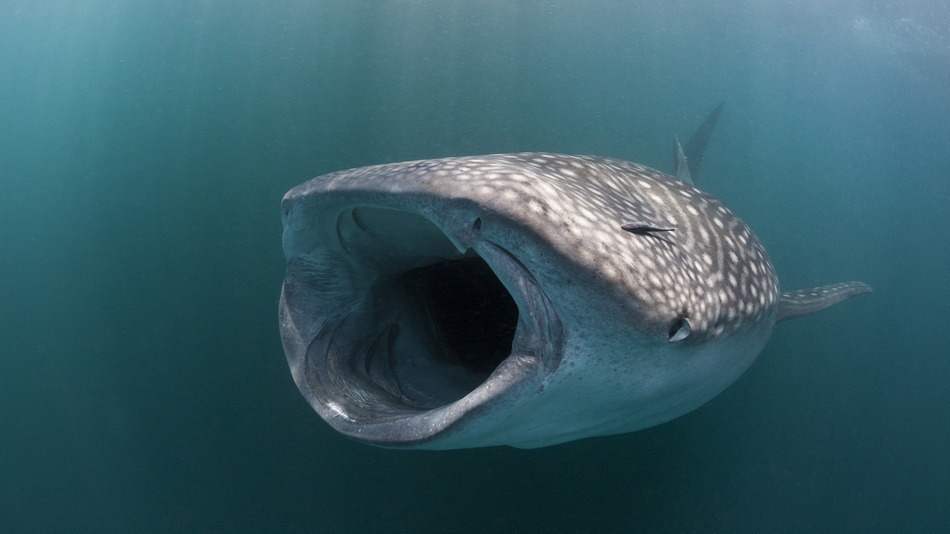
Feeding Whale Shark, in Triton Bay, West Papua, Indonesia. PHOTO: REINHARD DIRSCHERL/CORBIS

Feeding Whale Shark, in Triton Bay, West Papua, Indonesia. PHOTO: REINHARD DIRSCHERL/CORBIS

Be it the flash floods in Texas or a heat wave in India that has killed over 2,000 people to date, the signs of global warming and the consequent extremes are telling on land. The sea has not been spared either –  the acceleration of global sea level change from the end of the 20th century through the last two decades has been significantly swifter than scientists thought. And a closer look at the oceans reveal that by the end of the century, the polar regions may have some of the most abundant sea life on the planet. The tropics, which are currently the crown jewel of marine species richness, may be drained of much of its iconic marine life, opines a recent study published in the journal Nature Climate Change. 

If warming is held at the 2-degree target, the changes that will occur throughout the global ocean “will be relatively benign for the ecosystem.”The tropical regions would see a net loss in biodiversity with average global warming of 2 degrees Celsius, while polar areas could see a 300% increase in biodiversity as species seek out more hospitable areas.

Continue reading

Meet the Supergrain

Pronounced “free-kah”, it is unripe wheat that’s parched and roasted to burn off the husks. The grain has a wonderfully smoky, nutty (and slightly addictive) nature, PHOTO: Daniella Cheslow

When it comes to food, the world is constantly looking for healthier replacements of core ingredients. So what can you replace a staple like rice or white pasta with? Or how can you keep a watch on your wheat intake? Quinoa had the world raving for a while, yes, but now kitchens are looking at ‘old’ grains. Their versatility, flavor, economic cost, ease to work with, and the accompanying history has chefs across the world looking back to older grains. Like freekeh.

Continue reading

Happy Birthday, Carolus Linnaeus!

Remember Carolus Linnaeus? Go back to high school where you probably heard of taxonomy first; yes, it’s his invention. Well, it was his 308th birthday last week (May 23) and each year, it is celebrated with a list. Of new species discovered the previous year. Scientists found 18,000 new species in 2014, but the top 10 are in a league of their own. How about a spider that cartwheels to escape danger or a frog that gives birth to live tadpoles?

Continue reading

Put a Face to Litter

Every day in Hong Kong, more than 16,000 tons of waste is dumped in the streets and public spaces. PHOTO: hkcleanup.org

Every day in Hong Kong, more than 16,000 tons of waste is dumped in the streets and public spaces. PHOTO: hkcleanup.org

Going by Hong Kong’s Cleanup Challenge, your DNA can rat you out the next time you toss as little as a candy wrapper on the beach or in the park. The country is taking its trash problem seriously, with an entire week in June dedicated to cleaning urban spaces and its coastline. In fact it generates 6 million tonnes of trash a year – the weight of 350 blue whales. Clearly, this is not sustainable. And that’s precisely why one of the country’s NGOs and the advertising firm Ogilvy & Mather came up with the Face of Litter campaign.

Continue reading

Meet the ‘Water Man’ of India

The 2015 Stockholm Water Prize has been awarded to Rajendra Singh for his consistent attempts to improve the country's water security  PHOTO: SIWI

The 2015 Stockholm Water Prize has been awarded to Rajendra Singh for his consistent attempts to improve the country’s water security PHOTO: SIWI

Twenty years ago, when 28-year-old Rajendra Singh arrived in an arid village in Rajasthan, he came with degrees in Ayurveda and Hindi and a plan to set up clinics. That’s when he was told the greatest need was not medical help but clean drinking water. Groundwater had been sucked dry by farmers, and as water disappeared, crops failed, rivers, forests and wildlife disappeared and people left for the towns. In 2008, The Guardian listed him as one of its “50 people who could save the planet”. In March 2015, he was awarded the Stockholm Water Prize, known as the Nobel Prize for water.

Continue reading

Be for Boreal Forests

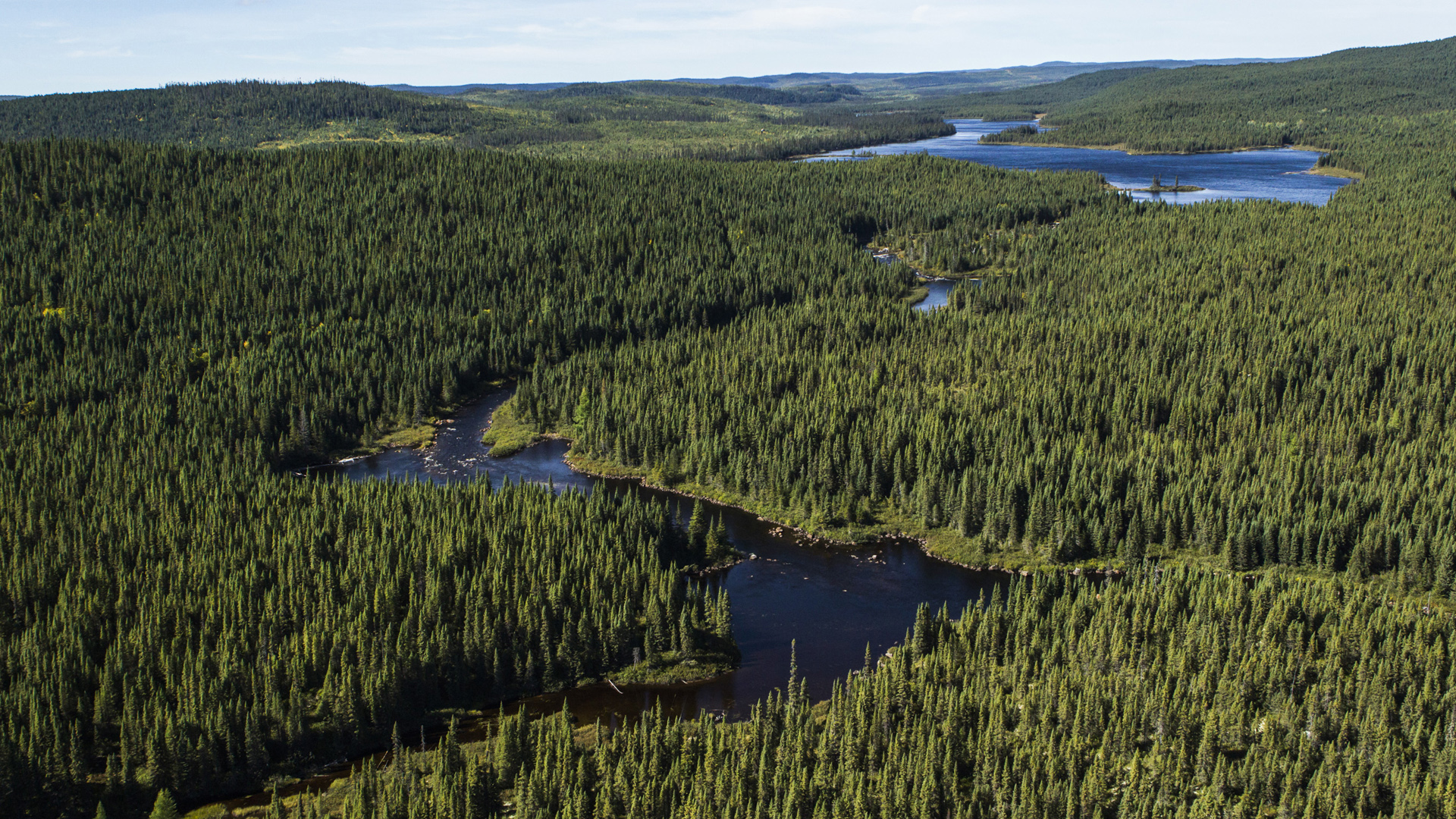
Canada’s boreal region covers almost 60 percent of the country’s land area, essentially spanning from the Atlantic to the Pacific. It is one of the largest and most complex ecosystems on the planet. PHOTO: borealfacts.com

Canada’s boreal region covers almost 60 percent of the country’s land area, essentially spanning from the Atlantic to the Pacific. It is one of the largest ecosystems on the planet. PHOTO: borealfacts.com

Question time. What is the largest intact forest on the planet? If you guessed Amazon, firstly you aren’t the only one; more importantly, you’ll have to know the answer is the Canadian boreal forests. Here are some facts: It covers a staggering 1.5 billion acres, between 1-3 billion birds flock nest and breed here each year, it alone stores 208 billion tonnes of carbon i.e 20 years worth of the world’s emissions from burning fossil fuels, and contains 200 million acres of surface fresh water alone. Yes, that’s a lot of numbers; but they are only some of the reasons for making sure these forests stay intact.

So, whether you enjoy a morning chasing warblers in Central Park’s Ramble, listening to ovenbirds sing in Rock Creek Park in Washington, D.C., scanning the Chicago waterfront for ducks or strolling the shaded paths of Mount Auburn Cemetery near Boston while vireos and tanagers flash through the old trees, you are drawing delight directly from that immense swath of unsullied northern forest.

Continue reading

Can I Take Your Picture?

An autochrome photo of a group of children at National Zoo. PHOTO:  Jacob J. Gayer/National Geographic Creative/CorbisIt’s been a century since National Geographic published its first color cover using the autochrome technique. Gradually phased out post 1930 and replaced by Kodachrome and Agfacolor, the autochrome era is said to have given the art of painting a run for its money. With its lush colors and lyrical and evocative quality, the technique not only dislodged black and white photography’s monarchy but also brought together science and art. Credited to the Lumiere brothers, autochrome painted dreams in colors.

Continue reading

A Case for the Wildebeest

According to the UNEP, wildebeest populations have declined in areas of southern and eastern Africa. PHOTO: Natural Habitat Adventures

The Great Migration of Serengeti National Park, designated a World Heritage Site, is legendary. The stars of this 1,200-mile odyssey are the wildebeest – 1.5 million of them – accompanied by 200,000 zebras. Every year is an endless journey for them, chasing the rains across 150,000 square miles of woodlands, hills and open plains. With them having firmly established their caliber as a species built literally for the long run, the migration spectacle should probably be the only space where the wildebeest find a mention. But conservation debates are hovering over these beasts – categorized as non-threatened by the IUCN – and looking at them as a keystone species.

Continue reading

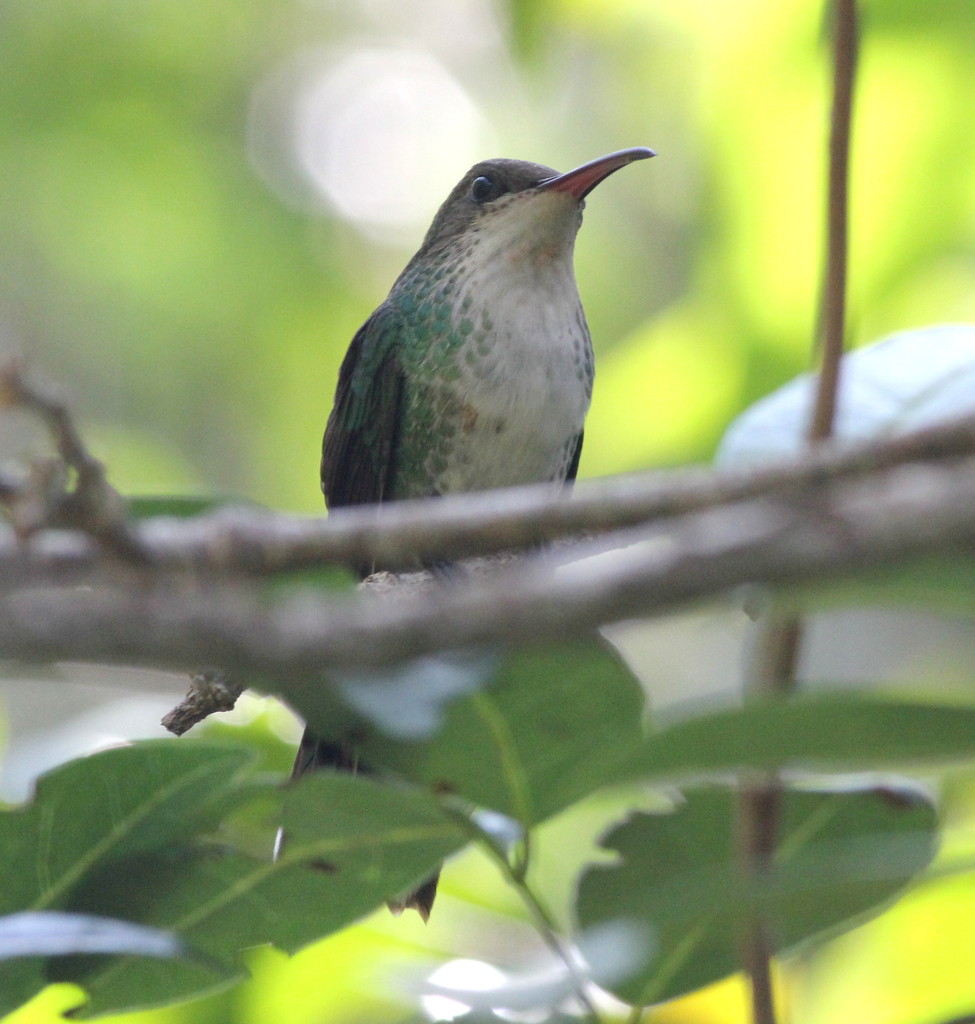
Bats can Focus Biosonar by Stretching Mouths

While in Cockpit Country for our first expedition to Jamaica looking for the Golden Swallow, John, Justin and I watched in awe as hundreds and hundreds of bats flowed out of a cave and flew in a distinct path right by us over the course of half an hour. The slightly shoddy video below can only partly convey the sensation of having the flapping mammals zoom past in a steady stream. We’ve recently featured a couple stories of scientific developments in bat research on the blog, including wing-beat echolocation in fruit bats and singing for communication in other species.

A couple weeks ago, we learned via Discover Magazine’s science blog by Continue reading

The Two People of a Land

First Nations peoples are also excessively marginalized in the public health system, and at least 1,200 aboriginal women have been reported missing or murdered over the past 30 years PHOTO: Daniella Zalcman

First Nations peoples are also excessively marginalized in the public health system, and at least 1,200 aboriginal women have been reported missing or murdered over the past 30 years PHOTO: Daniella Zalcman

Indigeneity comes at a premium today. From the hyper-local experience of taking local buses or tuk-tuks to food that is loudly ‘branded’ as authentic and traditional, the focus is on the native narrative. Today is also about the stories and people of the land – often oppressed and relegated to numbers of casualties until acknowledged, rehabilitated, and apologized to. Like the indigenous population of Canada.

Our languages are coming back. Our songs are coming back. But not everything is returning — some things have been lost forever. That’s the price of our ancestors being forced to assimilate – GRAHAM PARADIS, OJIBWE AND MÉTIS

Continue reading

Playing by the Sun

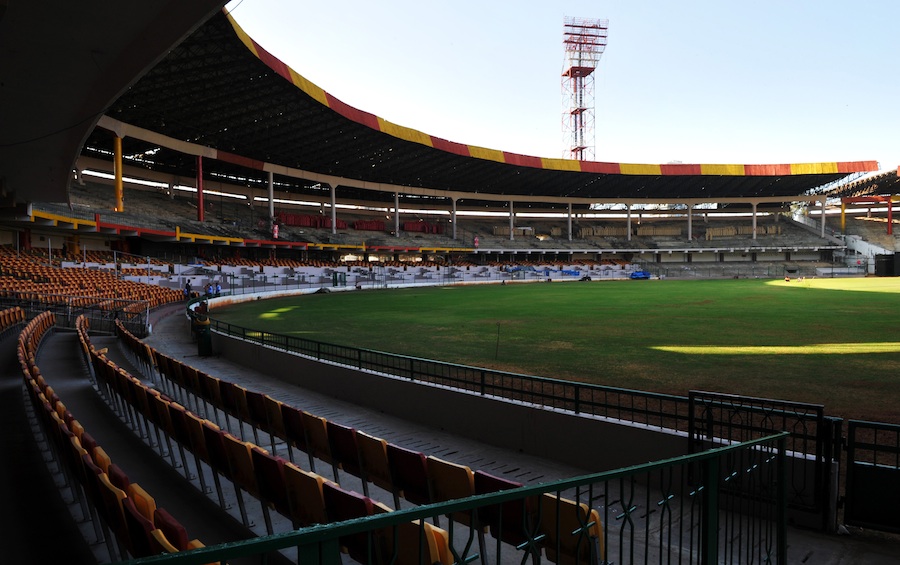
A general view of the inside of M. Chinnaswamy Stadium cricket stadium. PHOTO: DIBYANGSHU SARKAR/AFP/Getty Images)

A general view of the inside of M. Chinnaswamy Stadium. PHOTO: DIBYANGSHU SARKAR/AFP/Getty Images)

Well, nothing unites all of India like a good game of cricket. And when the legendary game takes a green turn for the better at one of the country’s premier cricketing grounds, it makes news. The heart of the matter: The M Chinnaswamy Stadium at Bengaluru is the only solar-powered cricketing ground in the entire world.  Continue reading

To Touch is to See

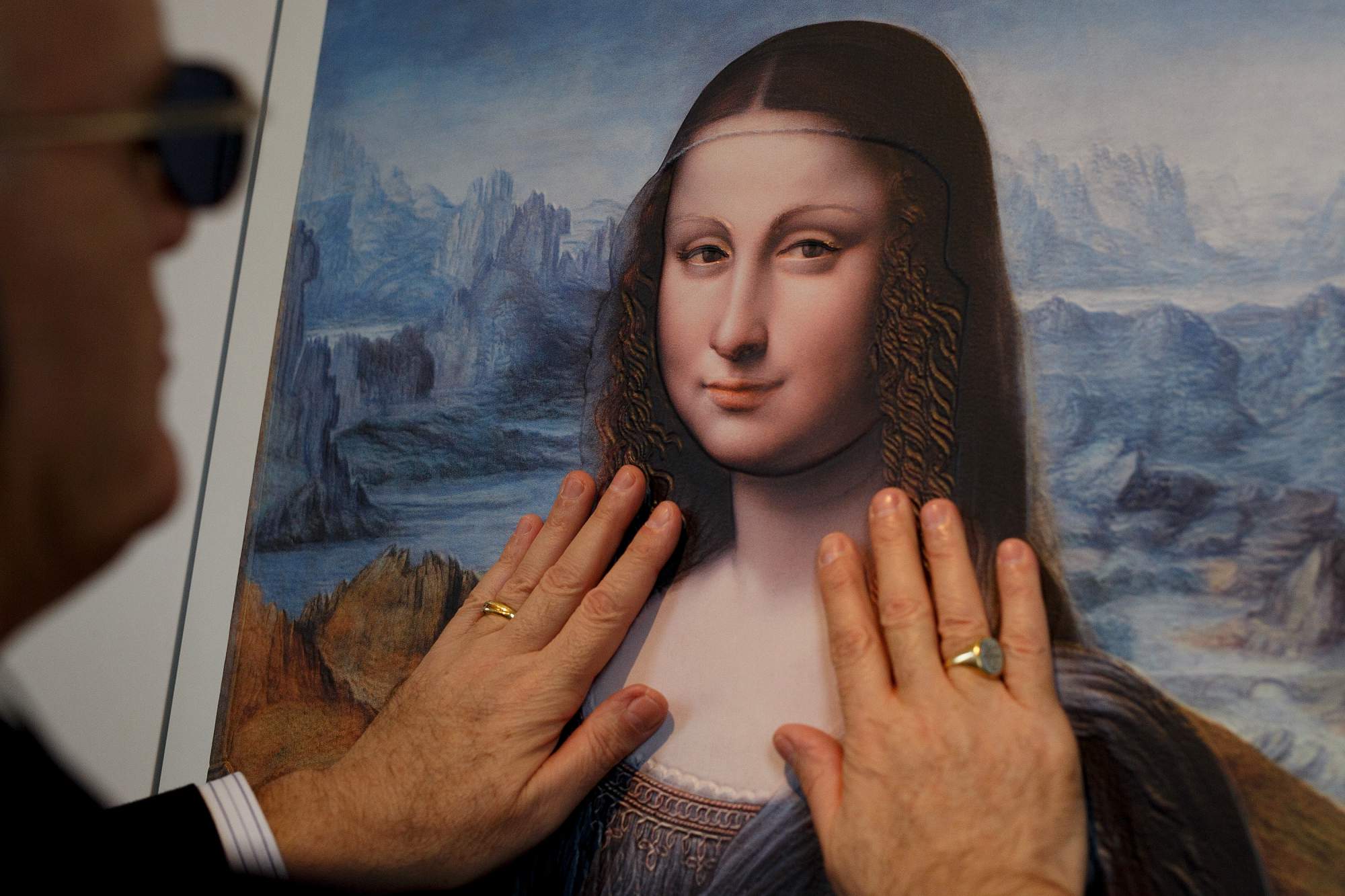
The paintings at Prado Museum in Madrid employ the Didu technique. PHOTO: Pablo Blazquez Dominguez

What is the place of hand sanitizer in a museum when all you are constantly reminded is to not touch the exhibits? But till June 28, the Prado Museum in Madrid will keep those at hand. For visitors – those with sight and the blind – are encouraged to feel their way around duplicated 3-D works of the likes of Francisco Goya (regarded both as the last of the Old Masters and the first of the moderns), Diego Velazquez (of the Spanish Golden Age) and even one painted by Leonardo da Vinci’s assistant. And those gifted with sight can don opaque glasses and be guided by their hands. Isn’t there more than just one way to see art?

Continue reading

A Goodbye to Utility Bills?

Life off the grid? An actuality realized by just a few and romanticized by the rest. But if things go as per plan, Bratislava-based Nice Architects and their seven-year project Ecocapsule will make this possible by the end of 2015. Imagine having to pay no utility bills, being able to set up your own egg-shaped home in any corner of the planet, and being super sustainable through a life powered by the wind and the sun! Yes, let’s go get that dream!

Continue reading

The Future of Parking is Here!

Developed by construction company Giken, the robotic system stores the cycles in a 11-meter deep well PHOTO: GIKEN LTD

Developed by construction company Giken, the robotic system stores the cycles in a 11-meter deep well PHOTO: GIKEN LTD

If there is one problem that puts developed and developing countries on the same footing, it is parking space. And Japan seems to have found a way around it. At least for bicycles. Considering that they are carbon neutral and land value is high, hindering the commissioning of exclusive bicycle roads and parking lots, this idea could be the future. Eco-cycle is an anti-seismic mechanical underground parking lot for cycles, designed along the concept of “culture above ground, function underground”. So when in Japan, particularly around Kounanhoshi Park, head to this bicycle elevator. Wait as the electronic card reader scans your membership (fee around $15 a month) code, remove pets and all valuables from the cycle, and stand back as your wheels make an eight-second journey to its slot. On your return, scan the code and your ride reaches you in a jiffy. More pedal power to that someone who really gave parking some extra thought!

Detailed photos (and some Japanese) here.

Planting the Oak Back in Oakland

Felled to make way for developments, oaks are now being nurtured to better urban health. PHOTO: Louis Dallara

What’s in a name… Shakespeare’s 400-year-old line is timeless and oft repeated. For it goes beyond a few syllables and rests on the very soul of the matter. And going by a few volunteers setting up an inaugural stand of 72 coast live oaks in a West Oakland park, it seems like someone felt it, too. Say Oakland and you’d invariably conjure up images of woodlands and acorns. That and given that the oak is America’s national tree, you’d expect vast woodlands and tributaries of branches. Instead, sentiment is attached to the few oaks that still stand their ground in the face of development and there’s a “re-oak” campaign underway. In good time, we hope.

“Names are a powerful way to think about a place,” said Walter J. Hood, a landscape architect and professor at the University of California, Berkeley, who lives and works in Oakland and came up with the idea of resurrecting the city’s forgotten groves. “If a landscape changes, your way of life changes,” he said, “whether it’s a freeway cut into a neighborhood or a new dense canopy of trees.”

Read the New York Times report here.

In Art’s Holy Name, From Italy

When you are a native of the land, you inevitably end up being a guide. From the fastest route to reach the airport, places to visit in Fort Kochi and Mattanchery, and the lowdown on where to get the best seafood – it is assumed that you know it all. And, rightly so. For every textbook guide on India/ Kerala will tell you that you shouldn’t miss what’s left of the Chinese fishing nets, about taking a walk in Jew Town and catching a cultural performance or two. The Santa Cruz Basilica, too, will be on the must-do list. But only a native can tell you of the Italian Jesuit priest, who studied Michelangelo’s repertoire in Rome, and came to Cochin after he was commissioned to paint in churches. And that he died here, too.

Continue reading

Taxi! (Green) Taxi!

Taxis have grabbed headlines in recent times, globally. The world is yet to recover from the news of losing Nobel laureate and Princeton University mathematician John F Nash Jr. and wife Alicia  – inspiration behind the film A Beautiful Mind – in a New Jersey car crash on Saturday. Soaring summer temperatures in the Indian subcontinent and resultant heat strokes are forcing cabbies to stay off roads in the afternoons. Then, there’s the heartwarming story of Dhananjay Chakraborty from Kolkata, whose taxi is green in every sense. Continue reading