Lichens: Unlikely Citizen Science Subjects

Photo via gmilburn.ca

We’re avid fans of citizen science, in part because of its breadth of possibilities. People can study historical documents, look for birds, record phenologies in forests, hunt lionfish, count butterflies, and perform dozens of other activities to help discover more about the world around and before us. One thing we didn’t expect to ever see was a citizen science initiative covering something as seemingly — but obviously looks can be deceiving — as lichens. Lisa Feldkamp reports for The Nature Conservancy’s science blog, Cool Green Science, excerpted in parts below:

Welcome to the exciting world of lichens. And no, that’s not oxymoronic.

A lichen is actually a composite organism: algae or cyanobacteria living with a fungus symbiotically. That definition, admittedly, doesn’t help their charisma factor.

But look at them closely and you’ll see a wonderful, colorful tapestry.

Get out a hand lens or microscope and an even more amazing world is revealed.

“One of the cool things about lichens is their ability to survive extremes,” says Tiffany Beachy of Great Smoky Mountains Institute at Tremont. “When it’s dry they shrivel and look like they’ve dried out, but with a drop of water they turn green.”

One of the most unique inhabitants of lichen is the tardigrade (a.k.a. water bear) is the first life-form with a proven ability to survive in the vacuum of space.

However, lichens have an Achilles’ heel: air pollution.
Continue reading

Clothed in History

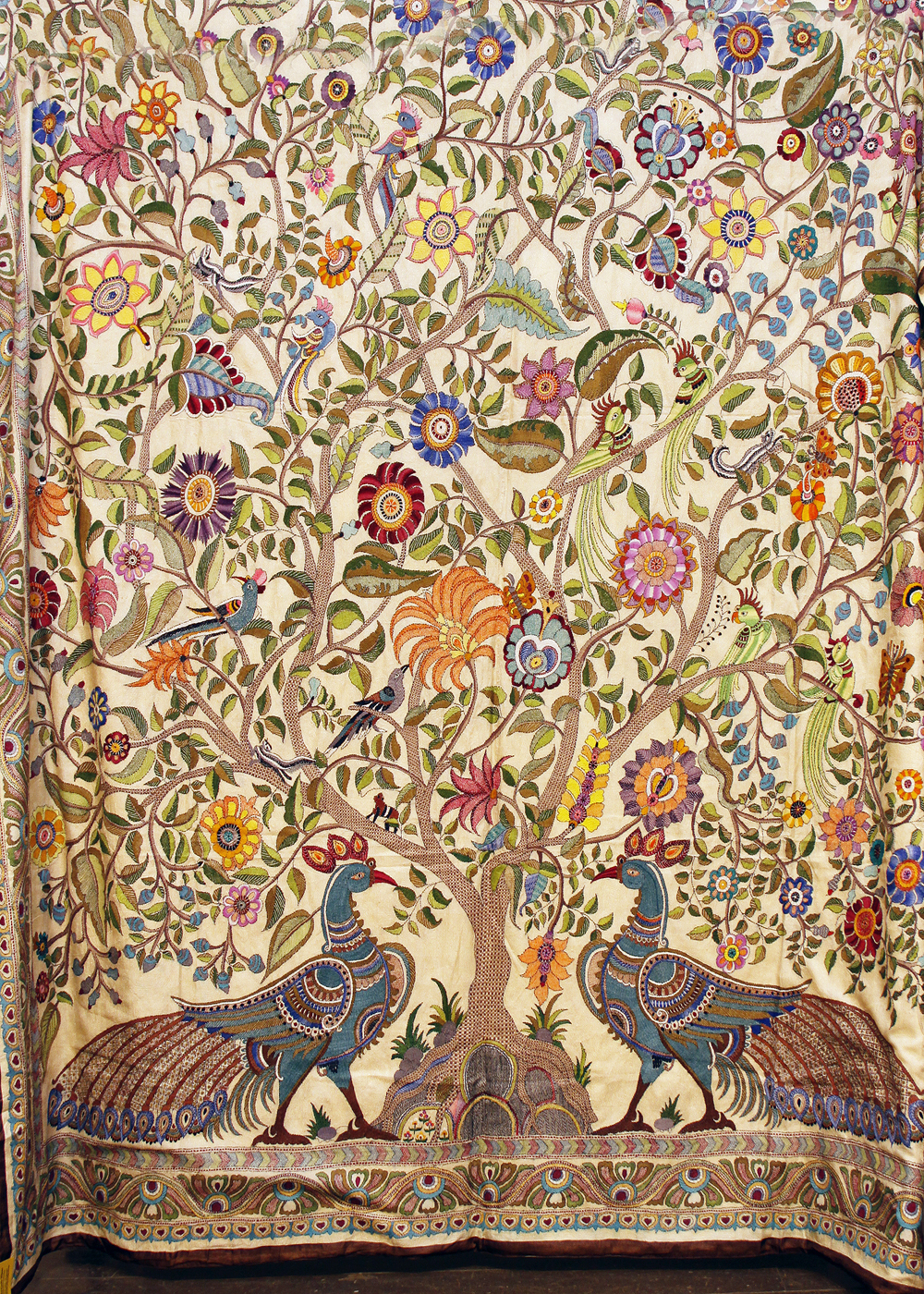
Kalamkari embraces the world of gods and was once used to decorate temples and chariots. Today, in India, it is the face of a dying craft of printing by hand. PHOTO: J Niranjan

If you happen to be around the Metropolitan Museum of Art (gallery 199 in specific) or have Internet hours in hand, the ongoing exhibition titled Sultans of Deccan India (1500-1700) is worth a dekko. A show of opulence enjoyed by kings of the Deccan region in India, the exhibition features 200 artifacts that explore poetic lyricism in paintings, exquisite metalwork, and a distinguished form of fabric production. Known as kalamkari, this cotton fabric is painstakingly dyed using natural vegetable colors and decorated with intricate and detailed paintings by hand. Practised and protected by a small community in the state of Andhra Pradesh today, the family craft faces the Herculean task of survival in the face of plagiarism, lack of government support, and the decreasing number of artisans.

Continue reading

The Impressiveness of Cephalopod Sight

Photo via EuclidLibrary

We’ve long known that octopuses have some of the most powerful eyes among invertebrates, but a recently published article in the Journal of Experimental Biology titled “Eye-independent, light-activated chromatophore expansion (LACE) and expression of phototransduction genes in the skin of Octopus bimaculoides” is showing that members of cephalopoda (octopus, squid, cuttlefish) may also have light-sensitive cells in their skin that effectively transform the large outer organ — already famous for its color- and shape-shifting qualities — into a perceptive one as well. The science sections of the New York Times and The Guardian, along with National Geographic‘s Phenomena webpage, all cover the story (click on the reporter’s name to reach the original articles):

Octopuses can mimic the color and texture of a rock or a piece of Continue reading

The Whole Truth

The last time potholes really had our attention was almost three years ago, when Russian ad agency Voskhod painted local politicians’ faces around garish potholes in the town of Yekaterinburg. Over the years and particularly during our stay in India, bumpy rides have come to be a way of life. There’s the initial irritation over a wheel jumping into a hole, some amount of cursing the government for not getting around to fixing them, and then resignation – this has almost come to be a ritual. But when we happened to chance upon Chicago-based Jim Bachor’s ‘art-titude’ towards potholes, it was pleasant to see how the issue had become apolitical in that it did not scream for attention from the government. Instead, the passive activism appears more of a manifestation of citizen ownership. And, a good sense of art and humor.

Continue reading

Let’s talk food

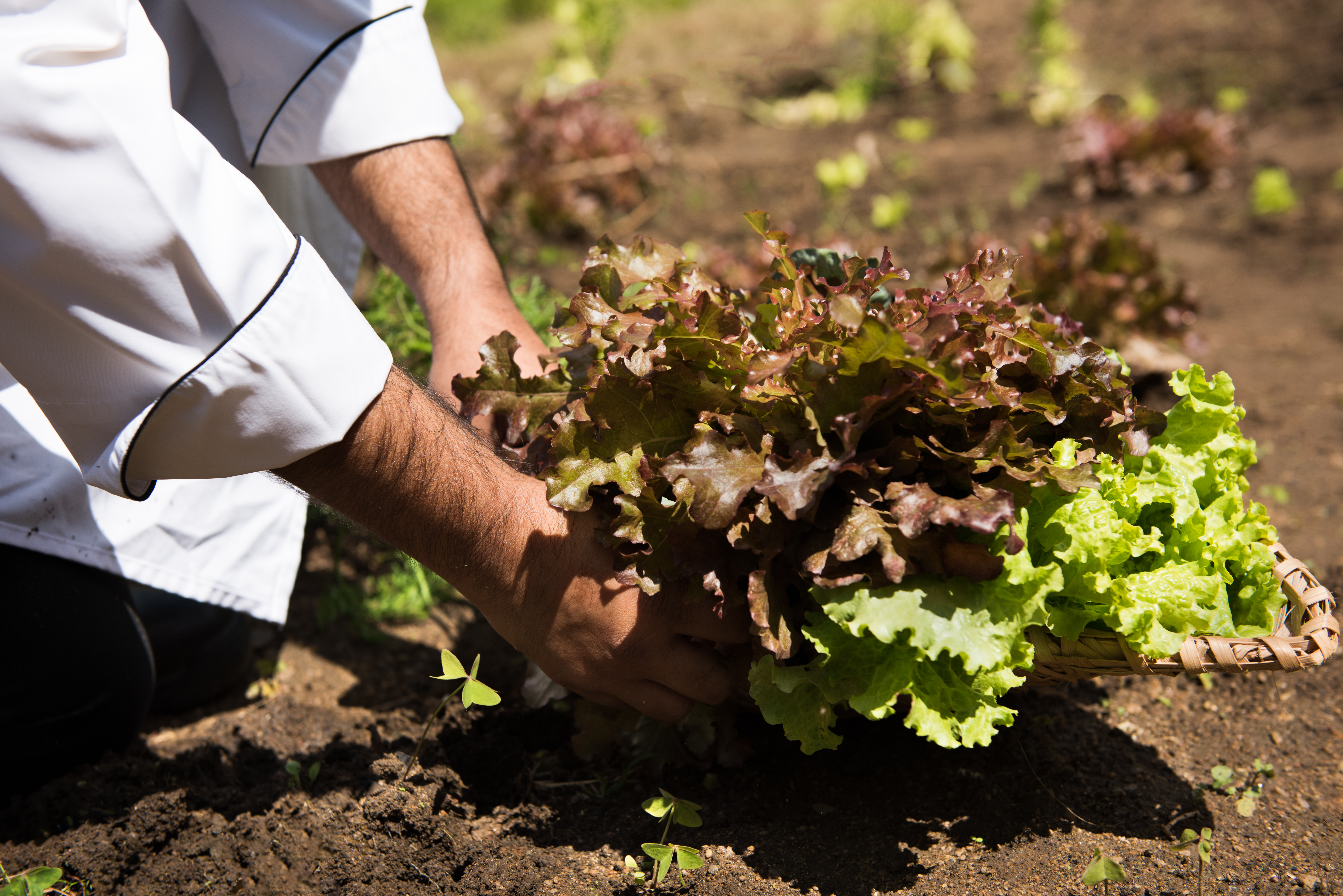
Lettuce

At Cardamom County in Thekkady, we take food seriously. From composting leftovers to growing our own food, we do it all. PHOTO: Deepshika Jain

There’s no denying duality when it comes to any life phenomenon. Let’s take growth and decay, abundance and poverty, negligence and responsibility. Bring food into this equation and you cannot have a greater marker of different standards of living across the globe. So while we were taking stock of produce harvested from our “edible” gardens at Cardamom County and Xandari Pearl, the conversation happened to linger on food security. And then someone mentioned France recently banning all supermarkets from spoiling or throwing away unsold food.

The measures are part of wider drive to halve the amount of food waste in France by 2025. According to official estimates, the average French person throws out 20kg-30kg of food a year – 7kg of which is still in its wrapping. The combined national cost of this is up to €20bn. Of the 7.1m tonnes of food wasted in France each year, 67% is binned by consumers, 15% by restaurants and 11% by shops. Each year 1.3bn tonnes of food are wasted worldwide.

Continue reading

Art in the House

Straddling the colorful neighborhoods of Mattanchery and Fort Kochi, Xandari Harbour (XH) is in good art company. With galleries hugging the street at every corner and local cafes dedicating their walls to the cause of promoting artists of the land, you are never too far from colors. The second edition of the Kochi Muziris Biennale too played its role in resuscitating street art and bringing art vocabulary into everyday conversations. The canvas so full of action and art being our foremost form of decor in rooms and at the restaurant, 51, it was an obvious choice when it came to bringing life to the bland walls of our staff cafeteria. Continue reading

The Barred Antshrike

Last weekend, a former minister of the environment for Costa Rica was staying at Xandari with his wife. Avid birders with life lists, they noticed a binder on the lobby’s coffee table with the cover image pictured above. The binder was the product of work James and I did last summer, highlighting forty interesting species of resident birds on Xandari’s property. After the table of contents, the first featured bird — the Barred Antshrike — was a surprise to the visiting couple. They’d been birding the Central Valley for years, but they’d never seen the species, and they simply didn’t believe that it could be found in such an accessible location.

Politely, the couple smiled at the binder-creators’ mistake and set out Continue reading

Mother’s Day Redux: Bluebird and her Babies

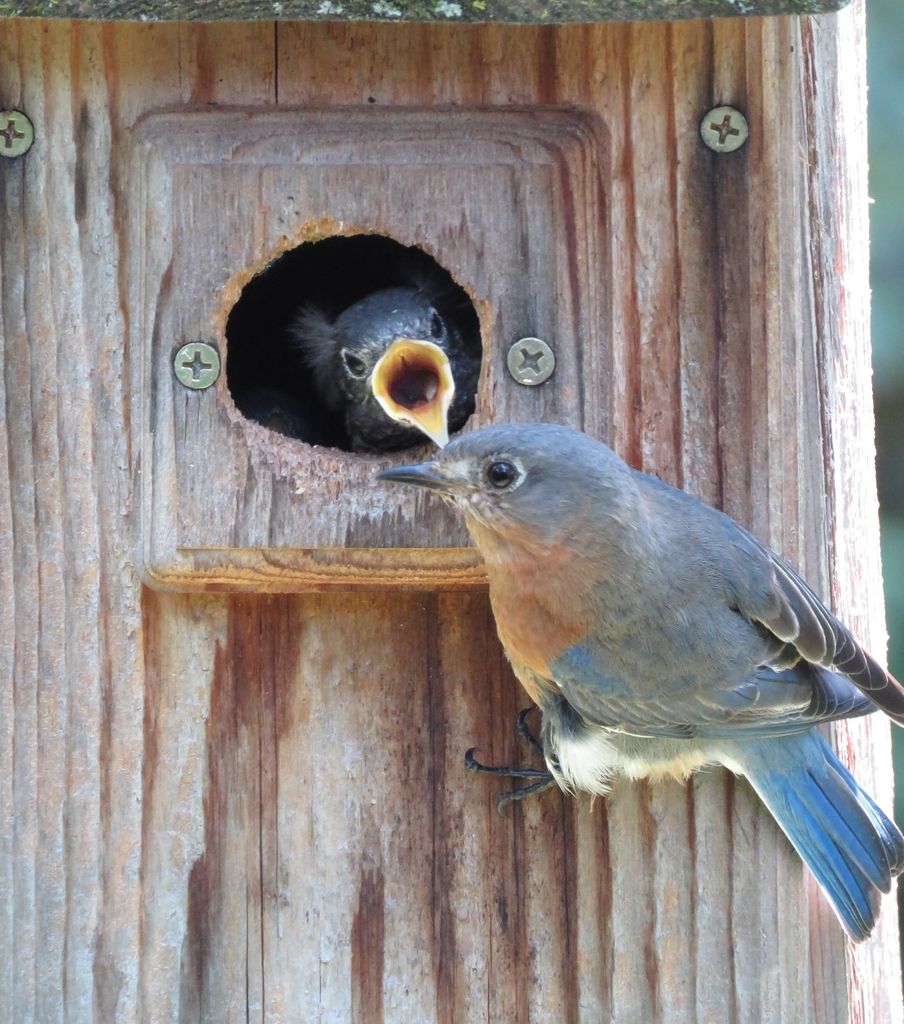
Mother bluebird feeding babies on Mother’s Day

A little less than a month before mother’s day (May 10th), a pair of bluebirds made their nest in one of the bluebird houses in our backyard in Atlanta. I was away studying at the university at the time, but my parents described to me in phone conversations the process familiar to anyone who has seen birds build a nest in their yard: first the birds made tentative visits to the site, then they began to carry in straw, twigs, and grass, finally the mother Continue reading

A feast for your eyes

98 2.5 cm cubes of raw food make this stunning isosymmetric photograph. COURTESY: Lernert & Sander

98 2.5 cm cubes of raw food make this stunning isosymmetric photograph. COURTESY: Lernert & Sander

When it comes to food, they say you eat with your eyes first. And you cannot help but do just that when it comes to Lernert & Sander’s new work, Cubes. May be that’s after you’ve tried identifying as many of the 98 cubes of raw food (we couldn’t help ourselves, too!). Commissioned by Dutch newspaper De Volkskrant last year for a feature on the nation’s eating habits, the duo started with what they could find in their neighborhood grocery store. Each type of food was then cut into cubes of 2.5 cm with a custom-designed tool, placed equidistant from the camera, each row photographed separately, and the entire image put together using digital compositing. No, absolutely no use of Photoshop. The equal distances and the one single size put all the vegetables, fruits and meats on equal footing. The digital editing turned the physically impossible feat into visual reality.  Continue reading

How do you Say “Butterfly” in Malayalam?

Photo by James Zainaldin

We have a history of sharing butterfly photos here, primarily from Kerala (ചിതശലഭം, by the way, is Malayalam script for “citaśalabhaṁ,” or butterfly) and Costa Rica (“mariposa” being the Spanish name for the insects) but also in miscellaneous nature posts by our contributors. We also have a bit of a connection to the Smithsonian Institution, and are always happy to hear about friendly, creative polyglots, in this case from the New York Times:

Amid Butterflies, a Bit of a Lingua Franca at the Natural History Museum

 20, 2015

On a recent Sunday, Holly Tooker stood by the transparent wall inside the Butterfly Conservatory, at the American Museum of Natural History. It was, as always, 81 degrees with 78 percent humidity, and it had been a busy morning. Nearby, a giant Danainae butterfly perched on a

Continue reading

A 750-year-old Legacy

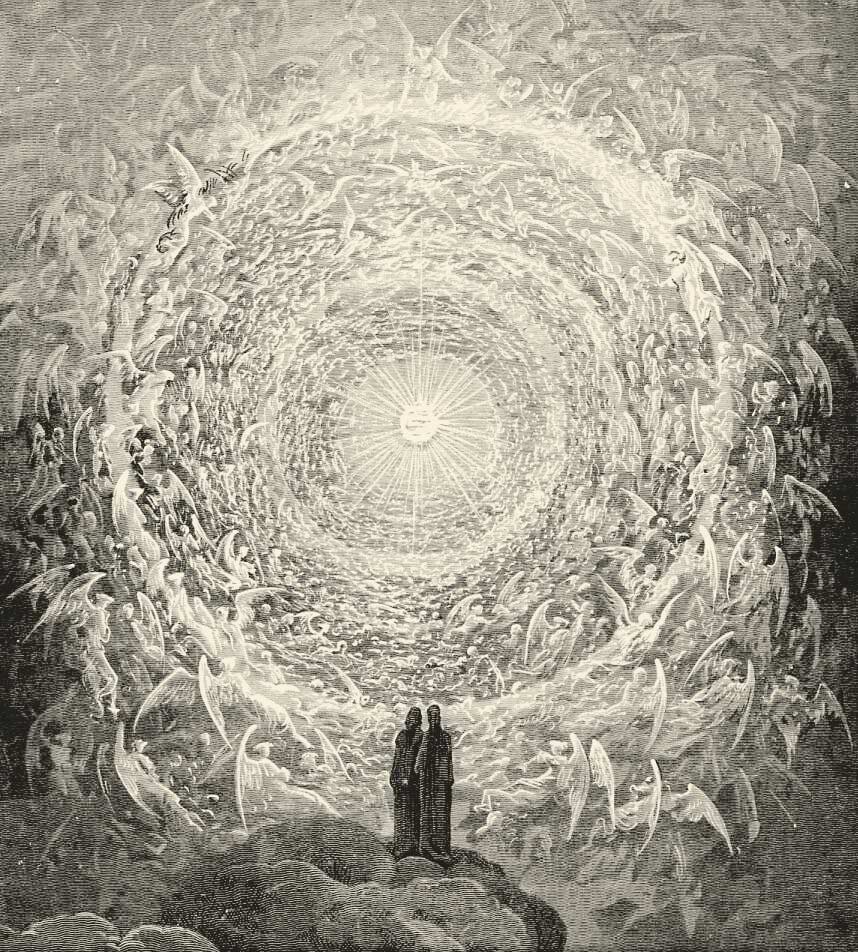
This be the destination that Dante Alighieri envisioned then: A love that moves the sun and other stars. ILLUSTRATION: Gustave Dore

This be the destination that Dante Alighieri envisioned then: A love that moves the sun and other stars. ILLUSTRATION: Gustave Dore

A prophet of hope, herald of the possibility of redemption, liberation and the profound transformation of every man and woman, of all humanity

– Pope Francis on Dante

An epic poem running into 14,233 lines, an allegorical exploration of hell and purgatory to reach paradise and a quest to understand the authentic self and the transcendental meaning of existence – Dante Alighieri has given much to the world. With Italy and literary circles celebrating his 750th birth anniversary this month, all awe and criticism once again turn the Divine Comedy’s way. Wondering about a 700-year-old text’s relevance in this century? Well, we are talking Dante and to say his masterpiece is a timeless revolution wouldn’t be way off the mark. Over his oft-didactic narrative and theological inferences, Dante leaves readers with gruesome yet alluring imagery, the knack to examine status-quo and a careful look at the duality in life. Continue reading

Veganism, say hello to jackfruit!

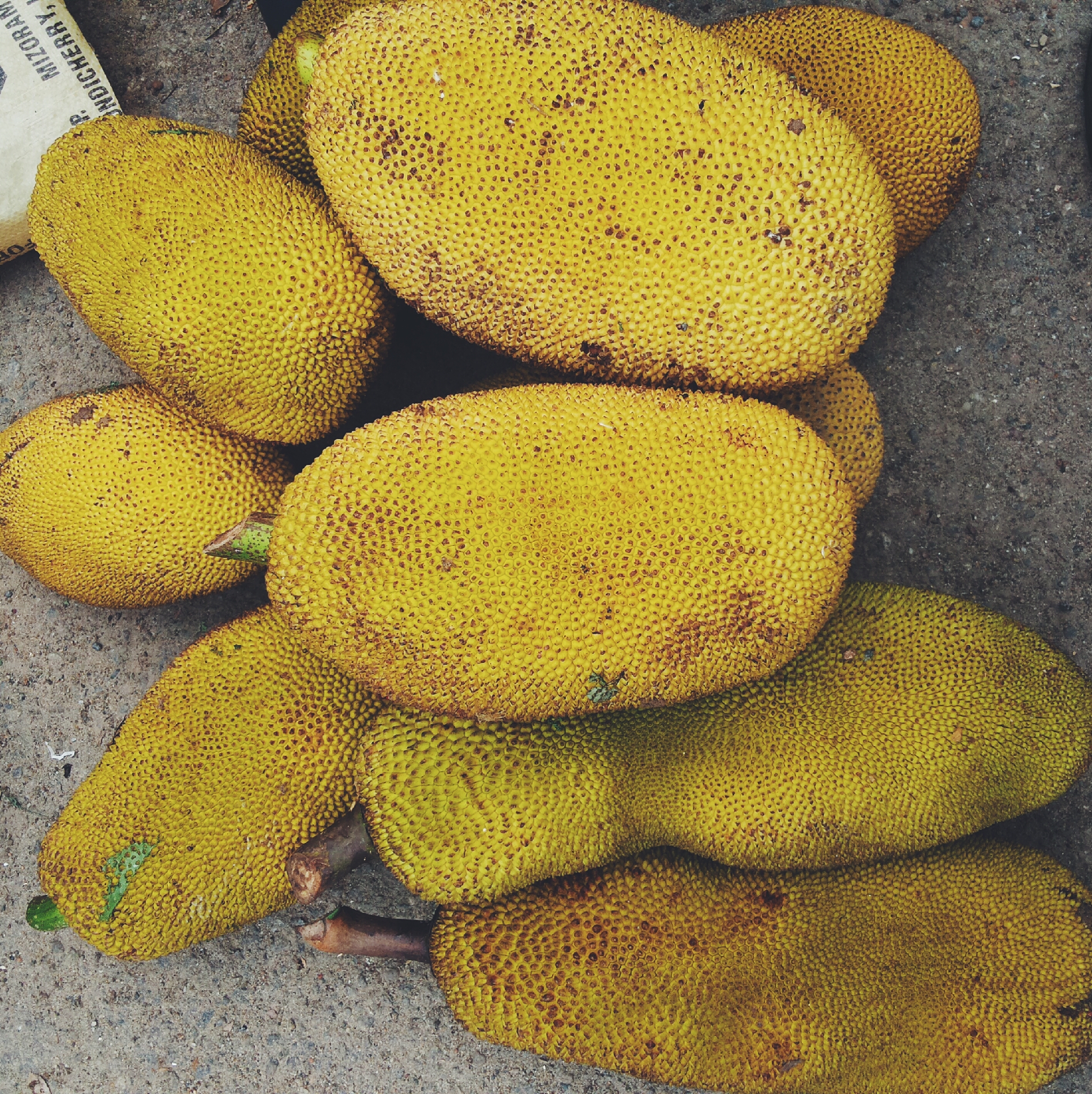
Jackfruit is the largest tree-borne fruit and is found across Asia, Africa, and parts of North and South America

Jackfruit is the largest tree-borne fruit and is found across Asia, Africa, and parts of North and South America

It’s the peak of summer in Kerala now. Here, the fruiting seasons are celebrated with an expo to encourage cultivation and to introduce the urban populace to some good old food traditions.At a recent jackfruit expo (watch this space for more on a mango showcase), the city-bred me who’d otherwise encountered the fruit only in flavored sorbet and ice cream figured what it was all about. Then I did some reading and this month-old article in The Guardian had me hooked:

Processed with VSCOcam with f2 preset

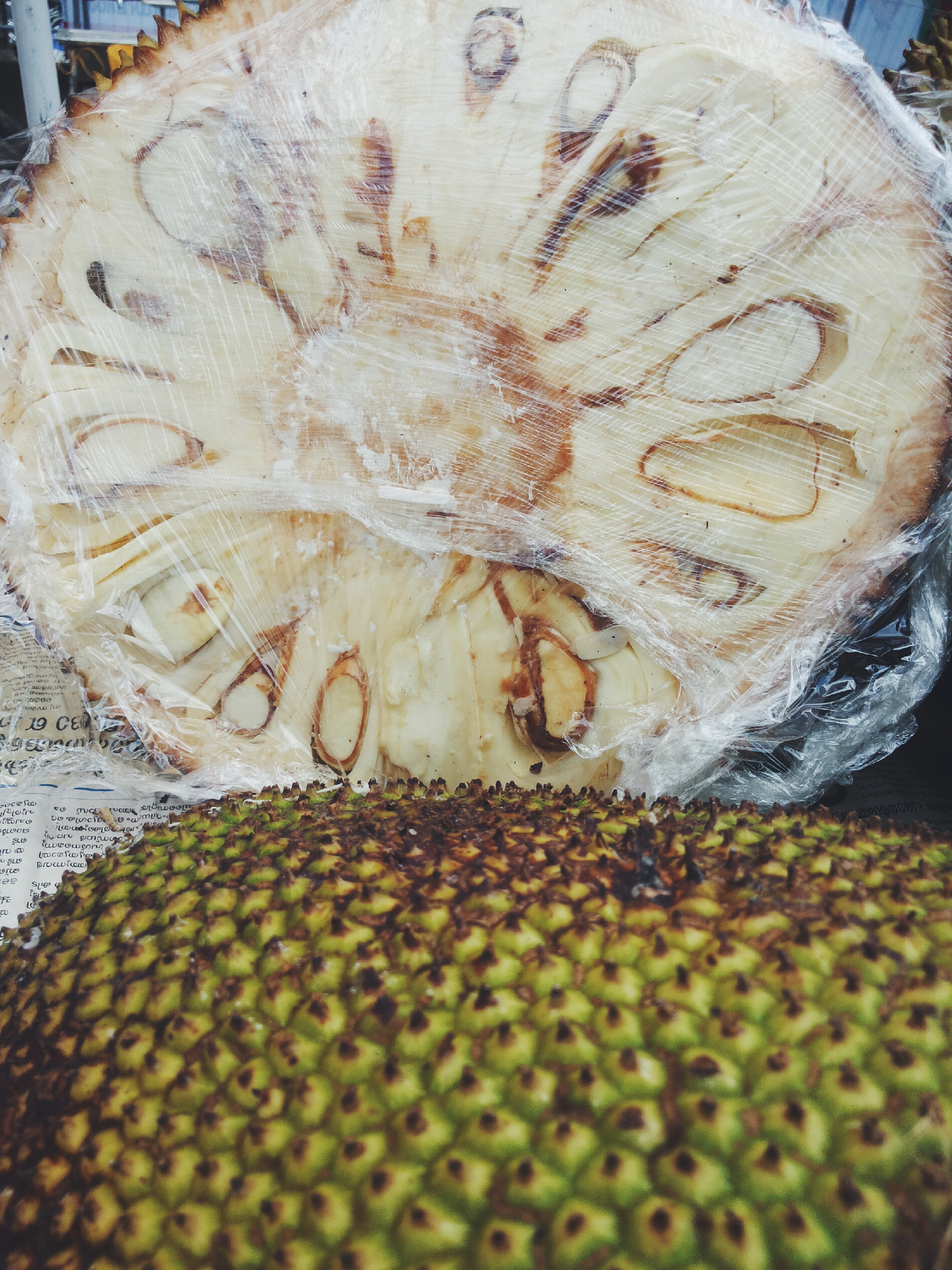
The frontal view when a jackfruit is cut

Late last year, after 18 years of litigation, a senior government official in Kerala, south-west India was given a prison sentence after being convicted of theft. The object he stole was government property, and it was so large he had to have it cut up to get it home. A piece of art, perhaps? A precious metal? Actually, it was a 40-year-old jackfruit tree, and, once you’ve tasted its fruit, you begin to understand why he did it.

Continue reading

Cave Swallows in Jamaica

Our last big video from the Jamaican Golden Swallow expedition was from the Blue Mountains. This time I have some footage of a colony of Cave Swallows we found at the end of our trip when we were driving along the north coast of the island. About fifty or sixty birds live in this shelf of rock overhanging the ocean, having created nests in the walls with mud pellets.

In the video above, you can see Justin swimming under the natural bridge to get a better view of the birds as they circle around to check on their nests, possibly Continue reading

One for the Bird

Poaching and destruction of grasslands has brought down the bustard's population to 150 in the world. PHOTO: Kiran Poonacha

Poaching and destruction of grasslands has brought down the bustard’s population to 150 in the world. PHOTO: Kiran Poonacha

If there’s one certain takeaway from this blog, it’s the enduring and growing love for the feathered friends. In India, the conservation debate often touches on the Great Indian Bustard (GIB), which has an ostrich-like appearance and is labelled as “critically endangered.” In fact, the world population of the GIB is pegged at 150, with India, particularly Rajasthan, being home to 70 per cent of this number. Loss of the Bustard’s dry grasslands and scrub habitat, increased hunting and changes in land use have been blamed but Dr Pramod Patil refused to let things settle at that. Precisely why his pioneering work in protecting the Bustard population in Thar desert of Rajasthan won him the Whitley Award this year. Popularly known as the ‘Green Oscar’ and also won by compatriot Dr Ananda Kumar for his system to reduce man-elephant conflicts in India, the award carries a grant of £35,000. More importantly, it puts the focus back on the Great bird.

Continue reading

Avian Alarm Calls

A Tufted Titmouse calling in flight.

When you’re walking in the woods or even on a city block, chances are you’ll hear birds chirping at some point. Whatever they’re trying to communicate, it certainly isn’t the joyous celebration of life that cartoons and our active imaginations often make out birdsong to be. Males might be trying to attract a mate, individuals could be declaring their territory, and if it’s the right time of year, chicks may be begging for food. Another reason for a bird to vocalize is to create an alarm call in the interest of its general foraging flock, whether to flee from or mob a potential predator.

I’ve watched small birds like sparrows and chickadees mob a pygmy owl, crows, and a Red-tailed Hawk, but I’ve never had the chance to experience the beginning of the action, which apparently starts with just one alarm call, which turn out to be variable enough in some cases to communicate predator size and danger. Christopher Solomon reports for the New York Times‘ science section:

MISSOULA, Mont. — In the backyard of a woodsy home outside this college town, small birds — black-capped chickadees, mountain chickadees, red-breasted nuthatches — flitted to and from the yard’s feeder. They were oblivious to a curious stand nearby, topped by a curtain that was painted to resemble bark.

Continue reading

Check This Out

anarc71

We watch the comments and forwarding links on each of our posts, and there have been many fellow travelers over the years coming and going from our community. Here is one fellow we would like to point your attention to, first to thank him for his shoutout of our site; second because we like the name Milo, which got us to click his link; third we find his message kindred to our own; and last but not least because of the graphic above, which is worth more than a thousand words.

#PeopleVsShell

Photo credits: Greenpeace.org

Environmental Activism has never taken a back seat in Seattle and we continue to root for the individuals, organizations and public officials who are working to draw global attention to a possible environmental disaster. Certainly not the moment to “Keep Calm & Carry On”…

Hundreds of kayakers in Seattle were preparing to go and “shake their paddles” in protest at a newly arrived 400ft long, 355ft tall Royal Dutch Shell oil rig on Saturday, with hundreds – perhaps thousands – more scheduled to attend on dry land.

“We here in Seattle do not want Shell in our port. We want them to get out and change their business before they change our planet and destroy the life of future generations,” said Annette Klapstein, a 62-year-old retired attorney and member of activist group the Raging Grannies.

On Monday, the Obama administration effectively gave Shell the green light to restart its Arctic drilling and exploration operations with an approval issued by the Bureau of Ocean Energy Management, a governmental regulatory agency.

Shell was forced to halt its Arctic exploration in 2012 amid a series of severe security mishaps.

Environmental groups and scientists reacted to Monday’s news badly, warning that letting Shell back into the Arctic for exploration and drilling was very likely to cause an ecological disaster and contribute to climate change. Continue reading