Revisiting a Year-old Thesis Experience


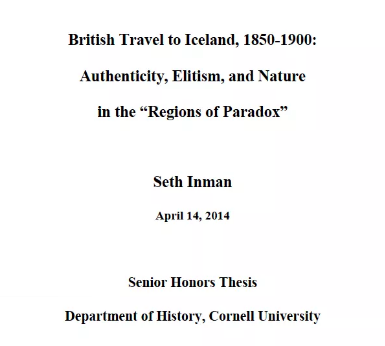
It’s been exactly — down to the same date, funnily enough — four months since I posted anything about Iceland in particular, seven months since I shared an excerpt from my honors thesis, and one year since I submitted that thesis to the history department at Cornell University. It’s interesting that as I write this I’m back in Ithaca, on campus, and during the last week have been involved in the proofreading process for two friends writing English theses to be turned in tomorrow. And then, coincidentally but not by chance, Hua Hsu writes a book review in the New Yorker that revolves around how to write a thesis.

Reading Hsu’s discussion of Eco’s book, as well as revisiting parts of my thesis to be able to give advice to my English-major friends, is a rewarding and somewhat nostalgic experience. There are several of Eco’s points that
particularly resonate with me, such as Continue reading

Eyes on New Sights

Kanikonna blooms herald the coming of Vishu (Picture: Abrachan P)

If all of Kerala is to have a favorite color this season, it’d be yellow with touches of gold. For this is the time of Vishu, a festival of prosperity and gratitude. Embraced by all Malayalis and celebrated by other Indian states by the names of Ugadi or Baisakhi, the festival marks the beginning of the zodiac calendar and is determined by the position of the sun. It falls during the sowing season, with Onam being the state’s harvest extravaganza.

Nature begins celebrating first. Come summer and yellow flowers dot the green canopy. The flowering is related to the heat and the blooms first appear close to two months before the onset of monsoon. Known as konnapoo (Indian laburnum), they are the postcard of the festival. Earlier, the flowers bloomed in backyard gardens and plucking these made for conversations and laughter over fences of houses. With accelerating urbanization, the flowers are now picked off shelves at markets that come up a few days prior to the festival. Between growing the plant in one’s own garden and buying it off vendors, one thing has held its ground: the warmth a handful of tiny yellow flowers spread. Continue reading

Umberto Eco, Come To Kerala!

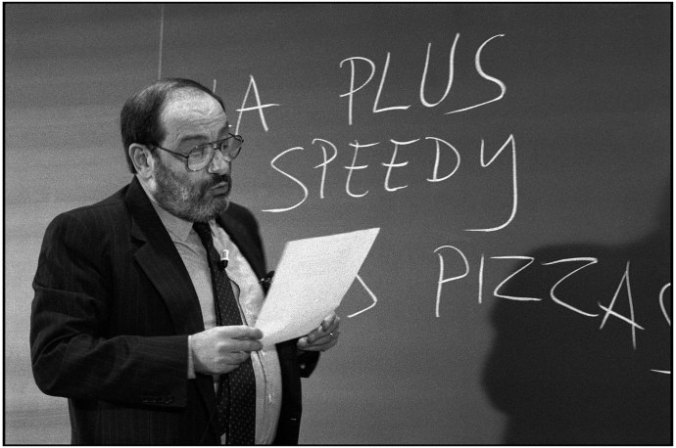
In “How to Write a Thesis,” Umberto Eco walks students through the craft and rewards of sustained research. CREDIT PHOTOGRAPH BY MARTINE FRANCK / MAGNUM

In “How to Write a Thesis,” Umberto Eco walks students through the craft and rewards of sustained research. CREDIT PHOTOGRAPH BY MARTINE FRANCK / MAGNUM

I have excerpted the first two paragraphs, and the last two, of a delightful and delightfully odd book review in order to finally extend an invitation to Umberto Eco that is long overdue. The review is odd only in the sense that the book was first published when I was a sophomore in high school, 20 years before I completed my doctoral dissertation (which I was working on 20 years ago), and is only now appearing in English for the first time, one year after my son completed his undergraduate honors thesis (the best advice we could send him back then was this).

The review is anything but odd, if you have been following our blog for the last four years.  It is about the effort required to understand sufficiently, and to communicate effectively, on a topic you care about–and provides some tricks of the trade that sound geared for university students but apply to members of our collective as well.  We are not in thesis mode at Raxa Collective. What we do is not theoretical, but grounded in the grind of hard work every day in our chosen profession. But we are in constant search mode for thesis-forged talent who know how to express themselves, to join us as interns or as employees (see Rosanna’s post for our latest talent acquisition in this spirit).

Umberto Eco is my favorite author, mainly because of one short book of his collected writings that I read when I was working on my doctoral dissertation. And mainly for that same book I extend to him an invitation to visit with us in Kerala, as our guest. Maybe I did not need the book reviewed below to complete my thesis, but I am sure I would have devoured it if given the opportunity at that time:

“How to Write a Thesis,” by Umberto Eco, first appeared on Italian bookshelves in 1977. For Eco, the playful philosopher and novelist best known for his work on semiotics, there was a practical reason for writing it. Up until 1999, a thesis of original research was required of every student pursuing the Italian equivalent of a bachelor’s degree. Collecting his thoughts on the thesis process would save him the trouble of reciting the same advice to students each year. Since its publication, “How to Write a Thesis” has gone through twenty-three editions in Italy and has been translated into at least seventeen languages. Its first English edition is only now available, in a translation by Caterina Mongiat Farina and Geoff Farina. Continue reading

There Is No Effective Resistance To This Charm

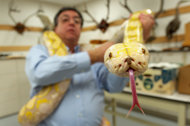
We cannot resist sharing the snake stories of our own team members, and we also seem to favor this related topic of domesticated wild creatures gone amok; a story whose variations, it is now clear to us, we will never tire of as long as Amie keeps finding gems like this, as long as Phil continues to post about entrepreneurial solutions, and as long as the New York Times does not tire of sending its best reporters on the occasional odd wild something chase:

retro-python-wildpets-thumbWideRETRO REPORT

The Snake That’s Eating Florida

Burmese pythons appear to be in the Florida Everglades to stay, just one of a number of unwanted animals that have invaded America.

The Mysteries Of Elena Ferrante

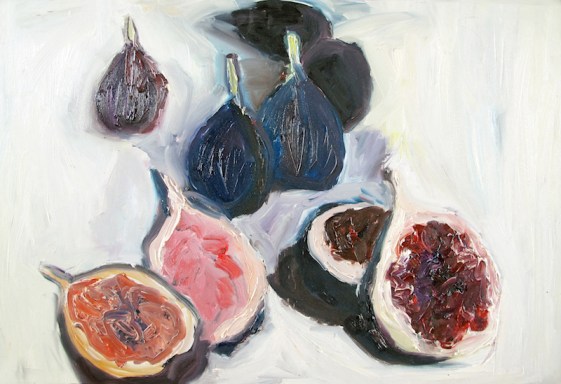
Path of Figs, 2012. Giulia Bianchi.

If you have not heard of Elena Ferrante before, you may want to start here, here, or here. But then come back here for this review. Thanks to the nplusone magazine website:

Those Like Us

On Elena Ferrante, by Dayna Tortorici,Issue 22: Conviction, Spring 2015

WHENEVER I HEAR someone speculate about the true identity of Elena Ferrante, the pseudonymous Italian novelist of international fame, a private joke unspools in my head. Who is she? the headlines ask. Don’t you know? I whisper. In my joke I’m sitting opposite someone important. The person promises not to tell, so I say:

She’s Lidia Neri.

She’s Pia Ciccione.

She’s Francesca Pelligrina. Domenica Augello.

Different names, every time, but the reaction is the same: a momentary light in the listener’s eyes that fades to bored disappointment. An Italian woman from Naples, whose name you wouldn’t know. Who did you expect?

Continue reading

The Extreme Present

Post_extremePresent1

We play a modern game by a modern set of rules, and just found that there is a name for the game–the extreme present–by listening to a few men and women discuss it on a stage in London recently. It is not our main game, but the game we play to enable our main game to succeed. We upload, we post, we tweet, we text and we otherwise try to catch your attention in order to have the chance to convince you that our issues should be your issues, and that you should come to our places to support our issues in those places.

We call our main game entrepreneurial conservation and we use modern communications technology, and its social media tools, and the whole bundle of scary social implications that come with those, to play that game. The scary social implications are not only in the form of people constantly looking and pecking at their smart phones.

Listen to this discussion to get the big picture. It takes a bit of effort to find the podcast of those men and women on the London stage, because as of this moment it is only available on iTunes, but we believe it will be worth the two extra minutes, and then the hour of listening. In iTunes paste this link, and then find the title below as one of the most recent podcasts:

THE EXTREME PRESENT: AN EVENING OF SELF-HELP FOR PLANET EARTH

With Shumon Basar, Douglas Coupland and Hans Ulrich Obrist

In the space of just 20 years, the internet has transformed us completely. It has changed not just the structure of our brains, but the structure of the planet. Our attention spans have narrowed to the length of a Beatles song. Our lives used to feel like stories; now they’ve collapsed to a perpetually refreshing stream of tweets and posts. We outsource our memory to the ‘Cloud’, and remember nothing we don’t have to. All that exists is immediately in the now. The internet, like all technologies, is not being shaped to resemble humans. Humans are being shaped to resemble the internet. Welcome to the age of the Extreme Present.

Continue reading

Dear Citizens Of Malta, Please Embrace The Ban

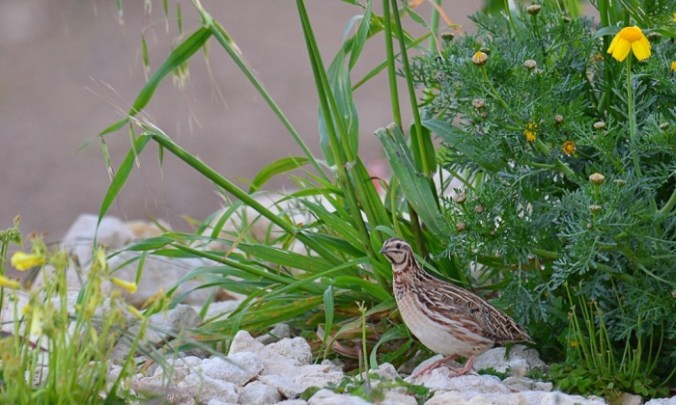
Activists say hunters use the currently legitimate spring season for hunting quails (above) to illegally hunt other birds. Photograph: Natalino Fenech

Activists say hunters use the currently legitimate spring season for hunting quails (above) to illegally hunt other birds. Photograph: Natalino Fenech

We have noted previously the odd (to us) behaviors that can be easily interpreted (not only by us) as abominable treatment of birds. It is not only a regional thing in the Mediterranean, this incomprehensible desire to decimate bird populations. From the Guardian, this news on the efforts of a dedicated group of activists:

Vote could see the spring hunting of birds such as quail and turtle doves, which is outlawed in the rest of the EU, banned in Malta

in Malta

Fiona Burrows is the kind of activist that hunters in Malta love to hate.

The Nottingham 30-year-old has been threatened, cursed at, and pushed around while doing the job she says she lives for: stealthily filming the illegal hunting of protected migratory birds and reporting perpetrators to the police.

Burrows takes precautions – she always parks her car facing an exit route and has even bought wigs to avoid detection by hunters – but she thinks these are probably not enough.

“Something bad is going to happen to me sooner or later,” she says. “It’s inevitable.” Continue reading

Foundation Earth, Randy Hayes, Cheaters and Fair Play

LogoTransp2We have not linked to this foundation before, but we have been listening to and reading Randy Hayes on the subject of climate change recently, and think this is a good primer to share about the foundation’s strategy and goals:

Toward A True-Cost Economic Model: Cheater Economics, Fair Play, & Long-Term Survival

Over the next century communities worldwide will experience an unprecedented shift of weather instability. Extreme weather events are ecological spasms often driving economic spasms and regional collapses. Concerned citizens and opinion leaders need to prepare before these eco-spasms proliferate. Far from being prepared, most leaders and power brokers are not mindful of the rethinking that is required. This working paper and appendix offers a brief economic vision, a set of economic principles, and list of problematic trends to help respond to the challenges as we work for a better day. –Randy Hayes

Mountains

Continue reading

The Great Golden Swallow Gear Review: Part 2

MSR Whisperlite International Stove V2:

Justin:  Referring to just the stove:  The whisperlite international is a darn good stove.  Lightweight, folds up nicely, and is relatively easy to set-up, maintain, and clean.  I purchased this stove because it can burn almost any flammable gas or liquid.  That’s imperative when you are traveling internationally.  The only change I would make would be to upgrade the ‘teeth’ on the three stands that hold your cookware so as to create more friction and lessen the likelihood of a pot or pan slipping off the stove.


MSR Standard Fuel Pump:

Justin:  This is an easy to use pump, but it requires more maintenance than one would desire.  Though the pump syringe never broke, it always felt weak to the touch.  The pump cup attached to the inner end of the syringe does not attach well to the syringe, while it also dries out over the course of several days.  Without lubrication and vigilance, that pump cup will slip off and/or rip if you’re not careful.  Once the cup has ripped, it will be impossible to build up pressure in the MSR bottle. Accessing the innards is also difficult, and requires at least four hands pushing and pulling at different pressure points at the same time.  Be sure to purchase the Whisperlite International service kit because you will need the spare parts.  After two solid months of use, I am thinking that I will now have to replace this unit entirely.  Continue reading

Understanding The Lost Decade Of Young Turtles

Turtles in the study were less than two years old; they can take 10-20 years to reach sexual maturity

Turtles in the study were less than two years old; they can take 10-20 years to reach sexual maturity

Thanks to the BBC for this story:

‘Lost’ sea turtles don’t go with the flow

A tracking study has shown that young sea turtles make a concerted effort to swim in particular directions, instead of drifting with ocean currents.

Baby turtles disappear at sea for up to a decade and it was once assumed that they spent these “lost years” drifting.

US researchers used satellite tags to track 44 wild, yearling turtles in the Gulf of Mexico and compared their movement with that of floating buoys. Continue reading

The Great Golden Swallow Gear Review: Part 1

A sea cave on the northern coast of Jamaica, where Cave Swallows nest.

We’ve finally put our heads together and written all our thoughts on the various articles of gear we brought with us to Jamaica for two months! Overall we were pretty pleased with everything we used, and would recommend them to the average backpacker except where it’s clear that we weren’t very satisfied.

GSI Outdoors Pinnacle Dualist Cookware Set:

Justin:  This cookware set has some big pro’s and some big con’s.  The fact that everything fits nicely together, and the entire unit is lightweight is definitely a plus.  However, a rogue surge of flame from our stove one night that came up high on the sides of the pot caused the pot to warp in shape (which is surprising because of its constant tolerance to high heat from below).  Therefore the lid never fit correctly again.  The bowls are solid and the two that come with a foam/elastic band around them are effective in keeping you from getting burned from hot contents within.  The folding handle of the pot is hazardous – perhaps there is a locking mechanism that we are unaware of or did not receive.  The two retracting sporks that come with the set are complete garbage.  The minute you attempt to ‘pierce’ a piece of food, the spork will retract and become useless.  Best to pawn these sporks off as a gift to a friend that you really don’t like much.

John: Hey, Seth, want a spoon?

Seth: Heck yeah! … … … hey, Justin, want a spoon?

Continue reading

Kathryn Schulz, Come To Kerala

Screen Shot 2015-04-10 at 6.14.56 AM

Past invitations have been sent to environmentally-oriented illustrators, to entrepreneurial conservation artists, to sandplay free spirits, to wildlife management scientists, and to food prodigies; but not enough attention has been paid, in our invitations, to word specialists. So, moving right along, Kathryn please be our guest. We would love to host you here and/or here and/or here.

We have not read the book in the link above, nor even a review of the book, but we are linking to its homepage because there you will find not only information about her book but also links to the two TED talks given by the author, whose profession is listed as Wrongologist. Catchy titles are not what catch us. Scintillating writing on the meaning of words does. For that, you could not do much better than starting here, which will also justify our invitation, as wordplay appreciators, to one of the best:

What Part of “No, Totally” Don’t You Understand?

BY KATHRYN SCHULZ

Not long ago, I walked into a friend’s kitchen and found her opening one of those evil, impossible-to-breach plastic blister packages with a can opener. This worked, and struck me as brilliant, but I mention it only to illustrate a characteristic that I admire in our species: given almost any entity, we will find a way to use it for something other than its intended purpose. We commandeer cafeteria trays to go sledding, “The Power Broker” to prop open the door, the Internet to look at kittens. We do this with words as well—time was, spam was just Spam—but, lately, we have gone in for a particularly dramatic appropriation. In certain situations, it seems, we have started using “no” to mean “yes.”

Here’s Lena Dunham demonstrating this development, during a conversation with the comedian Marc Maron on his podcast “WTF.” The two are talking about people who reflexively disparage modern art: Continue reading

Danish Can-Do Greenery

Screen Shot 2015-04-10 at 5.53.12 AM

Read a bit about their work, mission and invitation, and contagion takes on a new meaning:

Sustainia is a think tank and consultancy headquartered in Copenhagen, Denmark. We identify readily available sustainability solutions across the world and demonstrate their potential impacts and benefits in our work with cities, companies, and communities.

By focusing on innovative breakthroughs, inspiring alternatives and new opportunities, Sustainia is shaping a new narrative of optimism and hope for a sustainable future that seeks to motivate instead of scaring people with gloom and doomsday scenarios. Continue reading

Working To Survive, Alternate Edition

7_wide-3e7cde0913bd4deea8f50800b59f674482c45b98-s1300-c85

The St. James vineyard at the Abbey of New Clairvaux. The 20 brothers of the abbey belong to an order with a tradition of winemaking that dates back nearly 900 years. Lisa Morehouse for NPR

Thanks to the folks over at the salt, at NPR (USA):

Continue reading

From The Department Of Save It For Later

Screen Shot 2015-04-09 at 4.58.56 AM

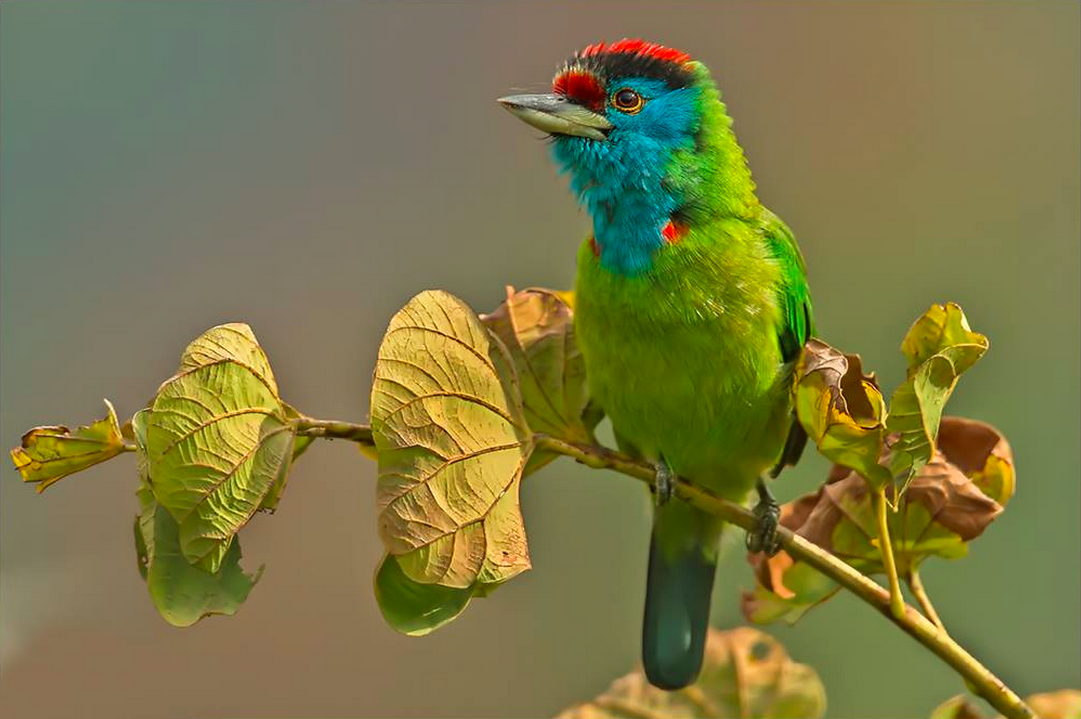
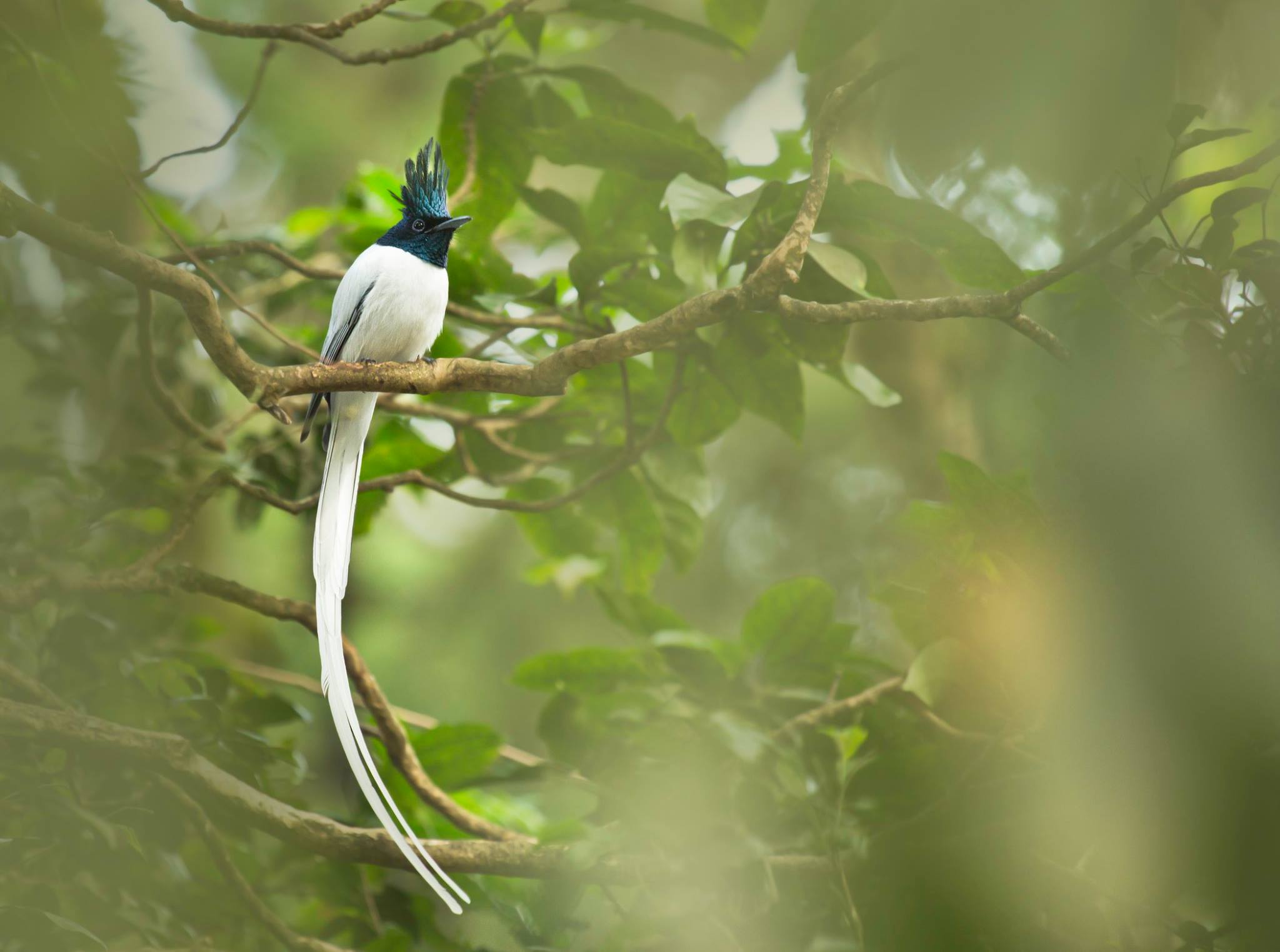
Anyone, anywhere, who believes that something is worth saving (preserving, conserving, protecting, etc.) enough to dedicate time and effort, among other resources, we are likely to support it however we can. Our Bird of the Day feature is an example that goes back to one man’s collection of photographs he took personally containing all the birds, endemic and otherwise, that inhabit and/or migrate through south India. This collection is part of his passionate commitment to wilderness conservation in Kerala and other neighboring states.

We asked, in 2011, if Vijaykumar would allow us to publish his photographs in the interest of promoting conservation. He said yes. By now we have probably published all of the collection as it was in 2011, but he is still photographing and contributing. And four years later we have talented birders, many of whom are also exceptional wildlife photographers, contributing their photographs from all over the world. Seth became an employee of the Cornell Lab of Ornithology that same year, and that has led to a whole bunch of other interesting bird-related posts that we host.

Meanwhile New York City has rarely been a subject we cover from a conservation perspective, though its Public Library is of special interest to us. We have not linked to Jeremiah’s blog previously, but it is the type we favor, as you might have noticed, so here goes. Maybe there is more NYC in store for us.

Continue reading