Green, Greener, Greenest–Which City? Says Who? And How?

260cd679-e63d-417f-84b1-be816cf7f658-2060x1236

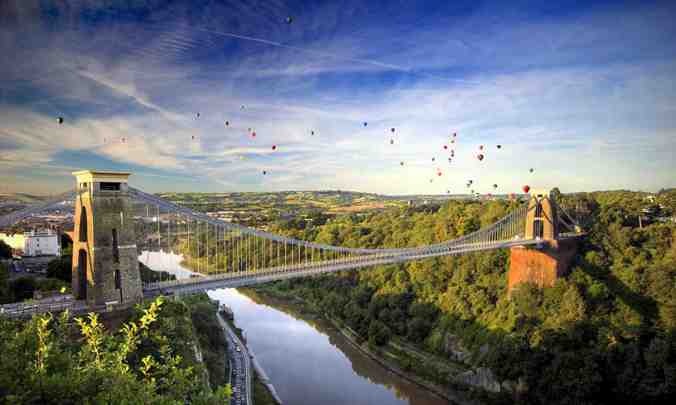
The Clifton Suspension Bridge in Bristol, 2015 Green Capital of Europe. Photograph: Destination Bristol.com/EPA

This is one of the environmentally-oriented rankings that many of us think about, from time to time, and then throw our hands in the air in frustration at the criteria used for judging green-ness, or what is often green-ish-ness. Thanks to the Guardian for asking the questions we want answered when it comes to rankings like this:

Where is the world’s greenest city?

Bristol is the ‘green capital’ of Europe, but its predecessor Copenhagen comes top in a Europe-wide index. Curitiba, San Francisco and Singapore all have strong eco-friendly claims too – so what’s the best way to compare cities’ greenness?

It’s easy to say we’d like our cities to be cleaner and greener. But what does that even mean? “Greenness” is a concept that’s hard to pin down – there’s no official list of the top 50 most eco-friendly cities, nor any widely agreed set of measurements for working out how green a city actually is.


Continue reading

Raxa Collective’s Activities & Model Replicability

ILLUSTRATION BY CHRISTOPH NIEMANN

ILLUSTRATION BY CHRISTOPH NIEMANN

A friend of Raxa Collective has a place in this story below, of which we share the first and last paragraph.  It does not matter who, or what role, just that it made us pay particular attention. And it rings true to us. Our work involves “first steps up” in emerging or re-emerging economies, at least those with remarkable patrimony and friendly people. First steps refers to stretching from what opportunities a place offered its community to a set of improved economic conditions (and related outcomes in health, education and other forms of welfare) for locals. We believe that what we do for a living is “a good place to start,” for many places:

In 1958, Laurance Rockefeller threw an inaugural party for Dorado Beach, his luxury resort on the northern coast of Puerto Rico. The guests included millionaires, politicians, and movie stars. Continue reading

Easter Is Upon Us, And Our Tastes Shift Accordingly

Remedying Americans’ resistance to lamb with a juicy roast that gets help from anchovies and butter. (Article plus video.)

Thanks to the New York Times‘ Food section for a reminder to try something new this particular holiday season:

RECIPE LAB

The Best Roast Lamb for Your Easter Feast

Remedying Americans’ resistance to lamb with a juicy roast that gets help from anchovies and butter. (Article plus video)

Where Are The Market Forces When We Need Them?

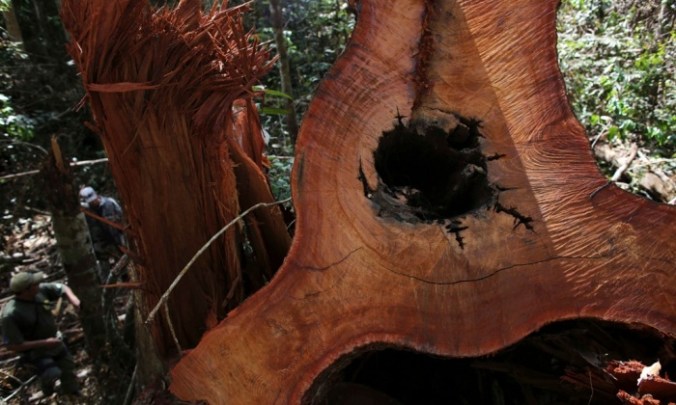
More than half of the world’s forest loss between 1990 and 2010 took place in Brazil and Indonesia. Photograph: Nacho Doce/Reuters

More than half of the world’s forest loss between 1990 and 2010 took place in Brazil and Indonesia. Photograph: Nacho Doce/Reuters

Thanks to the Guardian‘s environment-focused reporting for this sad evidence on the state of affairs:

Subsidies to industries that cause deforestation worth 100 times more than aid to prevent it

Brazil and Indonesia paid over $40bn in subsidies to industries that drive rainforest destruction between 2009 and 2012 – compared to $346m in conservation aid they received to protect forests, according to new research

Brazil and Indonesia spent over 100 times more in subsidies to industries that cause deforestation than they received in international conservation aid to prevent it, according to a report by the Overseas Development Institute (ODI).

The two countries handed out over $40bn (£27bn) in subsidies to the palm oil, timber, soy, beef and biofuels sectors between 2009 and 2012 – 126 times more than the $346m they received to preserve their rainforests from the United Nations’ (UN) REDD+ scheme, mostly from Norway and Germany.

Continue reading

Environmentalism, Puritanism and a Binocular View

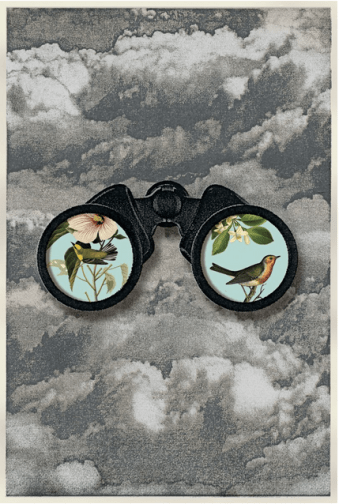
To slow global warming, we could blight every landscape with biofuel crops and wind turbines. But what about wildlife today? CREDIT ILLUSTRATION BY OLIVER MUNDAY

Jonathan Franzen, a writer who we have chosen to link to numerous times mainly because he is also clearly a bird guy, has a small masterpiece in this week’s New Yorker. Please, read it:

Last September, as someone who cares more about birds than the next man, I was following the story of the new stadium that the Twin Cities are building for their football Vikings. The stadium’s glass walls were expected to kill thousands of birds every year, and local bird-lovers had asked its sponsors to use a specially patterned glass to reduce collisions; the glass would have raised the stadium’s cost by one tenth of one per cent, and the sponsors had balked. Around the same time, the National Audubon Society issued a press release declaring climate change “the greatest threat” to American birds and warning that “nearly half ” of North America’s bird species were at risk of losing their habitats by 2080. Audubon’s announcement was credulously retransmitted by national and local media, including the Minneapolis Star Tribune, whose blogger on bird-related subjects, Jim Williams, drew the inevitable inference: Why argue about stadium glass when the real threat to birds was climate change? In comparison, Williams said, a few thousand bird deaths would be “nothing.” Continue reading

Citizen Farmers

Photo credit: Pattie Baker

Photo credit: Pattie Baker

As we “plant to the menu” at Marari Pearl we’re constantly looking at the inspiring stories of people who make the choice to stay connected with the land and the food we eat.

We met “Farmer D” when we participated in a newly created community garden while living near Atlanta. He and his family are now sowing seeds in California, and we know that he continues to spread the fruitful good word.

ABOUT THE BOOK
Biodynamic farming, with its focus on ecological sustainability, has emerged as the gold standard in the organic gardening movement. Daron Joffe (known as Farmer D) has made it his mission to empower, educate, and inspire people to become conscientious consumers, citizens, and stewards of the land. In this engaging call to action, Farmer D teaches us to not only create sustainable gardens but also to develop a more holistic, community-minded approach to how our food is grown and how we live our lives in balance with nature. Continue reading

Waste Less, Want Less, Lean In, Pop Up

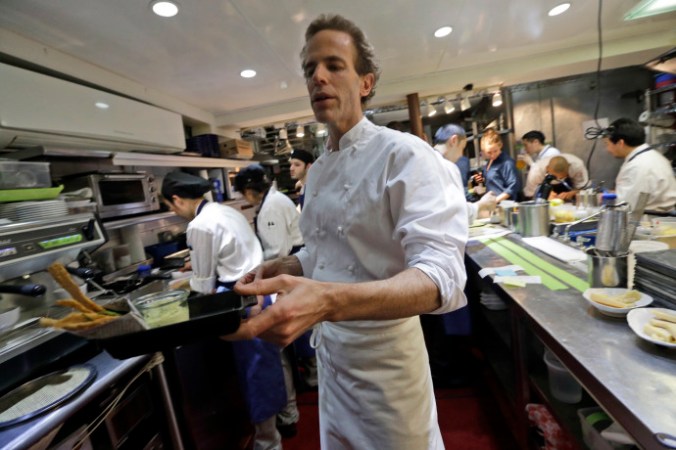
In this Thursday, March 19, 2015 photo, chef Dan Barber hands a waiter an order of fried skate wing cartilage with smoked whitefish head tartar sauce at WastED in New York. Dishes using scraps and other ignored bits comprise the menu at chef Dan Barber's WastED, a pop-up project at one of his Blue Hill restaurants intended to shed light on the waste of food. (AP Photo/Mary Altaffer)

In this Thursday, March 19, 2015 photo, chef Dan Barber hands a waiter an order of fried skate wing cartilage with smoked whitefish head tartar sauce at WastED in New York. Dishes using scraps and other ignored bits comprise the menu at chef Dan Barber’s WastED, a pop-up project at one of his Blue Hill restaurants intended to shed light on the waste of food. (AP Photo/Mary Altaffer)

Thanks to Hannah Goldfield for this post:

The other night, as I ate a salad at Blue Hill, in the West Village, a server approached my table with an iPad. “Have you seen this?” she asked. “Chef wanted you to see this.” By “Chef,” she meant Dan Barber, the man behind Blue Hill and Blue Hill Stone Barns, a sister restaurant and farm upstate. By “this,” she meant a photograph of a dumpster, into which a chute was depositing an enormous quantity of multi-colored scraps of fruit and vegetables—the runoff from a commercial food processor. The experience felt something similar to being shown a picture of what would happen to a sad-eyed old horse if you didn’t save it from the glue factory. Sitting in a small, enamel casserole dish in front of me were fruit and vegetable scraps that Barber had rescued, just like the ones in the photo. Arranged in an artful tangle, bits of carrot, apple, and pear were dressed with a creamy green emulsion, studded with pistachios, and garnished with a foamy pouf that turned out to be the liquid from canned chickpeas, whipped into haute cuisine. Continue reading

Orcas In Captivity, Reviewed

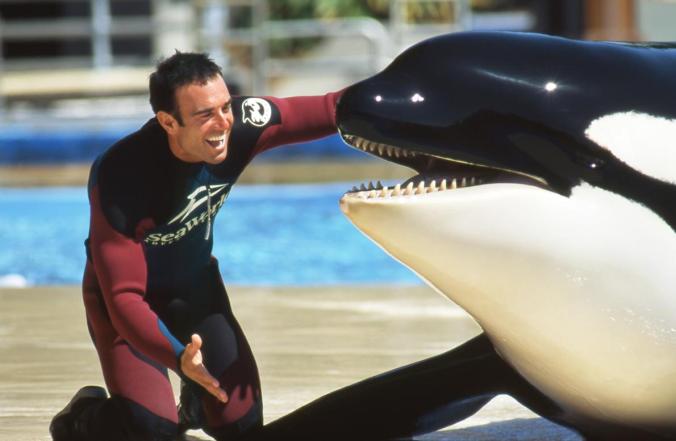
Author John Hargrove interacts with Kasatka during a show at SeaWorld. He calls her “the most dangerous whale in the corporation.” PHOTOGRAPH BY MELISSA HARGROVE

Author John Hargrove interacts with Kasatka during a show at SeaWorld. He calls her “the most dangerous whale in the corporation.” PHOTOGRAPH BY MELISSA HARGROVE

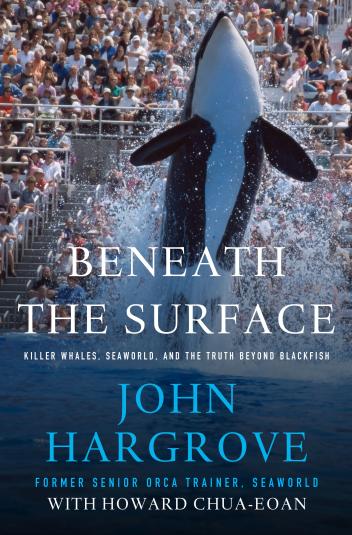
A book we had heard about, finally reviewed in a publication where it belongs to be taken seriously by a global audience of concerned citizens:

Former Trainer Slams SeaWorld for Cruel Treatment of Orcas

Author says the damage to these animals in the name of entertainment and profit is morally and ethically unacceptable.

By Simon Worrall, National Geographic

Continue reading

H Is For Hawk, Reviewed

We already posted on this book earlier this month, but there is no question it deserves more attention. This time the attention comes in the form of a book review at the Cornell Lab of Ornithology’s blog, All About Birds from an “insider” (at two levels, including lifelong falconer and someone who edits one of the leading magazine’s for bird-oriented readers):

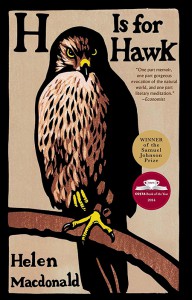
H_is_for_Hawk_cover450-192x300By Tim Gallagher, editor of Living Bird magazine

Last fall, a remarkable memoir called H is for Hawk, by Helen Macdonald, took the United Kingdom by storm, winning two prestigious awards and rising to the top of the bestseller list. It’s just been released in the U.S. and promises to do the same here. Last fall, our own Living Birdmagazine published a review that highlighted Macdonald’s lyrical writing —but as a lifelong falconer I also give her high marks for providing a window into the minds of falconers and their birds.

Continue reading

Simple Beauty In Water

27mag-look-toshio-slide-FQI3-thumbWideFrom this week’s New York Times Magazine, a collection of sublime photographs:

Toshio Shibata’s Mesmerizing Photographs of Water

The Japanese photographer finds sublime beauty in unlikely landscapes.

Don’t Go Away Mad, Just Go Away

koch_sitegraphic-830x467

The Koch brothers are a wondrous phenomenon. You probably knew that. What can you do (?), you might ask. We know the feeling. Well, here is something. A public service announcement from our colleagues at EcoWatch, linking to a petition effort worthy of your consideration:

The Natural History Museum just released an unprecedented letter signed by the world’s top scientists, including several Nobel laureates, calling on science and natural history museums to cut all ties to the fossil fuel industry.

The letter comes on the heels of recent news that Smithsonian-affiliated scientist Willie Soon took $1.25 million from the Koch brothers, Exxon Mobil, American Petroleum Institute and other covert funders to publish junk science denying man-made climate change, and failed to disclose any funding-related conflicts of interest.

In particular, it points a finger at the Smithsonian National Museum of Natural History (D.C.) and the American Museum of Natural History (NY), where David Koch is a member of the board, a major donor and exhibit sponsor.

Oil mogul David Koch sits on the boards of our nation’s largest and most respected natural history museums, while he bankrolls groups that deny climate science.

Sign this petition to the Smithsonian and the American Museum of Natural History: It’s time to get science deniers out of science museums. Kick Koch off the Board! Continue reading

Big Goals About Basic Things

In response to this successful project, the Gates Foundation recently approved a two-year grant to Kohler to design and fabricate five closed-loop flush toilet systems for field testing in developing world locations that do not have adequate sanitation. Kohler

Some of the things many of us take for granted in the “developed” world – access to toilets and clean drinking water among them, are daily challenges for many living in the “developing” world. India’s new prime minister set a challenge for a Clean India by 2019, which will include 100 million toilets across the country. The goals coincide well with the Bill and Melinda Gates Foundation’s Reinvent the Toilet Challenge, and Kohler’s production of a closed loop toilet system design created by Caltech University that is already coming on line in test areas in India. Continue reading

Blue Mountain Peak

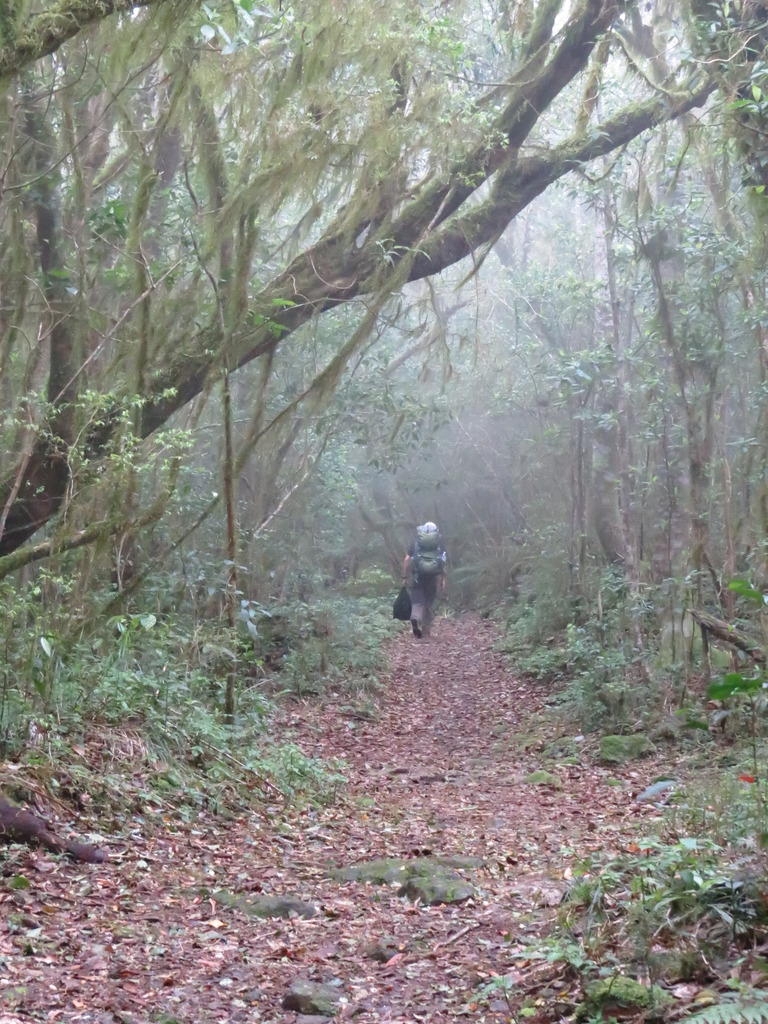
John walking down the mossy forest path

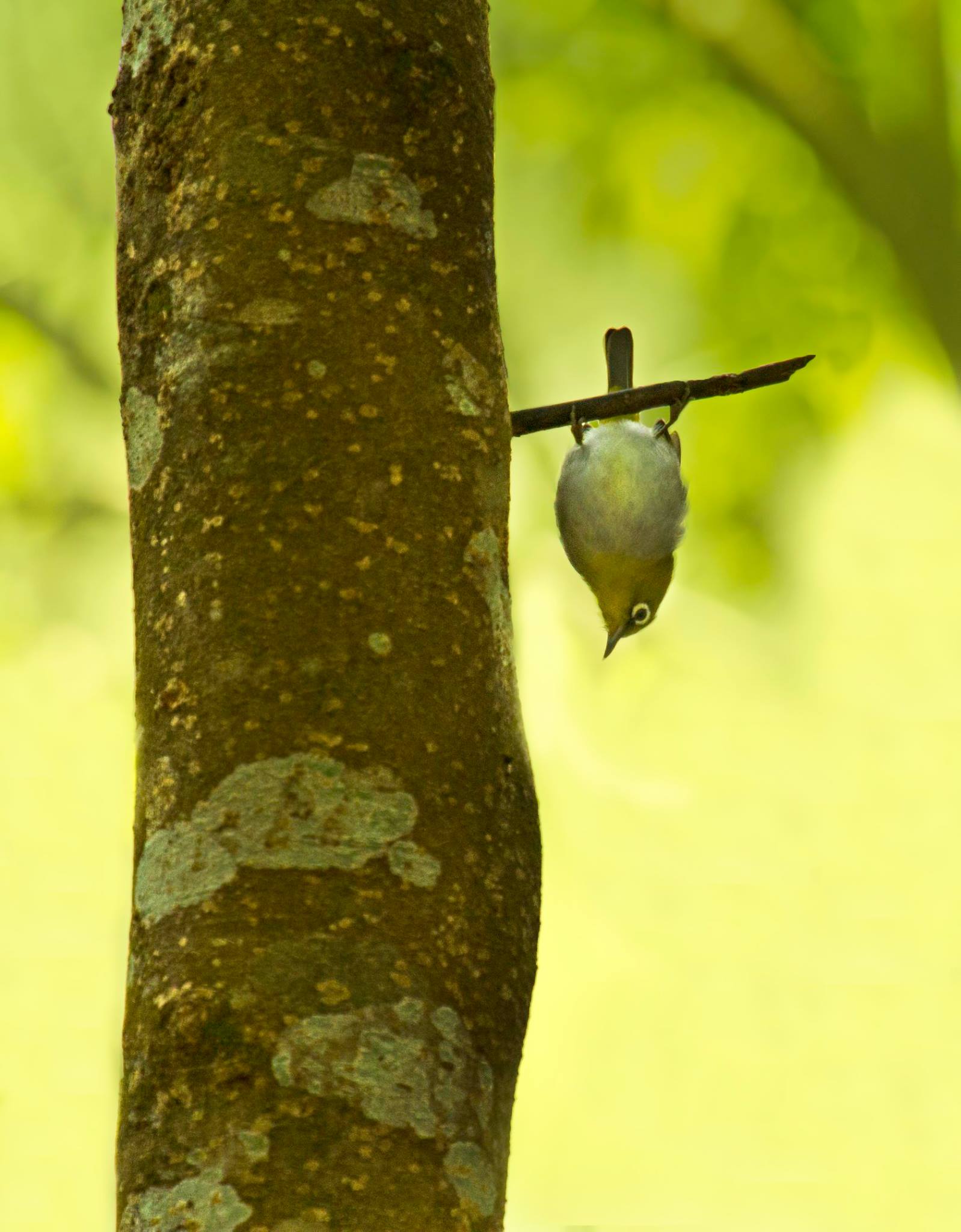
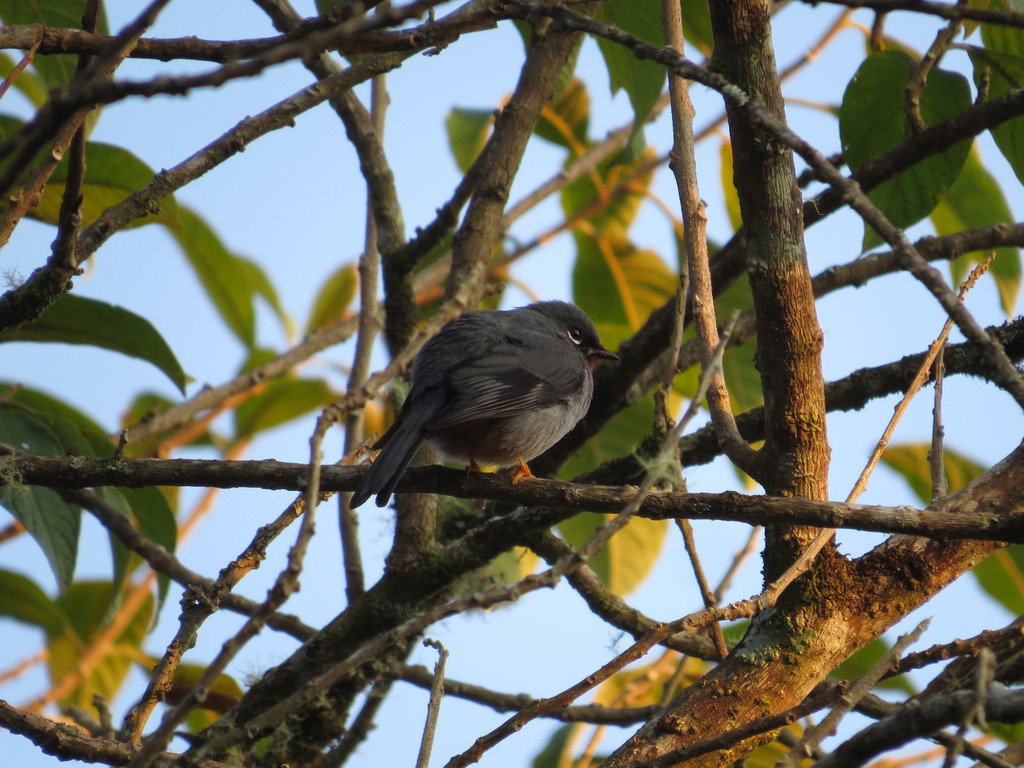
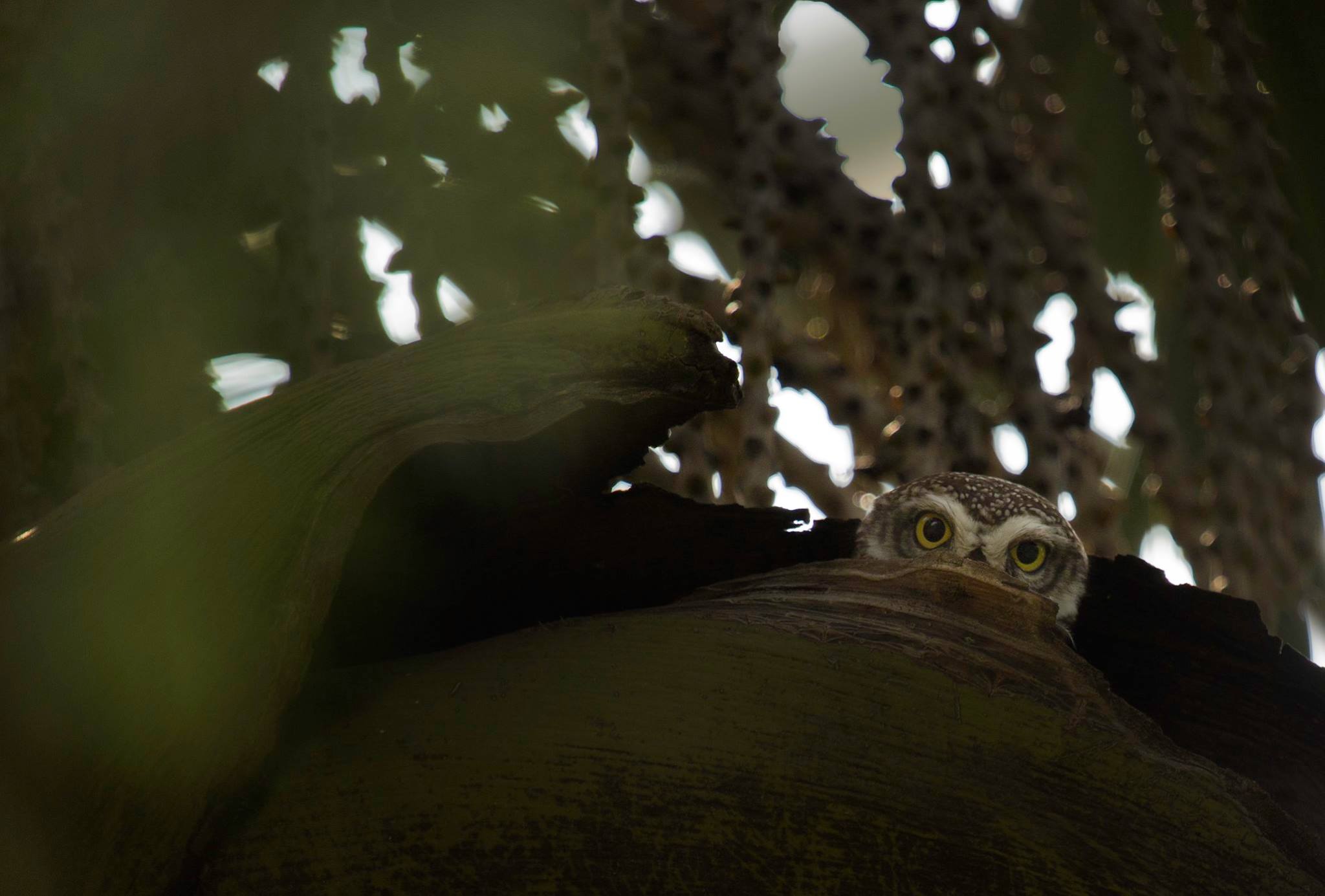
Last week, we hiked up to Blue Mountain Peak, the highest point in Jamaica. To reach the summit, you have to go through Portland Gap, a saddle between Mossman’s and Blue Mountain Peaks and a good point for camping out if you want to do the hike in the morning. Starting with all our camping gear on our backs at the trailhead around 4,185ft, we took a brisk hour’s hike to Portland Gap, gaining 1,356ft of elevation in the process. We set up our tents at Portland Gap, an area with the most Rufous-throated Solitaires we’ve seen so far – they’re very shy birds and are most often only heard, their haunting whistles echoing eerily over valleys and through the forest.

An elusive Rufous-throated Solitaire at Portland Gap

The Gap also ended up being a great spot to see Continue reading

To The Forest, Once Again

Screen Shot 2015-03-28 at 7.05.16 AM

Oliver Sacks, this week, shares a very brief, but powerful reverie that also brings our attention to the man above and the book below.  All seem worthy of your time:

Driving down Ninth Avenue, choking on diesel fumes from a truck just ahead of us, I say to my friend Billy (he is exactly two-thirds my age), “I wonder whether you will see the end of internal-combustion engines, the end of oil, a cleaner world.”

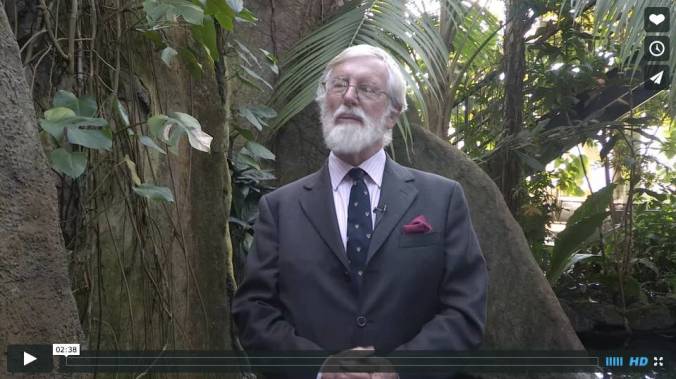
Screen Shot 2015-03-28 at 7.14.40 AMA cleaner world. The thought zooms me away from Ninth Avenue to a forest world—in particular, to the one described in “That Glorious Forest,” Sir Ghillean Prance’s book about his thirty-nine visits to the Amazon in the past fifty years. Prance, one of our greatest tropical botanists, is very much in the tradition of Henry Walter Bates and Alfred Russel Wallace and Richard Spruce, who charted the region in the eighteen-fifties. But Prance’s is not just a botanical eye: he sees what we are doing to the Amazon and its many peoples; he speaks for conservation Continue reading

The Simple Things

When we find ourselves absolutely overwhelmed by the complexities, demands, and irrational expectations surrounding field work, it’s really nice to remember the simple things – and within them, find peace of mind, stability, and renewed strength.

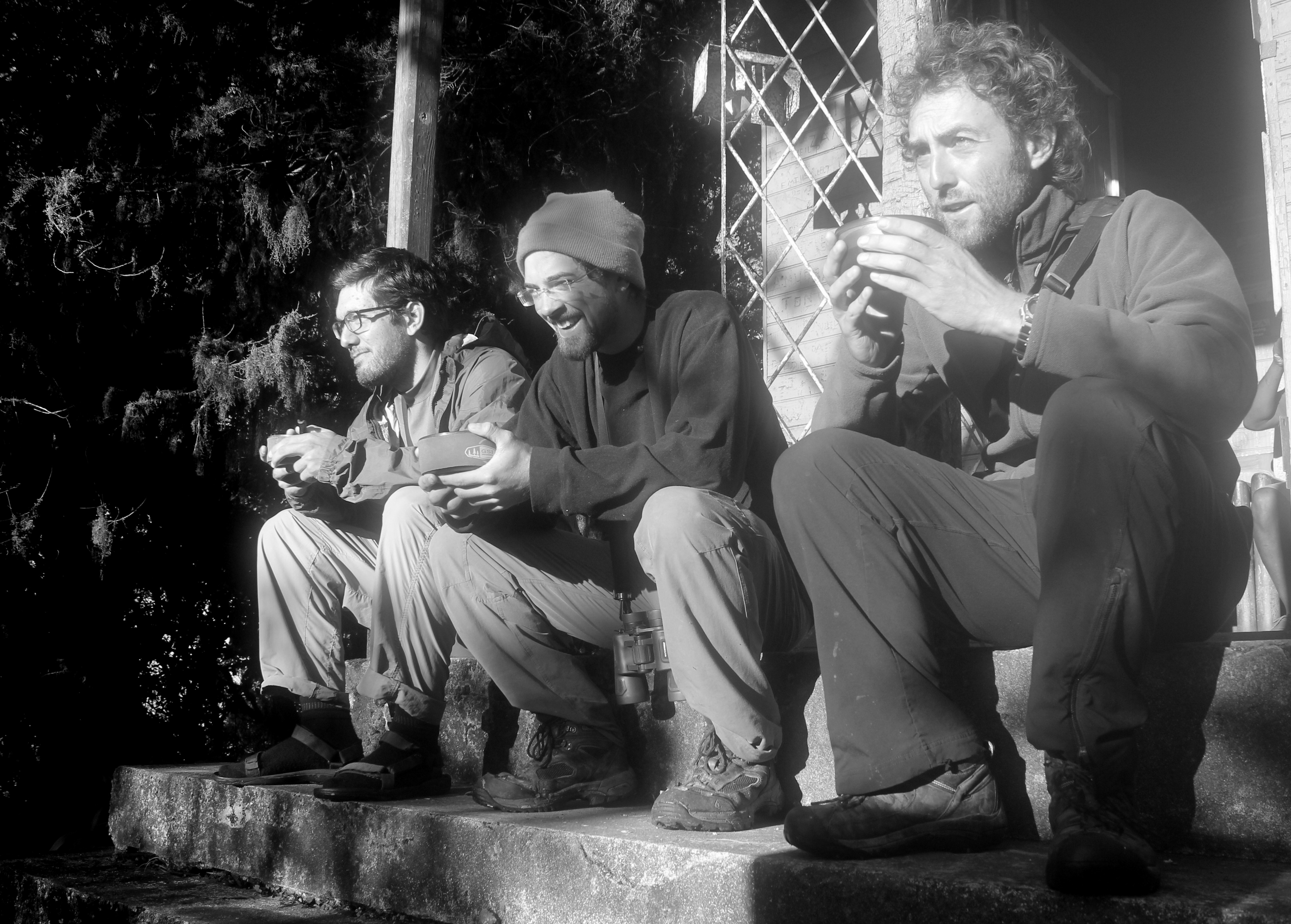
Waking up early enough so as not to have to rush through a French-press filled with Blue Mountain coffee is a must.  It’s 10 minutes of tranquility, when one can sit with friends, contemplate the day’s tasks, and appreciate the scenery you’ve missed while rushing from one place to the next.

And what about those incredibly infrequent times that the birds come to you?   Continue reading