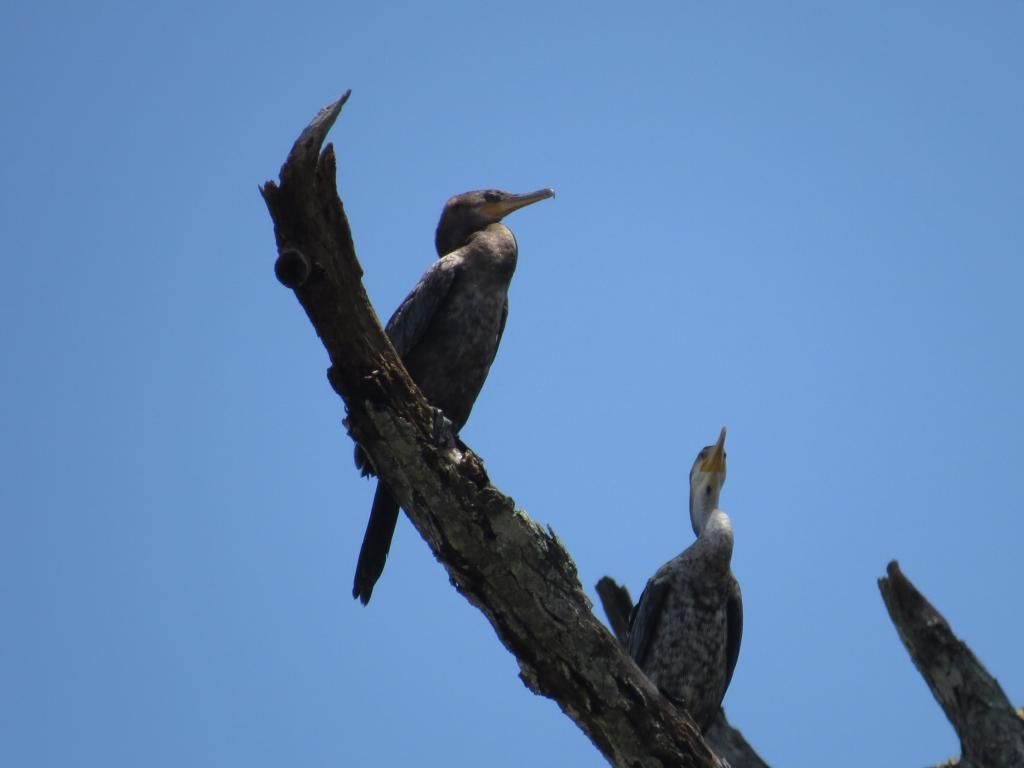
Darter “Spear Fishing”

This slideshow requires JavaScript.

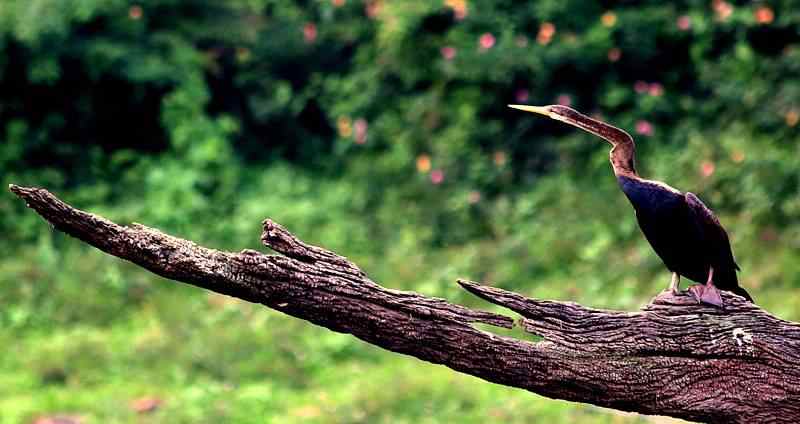
Today’s birding was at Hebbal lake with the Bangalore “bngbirds” birding forum. It was a cold, misty morning with relatively little bird activity. We saw some cormorants, herons, moorhens and a darter as we moved on.

Then, all of a sudden, there was some action that made my day! A Darter hunting!

I hope you enjoy this “blow by blow” account as much as I did!

Seed to Cup Tea Experience

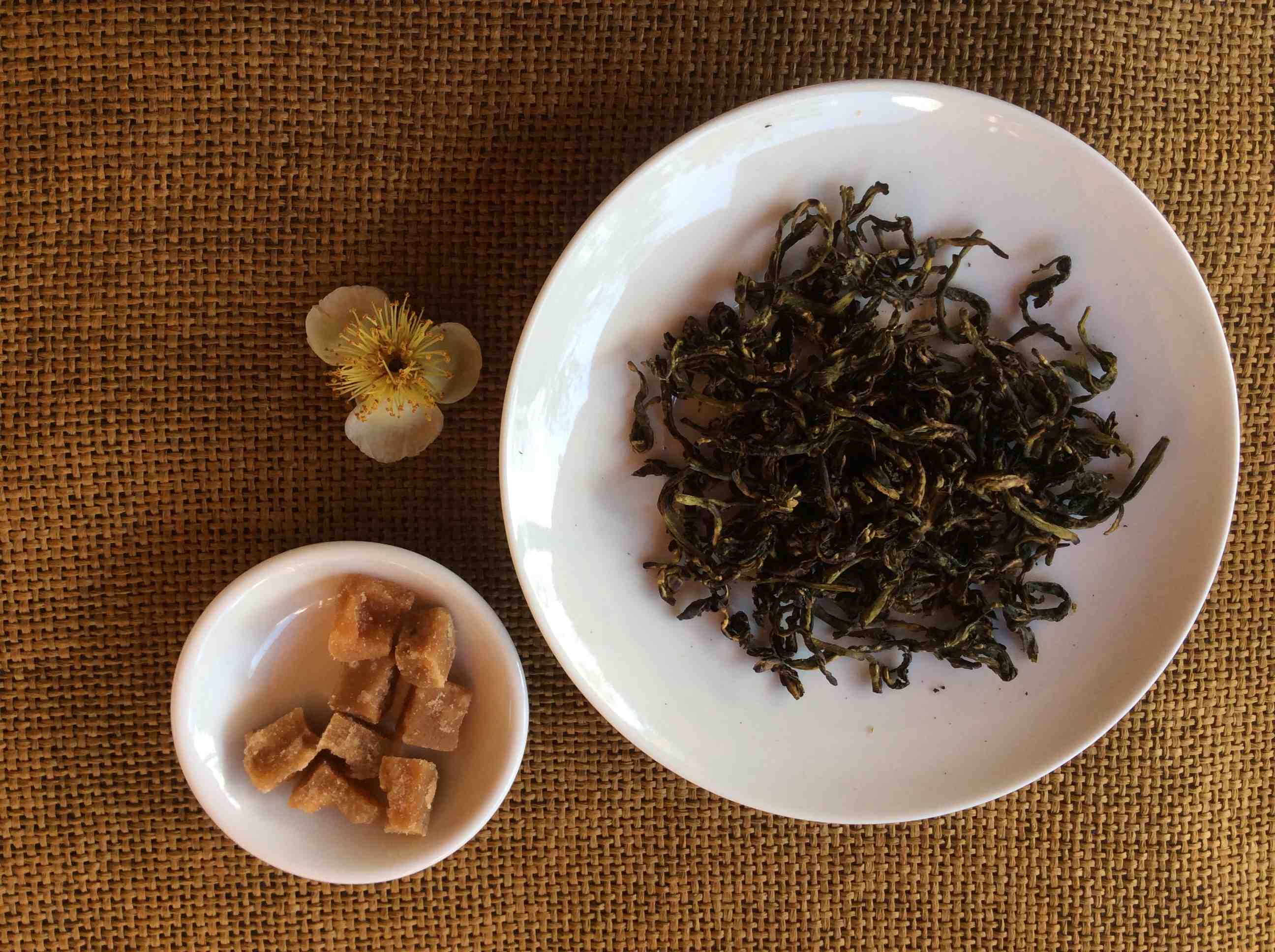
Roasted Assam Tea "nibble" with cane sugar

Roasted Assam Tea “nibble” with cane sugar

Our time in Thailand included a range of sensory experiences, one of which was tea. One might think that living in India, we have little more to learn about tea, but that is far from the truth. Our experience with tea in our adopted home has been more visual than experiential; drives through the beautiful, sculpted tea landscapes of Munnar, or the tea tours near Thekkady, for example.

In the northern Thailand we visited a 60-hectare tea plantation near the Lisu Hilltribe village in Chaing Mai Province. One of the oldest plantations in the country, the owners are working on expanding the quantity of tea produced while offering the full range of tea experience for visitors, from planting a seed that will be lovingly cared for over a 2-year period before being transplanted, to hand plucking the tender green “silver tips” of the tea, Continue reading →

Preservation Of Language

We have posted on the topic of intangible patrimony and include it in our explanation of entrepreneurial conservation; the topic extends to our interest in reading and the liberal arts. Below is a link to an op-ed piece published today, penned by a savvy academic whose primary focus is language, that we consider worthy of the brief reading time, even if you are not a language fanatic:

07gray-thumbWideGRAY MATTER

Why Save a Language?

Who’s Got Your Back, Long Term?

Stewartjp-mediumThreeByTwo210We read both publications regularly, and find that both cover environmental issues well, as such; but the difference between this New York Times article and the New Yorker post we started the day with speaks for itself. We understand the purpose of the article below meeting current needs, but do we really need our news to be so parochial? Sorry, Times. You will have to work harder for your subscription money.

Steep Slide in Oil Prices Is Blessing for Most

If history is any guide, it’s hard to see falling oil prices as anything but good news for everyone whose fortunes aren’t tied to oil.

Culture Of Hack

9781781685839_Hacker__hoaxer-294b89cbd6b3950d9cdbfb0e39e66884We are the antithesis of radical, in the political science and political activism sense of that word. We have been more incremental, often experimental and necessarily patient in our approach to entrepreneurial conservation than political radicals are in their approach to social change. Working with children, as we often do in our community outreach, we use methods appropriate to the situations. We sometimes say, perhaps just in the spirit of cheekiness, that we “hack” solutions in remote locations. We even say sometimes that the outcome is “radical.”

But that is the slang use of the word, just as we once called skateboarding or ball-dribbling moves in football “wicked.” We aspire to neither radical nor wicked outcomes in our day to day work, in the proper definitions of those words. Still, as with Mr. Watson, whose methods are different from ours but his objectives are akin, this review of Hacker, Hoaxer, Whistleblower, Spy: The Many Faces of Anonymous in the current issue of Book Forum helps us see some recognizable objectives in this particular culture of hack (with plenty of notable exceptions, as the review makes plain to anyone who regularly reads our blog):

By Any Memes Necessary

An inside look at the hacking group Anonymous reveals a boisterous culture of dissent and debate

ASTRA TAYLOR

THE FIRST TIME I SAW Gabriella Coleman speak about the hacker group Anonymous I was befuddled. It must have been around 2009. Anonymous was already at least three years old, having materialized out of the bowels of the popular, and often excruciatingly obscene, online bulletin board 4chan as early as 2006, yet it was still known mostly for its antisocial pranks.  Continue reading →

And the Winners Are…

Employees and guests at Xandari have voted over the last two weeks, and now we have our final fourteen: two winners from each grade, and four from 6th grade. Thank you to those of our readers who took the time to vote in our selection process as well!

Today the students had a Continue reading →

Doses Of Truth On Oil Prices, Alternative Energy And Climate Change

PHOTOGRAPH BY DANIEL ACKER/BLOOMBERG VIA GETTY

PHOTOGRAPH BY DANIEL ACKER/BLOOMBERG VIA GETTY

There is a quarter hour podcast about the Lima climate change talks that is as good as it gets in terms of bringing complex issues to a bearable level of simplicity (spoiler alert: our maven of doom is at her best in terms of realism), and that dose of information pairs well with this dose by Michael Specter, the New Yorker‘s other “tough truths” guy:

Just before the turn of the millennium, I met a man who had recently invested a fortune in wind power. He said he wanted to do all that he could to slow the course of climate change. He was also convinced that, as the world began to run out of oil, alternative sources of energy would offer a unique entrepreneurial opportunity. “Oil prices will fluctuate for a while,” he told me. “But, eventually, they can only move in one direction. Up. Oil is a finite resource and, as supplies dwindle, the costs will have to rise. That will make alternatives like wind power much more attractive.” Continue reading →

Xandari’s Holiday Tree is Up and Running


A homemade “loomi” lamp


Like any other tree acquired this time of year, Xandari’s holiday tree had to be put on the roof of a car — in this case, the resort’s golfcart — to transport it up to the lobby area from its site of construction. We snaked an LED “hose” through most of the paper lanterns in the bamboo structure, and now we have balsa-wood bird ornaments made by Costa Rican artists (these birds normally hang in our gift shop). Finally, I made a modular paper lamp recycled from old manila folders (template and how-to pending, but the lamp is basically a DIY Loomi light).

Tomorrow, when I finish the second loomi tree “star,” I’ll put up photos of the smaller tree that Edwin and I made for the Xandari Spa.

Continue reading →

Birds, Shakespeare & Ecology

Screen Shot 2014-12-05 at 5.11.25 AM

Thanks to National Public Radio for this story of unusual collaboration:

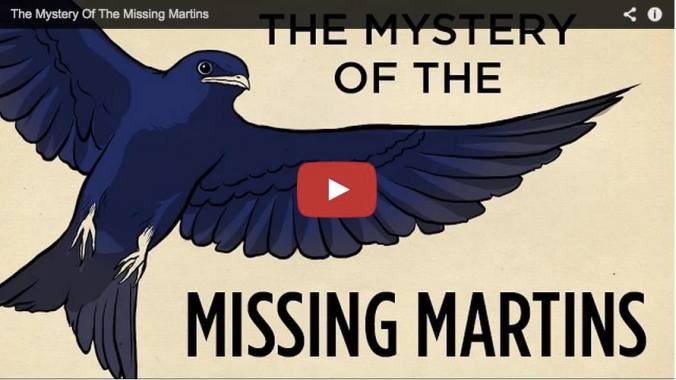
The Mystery Of The Missing Martins

When half a million songbirds didn’t show up at their usual roosting spot this summer, I went looking for them. My search took me to the back roads of South Carolina, where I saw firsthand evidence of Shakespeare’s influence on American ecology, met a society of strangely enthusiastic landlords, and learned a bizarre fact about the missing birds: They don’t nest in nature anymore. They only breed in houses provided by humans.

Keep On Truckin’ 350!

Bill McKibben: ‘I’d rather be causing more trouble more directly, as well as doing some writing’ Photograph: Graeme Robertson

Bill McKibben: ‘I’d rather be causing more trouble more directly, as well as doing some writing’ Photograph: Graeme Robertson

that tag line in the title of this post is directed specifically at the organization, for reasons the article below makes clear, but we extend the sentiment equally to one of our most admired and favorite heroes due to his relentless activism:

Keystone XL opponent Bill McKibben steps down as head of 350.org

‘I’ve had enough years of reviewing budgets’ says US author and climate activist as he steps down from leadership role

The author Bill McKibben, who founded a new generation of environmental activism in the Keystone XL pipeline and divestment campaigns, is stepping down from the daily leadership of his 350.org organisation.

Continue reading →

Bosque del Cabo and Xandari

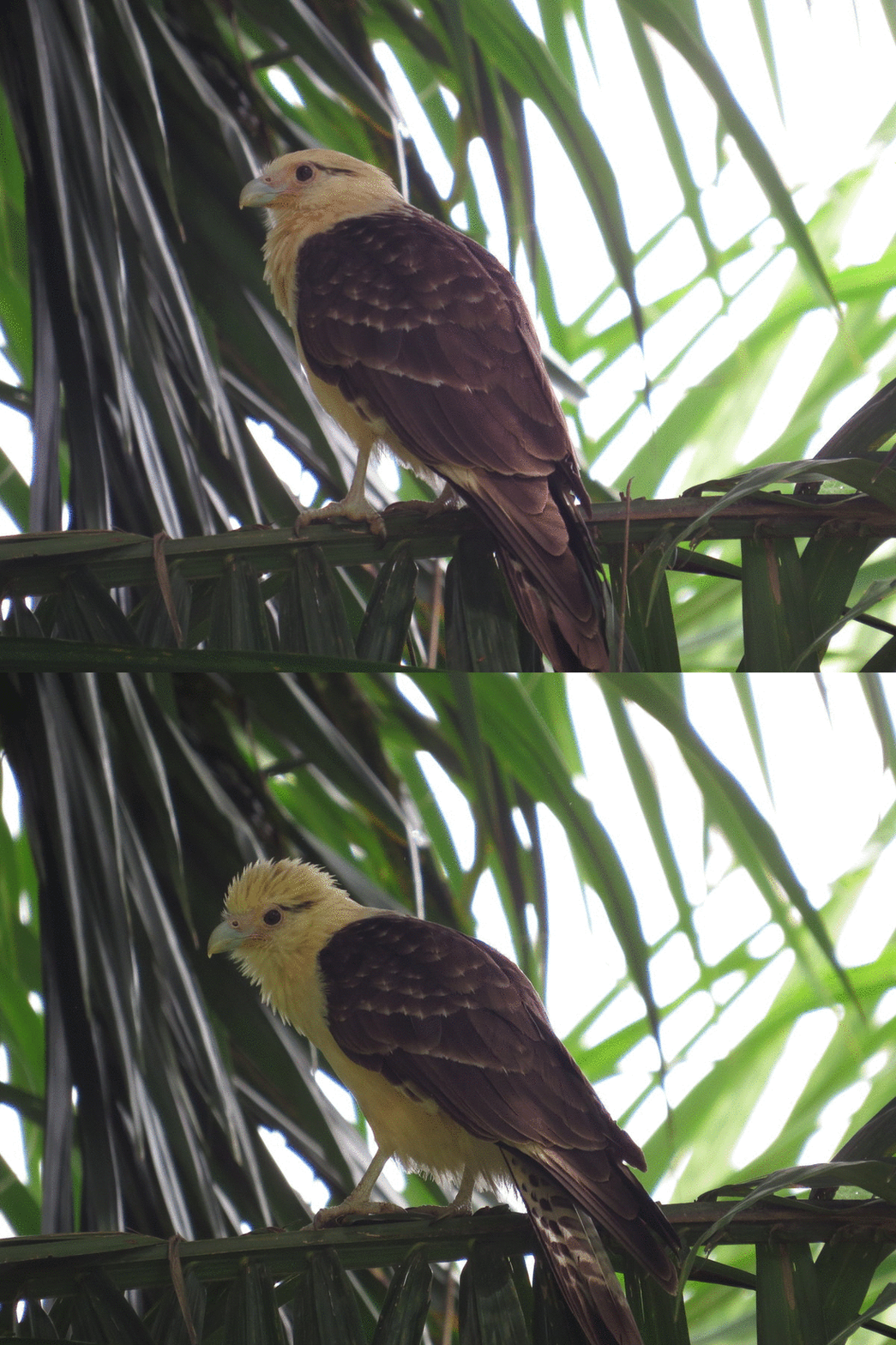
A Yellow-headed Caracara raising its head feathers

A Yellow-headed Caracara raising its crest at Bosque

I’ve posted before on the beauty of Bosque del Cabo and some of the wildlife that my family and I spotted when we were there just about a month ago, but at the time I didn’t touch on the complementarity of the coastal rainforest nature lodge with Xandari Resort in the Central Valley, where I’ve been based the last six months.

My first experience of the compatibility between Bosque del Cabo and Xandari was vicarious. One of my good friends at Cornell knew that I had lived in Costa Rica and asked for advice on places to stay for his parents and younger sister over spring break (unfortunately, he had to stay in Ithaca for varsity athletics). Of course, my first recommendation was Xandari Continue reading →

Luxury, Heritage, Authenticity And Progress

A plan to turn the old Samaritaine department store into a five-star hotel is at the center of a debate about what Paris is becoming. CREDIT PHOTOGRAPH BY DENIS ALLARD / REA / REDUX

A plan to turn the old Samaritaine department store into a five-star hotel is at the center of a debate about what Paris is becoming. CREDIT PHOTOGRAPH BY DENIS ALLARD / REA / REDUX

One of the great essayists of our time on a topic we find hitting very close to home as an organization that recycles usage of places in a manner that generates profit, to support conservation, looking forward while trying to retain the core of authenticity:

The Pont des Arts, in Paris, is a steel-and-wood footbridge that connects Left Bank to Right—or, more important to its history and its name, connects the École des Beaux-Arts, where generations of French artists were told how to draw, to the Louvre, where generations went to find out how to look. It was, until relatively recently, a soulful and solitary passerelle, where one could stand for hours in winter, mostly alone, staring out at the view west toward the older, stone parapet of the Pont Royal and the Eiffel Tower, or east toward Notre-Dame and the sharp-jawed Île de la Cité. The view north, toward the Right Bank, remained, until the end of the twentieth century, interestingly mixed, with the newly cleaned Cour Carrée of the Louvre straight ahead and, just to the right, the shiplike prow of the Samaritaine department store, proudly flying a couple of pennants from its top.

In the past nine years, all that has changed. Continue reading →

Gifts That Give Back, Often In More Ways Than One

Each item, including boots from Guatemala, a basket from Rwanda and a soda can cuff from Kenya, are handmade. And when people buy these gifts, the profits go back to the artisans and their community. Courtesy of Teysha; Indego Africa; Serrv

Each item, including boots from Guatemala, a basket from Rwanda and a soda can cuff from Kenya, are handmade. And when people buy these gifts, the profits go back to the artisans and their community. Courtesy of Teysha; Indego Africa; Serrv

Thanks to National Public Radio (USA) for this coverage of artisanal products that use materials that might otherwise be called waste, all of which channel resources to where they are most needed, a topic we never tire of reading about:

After you’ve seized all the deals on Black Friday, Small Business Saturday and Cyber Monday, it’s giveback time.

Today is Giving Tuesday, the day that asks people to donate to a good cause. This online campaign was created three years ago by the 92nd Street Y, a cultural and community center in New York, with the support of a slew of partners, including entrepreneurs, philanthropists and the United Nations. The idea is that you can kick off the holiday season by donating your money or time. At least $32.3 million was donated on Giving Tuesday 2013, according to a survey by the trade publication NonProfit Times.

But if you’re still in an acquisitive mood, there are ways to shop altruistically. There are nonprofits and even companies that sell handmade products whose profits go back to artisans and toward community projects in poorer countries. Continue reading →

The Sweeping View, For Historians And Non-Historians Alike

Photograph by Charlie Mahoney: Sven Beckert

Photograph by Charlie Mahoney: Sven Beckert

The historians among our contributors, as well as the many readers who seem most oriented to those posts, will find this article from Harvard magazine in synch with many of our non-history stories and posts on this blog. These “sweeping” views are a daily recurring theme for many of us who have worked in more than one region of the world:

The New Histories

Scholars pursue sweeping new interpretations of the human past.

IN MAY 1968, the university’s students wanted to change the world. Left-thinking ideologies like Maoism and socialism were in their minds, and “Vietnam” was on their lips. They went on strike, skipping classes and exams. They rioted and clashed with police. One student was killed, 900 arrested.

If this sounds like a scene from Kent State, where student demonstrators were killed two years later, that is because the May 1968 unrest at the University of Dakar in Senegal was part of the same general mood around the world that moved students to protest, says Omar Gueye, professor of history at Cheikh Anta Diop University in Dakar. Gueye spent six months at Harvard during the 2013-14 academic year as a postdoctoral fellow at the Weatherhead Initiative on Global History (WIGH), a program premised on the belief that events like these—not unlike the seemingly contagious uprisings of the Arab Spring—can be fully understood only in a global context. Continue reading →

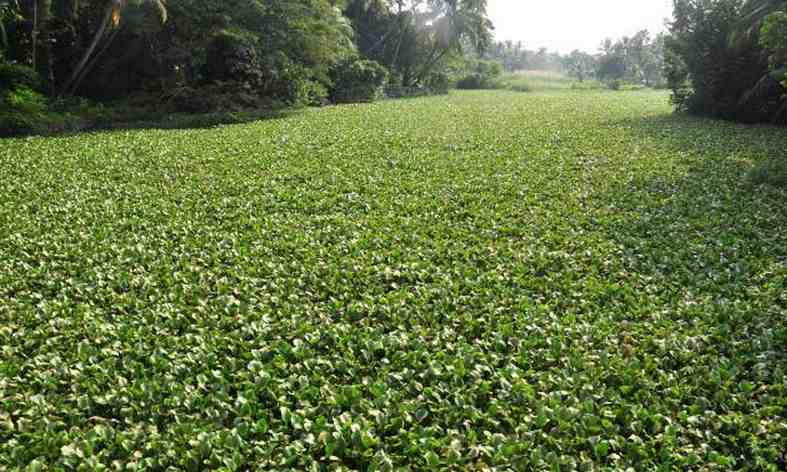
Water Hyacinth EcoDevelopment Projects

Water hyacinths choke the Poorna river at Tripunithura. Photo: Vipin Chandran; The Hindu

Water hyacinths choke the Poorna river at Tripunithura. Photo: Vipin Chandran; The Hindu

There are many similarities between Indian and Thai river life; watching villagers and people on barges going about their daily lives on the water is one, and the flora and fauna of river life is another. While traveling on the Chao Phraya River it only took a moment to see how the water hyacinths have the potential to choke river traffic. My excitement was piqued when Chananya from Asian Oasis told me that there was an established industry to use the plant for decorative, household and furniture purposes. Continue reading →