Questions About Urban Agriculture

The University of Washington’s magazine, Conservation, has a set of provocative new articles in the food-focused current issue, including this one:

The cultural—and agricultural—quest to reclaim and reform the food system appeals primarily to relatively privileged, mostly white urbanites. Committed to the pulse of city life, these advocates generally view the countryside as a place for weekend getaways. Still, they want to be close to the point of food production and in turn are bringing agriculture into the city, one vacant lot at a time, to close the gap between farm and fork. Continue reading

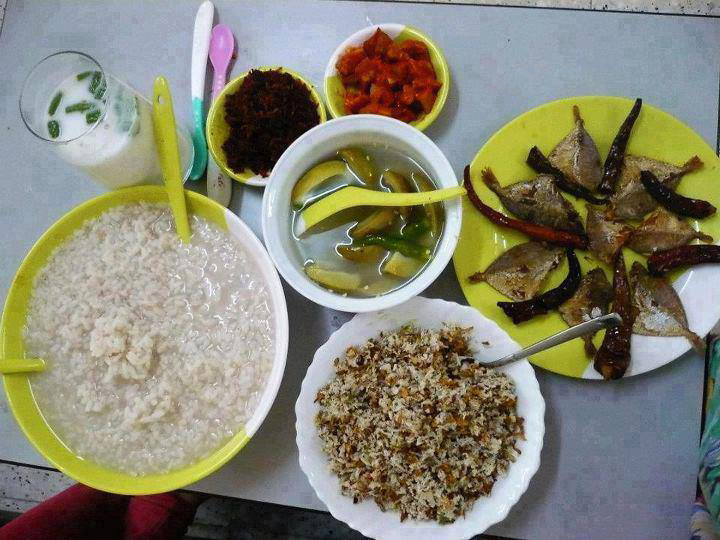
Rice Soup

Rice Soup

Rice Soup

Rice is one of the staples of Kerala cuisine and a rice soup called Kanji is one of the classic dishes. The soup is a simple preparation of serving the rice in the water it was cooked in. Kanji is usually eaten for as the evening meal as the dish is light, rich in nutrients and easily digested. This dish is usually enjoyed with condiments like pickle or chutney, as well as Kerala’s favorite dry fish and pappadam. Continue reading

Writer’s Routines

How Jhumpa Lahiri wrote “The Lowland.”

All contributors to this site can appreciate the concerns of a professional writer and her daily routines related to writing.  Our writing is always brief, and by definition for the format meant to be more casual, but it still requires discipline and effort.  Writers should write, yes, even when it is “just” a weblog like this one. But how? Routines matter.  It is worth hearing in her own words one great writer’s comments on this:

…During a visit to Lahiri’s house in Brooklyn (she currently lives full-time in Rome), we asked how she went about writing the book.  Continue reading

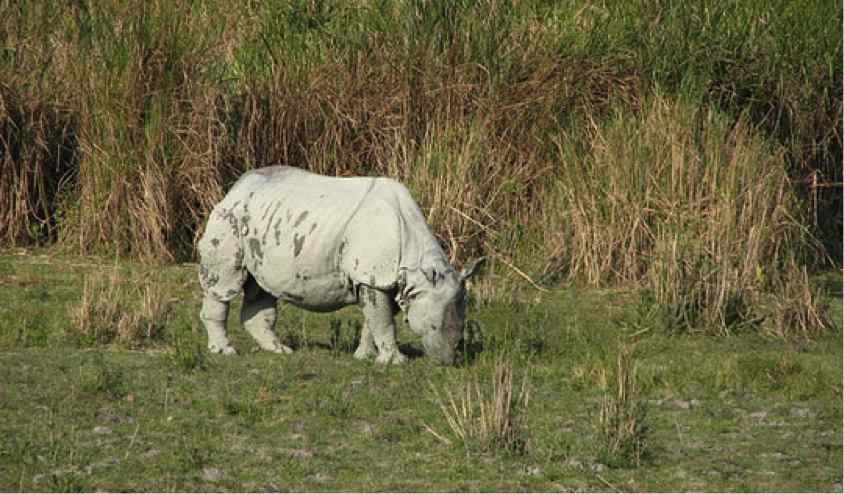
Wildlife Sanctuaries of India–Kaziranga National Park

Image Credit: Pradnyesh Sawant

This may be the first national park where tigers aren’t at the center of attention! Located in the Golaghat and Nagaon districts of Assam, Kaziranga is home to two thirds of the world’s Great One-Horned Rhinoceroses. Large breeding populations of elephants, buffalos, swamp deer, and tigers reside here as well. Furthermore, this park is recognized by Birdlife International for its diversity and conservation of various species of birds. Kaziranga was declared a World Heritage Site by UNESCO for its unique environment and wildlife in 1985. Continue reading

The Life and Times of a Kerala Fishing Town

Returning with the day's catch

Returning with the days catch

We’ve written previously about Keralalites’ love for fish. However, eating it is only half the story; how it enters into people’s lives is another part of it. Here we’ll share how daily life starts for many locals in a fishing town.

Fishermen usually leave their nets in the water overnight and come back in the morning with prayers in their heart for a good catch. Often luck is with them and their prayers are answered, primarily due to the healthy waters along Kerala’s coastline. Continue reading

Stop The Rot

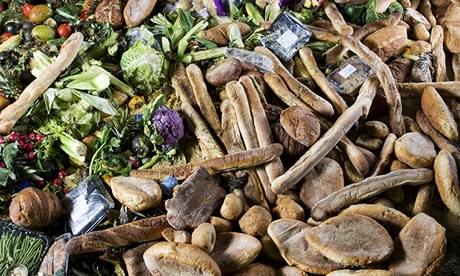
One-fifth of what households buy ends up as waste, and around 60% of that could have been eaten, according to a report from the government’s waste advisory group, Wrap. Photograph: Murdo MacLeod

One-fifth of what households buy ends up as waste, and around 60% of that could have been eaten, according to a report from the government’s waste advisory group, Wrap. Photograph: Murdo MacLeod

The Guardian carried a story recently about how in the UK food producers, sellers and consumers are being urged to support a ban on food waste going to landfills by 2020 to which we add our hurrah:

…Compulsory collections of food waste from all homes and businesses by local councils are among a series of measures recommended in a new report to enable food waste to be harnessed as a valuable resource to provide energy, heat and benefits for agriculture.

The ambition is to save the UK economy over £17bn a year through the reduction of food wasted by households, businesses and the public sector, preventing 27m tonnes of greenhouse gases a year from entering into the atmosphere.

The new study, Vision 2020: UK Roadmap to Zero Food Waste to Landfill is the culmination of more than two years’ work and has the backing and input of local authority and industry experts. It sets the framework for a food waste-free UK by 2020. Continue reading

Collaboration For Impact

Photograph: Robert Knight Archive/Redferns/Getty.

You need not be a fan of his guitar style, which is unique; nor his producer credentials, which are significant. You do not even have to like the Rolling Stones to appreciate the following:

(It is worth noting, perhaps, that before Keith Richards encountered Cooder, he was essentially a strummer. After their encounters, during which, Richards has written, he took Cooder for all he was worth, the modern Rolling Stones, with the two guitars attempting to manage rhythmically and harmonically what Cooder accomplished with one, were born.) Continue reading

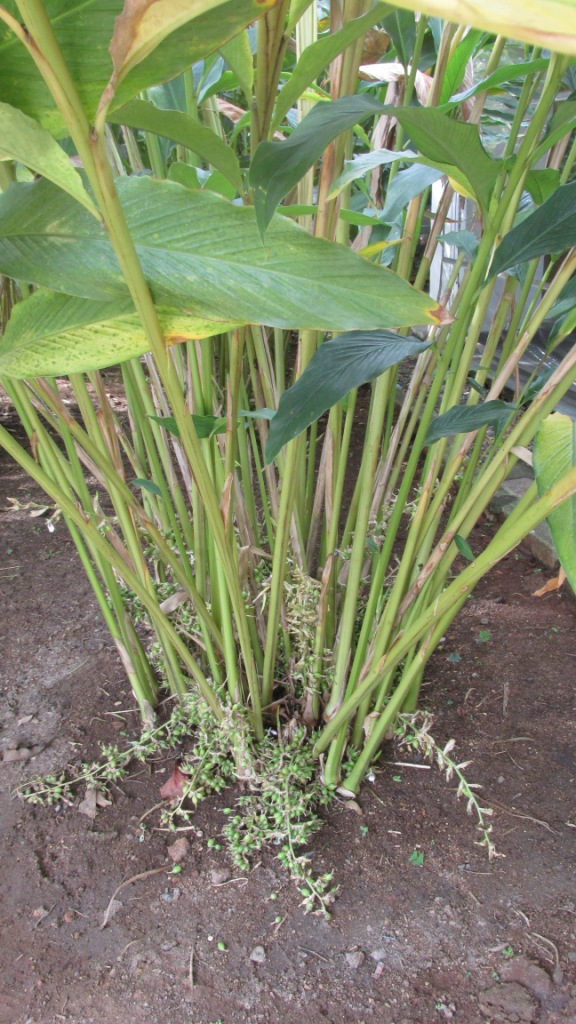
Queen of Spices

Queen Of Spices

Cardamom

Cardamom is known as the “Queen of Spices” and Kumily is known to have the biggest cardamom market in the world. Exceptional care goes into growing this spice. It needs a minimum altitude of 800 to 1200 meters above sea level and plenty of shade and water. Kumily is located at 1100 meters  with an average annual rainfall of 3000 millimeters, making it the perfect atmosphere for the plant to thrive. Continue reading

Waste Not, Want Less

The Atlantic‘s Senior Editor, James Hamblin, MD, has advice we are compelled to share:

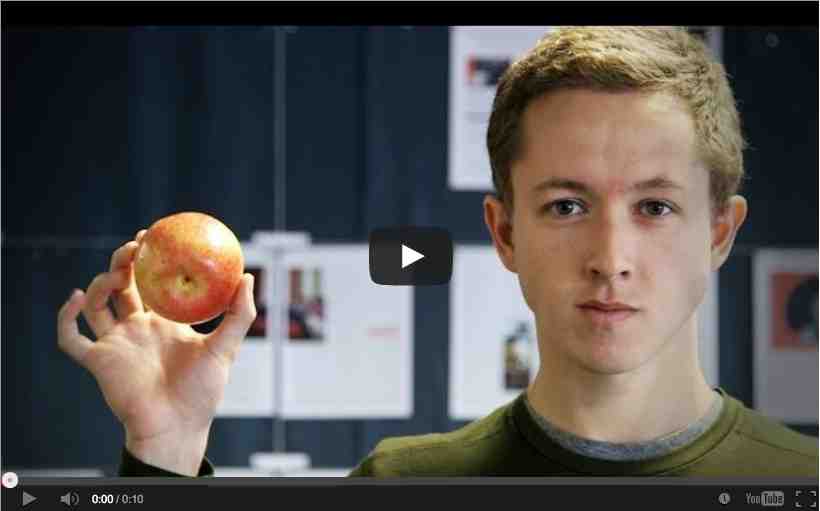
What do you think an apple core is? What’s the thing we throw away?

It is a ghost. If you eat your apples whole, you are a hero to this ghost. If you do not, you are barely alive. Come experience vitality.

Earlier this year, in “How to Eat Apples Like a Boss,” a video by Foodbeast, the Internet was promised the gift of confidence in apple-eating. Elie Ayrouth ate an apple starting at the bottom, proceeding to up to the top, and finishing with a wink to the camera, as bosses do. Eating as such, Foodbeast said, the core “disappears.”

Continue reading

Kathakali

This slideshow requires JavaScript.

Last night I had the opportunity to see a Kathakali performance, which is a classical Indian dance-drama that originated in Kerala in the 17 th century.

I arrived a little bit late because I was sitting at the wrong section of the performing center, so I missed the introduction of what the dancers were depicting. Yet, I was still wholly captivated when I walked into the theater: the make-up on the dancers was so incredibly colorful and elaborate. The dark, fierce black liners around their eyes made them look a bit intimidating as well. In addition to the make-up, the dancers were wearing head pieces, skirts, and pants that were bejeweled and feathered with colorful ornaments. Continue reading

Thunbergia fragrans – Sweet Clock Vine

Thunbergia fragrans

Thunbergia fragrans

Native to India, Sri Lanka and Nepal, Thunbergia fragrans, or Sweet Clock Vine, is a slender perennial twiner found plentifully along the hill station roads. It flowers from August to December and cultivated as a garden plant.

Engineering A Safer Future On The Road

The Google car knows every turn. It never gets drowsy or distracted, or wonders who has the right-of-way. Illustration by Harry Campbell.

In most of the developing world, or at least where La Paz Group operates and where more and more European and North Americans are engaged in experiential travel, road conditions and driving habits are “different.” It is our educated guess that these travelers do not consider driving time to be their favorite part of these experiences. We do not hide from this fact. On the contrary, we take our drivers’ safety training seriously.  But we are always on the lookout for new approaches.  This week’s new New Yorker magazine, hot off the press, is the annual technology-focused issue.  An article there has got us thinking and discussing:

Human beings make terrible drivers. They talk on the phone and run red lights, signal to the left and turn to the right. They drink too much beer and plow into trees or veer into traffic as they swat at their kids. They have blind spots, leg cramps, seizures, and heart attacks. They rubberneck, hotdog, and take pity on turtles, cause fender benders, pileups, and head-on collisions. They nod off at the wheel, wrestle with maps, fiddle with knobs, have marital spats, take the curve too late, take the curve too hard, spill coffee in their laps, and flip over their cars. Of the ten million accidents that Americans are in every year, nine and a half million are their own damn fault. Continue reading

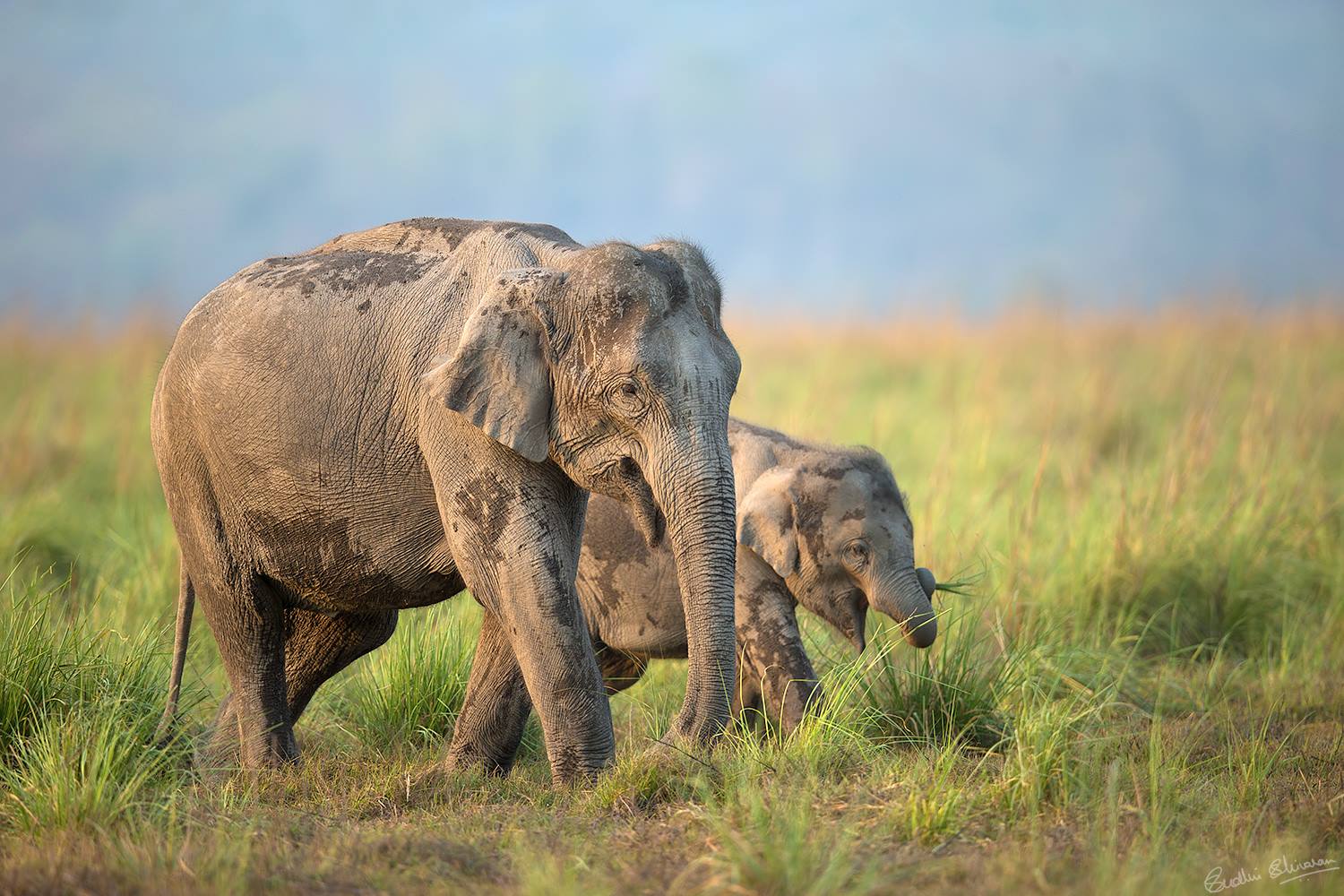
Asiatic Elephants in the Dhikala Grasslands

Corbett National Park is a great place to make some great images of Asiatic Elephants and May is an especially good season to be there. The Dhikala grasslands complements the elephants by providing a great background for your photography.

A zoom lens in the 100-400 or 80-400 range serves best for this area as it provides flexibility to make close-ups or to include the habitat in the shot.

While composing this image I waited for the baby elephant to show itself as it was always behind its mother. Continue reading

Science-Education-Technology Convergence


Museums and libraries are the stewards of culture in many ways. They both offer us a place to go for quiet contemplation as well as dynamic discovery. Kudos to the Smithsonian for accepting new technologies with open arms and sharing it with their researchers, curators, educators and conservators, and thereby with us.

Continue reading