Kitchen Collaboration

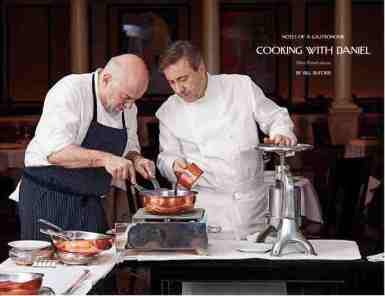
Kitchen Confidential juggled with foodies’ fascinations in new and unusual ways, and since then reality television seems to be the appropriate new home for that side show.  Oddly, it began in 1999 with an article in the New Yorker. So it is only fitting that the magazine has been balancing those dynamics with the work of less celebrity-oriented writers ever since.  None better than Bill Buford, who gets out there, and in there, like a citizen scientist for the story (though he is not shy of carny, either). Here what catches my attention is the collaboration, but plenty on the ethos of an artisan, the farm as the garden of eden, and last but not least the role of food in heritage and heritage in food (click the image above to go to the article):

Two years ago, during the summer of 2011, Daniel Boulud, the New York-based French chef, told me he had been thinking about a project that we might do together. We were both in France at the time. I was living in Lyons—I had moved there in order to learn French cooking—and Boulud was visiting his family in Saint-Pierre-de-Chandieu, a nearby village on a wooded ridge in the open countryside. Continue reading
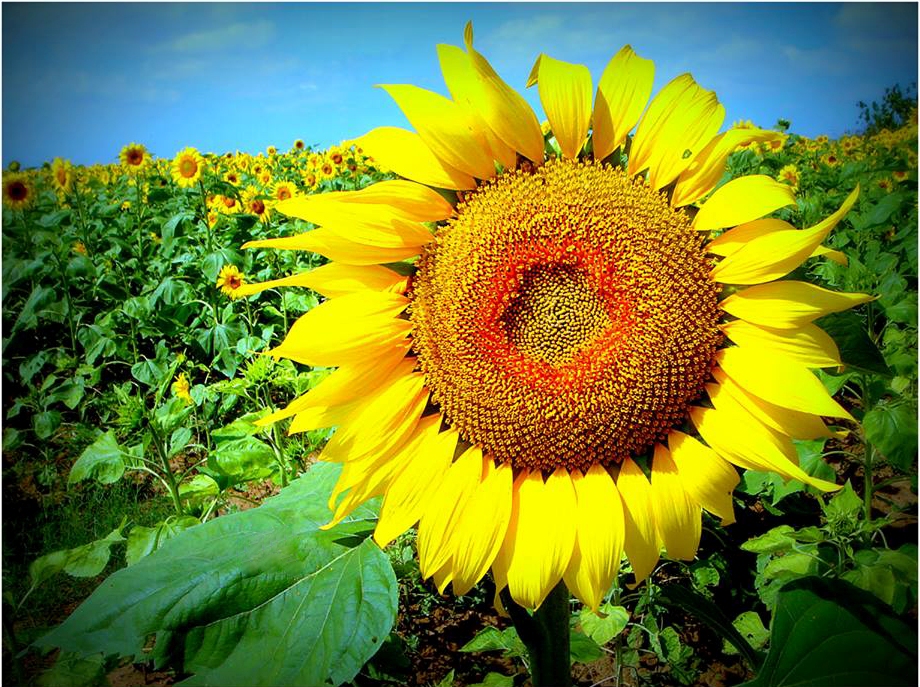
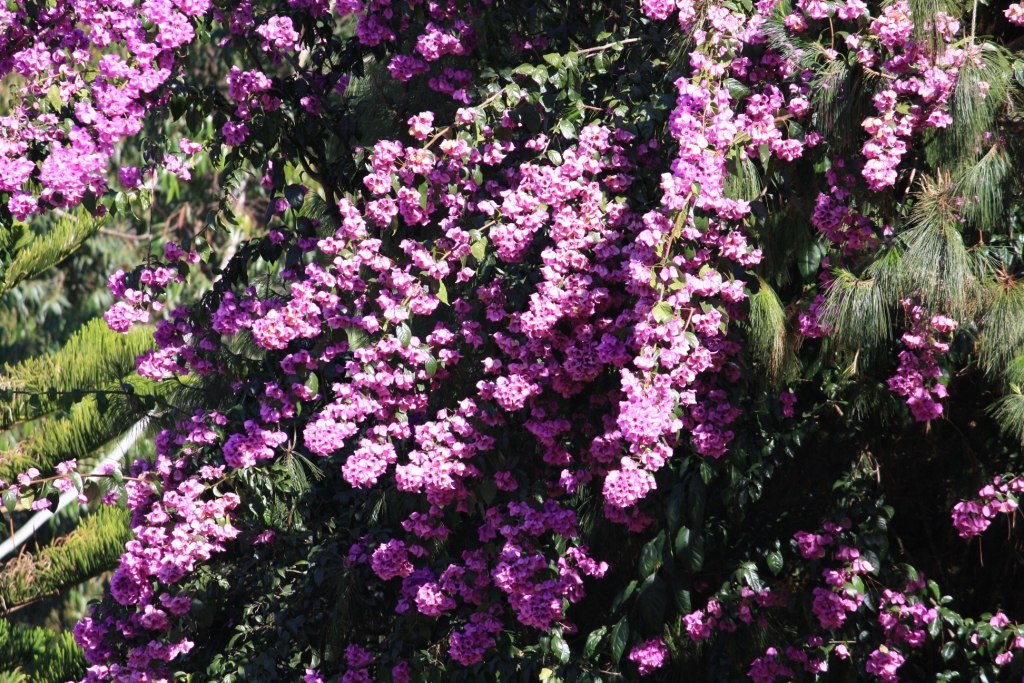
Sunflower- Helianthus annuus

Photo credits : Ramesh Kidangoor

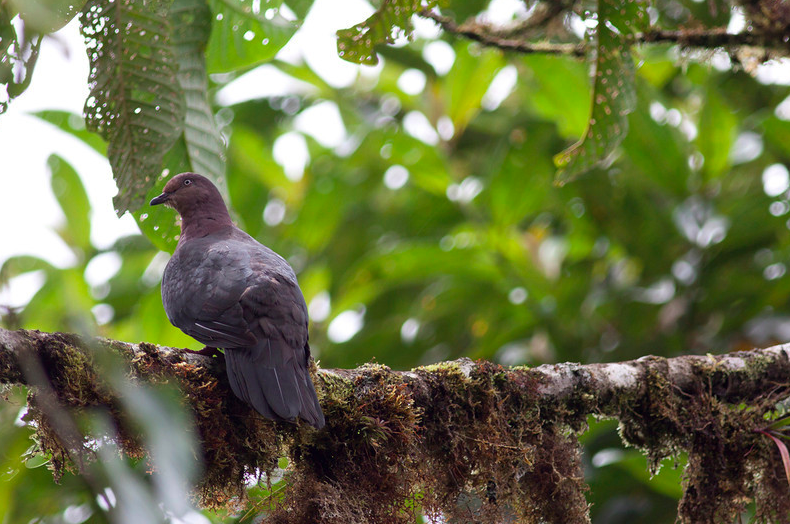
Photo credits : Ramesh Kidangoor

The Sunflower is an annual plant and its name is derived from the image and shape of the flower, which depicts the Sun. Sunflowers are also an important source of food. It’s oil is valued as a healthy vegetable oil, making it a popular agricultural crop in south India. Continue reading

Upcycling Mattanchery

Getting greener on the transportation front is partly about reducing use of fossil fuel, partly about reducing the noise and particulates generated by motorized vehicles, and partly just the fun of alternative methods of getting around. Sometimes pedicabs are simple visions, other times elaborate hipsterisms.  The image above links to just one of the several companies peddling practical person-powered vehicles, now ubiquitous world-wide… Continue reading

Crossing the Border: From Kerala to Tamil Nadu

Grapes ready for harvest

The first thing that I noticed about Tamil Nadu was the juxtaposition to the Kerala landscape to which I am now accustomed. Unlike the mountainous western Kerala, where during monsoon rain is plentiful and direct sunlight a rarity, just across the border in Tamil Nadu the land is flat, and during monsoon the air is dry and the sun shining. It is a shockingly fast transition that you can see as soon as you are at the base of the mountains. I knew this part of Tamil Nadu was flat, but I thought it would all be made up of lush green farm land, but instead what I encountered resembled central Texas, dry and rocky. In fact, it made me feel quite at home.

After seeing the landscape it was not surprising to hear from a local organic farmer, that most of the water in Tamil Nadu comes from the Periyar River in Kerala via the Mullaperiyar Dam. The farm boasted many types of fruits, including grapes and pomegranates.  It was well worth the trip to see a farm in action and to see how and where some of the local fruits are grown.  Continue reading

Complications Of Kayaktivism

What makes a great New Yorker Talk of the Town piece?

Small surprises.

Quirks.

Unexpected perspective.

At the outset in this case our hearts are immediately with the folks daring the harbor on kayaks, but our brains are (gulp) subsequently with the residents against the kayakers.  All within a few hundred words:

…Last year, in her capacity as a co-chair of the New York City Water Trail Association, Brous began collating the complaints of other paddlers that the myriad ferryboats using the river routinely failed to toot their horns before pulling away from the dock, in defiance of maritime law, specifically Inland Navigation Rule 34. The kayakers feared that a ferry might run one of them down. Brous wrote to various entities with some waterfront sway and eventually found herself sending periodic e-mails to the Coast Guard, detailing instances of law-flouting ferries. Nothing changed. The ferries ferried hornlessly…

Karkidakam – Ramayana Masam

Reciting Holy Book Ramayana

Reciting the Holy Book of Ramayana

Karkidakam is the last month in the Malayalam calendar, which this year falls between 17th July and 16th August on the Western calendar. Historically the southwest monsoon is bringing chilling torrential rain during this period. In Kerala every observant Hindu family recites the Holy Book of Ramayana in homes and temples during this time, making Karkidakam popularly known as Ramayana Masam. Continue reading

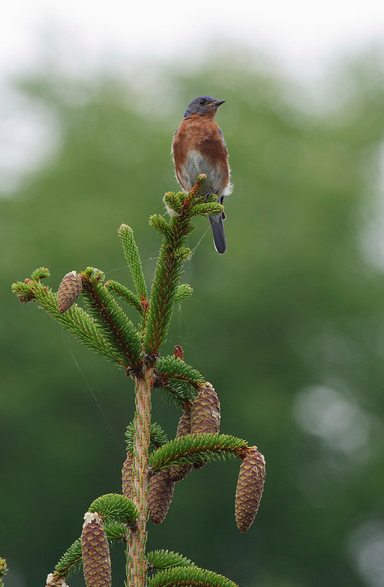
Other Winged Wonders

Birds are the most common feature on this site, for reasons we cannot possibly explain in the prelude to a post about another type of flying creature. Butterflies are certainly underrepresented here, and with this post we will begin to correct that. Four of Raxa Collective’s contributors, and many others who have visited Costa Rica, first learned of butterfly farming due to the good graces of Joris Brinckerhoff and Maria Sabido and that is just one of the reasons to smile thanks to Robert Krulwich’s recent post:

I’ve got a friend, Destin, who has a YouTube channel called Smarter Every Day, where he pokes around with his camera to get extremely intimate looks at small miracles in nature. In this one, about the secret life of baby butterflies, he learns that when it comes time for the caterpillar to turn itself into a butterfly, it doesn’t spin a lot of silk and build itself a shelter (a pupa). I thought that what caterpillars do. But no … take a look at what actually happens. Continue reading

Europeans And Indians, The Early Days

Screen Shot 2013-07-21 at 12.19.40 PM

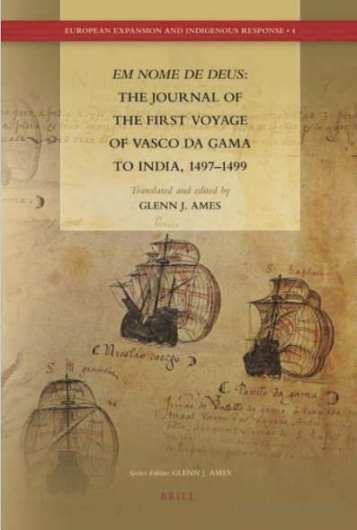
In several past posts about historically interesting interactions between Europeans and Indians, the New World variation on that story was invoked to make a point, mainly with an eye toward environmental history. Today’s Hindu has an article that draws on the history contained in the journal to the left about (Old World) Vasco de Gama’s first experience in (Older World) India, specifically the Malabar Coast and what is now the state of Kerala. Click the image to go to the source of the book, and here to go to the Hindu article:

The hero of the first Portugese contact on Indian shores is a degradado, or Portugese convict and exile, not Vasco da Gama.

One of the greatest navigators from the Age of Discoveries, da Gama, appointed by Dom Manuel, King of Portugal, for his “energy and high spirits” refused to take the initiative to go ashore on the morning of May 21, 1498. Instead, da Gama chose to wait in the depths of his ship, Sao Gabriel, while the convict Joao Nunes stepped out into the monsoon showers off the western coast of Kozhikode to meet, much to his amazement, a pair of multi-lingual Tunisian merchants. Continue reading

Stuff, Change, And Examining Broke

View the video by clicking the image above, again brought to you on Cornell University’s website:

The United States isn’t broke; we’re the richest country on the planet and a country in which the richest among us are doing exceptionally well. But the truth is, our economy is broken, producing more pollution, greenhouse gasses and garbage than any other country. Continue reading

Entrepreneurial Conservation Embraced By A Great Designer

TonyFadellToday’s New York Times’ regular feature called The Boss provides one man’s self-described transition from the pinnacle of consumer tech design, which he helped establish, to a greener entrepreneurial form of the same:

After years of work at Apple, designing iPods and iPhones, the founder of Nest Labs now makes a self-programming thermostat that enables homeowners to save energy. Continue reading

National Geographic Over the Years

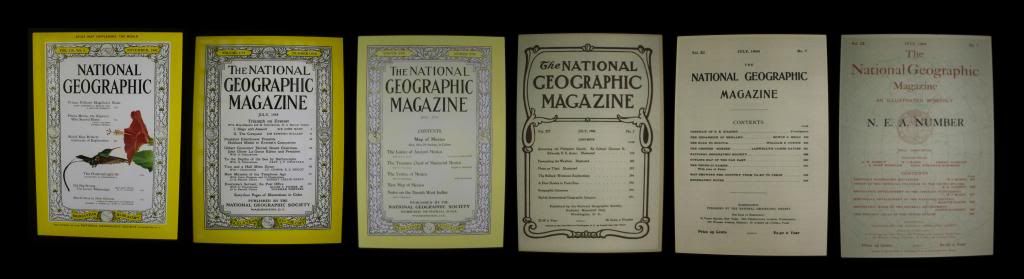
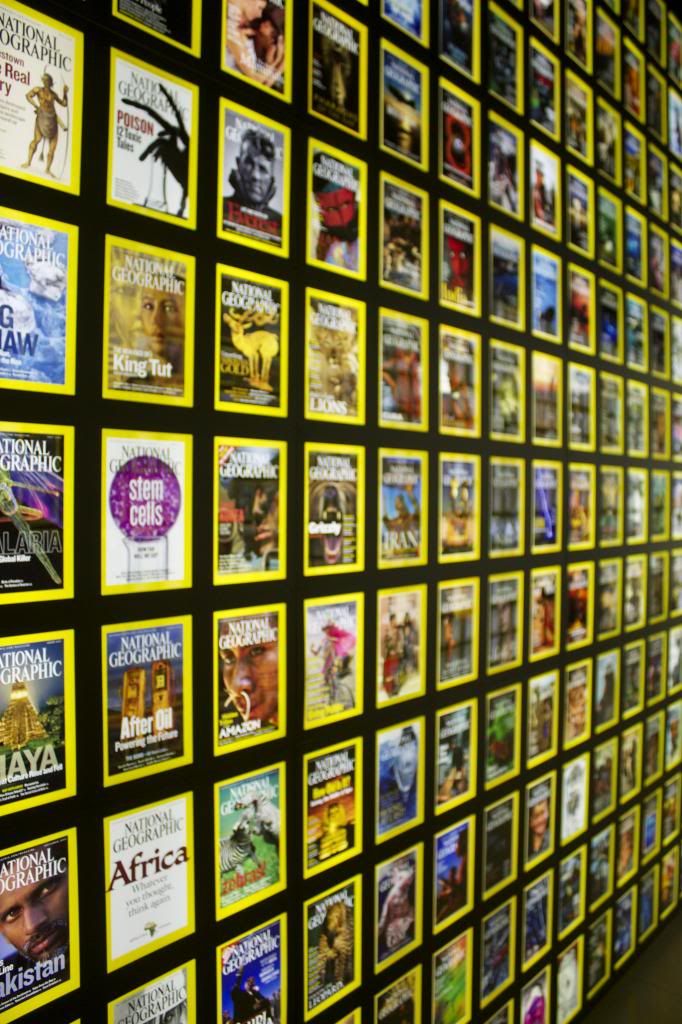
NatGeo’s magazine covers over the years, stitched together from individual photos I took at the National Geographic Museum in Washington, D.C.

As National Geographic celebrates its 125th year of journalism, it is interesting to see how small things, like the magazine covers and the information they conveyed, have changed. In the photo above, the November, 1960 issue (far left) was priced at $1.00; the July, 1954 issue (second from left) at 65¢; and from then backwards each magazine was a whopping 25¢. Today’s magazines don’t disclose their individual price, but a yearly subscription at $15 is not too shabby considering it was $8/yr in 1960, up from $6.50 in 1954.

The July, 1954 issue’s first featured article is titled, “Triumph on Everest,” and the last, “Everyone’s Servant, the Post Office”; July, 1898 (far right in the photo above), on the other hand, saw “American Geographic Education” and “The Geologic Atlas of the United States” as the first and last articles.

Continue reading

If You Happen To Want To Live in Felpham, West Sussex

This slideshow requires JavaScript.

We are not brokers, but in the spirit of entrepreneurial conservation, and a price tag so seemingly reasonable, we are obliged to bring this to your attention:

Guide Price Of £650,000 Continue reading

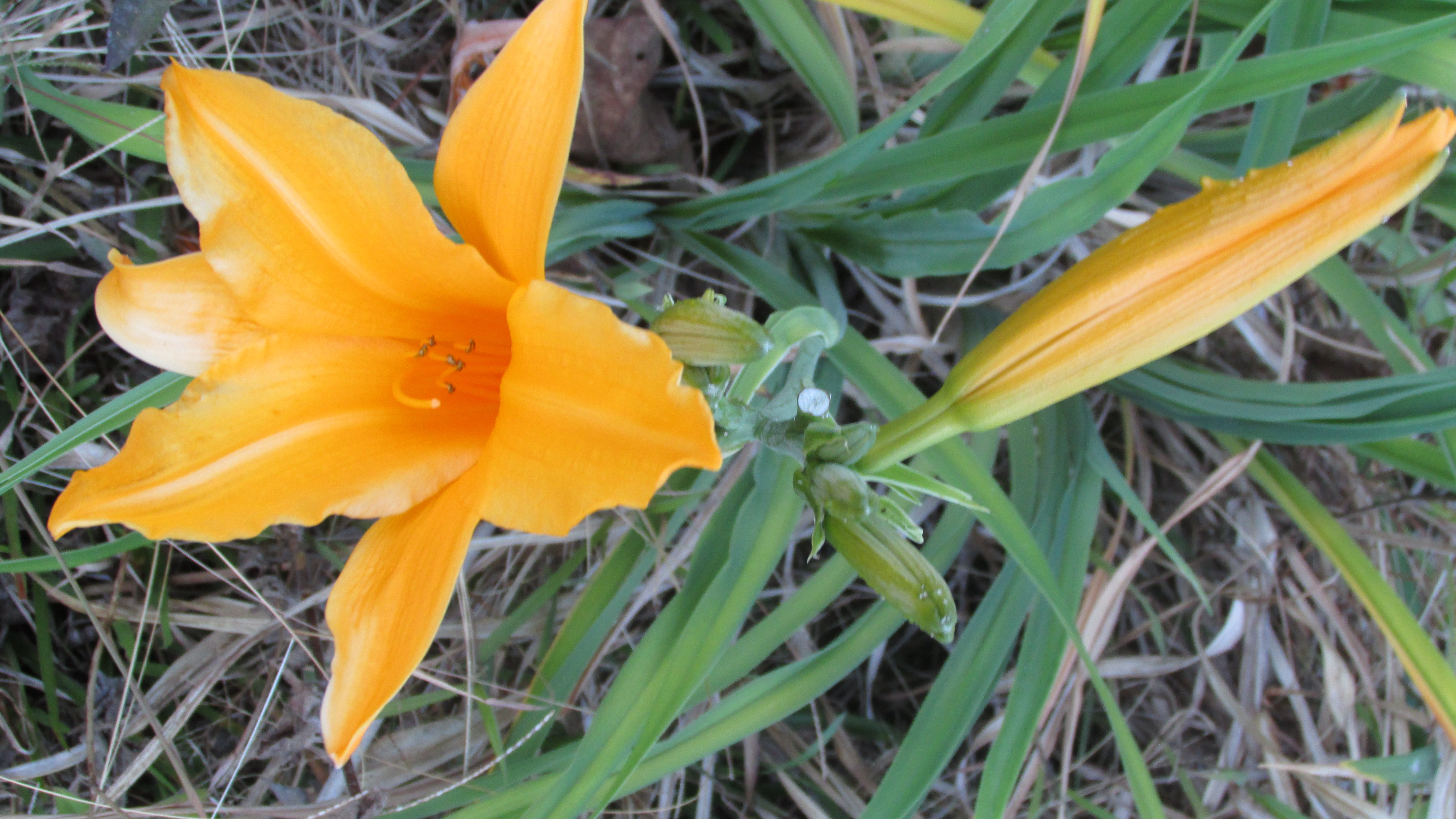
Citron Daylily

Citron daylily

Citron daylily

Daylilies are considered to be extremely straightforward to grow, even for the most inexperienced gardener. The fragrant lemon-yellow flowers of this species are ideal for night owls, as the small flowers do not open until late afternoon and bloom through the night. Continue reading

Like Water Into Wine

By now everyone knows that availability of potable water is among the most important challenges facing this and coming generations. Thanks to the USA-based tax and donor-funded National Public Radio for bringing this to our attention:

…A more common technology for removing salt and other impurities from water is known as reverse osmosis, which uses lots of energy to produce the extremely high pressure required to force raw water through a semi-permeable membrane. You can see a diagram of how it works here. Continue reading