In our neighborhood, the gang of kids we have been snapping photos of in recent years are among our favorite reasons to be in Thevara. Today was the first day of school (ever) for the two individual youngsters above; the three young ladies together were happy that school is back in session after a late summer, early monsoon break.
Bird of the Day: White-eyed Oriole

Outskirts of Bangalore, Karnataka
Lonesome George Makes His NYC Debut
There’s something unsettling about taxidermy and the lifelike diaramas that I grew up seeing at museums. But the research that goes into each zoological and botanical detail serves a monumental educational purpose for visitors and scientists alike. And in a “Last Chance to See” context, there are cases where those diaramas are the only way both current and future generations are able to have a face to face experience with extinct species.
A little over a year ago the icon of Galapagos conservation “Lonesome George” died of natural causes. Although property of the people of Ecuador, he is considered an example of World Heritage Patrimony. Researchers froze his body and shipped it to the American Museum of Natural History for preservation and a temporary exhibition in New York. Continue reading
Music, Duets, And Inspiration For Other Forms Of Collaboration

Collaboration has been central to music since the beginning of time. Most of our posts about collaboration intend to point out more unusual, but much needed, forms of collaboration related to communities and their surrounding ecosystems. Something about this album captures our intent with this word better than most news items usually do. Credit for our finding our way to this musical collaboration goes to the interview the duet gave some time back:
Emmylou Harris and Rodney Crowell were featured on today’s episode of NPR’s Fresh Air. The two spoke with host Terry Gross about their long friendship and their new album, Old Yellow Moon, a new 12-track duets album featuring song by Crowell and others that marks the first official collaboration from the duo since Crowell joined Harris’ Hot Band as guitarist and harmony singer in 1975. The two also discuss a few of their musical Continue reading
Waterfalls – Kuttikkanam, Kerala
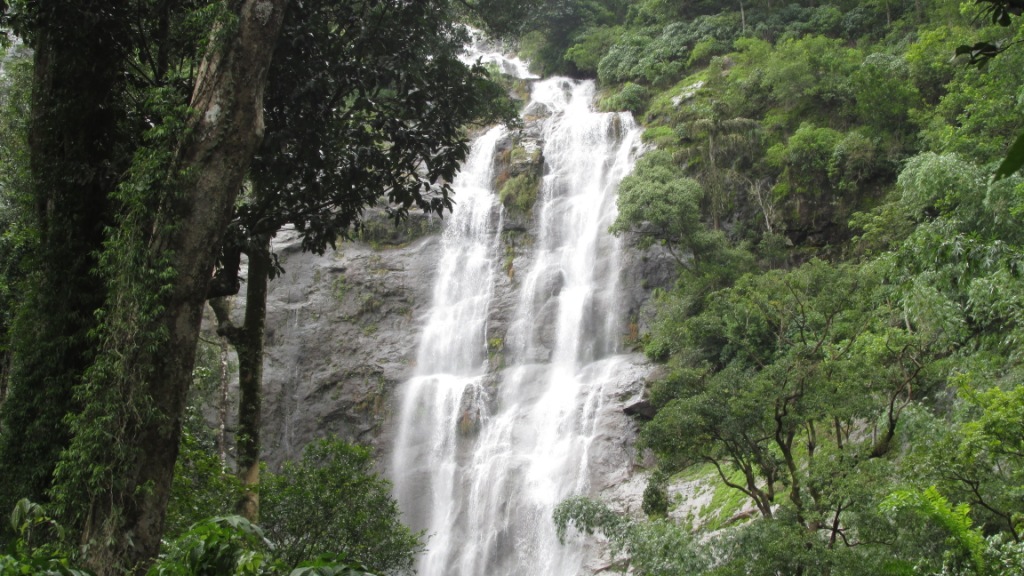
Misty Mountain Waterfalls
Kuttikkanam is a village nestled in the lap of the Sahyadri Ranges and is en route between Kochi and Thekkady. Kuttikkanam is very famous for its scenic beauty, especially its waterfalls, and it once was a summer retreat of the Travancore Kings. Continue reading
The Love/Hate Relationships of Icelandic Steeds and Stockfish: Ichthyophagy
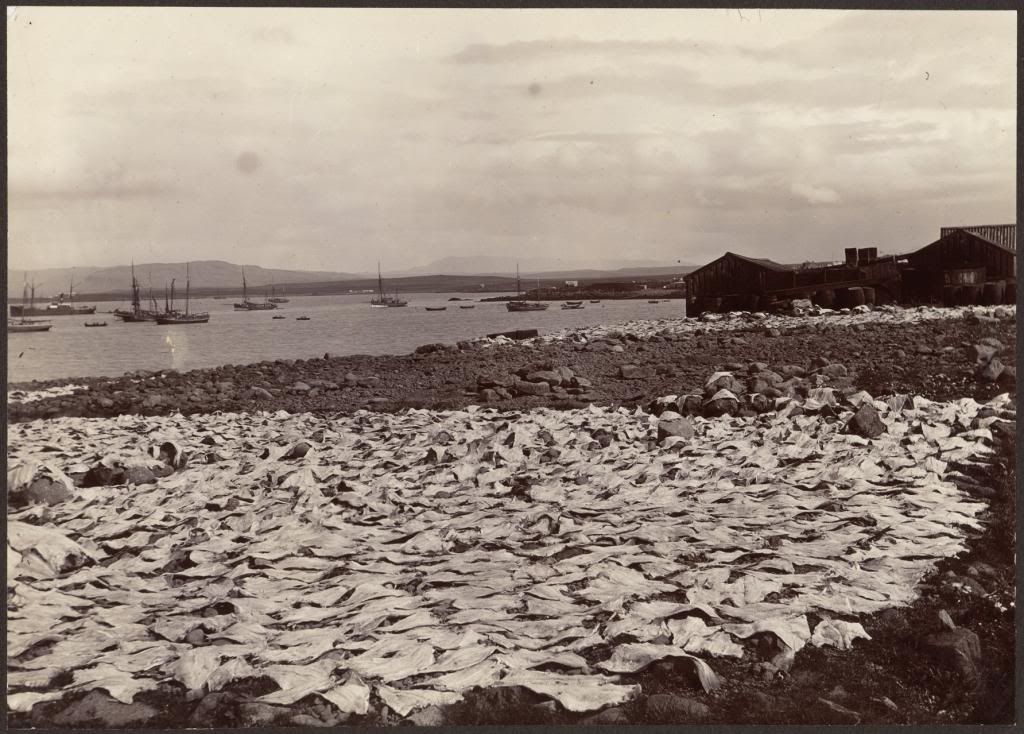
Reykjavík, Fish drying and shark oil station. Collodion print by Frederick Howell ca 1900. Bequest of Daniel Willard Fiske; compilation by Halldór Hermannsson; Cornell University Library Rare & Manuscript Collections.
Every account of travel in Iceland will cover the national meals in some fashion, but normally they are portrayed as quaint and disgusting. Many of the travelers of the period address the ‘unhealthy penchant for putrefied foods’ that revolved around stockfish. This included salmon and some other species but mostly meant cod, which was quite abundant in the oceans around the island. The fish would be cleaned and dried, and sometimes smoked, to provide food throughout the year, and the same applied for mutton. Dairy products from cattle, namely butter and cream, was often allowed to go rancid, much to the dismay of continental Europeans. Here is a paragraph I’ve translated from Jules-Joseph LeClercq, the Belgian who I referred to in my last post about Icelandic equitation, in his book Terre de Glace (1883):
I do not know how I can still respect those who are able to digest the horrible dishes to which my host introduced me, in particular dried shark-meat and whale fat. Overcoming my repugnance, I wanted to taste these incredibly novel delicacies, and was rewarded with an upset stomach for eight days. Continue reading
The Truth About Komodo Dragons
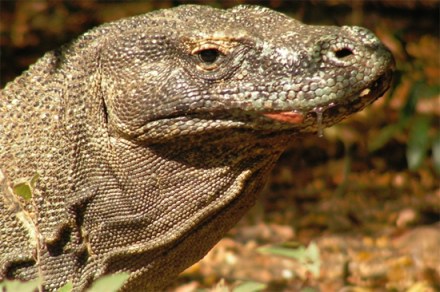
The Komodo dragon: surprisingly clean.
Myth-busting science writers, especially when they free a phenomenal animal from the clutch of wrongly bad reputation, are heroic folk to us:
In 1969, an American biologist named Walter Auffenberg moved to the Indonesia island of Komodo to study its most famous resident—the Komodo dragon. This huge lizard—the largest in the world—grows to lengths of 3 metres, and can take down large prey like deer and water buffalo. Auffenberg watched the dragons for a year and eventually published a book on their behaviour in 1981. It won him an award. It also enshrined a myth that took almost three decades to refute, and is still prevalent today. Continue reading
Bird of the Day: Common Merganser
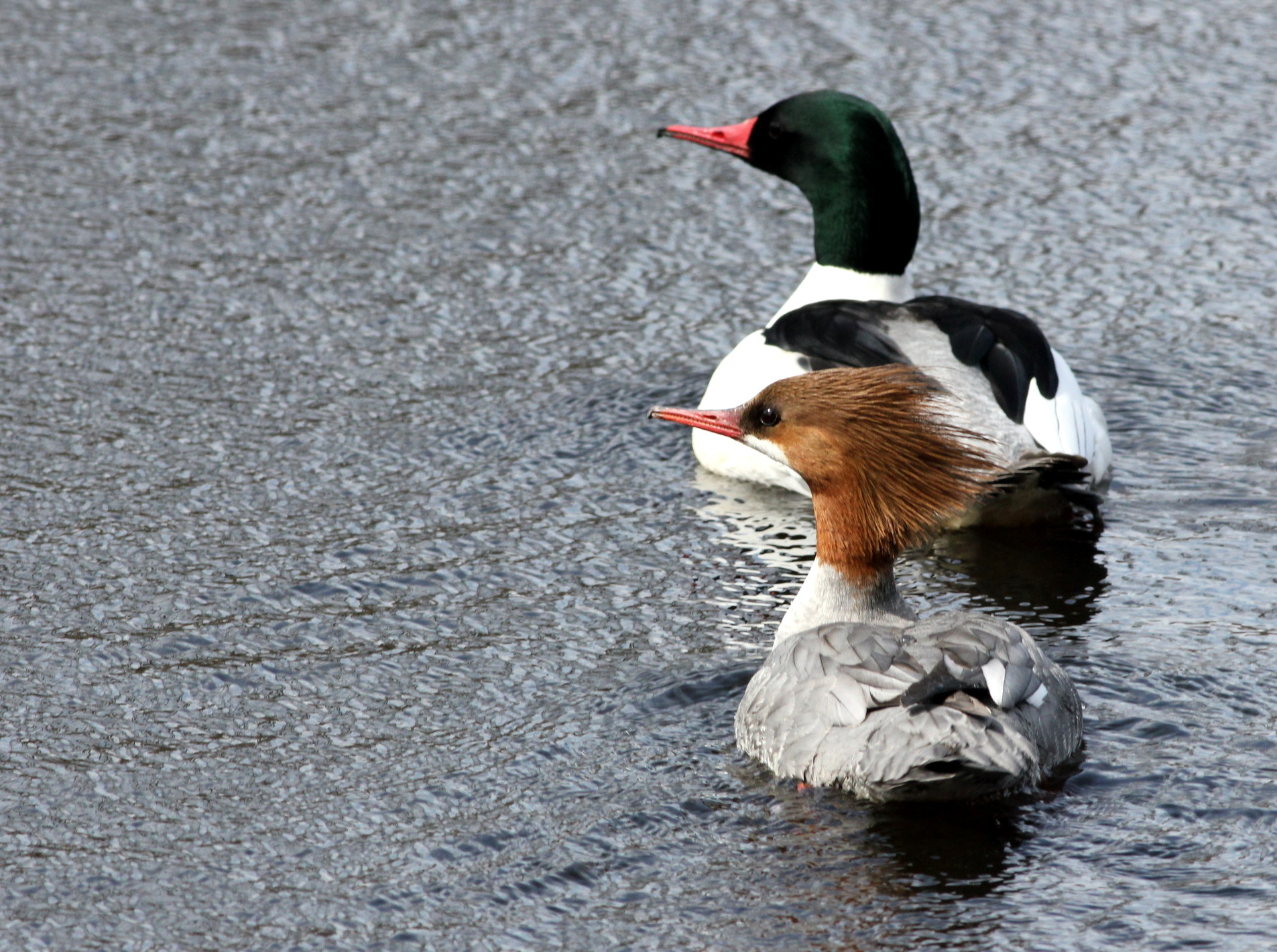
Tompkins County, NY
Green Lipstick On A Pig

Greenpeace is leading the charge against corporations that practice what has come to be called greenwashing. Image: iStockPhoto
Worth a moment of your time:
Dear EarthTalk: I hear the term “greenwashing” a lot these days but am still not sure exactly what it means. Can you enlighten?—Ruth Markell, Indianapolis
In essence, greenwashing involves falsely conveying to consumers that a given product, service, company or institution factors environmental responsibility into its offerings and/or operations. CorpWatch, a non-profit dedicated to keeping tabs on the social Continue reading
Pampanar – Thekkady, Kerala
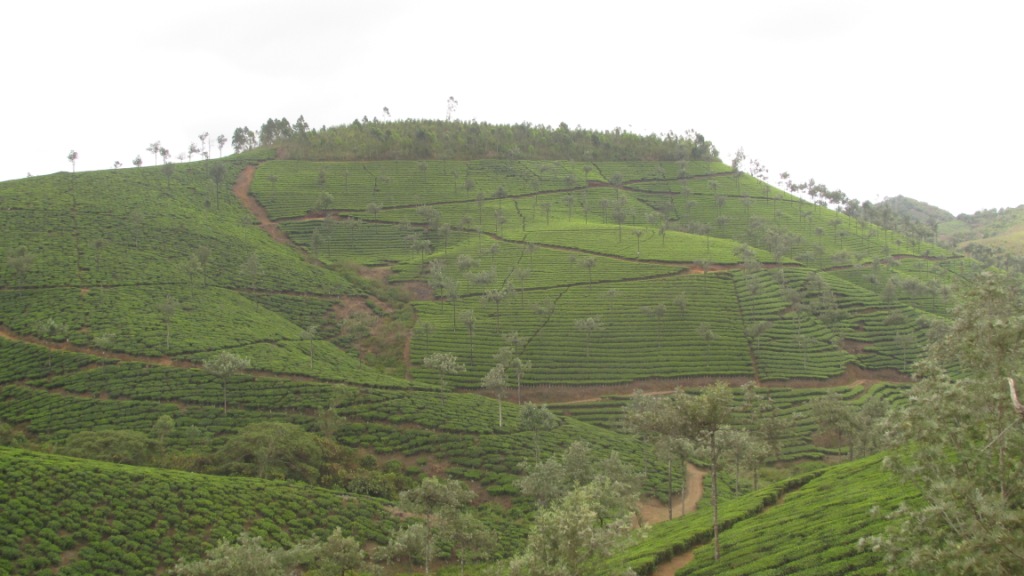
Tea Estates
Pampanar is located near Thekkady en route to Kottayam. It is a picturesque place with an unending expanse of lush green tea plantations. Tea estates, lush hillsides, forests and coffee estates views lend charm to this hill station. Continue reading
A Master Class For “Creative Business” Entrepreneurs

Pip Jamieson, Jeff Lyons, Danny Miller
The Guardian continues its quest to creatively avoid the irrelevance and economic demise challenging all print-based journalism enterprises:
Overview
In a uncertain economic climate, many of us dream of setting up our own business – using our creative skills, while becoming our own boss. It could be a design studio, a series of events, a retail empire or a web venture – there are common challenges to meet and problems to solve. Continue reading
From Behind the Wheel: Emotional Merchandise

Bird of the Day: Broad-billed Motmot

Pipeline Road, Gamboa, Panama
Conservation Is Sometimes The Story Of Change
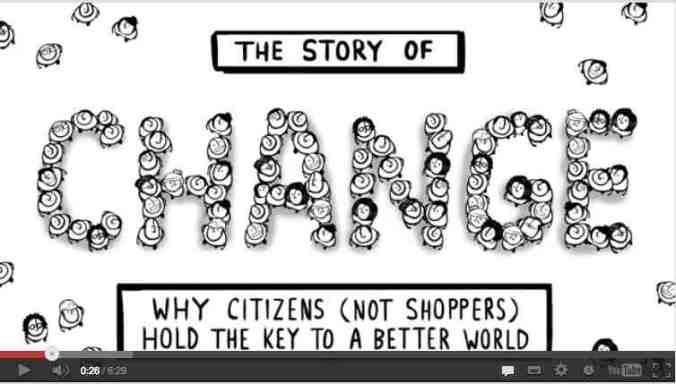
Click above to go to the location where Cornell University is hosting this brief video by a fellow alum of several Raxa Collective contributors:
Can shopping save the world? The Story of Change urges viewers to put down their credit cards and start exercising their citizen muscles to build a more sustainable, just and fulfilling world. Continue reading
Congratulations Eesha Khare!

Another science fair-winner, again a young woman, has caught our attention (click the image to the left to go to the source):
Interest in nanochemistry research and energy storage led 18-year-old Eesha Khare, a senior at Lynbrook High School in San Jose, to develop a supercapacitor that could potentially be used in flexible displays and fabrics.
Her effort won her first prize at the Intel Science Fair and the Project of the Year award in the California State Science Fair’s senior division for 2013. Continue reading
Tulsi Thara
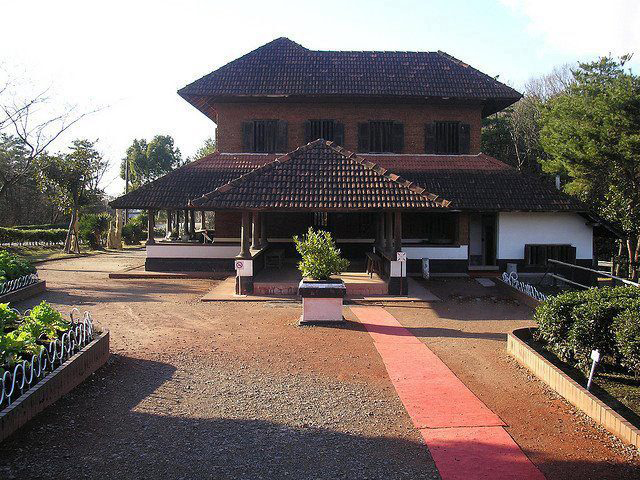
Tulsi Thara in frond of the house
Tulsi Thara is a sacred stone platform in front of traditional Kerala houses on which the Holy Basil (tulsi) plant is grown. Tulsi is a sacred herb known as the Queen of the herbs. Tulsi Thara is made to welcome the Goddess Lakshmi. In mornings and evenings a burning lamp is placed on the platform. Continue reading
Celebrating Conservation’s Important Moments In History
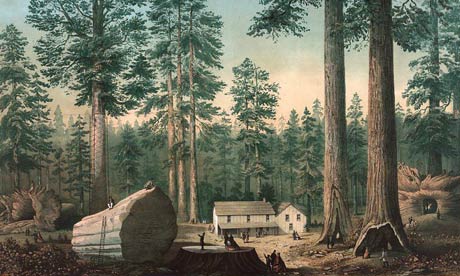
Tourists inspecting the stump of the ‘Mammoth Tree’ in Calaveras County, California, c1860. The ‘Mother of the Forest’, without its bark, can be seen in the background. Image: LoC
We have written about and sometimes celebrated important moments in conservation history in the past, and these celebrations are among those most responded to by readers of this blog. A few days ago, a landmark anniversary was observed in an editorial at the newspaper that most consistently keeps us in perspective:
Today marks the 160th anniversary of a seminal, but largely forgotten moment in the history of the conservation movement.
On Monday, 27 June, 1853, a giant sequoia – one of the natural world’s most awe-inspiring sights – was brought to the ground by a band of gold-rush speculators in Calaveras county, California. It had taken the men three weeks to cut through the base of the 300ft-tall, 1,244-year-old tree, but finally it fell to the forest floor. Continue reading
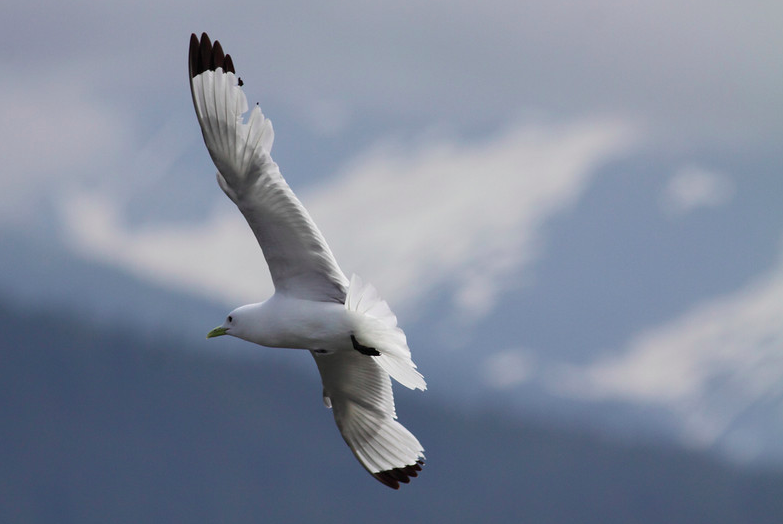
Bird of the Day: Black-legged Kittywake (Portland Island, British Columbia)
Science Writer’s Advice

From time to time, I get letters from people thinking seriously about becoming science writers. Some have no idea how to start; some have started but want to know how to get better. I usually respond with a hasty email, so that I can get back to figuring out for myself how to be a science writer. I thought it would be better for everyone—the people contacting me and myself—to sit down and write out a thorough response. (I’m also going to publish a final version of this on my web site, here.) Continue reading
Urban Fish Market

photo credits: Ramesh Kidangoor
Urban fish markets are a common sight in Kerala. The extensive network of rivers, coastline and backwaters means that fish is central to the local menu and these open-air markets provide a daily supply of fresh fish. Continue reading
 Organikos