A road paved with mixed intentions

Hotel on the lake road Thekkady

The pavement is being rebuilt on the street leading to ‘downtown’ Thekkady. Right now it looks like in many other Indian cities, which is apparently like a constant work in progress according to this article by N N Sachitanand in the New Indian Express:

Once upon a time, roadside pavements were meant for the use of pedestrians so that they could safely traverse the length of the road without being knocked down by traffic. That is why the Americans (as in the US of A) call them sidewalks. Indians have adopted and adapted to this Western concept to suit their own environment and, in the process, mangled its original purpose beyond recognition.

…or an extreme-gardening experimentation : Continue reading
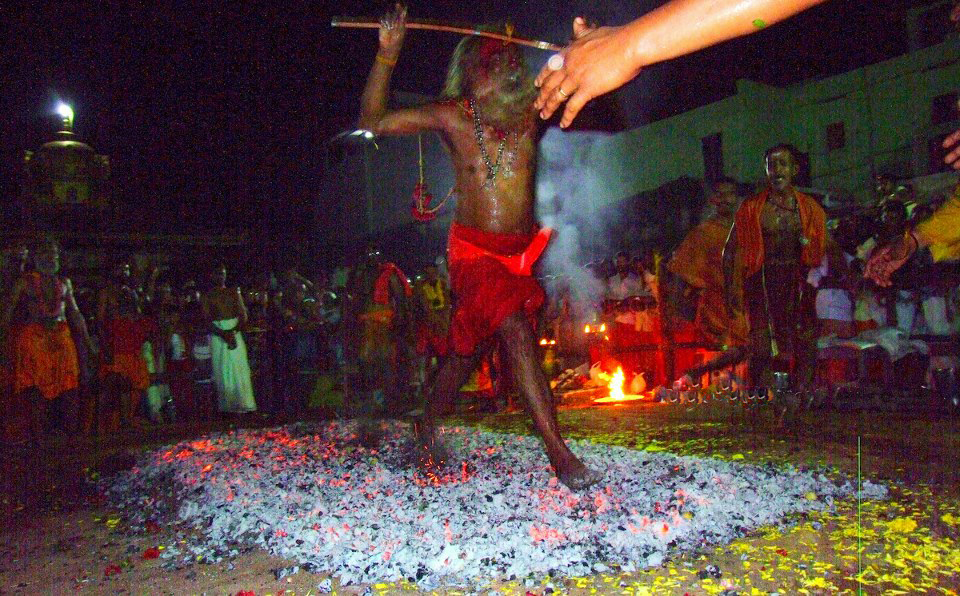
Theemidi Fire Walk – Hindu Festival

Photo Credits: Ramesh Kidangoor

Kerala is rich in beliefs and the Fire Walk is one of the most difficult example. The person doing the fire walk must follow specific religious practices. The devotee walks through a pit of burning coals and the surrounding devotees sing hymns praising the lord. The sound of the drums and the burning of the incense make the entire atmosphere inspiring. The devotee gets in to a state ecstasy and easily walks over the fire. Continue reading

Captain Robert Scott’s South Pole Expedition, Exposed Again

This slideshow requires JavaScript.

People with an interest in exploration, expeditions, adventure have a higher likelihood of knowing who Captain Scott was.  Only an expedition photography geek, a historian, or otherwise quirky know-it-all is likely be familiar with the name Ponting. Thankfully, such people exist and they have brought Ponting back from the archival grave. Outside magazine’s website has this collection on display. The captions follow in order of the slideshow above:

1. A program for Herbert Ponting’s lectures on Captain Scott. Ponting’s lectures, which accompanied his silent films at the Philharmonic Hall in London, were a huge success, with over 100,000 people going in to hear him, including leading politicians and celebrities of the day. His films were a significant milestone in the history of the cinema. Continue reading

Natural Substitute For Some Plastics

In the first couple of years of posts, Milo was our primary resource for information related to the subject covered in this article in the current edition of the New Yorker. Others contributed information too, but Milo’s interest and seemingly encyclopedic knowledge translated into action; he started a culinary grade oyster mushroom cultivation project at Cardamom County; outlined a myco-remediation solution to a perplexing water drainage problem; and took at least hundreds, probably thousands of photographs cataloguing edible, medicinal and neither-edible-nor-medicinal mushrooms and fungi in the Periyar Tiger Reserve.  He did the latter often in the company of the knowledgeable guides from the local indigenous community, sometimes learning from them and other times vice versa.

Now that Milo is in another part of the world, this article reminds those of us in India of his myco-opportunism, and that we must do our own foraging for innovations in this realm:

Gavin McIntyre, the co-inventor of a process that grows all-natural substitutes for plastic from the tissue of mushrooms, holds a pen or pencil in an unusual way. Continue reading

Documentaries : The Carbon Rush by Amy Miller

carbon rush credit Amy Miller

I am from Europe where since the Roman conquest forest and civilization were perceived as antagonistic. Silva, the forest, was wild and needed to be tamed, and ager, the man-made open space was culture. So when Western countries debate of reducing deforestation and planting trees to offset carbon emissions, you can bet they mean elsewhere.

We have shops where you can buy a wooden chair but in exchange you pay for a carbon offsetting voucher which will allow for trees to be planted somewhereThat’s the thinking behind the Clean Development Mechanism (CDM), which allows a country with an emission-reduction or emission-limitation commitment under the Kyoto Protocol to implement an emission-reduction project in developing countries. Director Amy Miller went around the world to meet the communities where some of those offsetting projects were implanted.  See the trailer after the jump.

Continue reading

A Particularly Indian Sense Of Community

Anupam Nath/Associated Press. An Internet cafe in Guwahati, Assam.

Anupam Nath/Associated Press. An Internet cafe in Guwahati, Assam.

An article in India Ink today explores the odd (from the perspective of non-Indians, at least) phenomenon of elites downgrading their socio-economic status in the interest, apparently, of a stronger sense of community belonging:

If you are an Indian reading this, you are very likely among the top 10 percent in the country, since you have Internet access. Continue reading

TED talk Majora Carter : Greening the Ghetto, how entrepreneurial conservation and urban regeneration lead to more social justice

This seminal talk from 2006 by Majora Carter, founder of the Majora Carter Group, introduced me to entrepreneurial conservation. So you can say it kind of led me here.

It is unfortunate how the reputation of a neighbourhood may reflect on its inhabitants. In french the silly expression “C’est le Bronx” refers to a messy room. People from the Bronx, Majora Carter included, decided to change this image. In fact, they decided to reclaim their rivers, their air, their land while creating jobs, leisure activities for local families, a safer gentler environment for children to grow up in.

It’s a story I’d like to hear about in many neighbourhoods around the world.

Periyar Sightings, Gavi

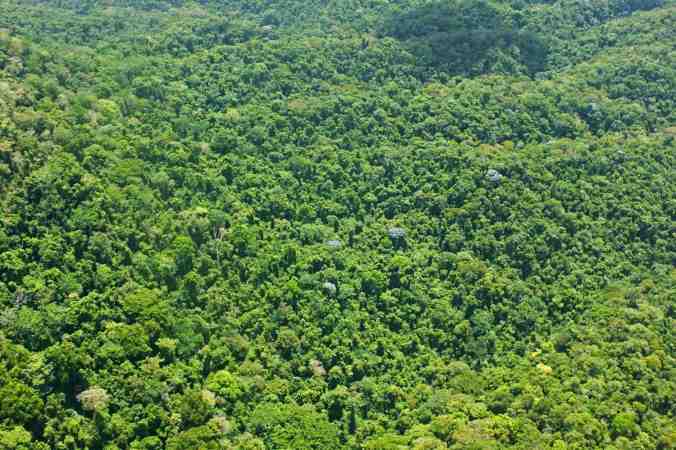
Gavi, part of the Periyar Tiger Reserve under the management of the Kerala Forest Development Corporation, is one of the off-the-beaten-track destinations ideal for a wilderness retreat replete with trekking, birding, canoeing and facilities for lodging. There are hills and valleys, tropical forests, sprawling grasslands, sholas (evergreen tropical forests), cascading waterfalls and cardamom plantations. Elephants, Nilgiri Thar, and the endangered Lion-tailed macaque are all often sighted at the outskirts of Gavi. Yesterday Mr. Sunu from Kottayam visited Gavi and shared some of his photos. Continue reading

Biophilia in Action

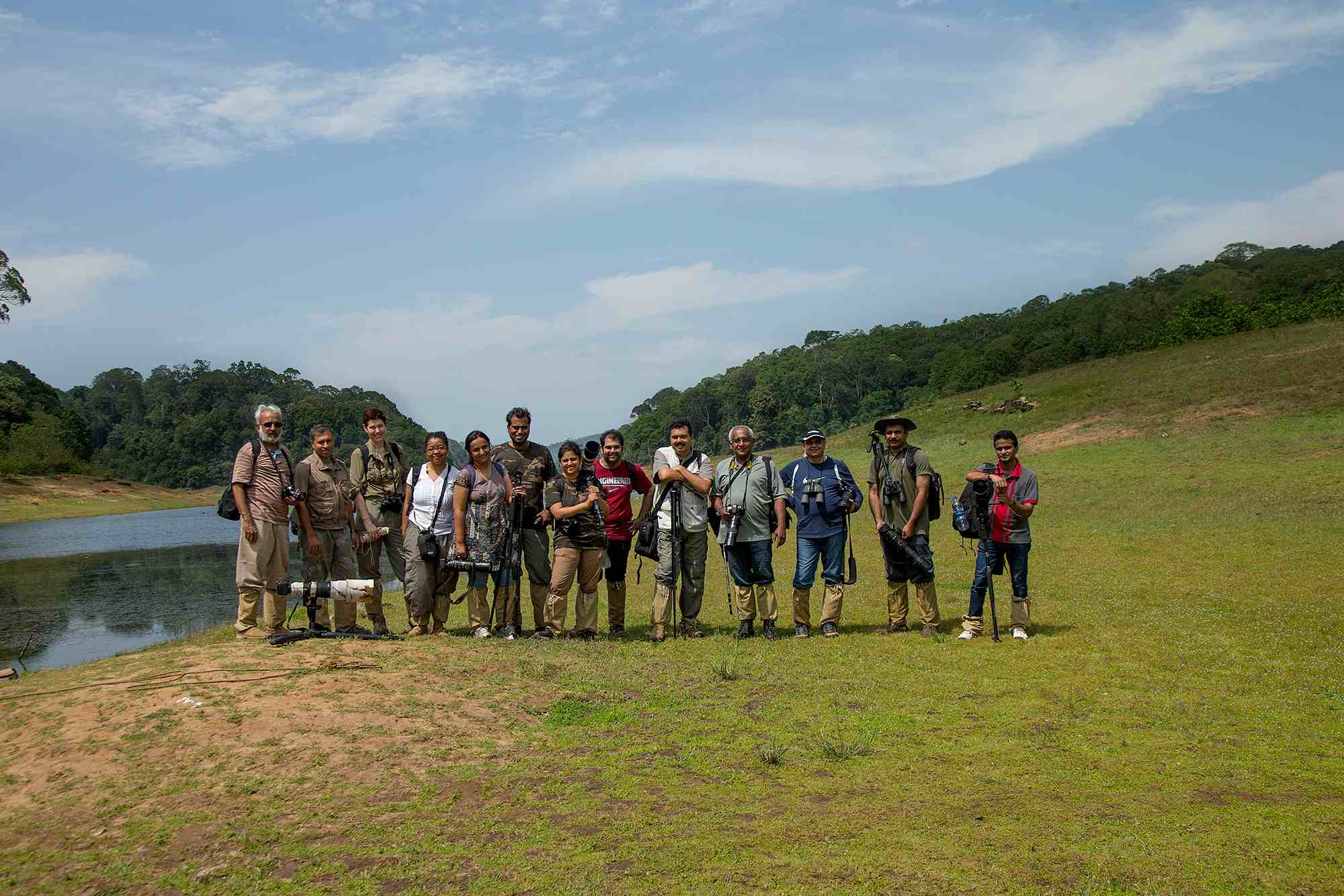
Master Wildlife Photography class in Periyar Tiger Reserve

Master Wildlife Photography class in Periyar Tiger Reserve

We’ve referred to the concept of Biophilia on these pages beforedefined by the Oxford English Dictionary as “A love of or empathy with the natural world, esp. when seen as a human instinct”—in other words, it’s an innate human desire to seek out nature.

This concept was played out last weekend when a group of photographers gathered at Cardamom County at the edge of the Periyar Tiger Reserve to attend a Master Class with Sudhir Shivaram, a renowned wildlife photographer in India. The fact that the majority of the participants have “day jobs” in the worlds of IT, engineering and medicine make the word Biophilia all the more relevant. Continue reading

Our Gang, Thevara (To Fly A Kite)

This slideshow requires JavaScript.

Our neighborhood, where kids know how to have fun on a hot summer’s day, is currently full of kids all day every day, now that school has been out for a while. The usual suspects are at it again, thinking about how to get airborne.


Fiery questions

Fire. That’s what comes to my mind when I think of Indian food. I understand from my colleagues that here in Kerala food can never be too spicy. Don’t get me wrong– I love spicy food. I am less keen on surprises. But how to make sure to avoid them ? Continue reading

Bamboo Rafting – Periyar Tiger Reserve

Bamboo Rafting

Community based ecotourism is the hallmark of the Periyar Tiger Reserve. These programmes are conducted by the local people responsible for the surveillance of the vulnerable parts of the reserve. Bamboo Rafting is a dawn to dusk range hiking and rafting programme through some of the richest forest tracts of the reserve. Continue reading

Lost Civilization, Collaborative Discovery

Seekers of past Honduran, Mexican civilizations to speak Wednesday at Meeting of Americas

We should not be surprised at the headline above or that the article we linked to here was a precursor to the pre-conference press release issued this week by the AGU:

A high-tech archeological exploration team of scientists and a filmmaker, who announced a year ago that they had glimpsed remnants of what might be a fabled ancient city in the Honduran rain forests, plans to speak about the team’s discoveries here tomorrow (15 May) at the 2013 Meeting of the Americas, and to show previously undisclosed images of apparent archeological sites. Continue reading

Renowned Chef Joan Nathan Cooks In The Shadow Of The Periyar Tiger Reserve


When we last saw New York Times contributor Joan Nathan she had written a lovely article about the fading tradition of a cuisine in India–exactly the type of story we love to share on this blog, but somehow we failed to.  This time, failure is not an option. We missed her at Cardamom County, but found her now in the New York Times.  She was in our neighborhood, walking our walk and talking our talk:

Kumily, India — One of the best parts of traveling, at least for me, is bringing back a food story, a new ingredient or a recipe. My family journeyed last year from the verdant tea plantations of Munnar down to the Cardamom Hills of Kerala, in southwestern India. Our driver, Janaki Raman, who had proved himself by dodging many a cow on the winding mountain roads, asked whether we might like to go to a local cooking class. Continue reading

At the tea factory

This slideshow requires JavaScript.

Tea in India tastes stronger, so I always ask for mine to be mild, just like I do for curry. As I learnt today during a visit at a tea plantation and factory this is due to the processing of tea mostly used here for the Indian market: CTC.  Continue reading