
Tompkins County, NY
Tompkins County, NY
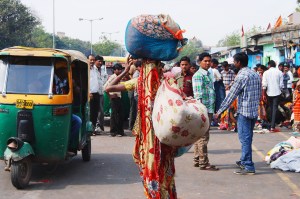 A sari: five yards of unstitched fabric ingeniously wrapped and draped. Nowadays, with the exhausting rhythm of fashion, tons of unwanted secondhand saris are discarded every day and collected by India’s informal rag-picker community who resell these fabrics. This task has gotten harder and harder to do as India’s GDP per capita rises along with a distaste for secondhand.
Back in 2010, Bijal Shah was working on slum development issues as a fellow of the AIF-Clinton Foundation for the NGO SAATH in Gujarat, India. In a sea of beautiful second hand sari fabric, she had the idea to turn secondhand Indian saris into one of a kind, exciting products. Continue reading
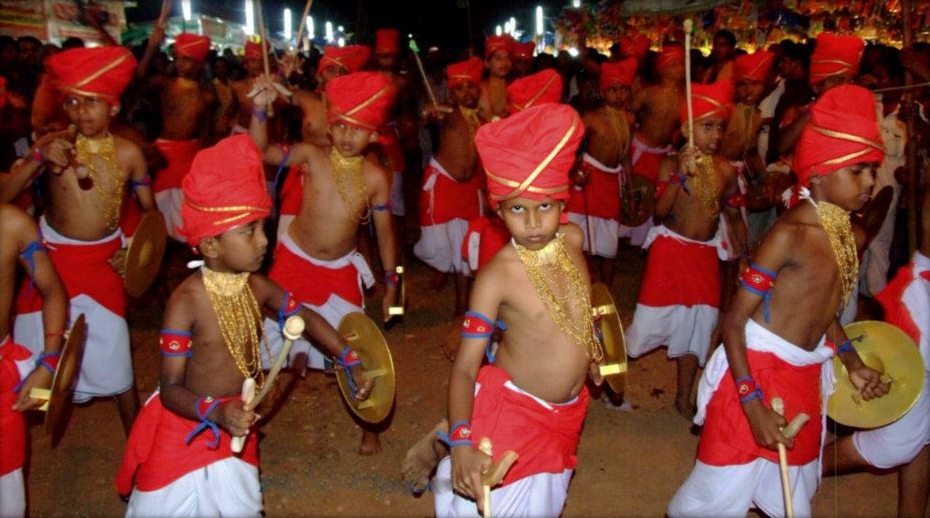
Photo Credits: Ramesh Kidangoor
Originating among the traditional warriors of Kerala, Velakali is a ritual artform presented in a temple courtyard. Among the martial folk arts, this is one of the most spectacular and extremely vigorous dances performed in Kerala. Fifty or more dancers dress up as soldiers with colorful shields and shining swords. Their fabulous attire includes a conical headdress and chests covered with beads and other types of garlands. The dance includes war-like steps in a line to the accompaniment of martial music. Fighting techniques are displayed by coming forward from the line. Continue reading
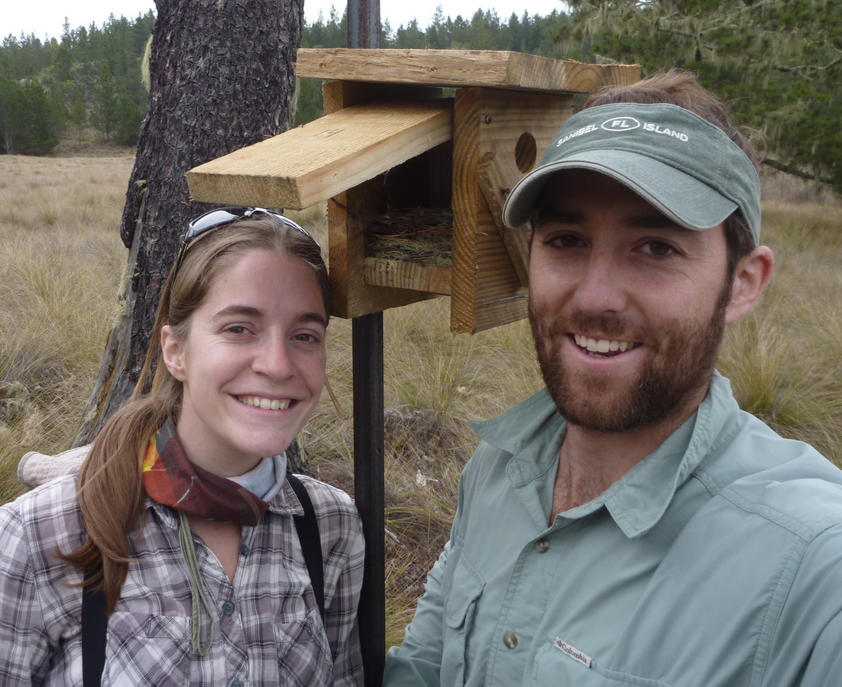
Marisol and Justin
Dear La Paz Group followers,
I’m excited to have been invited to share with you current updates from the Cordillera Central of the Dominican Republic where I am active in uncovering the life history traits and conservation strategies surrounding the Golden Swallow (Tachycineta euchrysea), a threatened passerine endemic to the island of Hispaniola. Continue reading
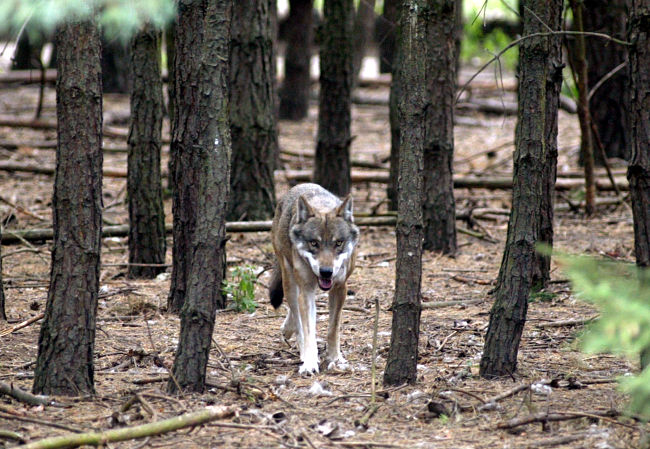
Thanks to the Atlantic Monthly‘s website for this story (click the image above to go to the source) about the resurgence of one of nature’s most historically feared beasts. Although the return of these animals has made relations between conservationists and farmers more difficult in Germany as elsewhere, the net gain for our natural world speaks for itself:
…Wolves have been absent from Germany for nearly a century, hunted out of existence by the end of the 1800s.
But over the past 10 years, they’ve made a comeback as packs from Poland and Russia have migrated into the sparsely populated eastern German state of Brandenburg. Today, some 160 wolves in 17 packs rove south and east of the capital Berlin, occasionally wandering into the city. Continue reading
From the India Ink section of the New York Times website:
The city of Chennai, formerly Madras, may be the most famous of Tamil Nadu’s cities, but the historical and cultural heart of India’s southernmost state is arguably Madurai. Continue reading

Photo Credits: Ramesh Kidangoor
Vaikom Mahadeva Temple is one of the most famous and oldest Siva temple in Kerala. Legend has it that the Mahadeva Temple was constructed by Lord Parasurama, the 6th incarnation of Lord Vishnu and the mythological creator of Kerala. Continue reading


Stationery made of elephant dung. Among the entrepreneurial ventures I discovered while browsing through the sustainable products distributed by Raxa Collective at Cardamom County, this one must be my favorite. I had seen goat dung dried and then mixed with dirt to build houses in Masai villages in Kenya, but I had never seen tools or products made out of dung. Continue reading
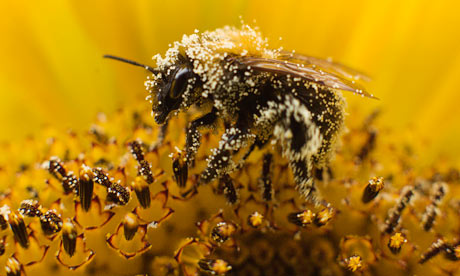
A bee collects pollen from a sunflower in Utrecht, the Netherlands. EU states have voted in favour of a proposal to restrict the use of pesticides linked to serious harm in bees. Photograph: Michael Kooren/Reuters
At a time when news out of Europe often points to political dysfunction, on at least one front we can point to some good news for these creatures who need help perhaps more than ever, and deserve it; they are finally getting it in at least one part of the world:
Europe will enforce the world’s first continent-wide ban on widely used insecticides alleged to cause serious harm to bees, after a European commission vote on Monday.
The suspension is a landmark victory for millions of environmental campaigners, backed by the European Food Safety Authority (EFSA), concerned about a dramatic decline in the bee population. The vote also represents a serious setback for the chemical producers who make billions each year from the products and also UK ministers, who voted against the ban. Both had argued the ban would harm food production. Continue reading

San Meteo, CA
When he had a choice Treehugger.com founder Graham Hill chose to live in a small apartment. He believed it would allow him to live within his means financially, environmentally and beyond…

Another great article (click the image to the left to go to the source), complementing this recent one from the New Yorker, about one special location within the region several members of Raxa Collective have called home for most of the last two decades:
The rain forests of Mosquitia, which span more than thirty-two thousand square miles of Honduras and Nicaragua, are among the densest and most inhospitable in the world. “It’s mountainous,” Chris Begley, an archeologist and expert on Honduras, told me recently. “There’s white water. There are jumping vipers, coral snakes, fer-de-lance, stinging plants, and biting insects. And then there are the illnesses—malaria, dengue fever, leishmaniasis, Chagas’.” Nevertheless, for nearly a century, archeologists and adventurers have plunged into the region, in search of the ruins of an ancient city, built of white stone, called la Ciudad Blanca, the White City. Continue reading

Photo Credits: Ramesh Kidangoor
Panchavadyam is an orchestra made up of five instruments, primarily percussion but one wind instrument – chenda, kombu, kuzhal, elathalam and maddalam. Kerala temple festivals are the ideal occasion to witness its entire range of traditional musical expertise. Originally this was the music that accompanied temple processions where caparisoned elephants carried the idol. A panchavadyam performance takes hours, with a pyramid-like rhythmic structure in which the instruments go through five musical stages, or peaks.
Continue reading
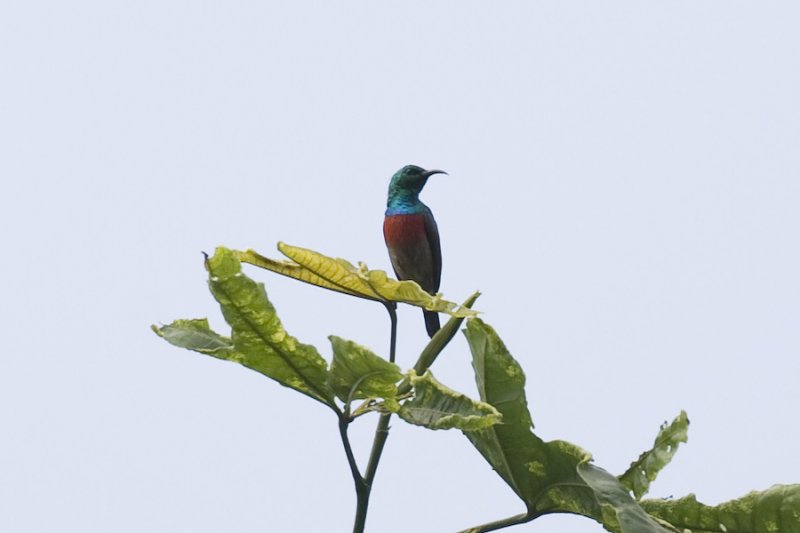
Mole National Park, Ghana
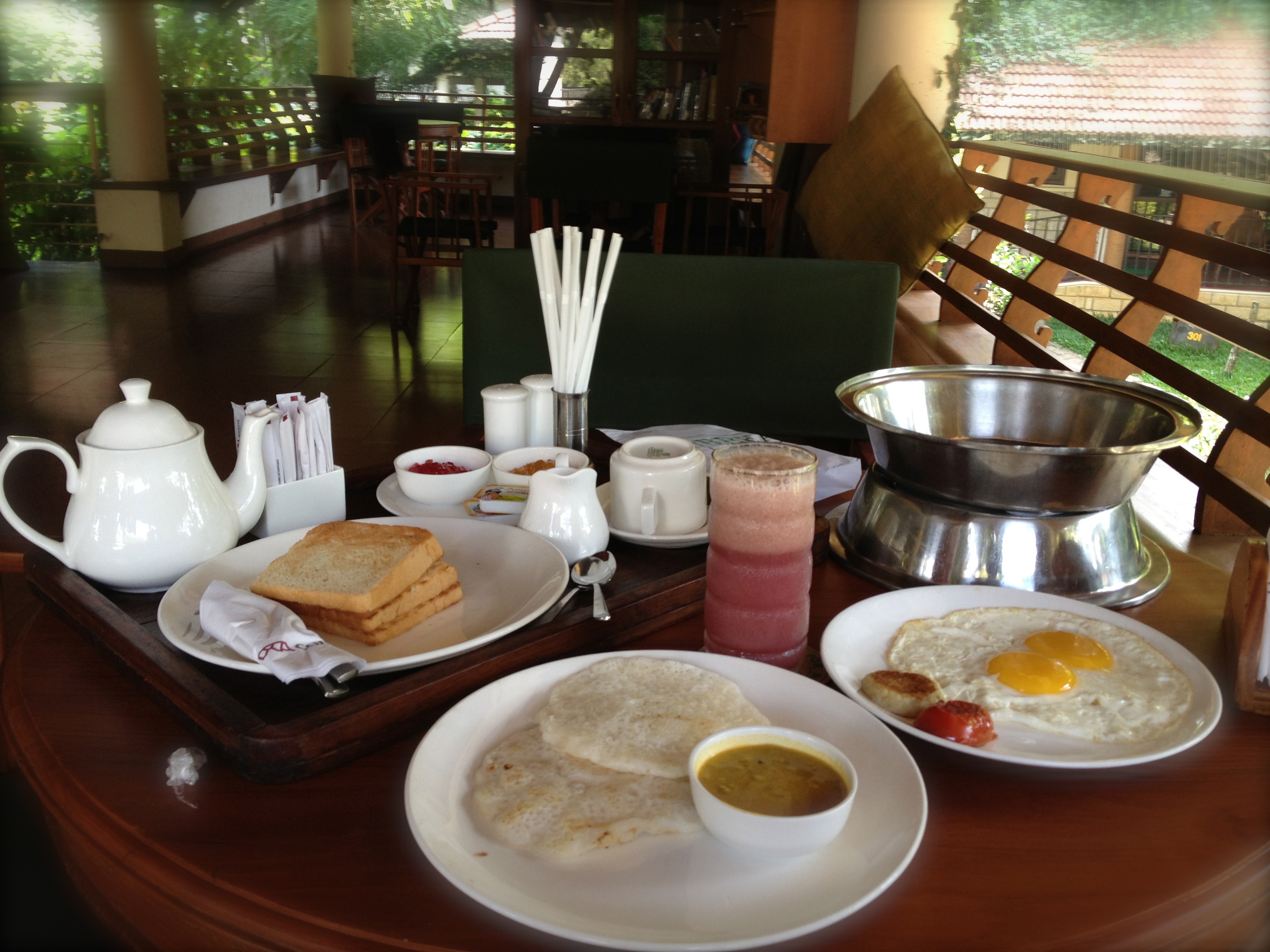
Sunday breakfast indian-style: a meal that just requires to be eaten with the hands
I was about to start my meal at the canteen with my colleagues yesterday when I decided it was time to take the dive and eat with my hands. Boy, was it an exercise, I mean a physical exercise.
As a first-timer I was quite slow: I’ve read it is most polite to use your thumb, pointer and middle finger, and to let only the first two joints of those fingers touch the food. I’m not sure that I did all that. Also you only eat with your right hand, even if you’re a lefty. The left hand will take care of menial things such as wiping your tears of eyes after a spicy curry. The whole meal activates so many muscles that it left me exhausted. It got me thinking about the lack of thought and the lack of physical effort me and my folks, in westernized countries, put into the act of eating. Eating with the hands is common in many areas of the world, including parts of Asia and much of Africa and the Middle East and it has plenty of health benefits. Continue reading
Note: we do not endorse the wine, nor its use as ink; but we like the way they are thinking.
Thanks to MyModernMet for the notification about this:
Street artists JR and José Parlá recently teamed up to create enormous and yet very intimate portraits of senior citizens who survived the Cuban Revolution (1953-1959). Continue reading

Photo Credits: Ramesh Kidangoor
Shravanbelagola is a famous Jain pilgrimage centre that abounds in monoments. The 17-meter high, 1000-year-old monolithic statue of the Jain saint Gommateshvara, considered to be the world largest monolith stone statue, is situated here. Gommata was the Jain prince who renounced the world in his moment of supreme triumph and victory in war. Pilgrims travel to the site by the thousands to view the statue of this man of great moral strength and virtuous character. Continue reading
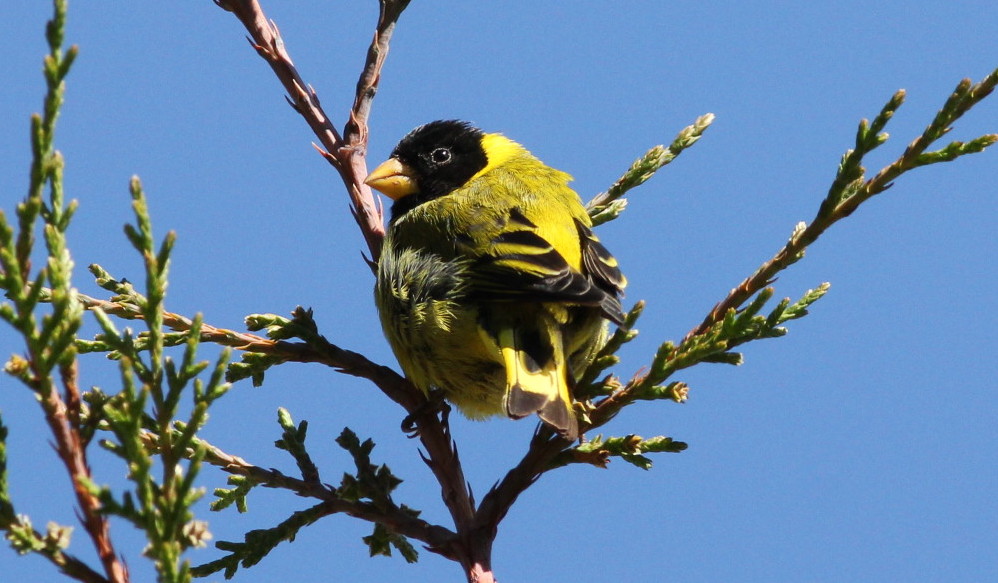
Parque Valle Nuevo, Dominican Republic


This week, I arrived in Thekkady, at the frontier between Kerala and Tamil Nadu. My name is Allegra I’m a french professional who decided to take a break from hectic Paris to learn about entrepreneurial conservation and eco-tourism. I’ll spend the next two months at Cardamom County with Raxa Collective. Cardamom County borders the Periyar Tiger Reserve. As it nears the center of a bustling spice-trading town, I sometimes forget we’re in a forest. Nature always finds a way to remind you though. Continue reading
 Organikos