Silky Nests in Funky Places

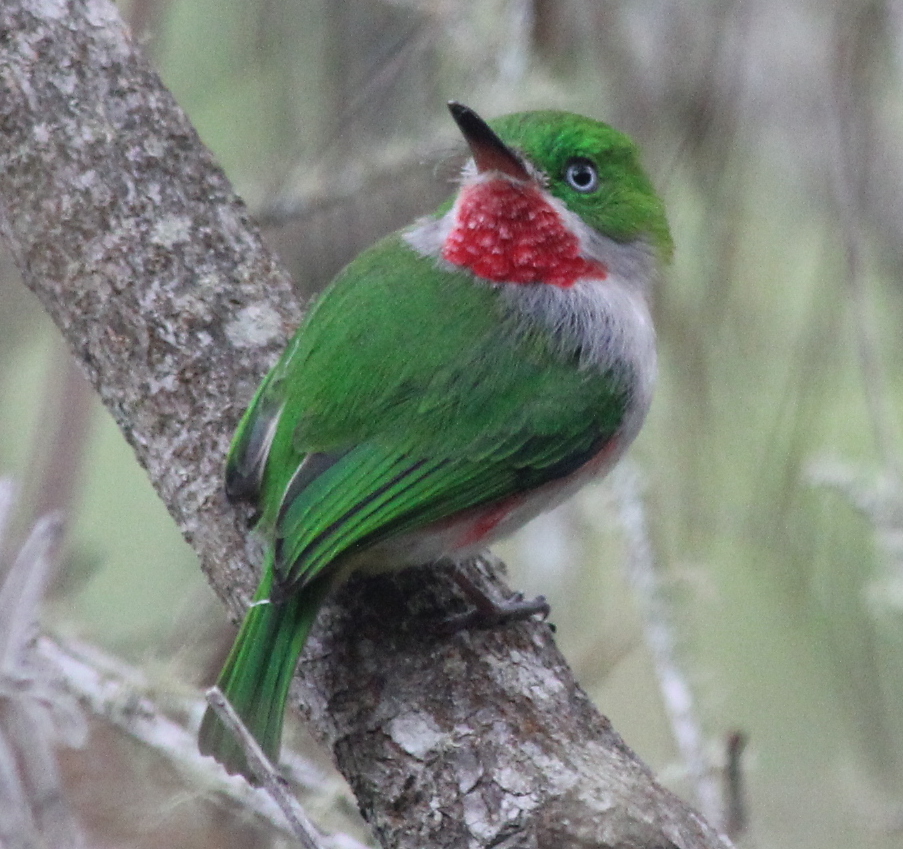
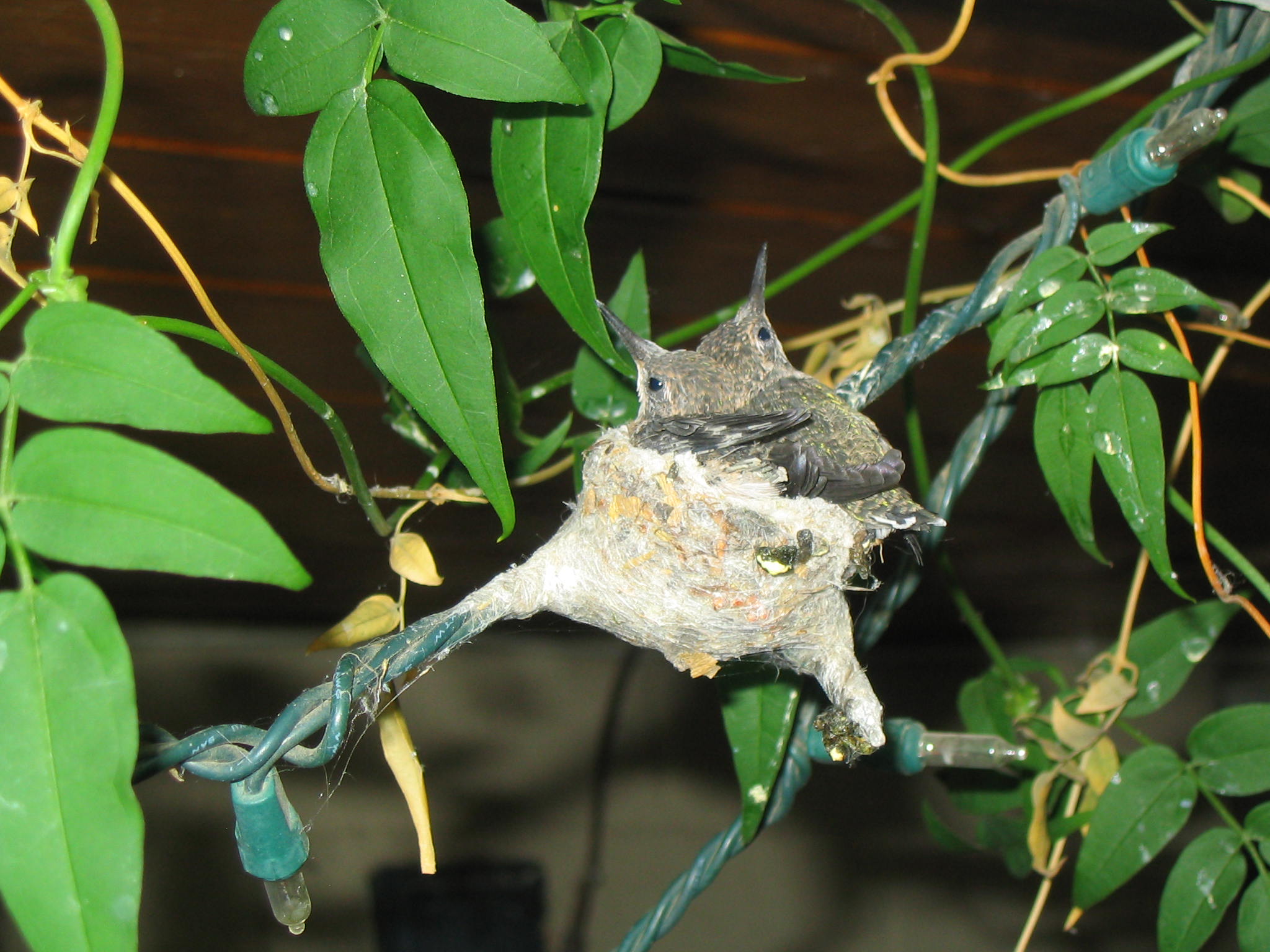
Photo by Charles Spencer, AZ

If you’ve ever watched a hummingbird for some time, you’ve probably thought that they’re one of the cutest and most exciting birds that you can find in your yard. Most would agree that it is some combination of their size, speed, vibrancy (of both color and motion), and relative rarity that can make them so appealing to us, but have you ever seen hummingbird nestlings? Or a nest, for that matter?

In the past couple years of the Funky Nests in Funky Places competition we’ve received photos of over a dozen hummingbird nests, all but one of which have been built on a man-made object! Seeing the hummingbird hatchlings poke their little beaks out of the tiny cup that the mother has created for them is a wonderful experience, and the feat of each minuscule nests’ construction becomes more impressive when you consider what the assembly materials are.

As you take a close look at the contributors’ photos shared here, you should be able to see (despite occasional blurriness) that the majority of the nest cup seems to be comprised of a silky substance. Surprisingly enough, much of this is spider web! Also known as spider silk, these strands of what humans normally think of as a fragile material (though some species of spiders produce silk with a higher tensile strength than steel) are perfect for hummingbirds’ purposes because they are sticky, light, stretchy, and strong.
Continue reading

Roads Not Built For Cars

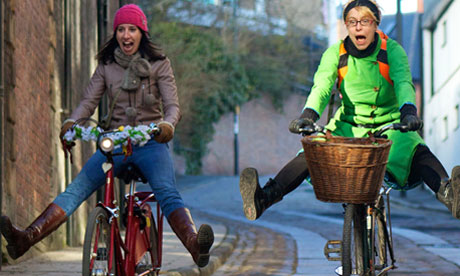
Hanover Street in Newcastle-upon-Tyne, originally built for horses and carts. Photograph: Carlton Reid

Hanover Street in Newcastle-upon-Tyne, originally built for horses and carts. Photograph: Carlton Reid

Definitely our cup of tea:

Even the BBC has called me it, so it must be true. Back in 2011 when I wrote this piece for the Guardian I was merely a journo-with-a-book-idea; now I’m a historian. Two years ago on this very blog I wrote:

Many motorists assume that roads were built for them. In fact, cars are the johnny-come-latelies of highways.

I went on to explain a little bit more about my highway history revisionism. Continue reading

From India to Cornell, We Wish Sush All The Best

TataScholarCornell


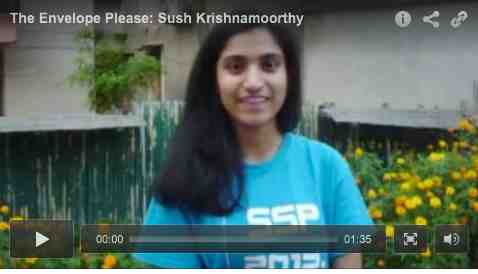
One day we hope to replicate Tata Scholarship program’s hard currency support, but for now do our part through internships and volunteer programs (browse through our contributor section to see plenty of examples).  Here is someone we hope to invite to intern with us; for now we invite all our Cornell friends to extend a warm welcome, as we know they will. Hopefully you have followed this whole series, but if not you might want to go back and read Sush’s earlier posts to appreciate this one more:


Sush Krishnamoorthy, a student from New Delhi, is part of “The Choice” class that includes student-bloggers from Nairobi, Kenya; Topeka, Kan.; Seattle; Rogers, Ark.; Las Vegas; New York City; and Hunting Valley, Ohio. Her ninth post is below. — Tanya Abrams

Early in the college application process, I classified colleges as “dream” schools and “reach” schools based on their acceptance rates. It is popular advice to do so. Also, the terms “selectivity” and “acceptance rate” are often used interchangeably, and this indicated to me that the higher the acceptance rate of a college, the easier it is to get in. Continue reading

Nilavilakku -Traditional Lamps

Photo Credits: Dileep Narayanan

Photo Credits: Dileep Narayanan

The Nilavilakku is an integral part of the rituals and ceremonies in most Kerala homes. Lighting the Nilavilakku on certain occasions is considered auspicious, especially within the Hindu community and at places of worship. As dusk sets in, young girls in Hindu families bring the lighted lamps to the verandah of the house. In the flickering light of the nilavilakku children and family elders gather to chant hymns and evening prayers. Continue reading

If You Happen To Be In New York City

This slideshow requires JavaScript.

An artist seemingly after our own heart, thinking as we do about the impact of light pollution. Through May 4, you can see for yourself. From the Danziger Gallery’s website:

Thierry Cohen was born in Paris in 1963. He began his professional career in 1985 and is seen as one of the pioneers of digital photography. His work has been shown at the Palais de Tokyo, and the Musee de l”Homme in Paris, and in 2008 was an official selection of the Mois de la Photo. Since 2010 he has devoted himself to a single project – “Villes Eteintes” (Darkened Cities) – which depicts the major cities of the world as they would appear at night without light pollution, or in more poetic terms: how they would look if we could see the stars. Continue reading

2013 Goldman Award Winner

2013_azzamalwash_profile

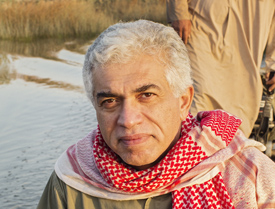
Recently brought to our attention due to a short documentary, today’s news puts new wind in his sails with the award of this much-deserved prize (click the image to the right to go to the website):

Giving up a comfortable living and family life in California, Azzam Alwash returned to war-torn Iraq to lead local communities in restoring the once-lush marshes that were turned to dust bowls during Saddam Hussein’s rule.

The Mesopotamian marshlands in southern Iraq are known by many as the birthplace of civilization. Situated between the Tigris and Euphrates rivers, the area was once an oasis of aquatic wildlife filled with lush reed beds, water buffalo, lions, foxes and otters. It was also one of the world’s most important migratory flyways for birds.

In the mid-1990s, Saddam Hussein burned, drained and poisoned the area in retaliation of Shiite Arabs, who had staged uprisings following the Kuwait invasion and fled to the marshes for refuge. The wetlands once known as the Garden of Eden turned to dust bowls, driving out the descendants of ancient Sumerians who had inhabited the area for thousands of years. Continue reading

A Great Magazine Becomes A Great Insititution

The consistently superb essayist Adam Gopnik, who often writes about topics unrelated to the themes of our blog, in this week’s New Yorker writes on a topic close to our heart (click the image above to go to the article, subscription required):

Magazines in their great age, before they were unmoored from their spines and digitally picked apart, before perpetual blogging made them permeable packages, changing mood at every hour and up all night like colicky infants—magazines were expected to be magisterial registers of the passing scene. Yet, though they were in principle temporal, a few became dateless, timeless. The proof of this condition was that they piled up, remorselessly, in garages and basements, to be read . . . later. Continue reading

Malik Ibn Dinar Mosque – Kasaragod, Kerala

Photo Credit: Ramesh Kidangoor

Photo Credit: Ramesh Kidangoor

Malik Ibn Dinar Mosque is one of the oldest Mosques in Kerala. It was built by Malik Ibn Dinar, a missionary from Arabia who is credited with bringing Islam to the Malabar shores. The original mosque Dinar built in 648 AD was a small structure but with marble paving stones brought from Mecca. Continue reading

Simple Superiority

On the margins of topics we pay attention to on this site, there is a steady stream of posts related to some of today’s great thinkers and researchers on the topic of decision-making and related topics. Here is more.  But simpler, we presume. We have not read the book yet; only this review from the New York Times:

Less is more. The bare essentials. Back to basics. User-friendly. No fine print. Clutter-free. Transparent. Clean. Easy. Back in the mid-19th century Henry David Thoreau exhorted us to “simplify, simplify,” and his appeal to distill things down to “the necessary and the real” has only gained more resonance, as our Internet-driven, A.D.D. culture has grown ever more complex and frenetic. Continue reading

Photographs Of Life In Pre-Soviet Russia

This slideshow requires JavaScript.

From a photographer-centric website called Lens Culture, this photobook review of a collection called Nostalgia helps us visually ponder a now forgotten world through a particular lens:

Nostalgia: The Russian Empire of Czar Nicholas II Captured in Color Photographs

photographs by Sergei Mikhailovich Prokudin-Gorskii Continue reading

Festival Of Kerala- Vishu

Photo Credit: Abhay

Photo Credit: Abhay

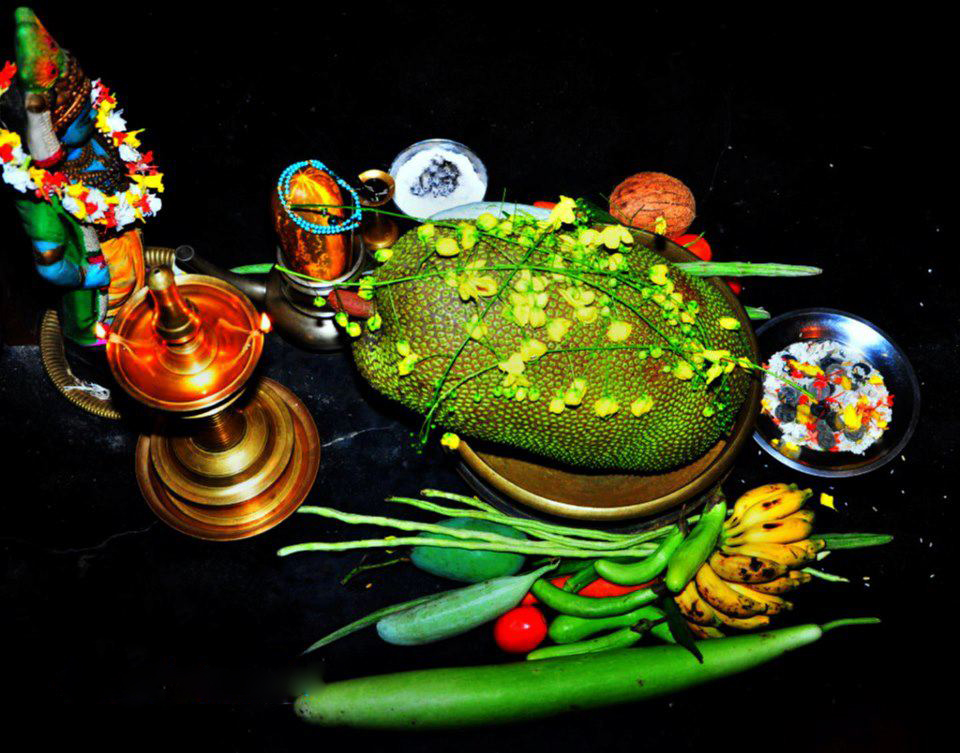
Celebrated on the first day of the Malayalam month of Medam (which in 2013 falls on April 14th) Vishu is one of Kerala’s most important festivals. The parallel festival to the Onam harvest celebration, Vishu is the festival of sowing. All Hindu households begin the day with offerings called vishu kani. This consists of a ritual arrangement of auspicious articles like raw rice, fresh linen, golden cucumber, betel leaves, banana, jack fruit , yellow flowers (indian Laburnum) and a metal mirror. Continue reading

Getting Grilled About Nests

Photo by Sharon Obery, IL

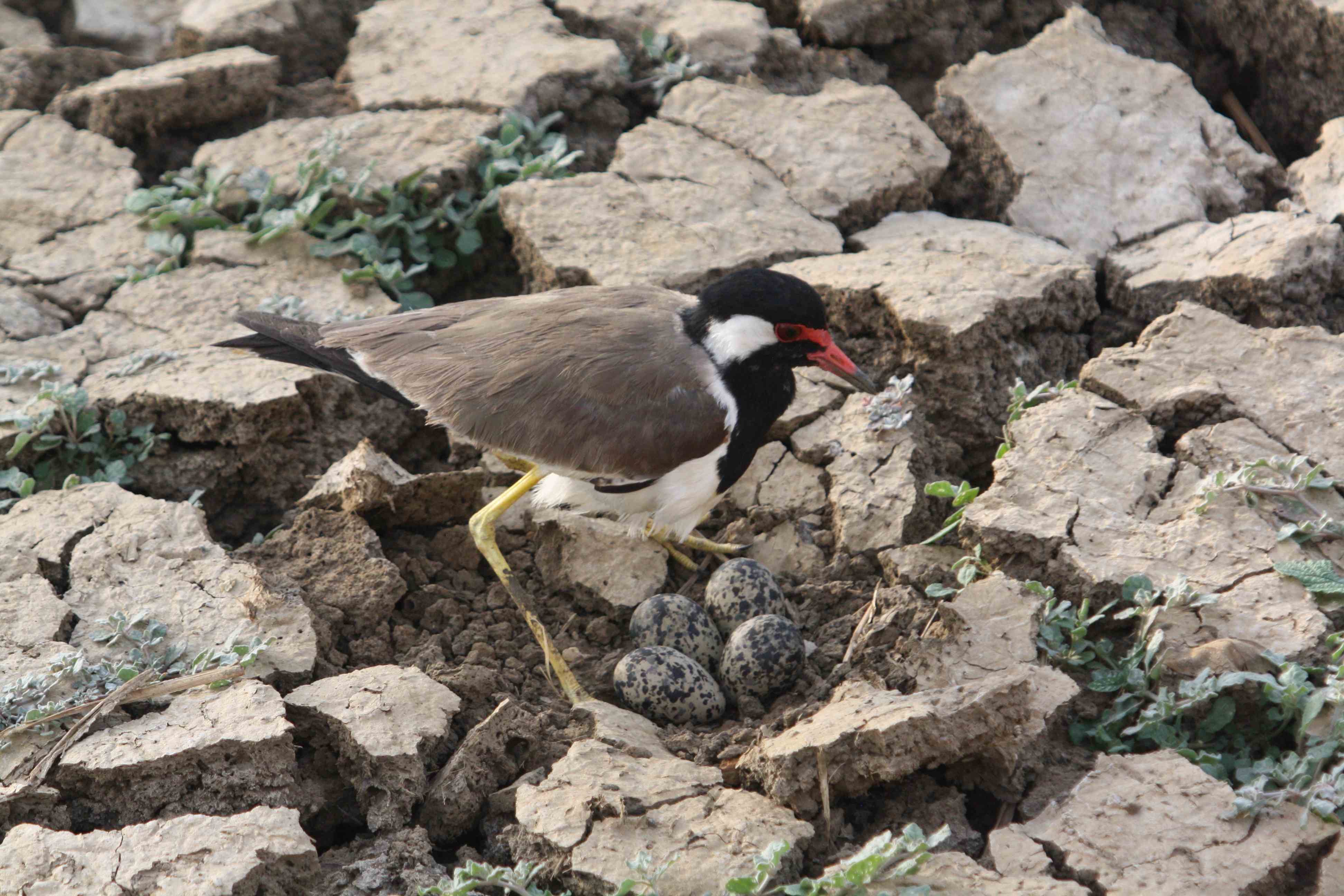
In the past few years at the Celebrate Urban Birds Funky Nests in Funky Places competition we have seen a fair number of nests found by contributors in their grills. And although at first it might seem surprising to learn that so many people are finding nests there (and, as you can see from their captions, the photographers are usually pretty shocked to open up their grill and encounter eggs or nestlings!), if you think a little about what certain bird species look for in a nesting location, grills actually make sense as nest homes. Why? Well, let’s review a couple facts about bird nests.

First off, many species will always nest in a protected hole, or cavity. The most common of these that you could find around your house include (but aren’t limited to) European Starlings, House Sparrows, House Wrens, and Eastern Bluebirds. Next, we should remember that the most important factor for a nest location is its capability to provide shelter and protection from predators. Does it sound like a grill would meet these requirements? Here’s some of their nest-worthy qualities:

Continue reading

Innovative Cross-Cultural Sound

Thanks to the folks who created the music-recording studio (more on which to come) we had the opportunity to experience this live:

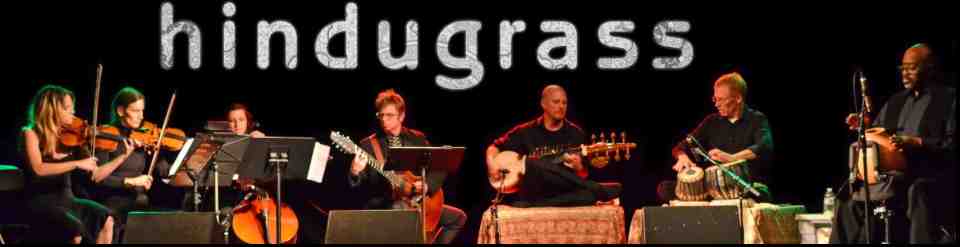
Hindugrass at Manifold Recording

Kicking off our recording sessions for the new album with a live performance in the magnificent music room at Manifold Recording. Continue reading

Lake Vembanad

Photo Credits: Ramesh Kidangoor

Photo Credits: Ramesh Kidangoor

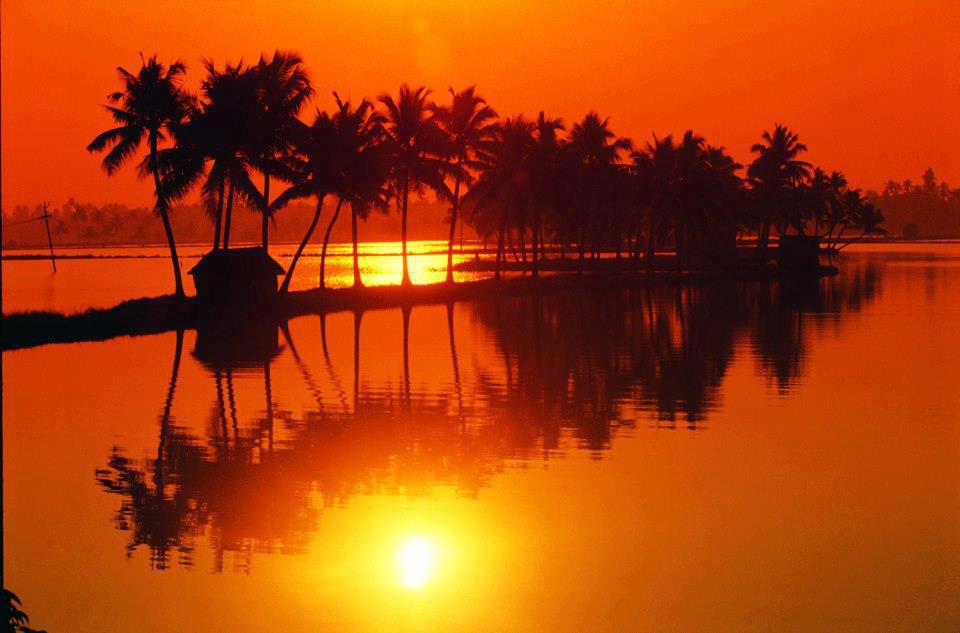
Lake Vembanad at sunset is a vision of coconut palms reflected on calm water. Famous for its boat races, marine products and ubiquitous coir industry, this land of lush paddy fields is also referred to as the “Rice Bowl of Kerala” and one of the few places in the world where farming is done below sea level. Continue reading

Weird Businesses, Natural History Edition

Eric Prokopi, of Gainesville, in the five-thousand-square-foot fossil workshop that he built in his back yard. Photograph by Richard Barnes.

Eric Prokopi, of Gainesville, in the five-thousand-square-foot fossil workshop that he built in his back yard. Photograph by Richard Barnes.

I am not sure what to make of this.  Is it entrepreneurial conservation from a different angle? This story, in character with the New Yorker‘s brand of long form journalism, tells a remarkably odd story in must-read fashion:

Natural history goes to auction five or six times a year in America, and one Sunday last May a big sale took place in Chelsea, at the onetime home of the Dia Center for the Arts. The bidding, organized by a company called Heritage Auctions, began with two amethyst geodes that, when paired, resembled the ears of an alert rabbit. Then came meteorites, petrified wood, and elephant tusks; centipedes, scorpions, and spiders preserved in amber; rare quartzes, crystals, and fossils. The fossils ranged from small Eocene swimmers imprinted on rock to the remains of late-Cretaceous dinosaurs.

Continue reading