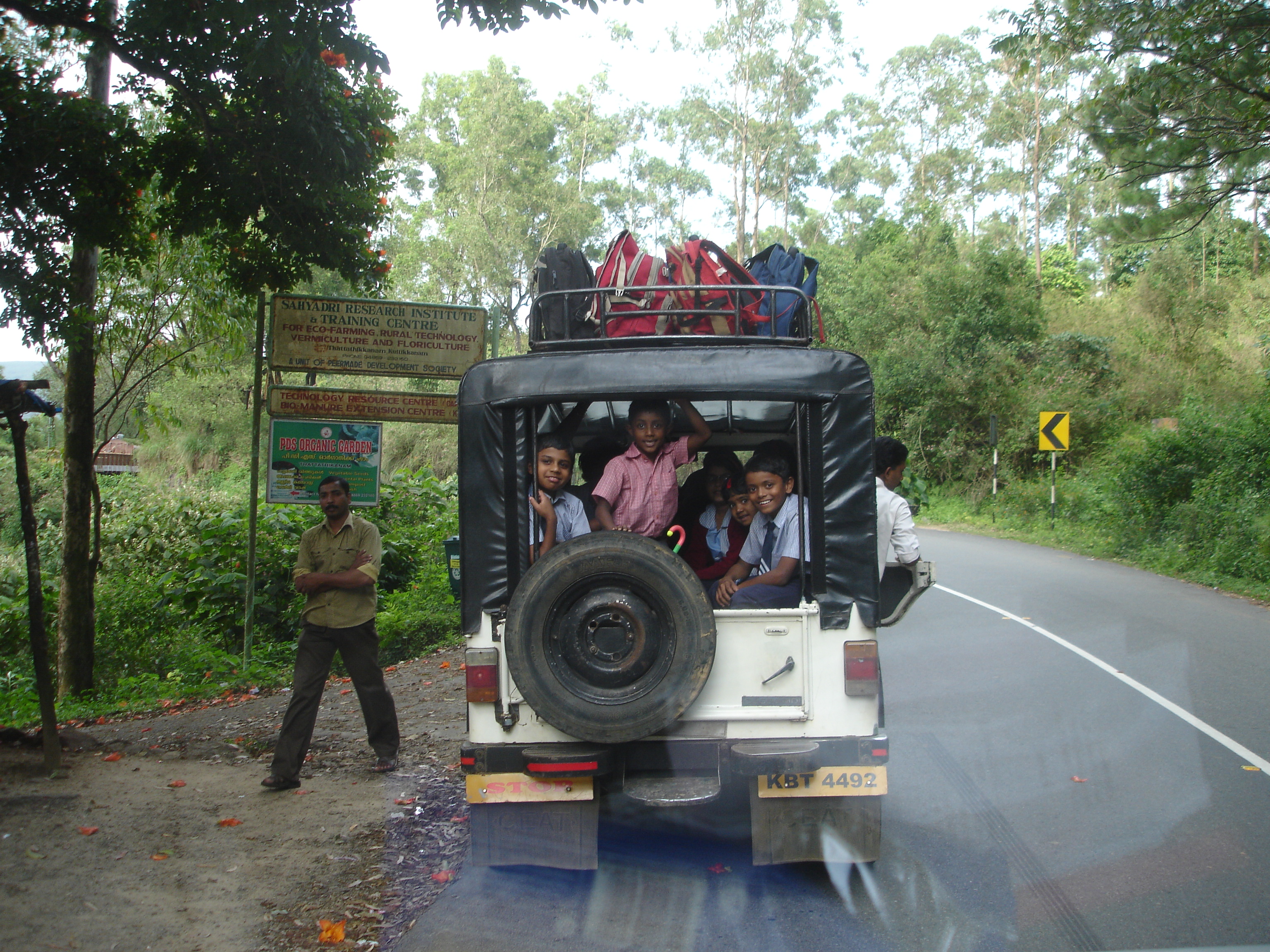
Ghats Road, Idukki District
Ghats Road, Idukki District
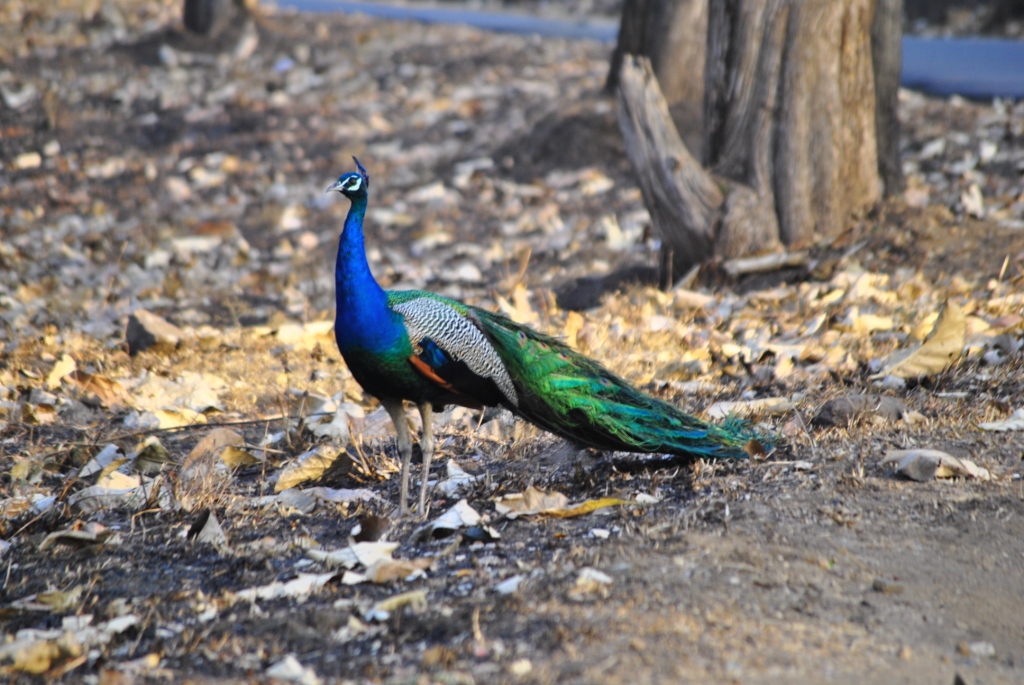
Peacock at Chinnar wild life sanctuary, near Munnar
A symbol of beauty, grace and pride, the Peacock is the national bird of India. It is a large brightly colored bird native to South Asia, but widely found in India. They are mainly found in open forest and farm lands where they feed on berries, grains and also pray on snakes, lizards and small insects. Continue reading

And if you happen to be a textile-oriented sustainabilist, click the banner above to see more about this event:
This year, Textile Exchange is partnering with EcoTextile News, Messe Frankfurt, and Planet Textiles to bring you the premier 2012 Sustainable Textiles conference in Hong Kong, October 4 and 5. This event will be hosted at the Hong Kong Convention and Exhibition Centre, running in conjunction with Interstoff Asia Essential – Autum Fair.
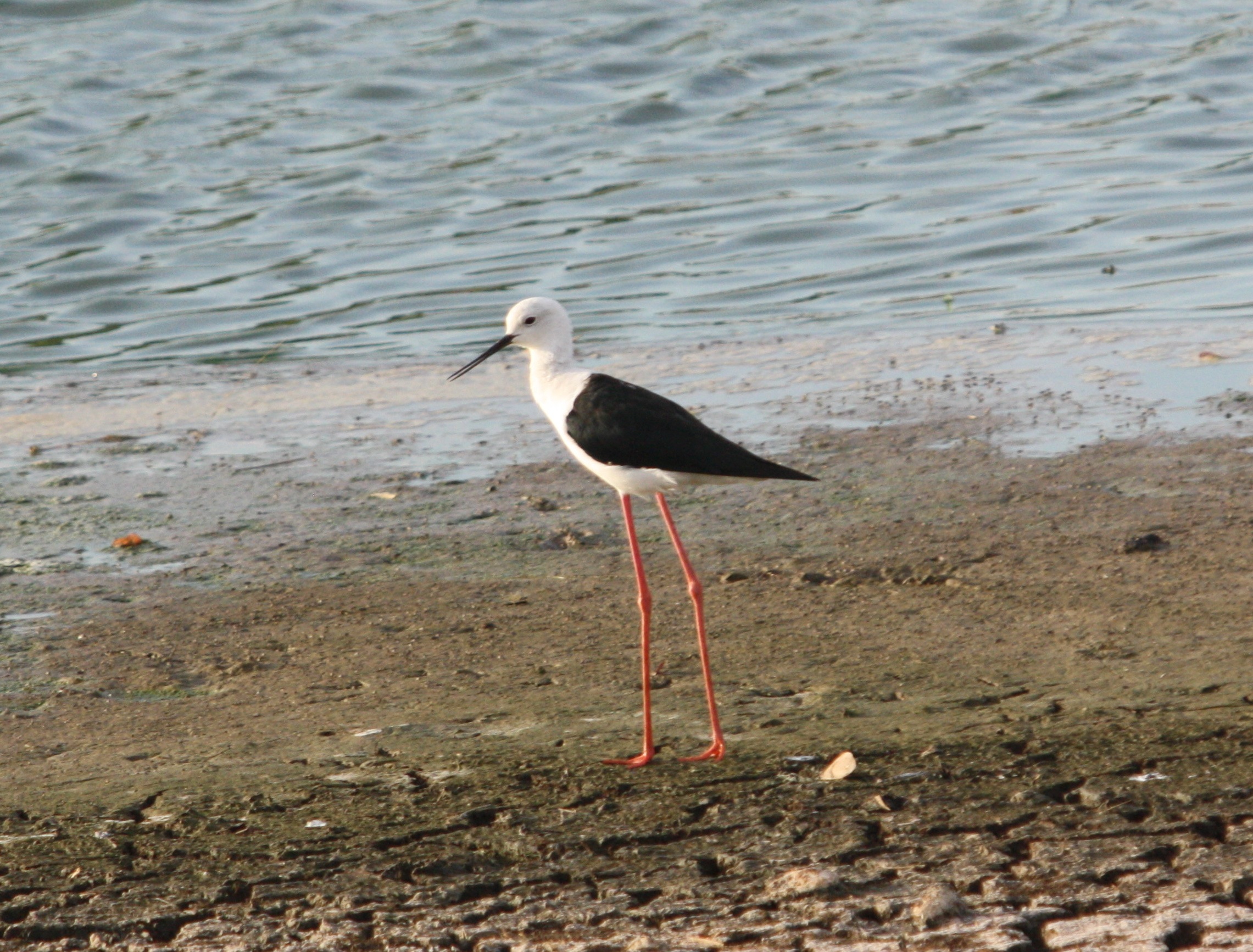
Uda Walawe, Sri Lanka

Click the banner above to go to the source. Read it and smile:
August 2012 We have had an extremely busy month or so on the project. For example in addition to using high tech windows and solar panels we are now going to make THTKB out of locally sourced waste material from building sites, recycling centres, Freegle etc. Continue reading
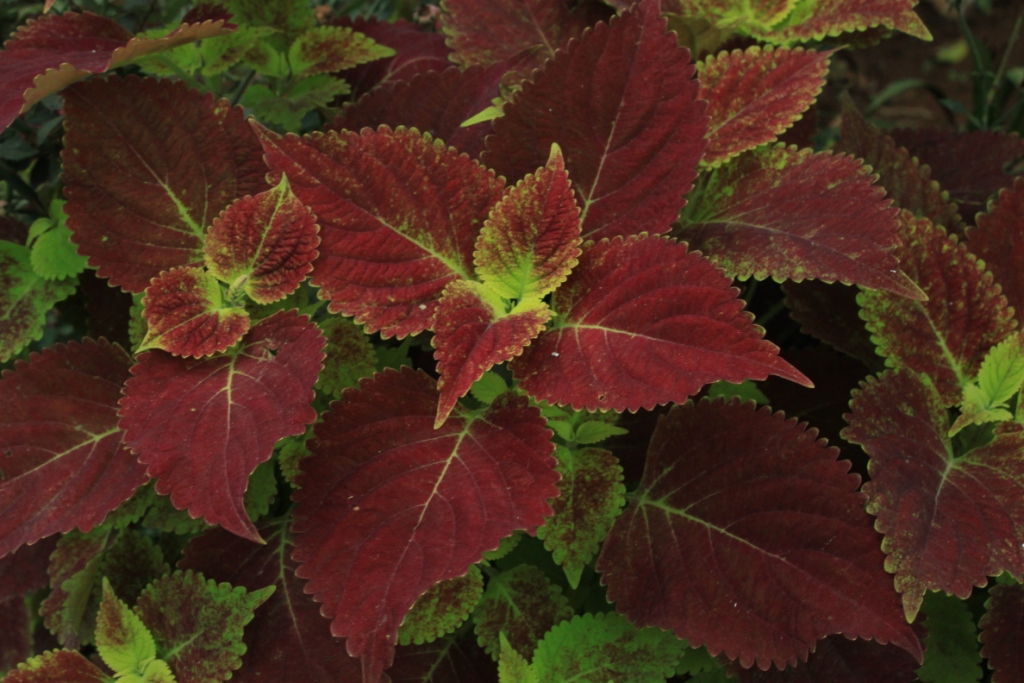
Painted Nettle is native to Southeast Asia and is commonly found in the nurseries and gardens of the high ranges of Kerala. The smooth leaves are brightly colored with green edges and splotches of color ranging from blood-red to brown. In medicine it is used to treat stomach pain, digestive problems, dysentery and even elephantiasis.

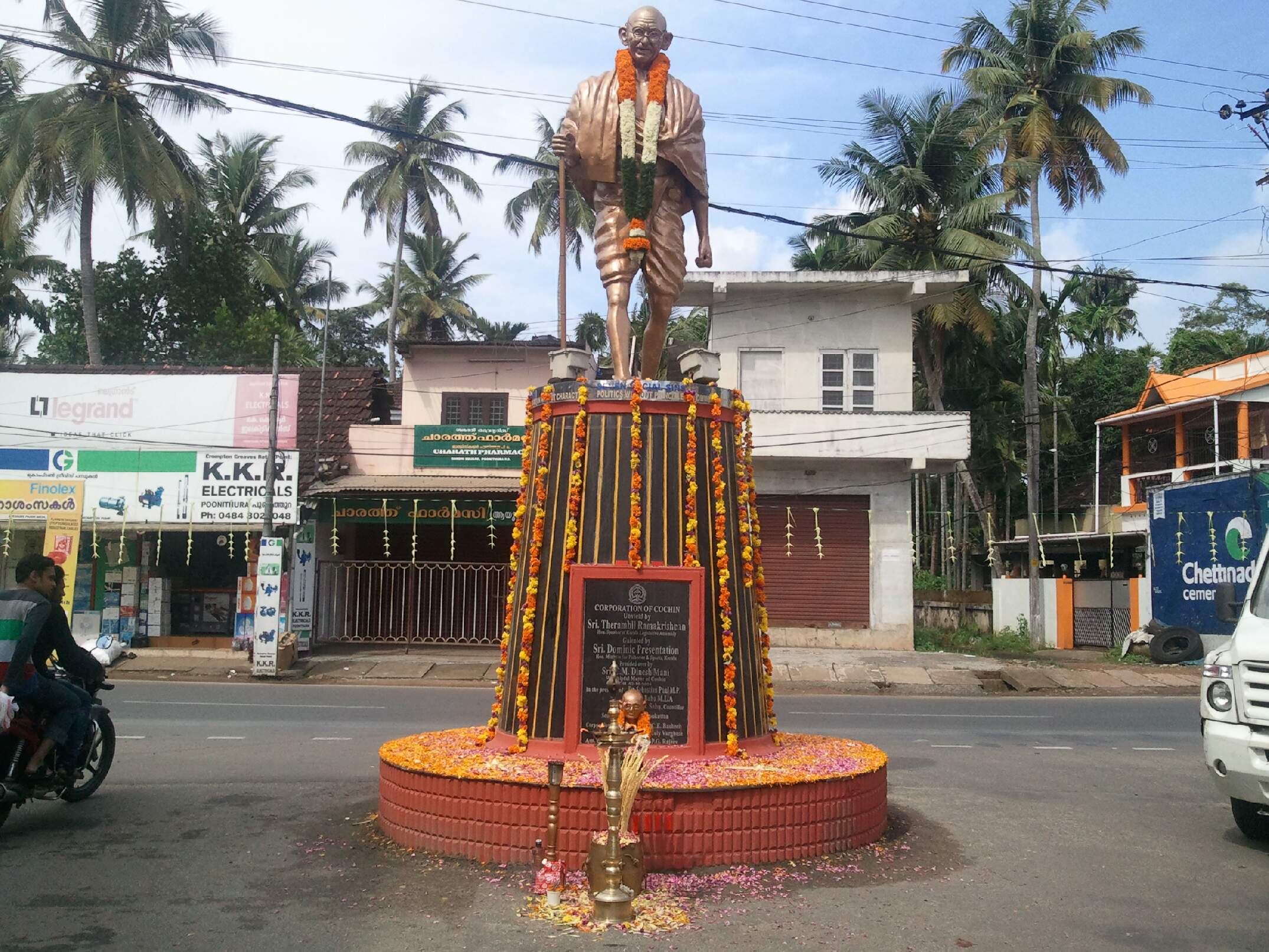
Gandhi Square Junction, Tripunithura
Kolukkamali is located near Munnar at the upper reaches of the Tamil Nadu and Kerala border at an elevation of 7900 feet above sea level. The drive to the top past sprawling tea plantations and through a narrow track is an adventure in itself. Continue reading

Uda Walawe, Sri Lanka
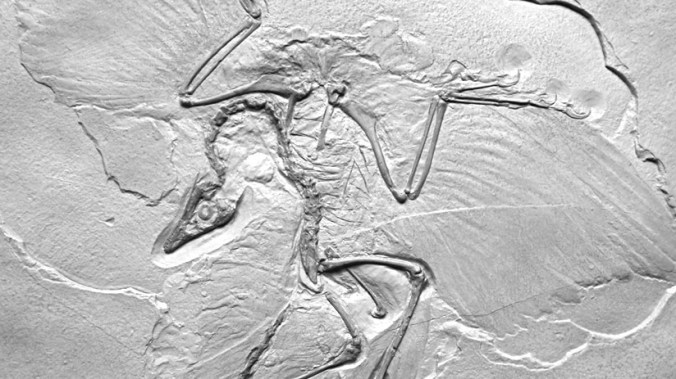
Thor Hanson/Basic Books. Thor Hanson’s own cast of Archaeopteryx lithographica presents what he calls the “ancient wing written in stone.”
Click the image above to go to a podcasted interview with Thor Hanson, author of Feathers:
“To this day, they are the most efficient insulation known. We haven’t been able to match them with synthetics, and I think it boils down to that growth process and the fact that you can make these fine, fine branching structures. The key to insulation is what they call loft — how much air can you hold in a small space? And because feathers are so beautifully and finely branched, they can hold a great deal of tiny, tiny air pockets in that branched structure. And that’s what people try to mimic with synthetics, but haven’t been able to match feathers for that yet, because it’s difficult to manufacture finely branched structures.” Continue reading

M.G. Road, Ernakulam

Photo credit: Stephen Crafts
Long before Carson and Attenborough, as noted in a post by Meg last year, there were Vedic, Buddhist and Hindu texts; Old Testament scribes, New Testament scribes, great Islamic scholars; but also there were Greek philosophers, Roman thoughts nearly lost; on and on, closer to the present with Thoreau; etc.
All providing us with a sense of reverence for, and a way to understand, the mysteries we will refer to here as Nature. But what is next? And who will be our interpreters and scribes? Anyone following this site will know we are partial to Jad‘s sonically luscious and always surprising approach to making sure we understand and appreciate the world we live in; ditto for Krulwich (whom we have pointed to plenty of times but if you can only focus on one, make it this one). Thanks to the the latter, we came upon the clip above, and with one viewing we see a possible answer.
As my first of the trip, I checked into the Century Plaza Hotel & Spa in Vancouver with ears piqued and eyes peeled, self-inducing a sensitivity to visible manifestations of the hotel’s “green” commitment. But nothing about the lobby seemed different from your average hotel: reception, elevator bank, informational television screens, a café, a spa – it all seemed quite deluxe.

Then I arrived in the room. Continue reading

The Indian Moon Moth is an ethereal-looking, nocturnal insect found in the Periyar Tiger Reserve but is also widely distributed throughout India. The ochreous moon spots on the light green wings earned this moth its name.
Continue reading

Mammoths and saber-toothed cats may be the most famous beasts of the Ice Age. But they shared the prairie with horses and camels, too—both of which evolved in North America and crossed the ice bridge into Eurasia, before disappearing here. Matthew Kohn (Distinguished Professor, Department of Geosciences Boise State University Boise, Idaho) and Christopher Hill (Associate Dean, Graduate College Associate Professor, Anthropology Boise State University Boise, Idaho) talk about the lesser-known fauna of the Ice Age.
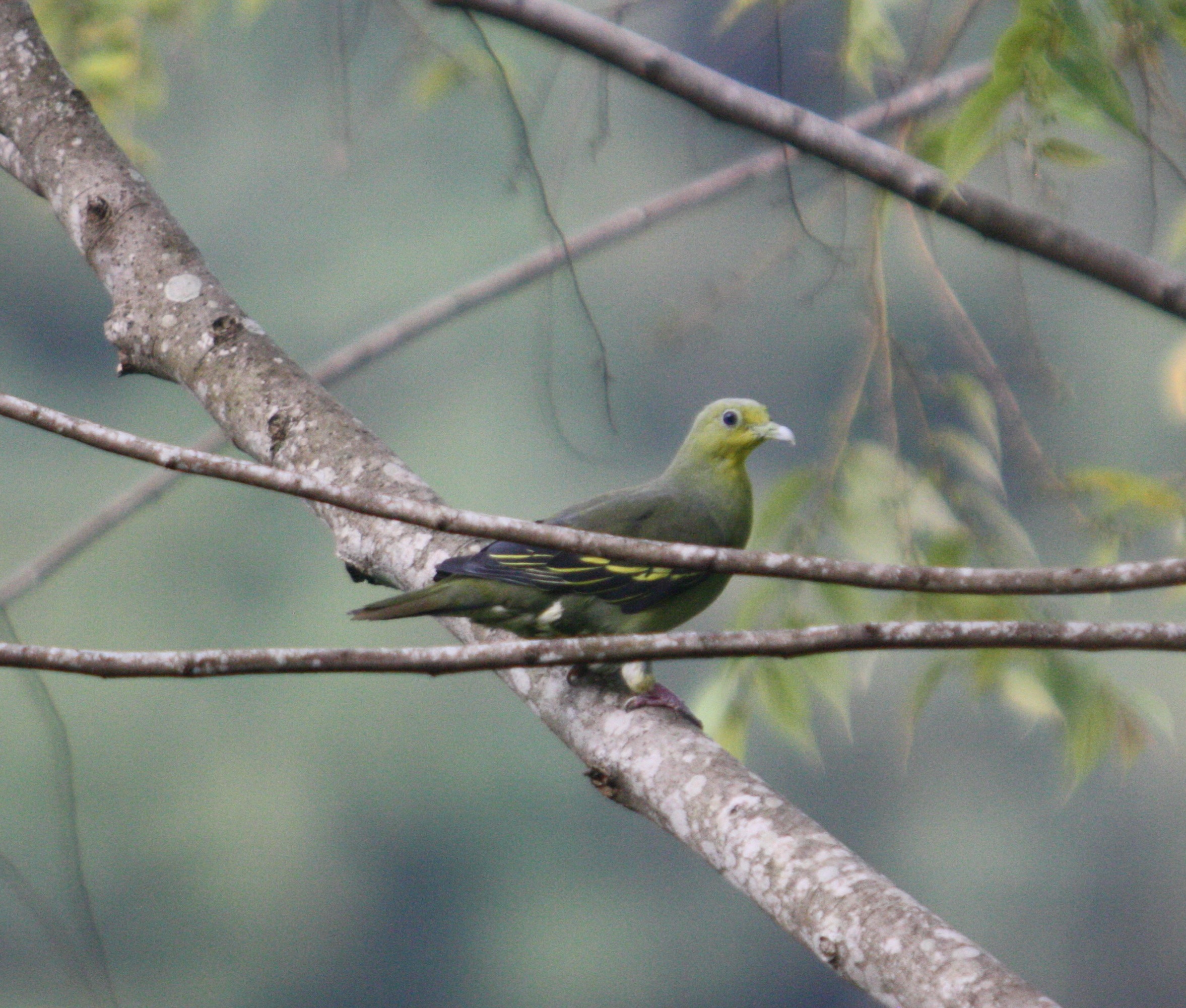
Sinharaja, Sri Lanka

This particular question clearly does not matter, but if we celebrate Rachel Carson’s contributions and their longevity (not to mention their impact on the next generation) and David Attenborough’s contributions over roughly the same period, it seems reasonable to wonder whether they ever met considering they shared common interest in the wonders of the earth and concern for the its health: Continue reading
 Organikos