Unexpected Visitors

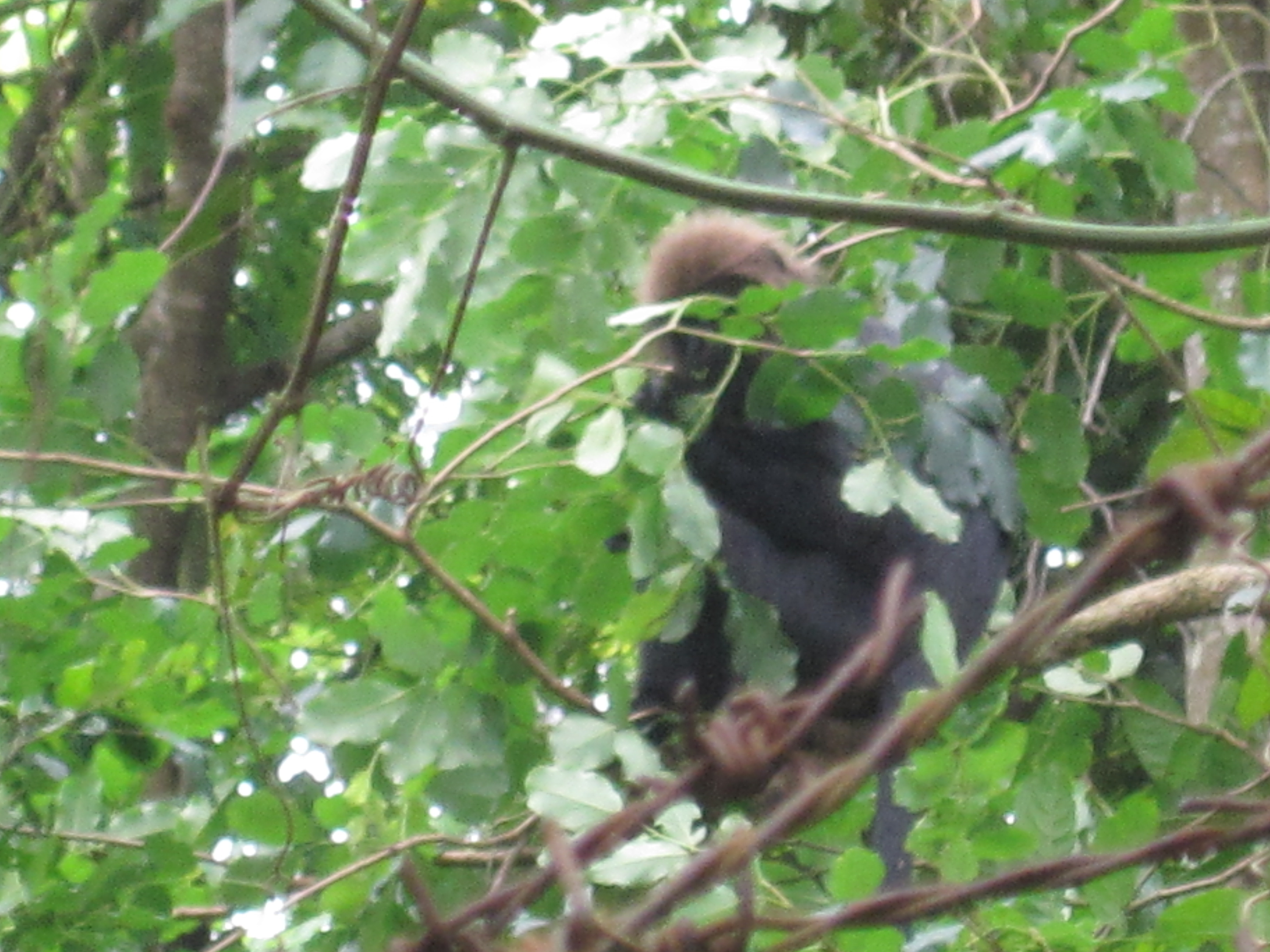
This afternoon, just after lunchtime, the staff and guests of Cardamom County were greeted with a thrilling surprise: the unannounced arrival of three Nilgiri Langur,  the haunting, strong and motile black monkey endemic to the Western Ghats. I ran into Gourvjit and the resort’s driver, Baburaj, watching from the parking lot as they jumped from tree to tree, and as we lingered they took the bold step of running and leaping from roof to roof through the resort– over the lobby, over the open-air bar, past porches and rooms and into the back of the property, where they perched in a jack fruit tree. I followed after them, was hissed at by one, and managed to catch this video of another from an appropriate distance.

The thick, shiny black of its fur and the shock of bronze colored hair that haloes its head lend the Nilgiri langur a mysterious and dramatic appearance, especially when bounding through the otherwise calm resort grounds (though I couldn’t help but, at times, think that they looked as if they were each wearing Donald Trump’s tupee). It is by habit a shy, tree-dwelling monkey (in stark comparison to the brazen macaque) and markedly wary of human interaction. Nilgiri langur have been hunted in this area for their flesh, which is considered to have medicinal properties, and for their fur, which is used to cover drums. Baburaj said they have not been on property for two years and that this threesome was likely a reconnaissance team of sorts, so it seems we’re likely not to run into them again outside of the Reserve. But to get so close to them, to watch them interact and find their way in this environment, which is wholly different from their usual station 60m up in the thick of the Periyar, was a truly rare experience. (And they scare the macaque away to boot!)
Where Your Espresso Might Come From

Pierre and I went on a tour around La Cumplida’s coffee plantation with Wilfredo. La Cumplida is a huge finca of over 1,600 hectares (this includes 700 ha. for coffee and 600 ha. for protected reserve) situated in the region of Matagalpa, which is very well known for its coffee production. First we went to the processing plant, which is under repair because some of the machines were being too rough on the coffee beans. Despite the fact that none of the machines were currently working, he walked us through the bean process: loading, skinning, washing, and reloading the beans. The drying and roasting takes place at another location. If we had been here any time from October through February, the machines would have been whirring and red beans would come by the truckload to be processed, since over 2000 coffee pickers would be hard at work in the hills, collecting beans.

Below is a video of some of the coffee work we watched. Wilfredo’s explanation of the deshijo is translated in brief three paragraphs below.


Continue reading

Where They Simply Sell Wood

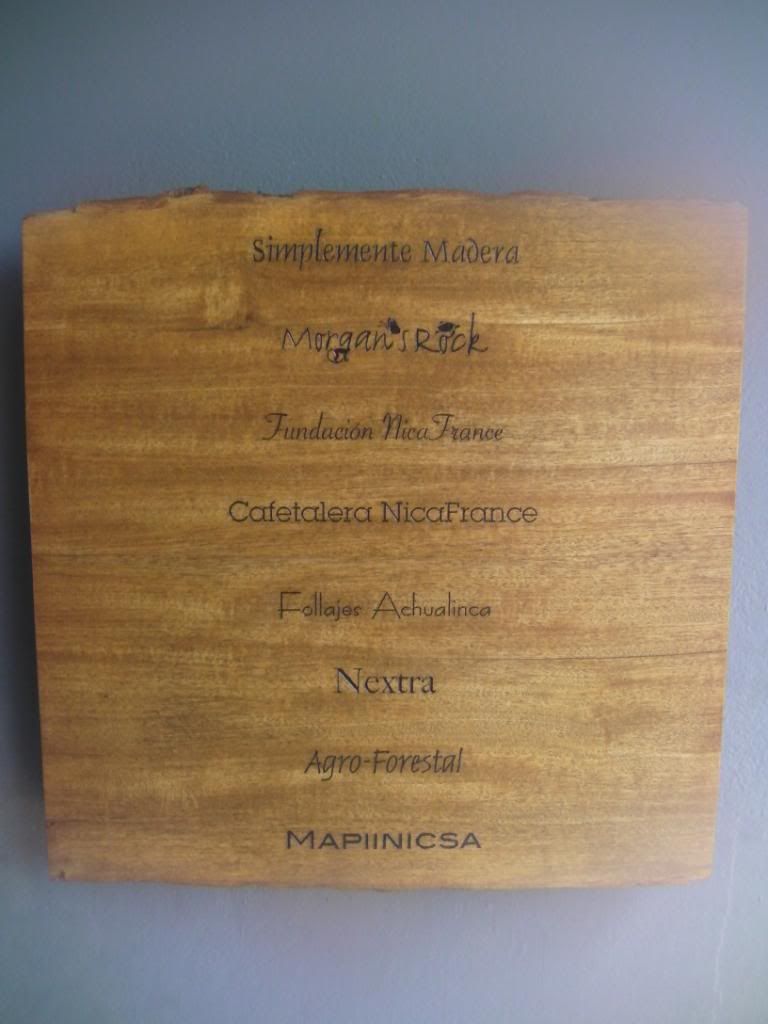
The Simplemente Madera store is full of furniture and wooden objects that are rarely purchased directly from the Managua venue, but more often selected as part of a furnishing package for a whole home. These furnishing contracts, which sometimes include interior design, are mostly for Nicaraguan houses and hotels, but also many projects in the US and Costa Rica, and normally last from one to six months, depending on the scale. Unless the project can fill one of their shipping containers, which are 20 ft2, Simplemente Madera doesn’t send furniture to the US. One of these containers can fit enough material to furnish a three-bedroom house, so the company is mostly concerned with high price-tag clients.

Simplemente Madera Group

What a US homeowner will normally do is send SM a blueprint of their house and select from a line of products in the SM catalogue (Mombacho is currently the most popular, with natural deformations in the wood). Then the designers at SM will fit the furniture to the house and the style and send the homeowner some sketches. Some people want a more hands-on approach and pay to bring a designer to their house in the US. Simplemente Madera designers also often make custom designs for clients according to their requests.

Simplemente Madera’s Workshop

Here is the second installment of the Simplemente Madera factory tour. Below is a video of the production line in the workshop–watch for the Ocean Green surfboard at the end!


Up next is a written and photographic swing by the Simplemente Madera store in Managua.

“To Market, To Market…”

Living abroad has illustrated vast differences in how one procures or purchases their food.  Although U.S. style supermarkets exist outside those borders, there are a world of other options visited on a daily basis elsewhere.

In France for example, one can indeed go to the “Hyper-Marché”, fill up your cart and be on your way.  But it is far more interesting to shop at your neighborhood street marché, where depending on where you live you can fill most of your culinary needs.  Even a small neighborhood would have a temporary agricultural market at least twice a week, and these would usually include cheese makers, and stalls with olives, cured meats and the like as well.  That’s not including the plethora of boulangeries, fromageries, boucheries, pâtisseries….my mouth is watering too much for me to continue!

Costa Rican towns have their weekly Feria de la Agricultura—filled with fruits, vegetables, eggs, cheeses, flowers and baked goods. On the southern tip of Croatia, Dubrovnik had multiple markets, some stationary like the one at the new Gruž Harbor and some  “floating” in the squares of the old city.

All forms of Farmer’s Markets can now be found all across the United States, one needn’t travel abroad to find them.  But I don’t think any of these compare to the sensory experience of an Indian market. Continue reading

The Other Side

When I was 9 my family relocated from Upstate New York to Orlando, Florida, an odd hodgepodge of concrete and drywall that is less a city and more a network, an expanse of strip malls and toll roads stretching for miles with no discernible locus—i.e. a place without place, a harbinger of the New America—both model for and copycat of other American NonCities. At the heart of this network, not in place but in time, is Walt Disney World, Orlando’s reason-to-be and essence, which lies below and hangs around the accretions and habits of Orlando-residents like a living ancestor. As Orlando’s originary purpose, it touches its inhabitants even if they try to avoid it; it shapes you, no matter how far away from it you stand.

I say this not only because I enjoy holding forth on the metaphysics of place (I do), or because I want to suggest I’m some sort of DisneyChild (I don’t), but because a curious circumstance surrounded our ‘Cloud Walk’ on Sunday morning that caused me to think about my relationship to where I grew up, and how these ‘living ancestors’ affect how we experience our environments. Continue reading

Drying Wood at Simplemente Madera

Pierre and I left Morgan’s Rock on Friday to go visit the Simplemente Madera factory outside of Managua. It is a huge facility that receives wood almost entirely from fallen forests on the Atlantic coast of Nicaragua that were destroyed by Hurricane Felix in 2007. We took a tour with one of the quality inspectors, who showed us around the plant and explained every process the wood went through from log to rocking chair (most of these steps are for another post). The following video covers the initial drying the timber must go through to make it the highest quality wood available. The best part of this process is that it is completely sustainable — it only uses open air and scrap wood! Please give the video’s subtitles some time to load, unless you speak Spanish.


Here is an additional picture of the scrap wood and a view of the six closed drying ovens, which are often rented by other woodworking companies to dry their wood, since nobody else in Nicaragua has the drying capacity of Simplemente Madera.

Meeting with the Forest Department

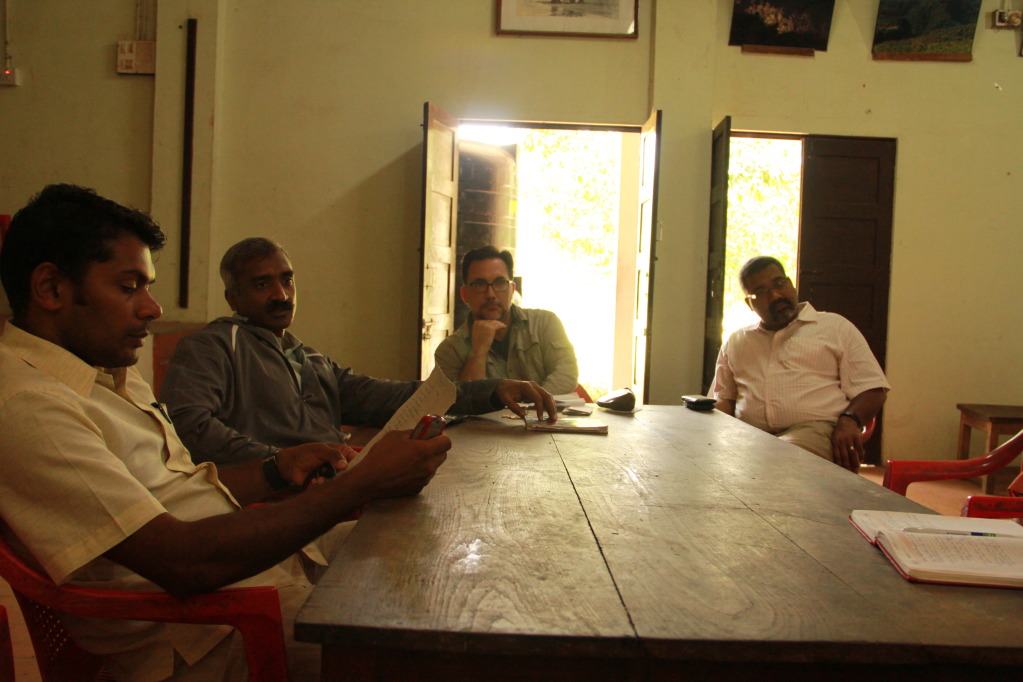
Developments in our community development initiative haven’t come easily for the past two weeks in Kumily. With our primary Forestry Dept. contact away from his office for a little more than a week, and given that the time table agreed up at our last meeting (June 26th) allowed for a ten day period during which our ‘talent scout,’ as it were, would make contact with potential producers, we at the resort were, in the meantime, left playing a bit of a waiting game. But with the distraction of staff tour revelry behind us and anticipation for the arrival of our newest intern, Sung, at a high, our idle and indolent interlude came to a happy end today when we met with several FD officials and functionaries, some of whom none of us had met previously, including a ‘Forest Guard’ (a title I hope to earn someday) who runs the protection agency focused on the tribal community.

For while we in Thekkady had been sitting on our proverbial hands, Crist and Amie had been actively ascertaining details from our sister bag-making enterprise in Kochin. Continue reading

Sustainable Operations in Kumily

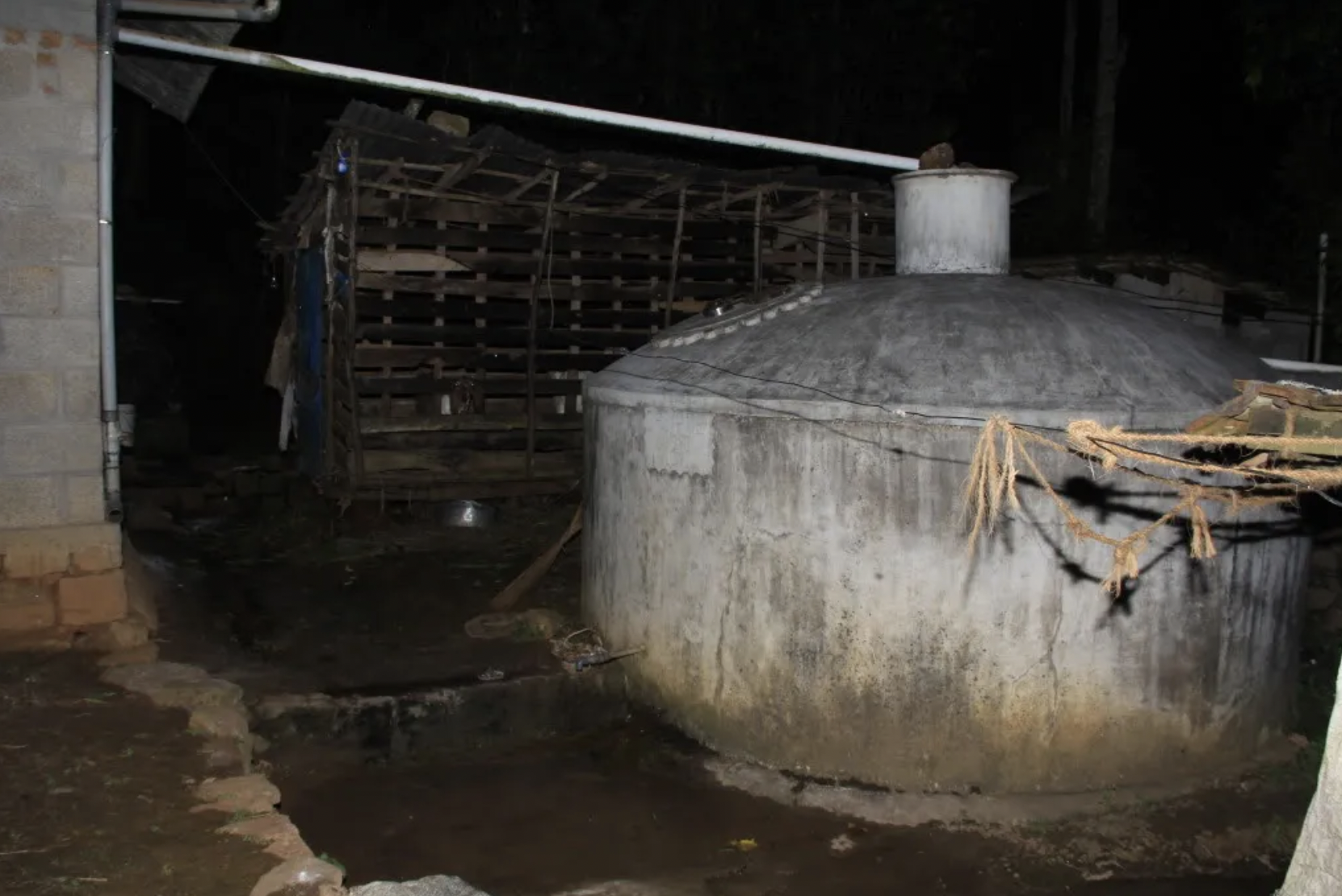
Sustainable tourism and operations are what initially drew me in to coming to Kerala, India at the Cardamom County. Water conservation is a central issue facing the world today. Coming from Canada, which is said to store up to 20% of the world’s fresh water, the idea of not having water to drink is a strange one. Of all the water on our planet, 97.5 per cent is sea water and three-quarters of the remaining 2.5 per cent is locked in polar ice caps. The tiny bit left over is drinkable. Natural rainwater harvesting is a common practice throughout much of the Thekkady area and Kerala in general. Pots and larger storage vessels like the one pictured below are often used by the locals to hold rainwater that is abundant during the monsoon season from June to August.


It is considered fairly clean for use in washing clothing, dishes, and people themselves. The bottled water, however, in the form of individually packaged Aquafina bottles poses an issue. Fortunately Pepsico and Aquafina do use UV treatment, reverse osmosis, ozonisation, carbon filtration, and sand filtration to treat their water and has a protocol of giving back more water than is taken in a program called “Positive Water Balance”. Pepsico India saved 836 units more water than it consumed in 2009, which is an uplifting thing to hear about.

On-site organic farming results in a great number of useful plants and herbs which can be made into oils, creams, and pastes which are central to the Ayurvedic Centre run by certified ayurveda practitioner Dr. Vinu. Among the more interesting herbal remedies is from the serpentine root or rauvoifia tetraphylla which provides an antidote for snakebites.


Continue reading

Spider Monkey Threats

On one of our walks through the forest, Pierre and I found another green-backed spider (see my previous post) that spewed some white droplets at us. Unless we had an unusual double coincidence of interrupting arachnid bowel movements, I now believe that the spiders meant to deter us with the liquid. Whether it was excrement, poison, or liquid silk material remains to be seen.

Later on the trail we reached the main road and were about to pass under a group of huge mango trees when several mangoes thumped loudly onto the ground in front of us after the branches crashed around a bit. We looked warily into the trees to see a group of fleeing spider monkeys, which are very timid and don’t enjoy being anywhere near humans. Through the camera’s zoom, I was able to spot a mother with her baby hanging on her back. She was bouncing up and down, shaking a branch to startle us away. Once her mate arrived next to her, she left, and about half a dozen other monkeys followed her, causing a further bombardment of unripe (hard and dangerous) mangoes to hit the road at our feet.

The hazardous fruit attracts all three Morgan’s Rock species of monkey (howler, white-faced, spider), so it is a good place to watch them enjoy the mangoes while making sure to not stand too close to the trees. With the addition of the muñeco trees that I wrote about in another post, the roads should be great places to spot the tree-bound mammals.

The Power of Clean

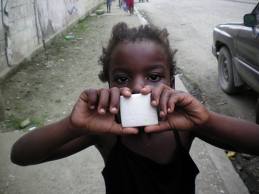
What happens to those little bars of soap in many hotel rooms?  Specifically, what occurs after a guest opens a carefully packaged bar and uses it?  Most guests often do not use all of it.  Some wrap it back up and take it; most leave it for housekeeping.  I have mostly seen the latter; and having some experience in housekeeping operations now, I am shocked at the amount of amenities that are thrown to overflowing landfills every day.  However, my anxiety about this abundance of waste was reduced slightly when I stumbled upon a small, not for profit organization, Clean the World Foundation, Inc., that collects these gently used bars of soap and recycles them to distribute amongst several developing countries and underprivileged communities.

According to Clean the World, millions of pounds of soaps are discarded each day in North America.  These bars not only get wasted and take up space in an overflowing landfill, but they also contribute to groundwater contamination.  Continue reading

Take Out Breakfast

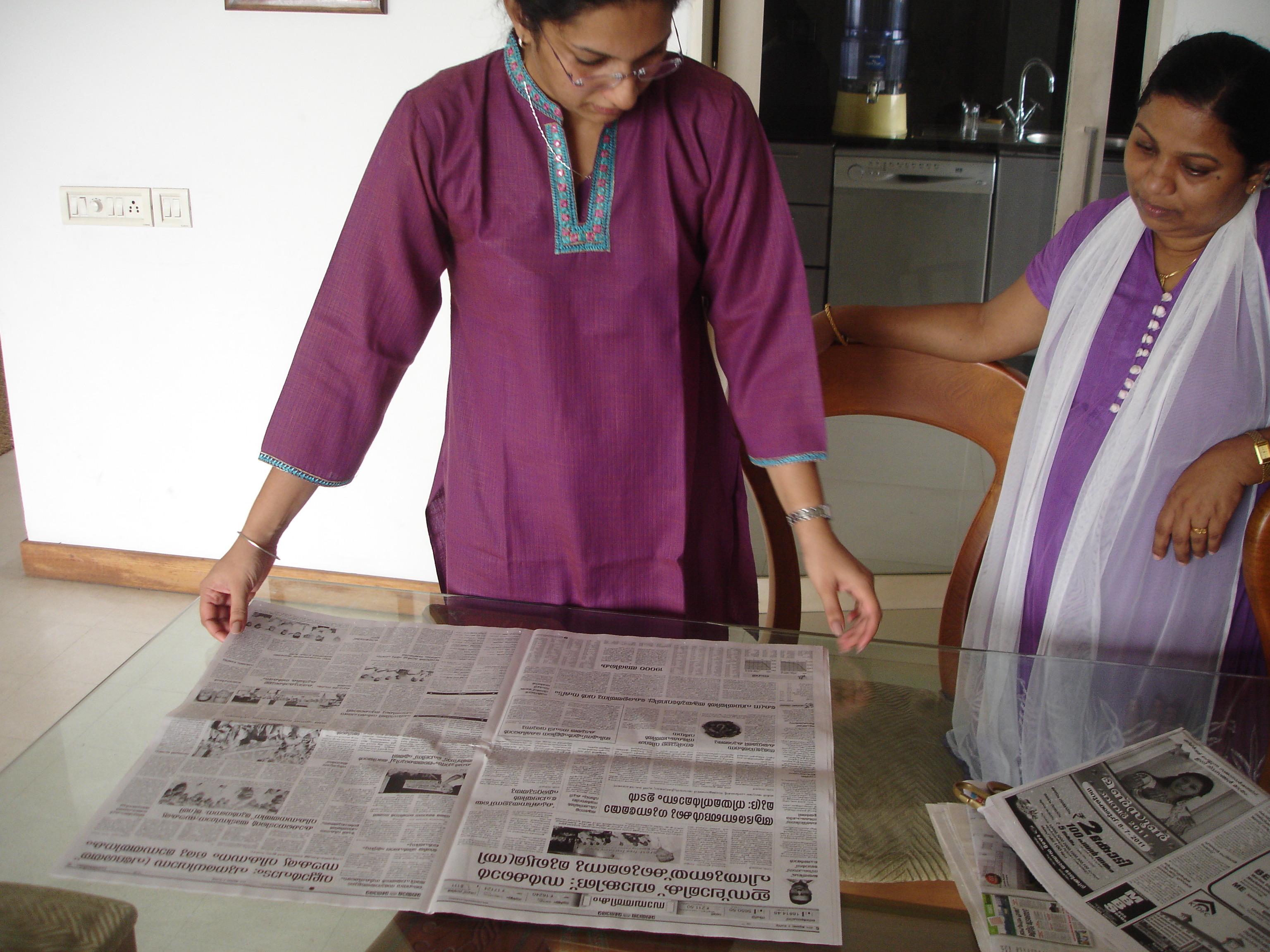
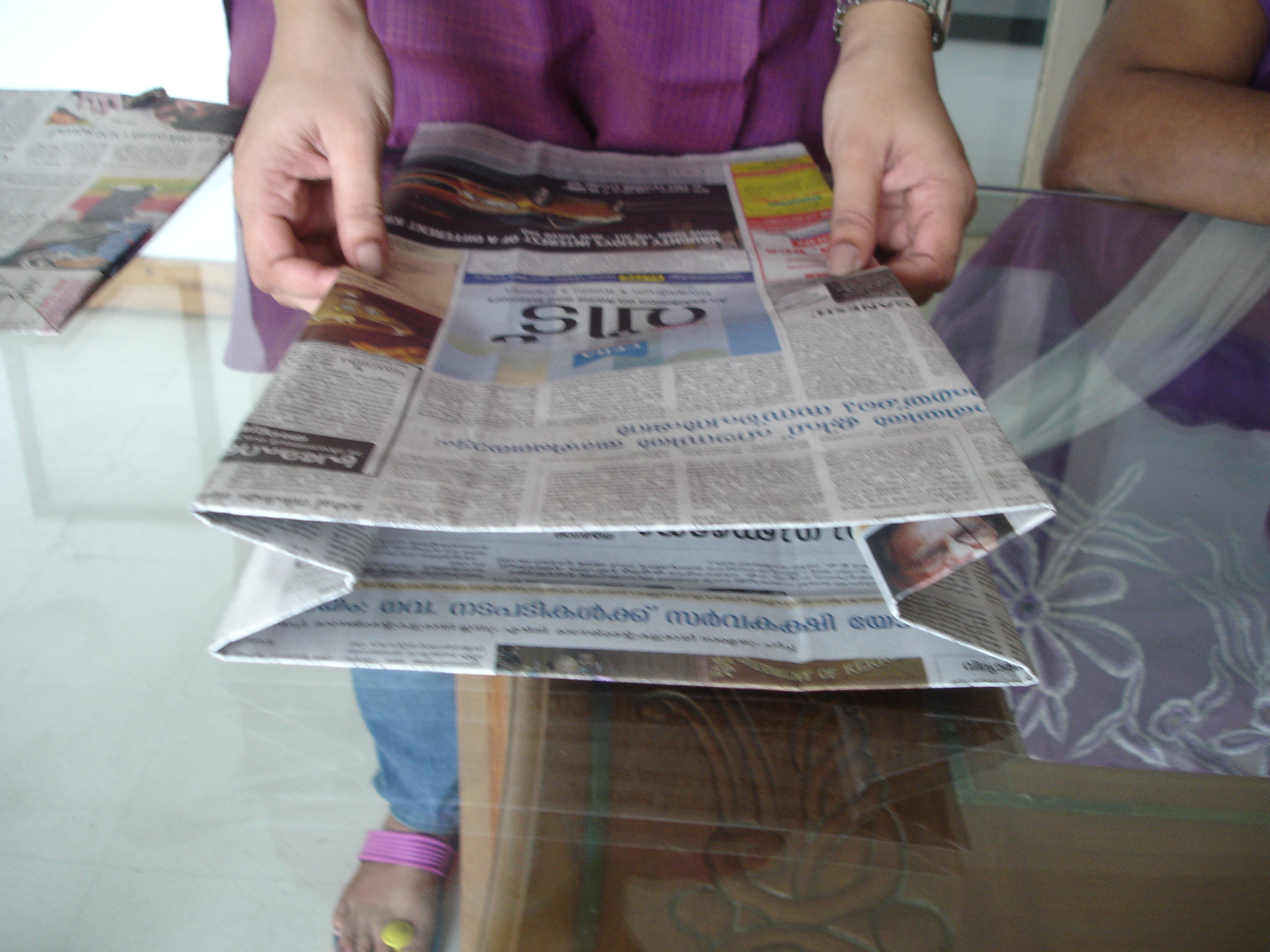
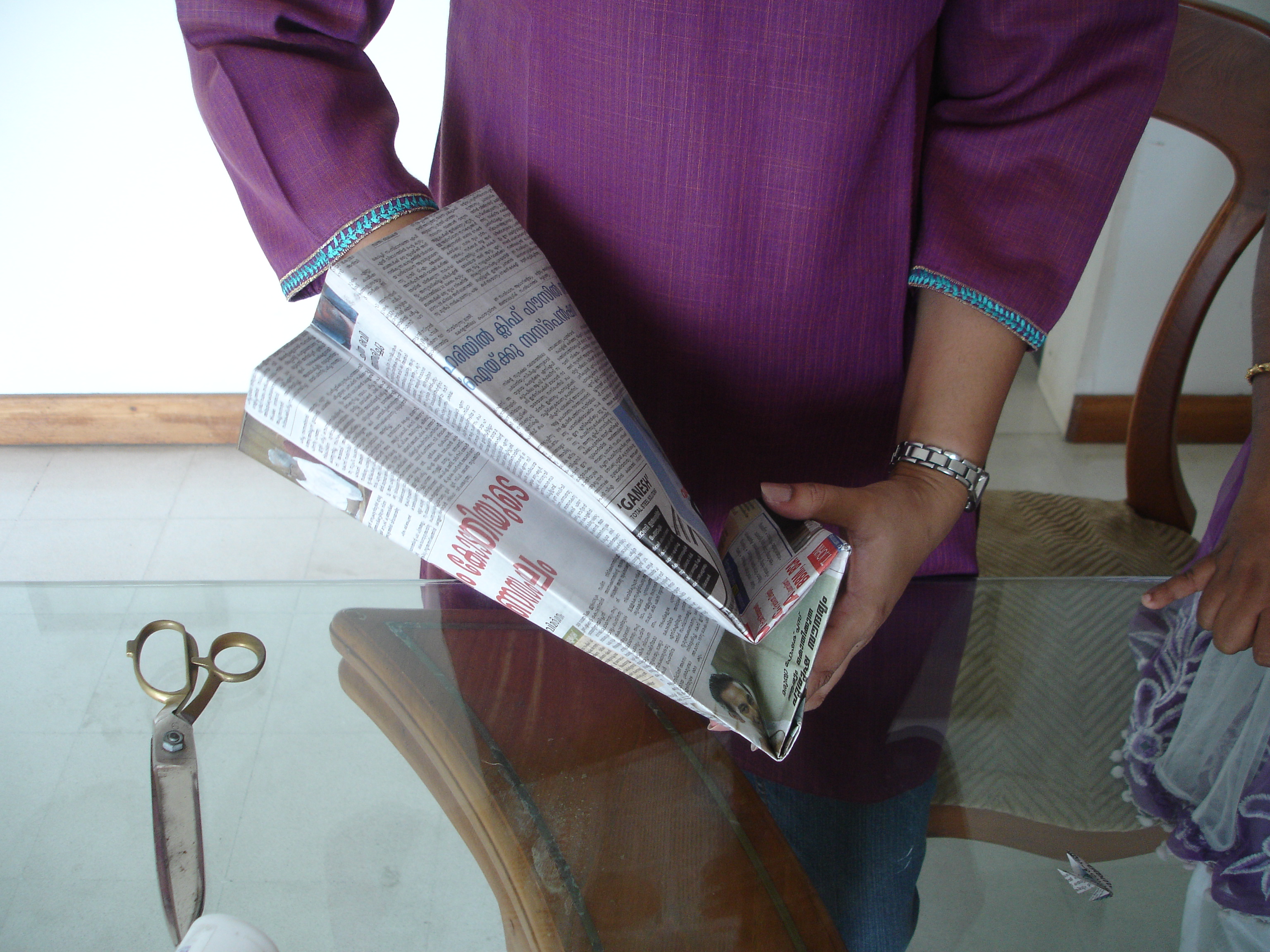
This morning I joined Diwia Thomas at her proverbial kitchen table for breakfast.  After the meal Deepa arrived for a lesson in newspaper bag making.  For those with experience in origami, paper airplanes, paper boats, or paper hats, this would be a relatively easy task.  Even gift or school book wrapping experience would come in handy.  (Unfortunately very few of those skills rank highly on my CV.)  I could also see how Henry Ford’s assembly line theories could assist in this case…precision is important and that often is more easily achieved through repetitive action.

During the hands on tutorial Diwia spoke about the evolution of the bag process.  She had taken a course some years ago and then used those skills to teach others.  But like a game of telephone the process has developed, with each “generation” of folders refining the systems to work more cleanly and speedily.  Diwia commented that she stands amazed watching some of the women working so quickly in their own style with such precise results.

What is so wonderful about the bags is their essential simplicity.  Made from newspaper, wheat paste glue and basic hemp string, they transform items found in most home kitchens into a useful and desirable commodity.  So useful in fact, that when they’ve been taken to a meeting in South America an argument ensued as to who would get to keep the bag as a sample. So combine that simplicity with the steady piecework income they provide and one has the perfect recipe for a community development project.

Gobar Gas

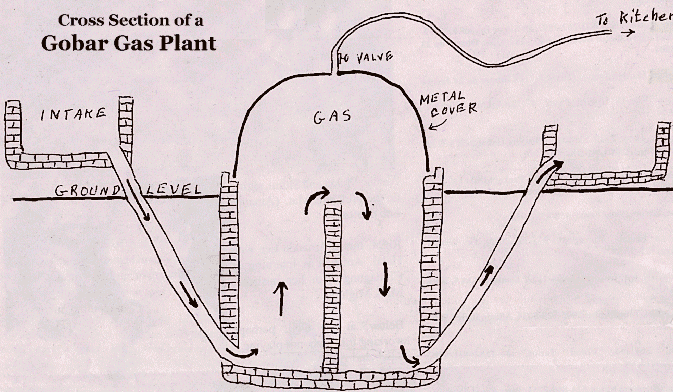
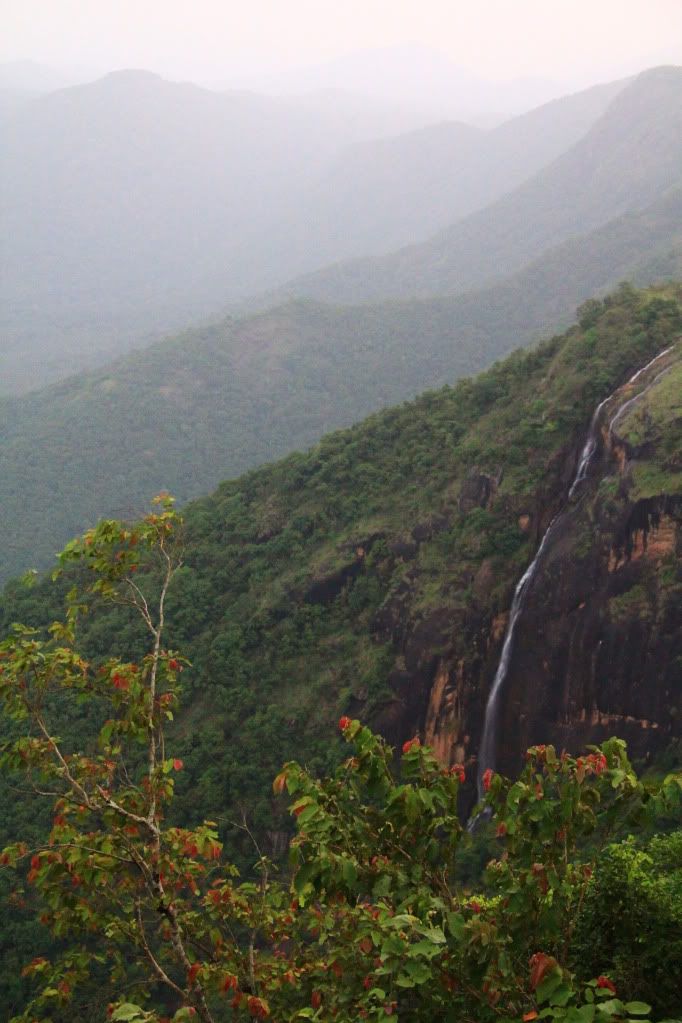
Is it just me, or is there nothing quite like a casual sight-seeing venture yielding a lesson in biogas and anaerobic digestion? I mean, don’t get me wrong; there’s plenty of value in a pretty vista– what was in today’s case a view of Tamil Nadu’s agricultural smorgasbord and a breathtaking, silky and sleek waterfall. But despite the landscape, I was left most impressed by an ingenious contraption we happened upon while passing through the family-owned spice plantation between our parking space and the scenic spot. Continue reading

Colonial History & Volcanic Mystery

We left in the morning with Bismar and the guests, transported by the senior driver Inocencio. Our first stop was about an hour and a half away: a town called San Juan de Oriente but known as La Cuña de los Artesanos, or “Artesans’ Cradle,” because literally everyone in town works with crafts for sale to tourists or hotels. We entered one of the pottery shops and went downstairs into the workshop, where a young man was waiting to give us a short presentation on pottery. He explained about his family’s business slowly in Spanish and Bismar translated for the guests. Then he took his seat at a wheel and started shaping a small bowl, using several homemade tools—a bicycle spoke, for example—to straighten its edges. The expression on his face showed how much he enjoyed the work, which certainly looked fun even should one have to shape clay all day, every day. After a couple minutes, a small and perfectly round pot was on the table in front of us. He talked some more about clay and then said, “At this moment in the process, the clay is still very fragile,” and demonstrated by plunging his fingers into the side of the vessel, leaving a deep impression in it.

Leaving the wheel, he led us to a larger table where wall lampshades were being made. Tools like a polished beach pebble and a child’s plastic spinning top were used to spread and smooth the paint that was applied with a brush made of a hollow pen and the hair of the girls in the family. A small kiln sat smoking in the corner, baking about twenty of the lampshades. Once the guests asked a couple questions, we thanked the young man, whose unbefitting name it turns out was Stalin, and went up to, of course, the pottery store. Continue reading

Newspaper Bags

As I suggested in my last post, I’ve recently spent less time in the Periyar Reserve, i.e. observing and chronicling my encounters with the myriad species of plants and animals there, and more time in and with the local community. Working with resort management and Forestry Dept. officials, I’ve been trying to get off the ground a microbusiness enterprise, operated by residents of Kumily and members of the tribal communities in Periyar East, with the initial goal of producing bags from recycled newspaper. This is related to the bigger goal of eliminating the use of plastic bags.

One such bag, made from recycled newspaper

There are several aspects to this project, and as I delve deeper into them the more complex and intriguing it seems to me. I think the easiest and best way to present the full picture, to identify the difficulties and possibilities inherent to it, is to tell the whole story of my involvement in the project, and in the process to clarify the context of my previous posts.

To set the scene, I offer, in shorthand, a cultural backdrop:

What was only recently a subsistence and agricultural culture and economy, the Cardamom Hills (like all of Kerala) has undergone something of an economic and cultural revolution over the past fifteen to twenty years. Though I’m not an expert in this field, I can say, based on firsthand accounts and observations, that as education levels have risen even among the poorest people in this area (Kerala’s literacy rate is, famously, over 90%), and as the opportunity to pursue non-agricultural employment and consume newfangled products has become commonplace in this area, the demand for disposable income and new ways of attaining it has also increased. Generally, this is true of India as a whole, and as a global phenomenon it really deserves a more nuanced treatment than I’m able to give it (for more information, I suggest you go to your local library or see your neighborhood economist). But, on a microcosmic level, it is perhaps most pronounced, complicated, and—in some ways—easily tackled in the tribal communities of India’s forests. Continue reading

The Kitchen Table Connection: Following the Paper Trail

She wasn’t the creator of the newspaper bag concept, but Diwia Thomas has done her part to merge their production with the world of community development. Based on a deeply rooted desire to help women create a degree of financial independence, this lifelong resident of Cochin has used her business acumen, social network and marketing skills to advantage.

With the limited supply of paper pulp in India, newspaper printers have implemented the innovative practice of a de-inking process for recycled newsprint. Currently about a quarter of the paper the printers use is recycled material, which has both saved on paper pulp imports and driven up the price paid per kilo for old newspapers. India has a well-established history of recycling and these new developments have given more financial incentive to do so.

Diwia knows the system, her clients and her resources well. It only takes a gentle nudge to friends and family to leverage the equivalent of their daily coffee expenditures in the form of a weekly donation of their newspapers—they give them to her instead of selling them to a recycler (who would pay an amount worth a coffee at a local café). Only full, flat sheets of newspaper can be used in bag production, but with the ubiquitous use of newspaper in this culture as wrapping for everything from eggs, to vegetable market goods to crockery, there is plenty to go around for other recycling purposes. Continue reading

Ecotourism as an Ecosystem Service

A good friend of mine has been working on developing a curriculum for sustainability lessons in Utica, and she asked me just a couple days ago for some help with the topic of ecosystem services. I thought it strange that she came to me (a hotelie, no less) for help on such a scientific topic, and I had to admit to her that my knowledge of the topic was shallow. Nonetheless, I pointed her to the UN’s 2005 Millennium Ecosystem Assessment (MA), the four-year study that is considered by the environmentalist community as the go-to resource on ecosystem services. I had skimmed the hefty 155-page synthesis report a few months earlier—I’d only initially did it because Eric Ricaurte, my research adviser, had recommended it to me—and I didn’t remember much from it. So after recommending the MA, I decided to read through some sections of it again.

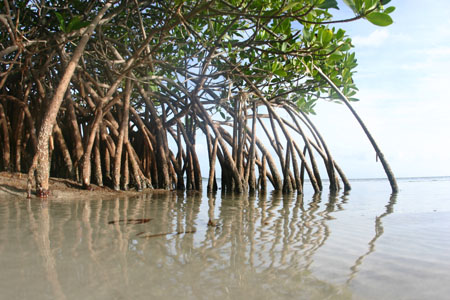
Mangroves are a recognized source of ecosystem services. They buffer against storms, prevent erosion, and filter out toxins.

By way of background, ecosystem services are resources and processes that the natural environment provides for us. For example, trees provide oxygen for us to breathe, fish in the ocean serve as food, and earthworms help decompose our waste. But what caught my eye immediately from the Millennium Ecosystem Assessment was how it recognized ecotourism and recreation as important ecosystem services for humans. I couldn’t help but smile: while attempting to preserve their surrounding environments, eco-resorts around the world are also drawing upon this valuable ecosystem service by deriving revenue from it. Continue reading

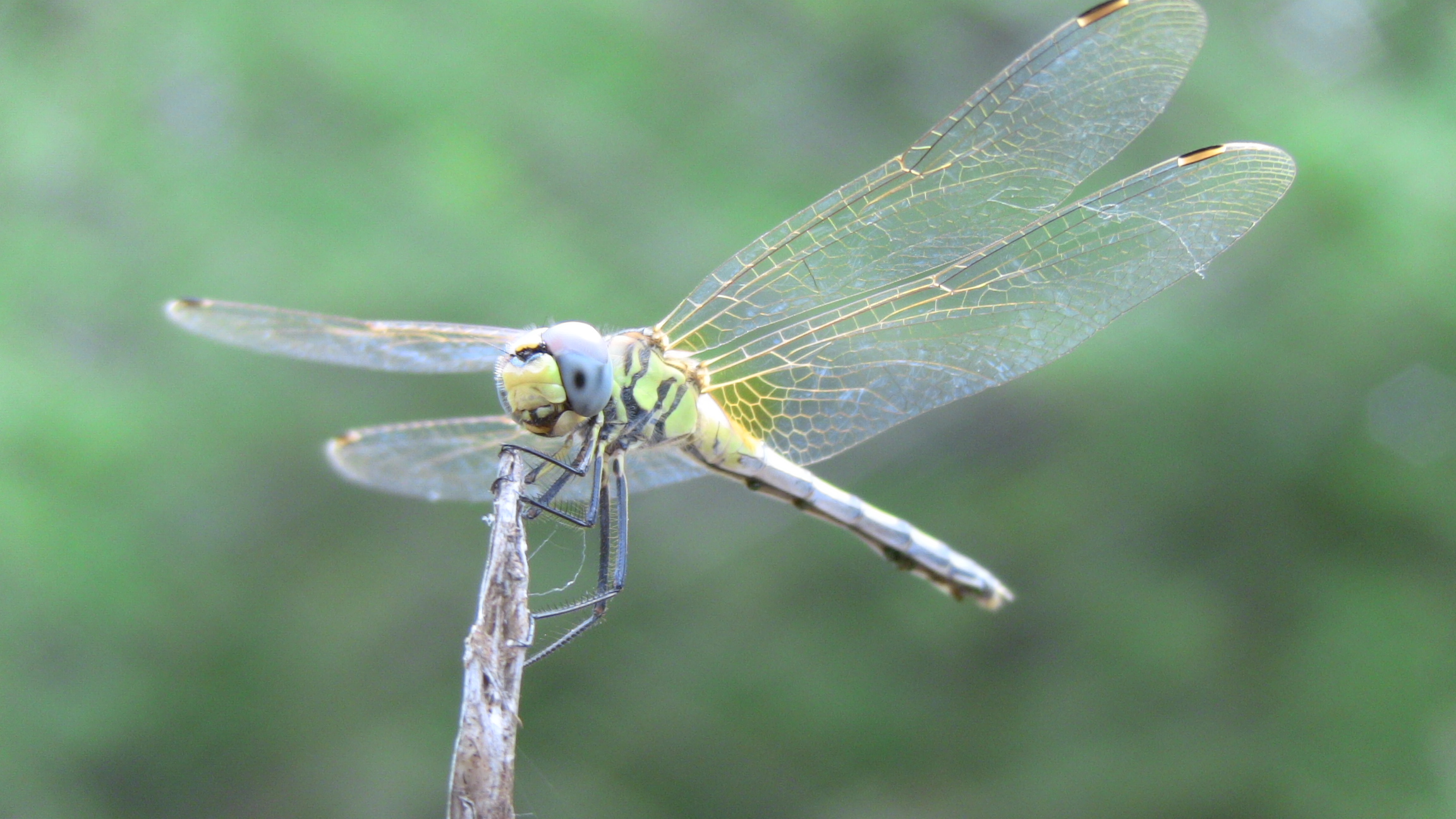
Entomotography

We had been on bamboo rafts in the Periyar Lake most of the morning, and had gone on shore briefly to visit the night ranger’s encampment.  I had been there several times previously, but today was different. We witnessed one of the greatest wonders of the natural world—a mother elephant and her calf (because of a mother’s aggressively defensive instincts, it is rare for humans to see this combo in the forest).  It was too spectacular for words, and even photos are worth just a few thousand words—not nearly as much as it felt worth while there.

By midday we were back on the water, and the rush of seeing such a huge and intelligent creature bonding with its offspring was lingering, but passing. We landed for a bit of respite. As the rest of the group ate lunch and talked, I decided to renew that rush with a change of perspective: from charismatic megafauna to wily winged minifauna. I crouched on the parched rocks, squatted and staring at my camera’s viewfinder. I had been stalking my tiny target along the shore for almost 30 minutes, and had enough mud, pebbles, grass and dung on my knees to open eyes at a detergent expo.

My eyes strained to focus on the strangely camouflaged creatures I was hunting. Scanning the motionless terrain of the shoreline, I saw no movement except for the gentlest rippling of grass and the lake’s surface with the breeze. I got impatient and decided to draw them out of hiding. It wouldn’t take much – I lifted my foot and took a step forward, and there!

A bright blue-green dragonfly that had been surreptitiously clinging to a twig alighted, and began to zoom around. Continue reading

Scuba Fishing

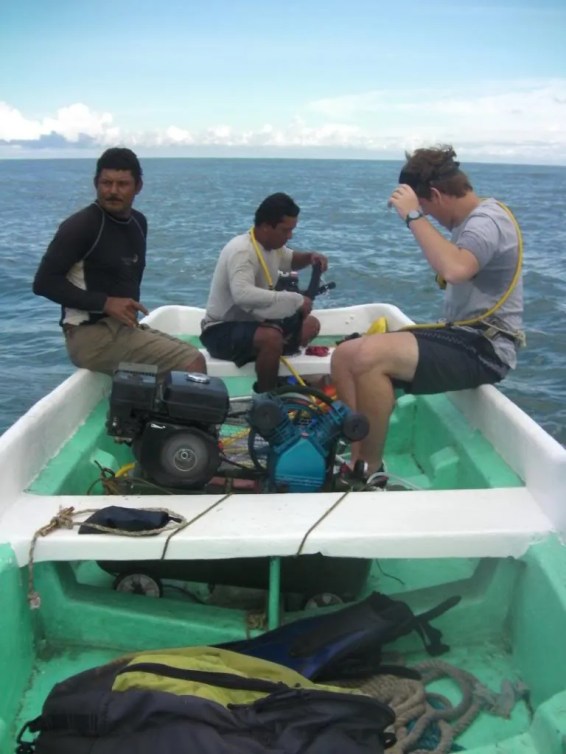
This morning Pierre and I got up early to go on a scuba fishing expedition with Jacinto and Juan. Using a kayak to cross the wide and deep channel the sea was cutting into the estuary, we headed to a spot where the waves were a bit calmer, and the fishermen came in a small motorboat to take us over to the Eco I. Unfortunately, it turned out that the smaller boat was to be our vessel for the morning, since the Eco I was out of fuel. A green air compressor machine sat in the middle of the boat, and the long air hose sat coiled at the bow with a couple pairs of flippers and snorkel sets.

Pierre and I installed ourselves at the stern and started putting on sunscreen. “The water visibility is a bit low today, but we will try to find some lobsters,” said Jacinto in Spanish. Juan drove the boat past Morgan’s Rock and close to the rocks on the next cove over. Then he handed the tiller to Jacinto and started pulling on some flippers, signaling for me to do the same. The two fishermen showed me how to operate the air regulator, which was the same sort found on a tank scuba set, and they helped tie the hose so that it fell over my shoulder and across my back.

Continue reading

Religion and Conservation

About 80% of the world’s population is religious.  Even though it might not always be apparent, religion often serves as a unifying value of people.  Many religions have traditional and ethical ideals that sanctify the earth and its resources, thus linking mankind’s religious life and the natural system of the world.  With this much of the world professing a faith, religion could play a tremendous role in conservation.

Continue reading