AI’s Energy Appetite

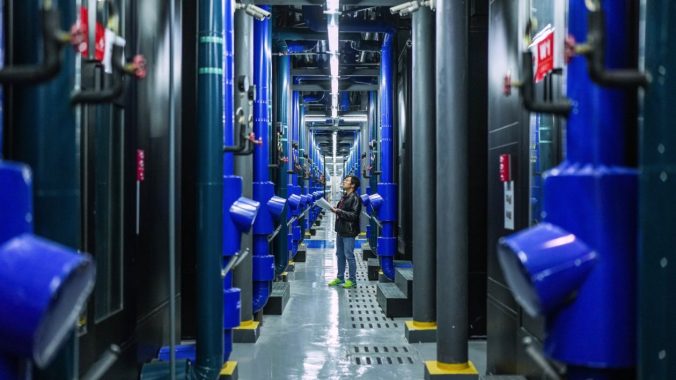
Inside the Guian Data Center of China Unicom, which uses artificial intelligence in its operations. TAO LIANG / XINHUA VIA GETTY IMAGES

For all of technology’s contributions to conservation, energy consumption is one of the downsides. Thanks to David Berreby and Yale e360 for this:

As Use of A.I. Soars, So Does the Energy and Water It Requires

Generative artificial intelligence uses massive amounts of energy for computation and data storage and billions of gallons of water to cool the equipment at data centers. Now, legislators and regulators — in the U.S. and the EU — are starting to demand accountability.

Two months after its release in November 2022, OpenAI’s ChatGPT had 100 million active users, and suddenly tech corporations were racing to offer the public more “generative A.I.” Pundits compared the new technology’s impact to the Internet, or electrification, or the Industrial Revolution — or the discovery of fire.

Time will sort hype from reality, but one consequence of the explosion of artificial intelligence is clear: this technology’s environmental footprint is large and growing. Continue reading
An Intelligible Conversation About Artificial Intelligence

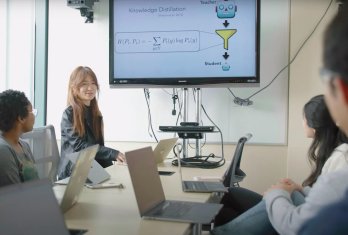
Yejin Choi leading a research seminar in September at the Paul G. Allen School of Computer Science & Engineering at the University of Washington. John D. and Catherine T. MacArthur Foundation

We have shared dozens of links to stories about advances in technology–especially those with application to conservation–none has touched on artificial intelligence. During my daily scanning for articles to share in 2022 I have noticed this topic more and more as a source of fear, to the point where I stopped reading them; but today’s is different:

An A.I. Pioneer on What We Should Really Fear

Artificial intelligence stirs our highest ambitions and deepest fears like few other technologies. It’s as if every gleaming and Promethean promise of machines able to perform tasks at speeds and with skills of which we can only dream carries with it a countervailing nightmare of human displacement and obsolescence. But despite recent A.I. breakthroughs in previously human-dominated realms of language and visual art — the prose compositions of the GPT-3 language model and visual creations of the DALL-E 2 system have drawn intense interest — our gravest concerns should probably be tempered. At least that’s according to the computer scientist Yejin Choi, a 2022 recipient of the prestigious MacArthur “genius” grant who has been doing groundbreaking research on developing common sense and ethical reasoning in A.I. Continue reading