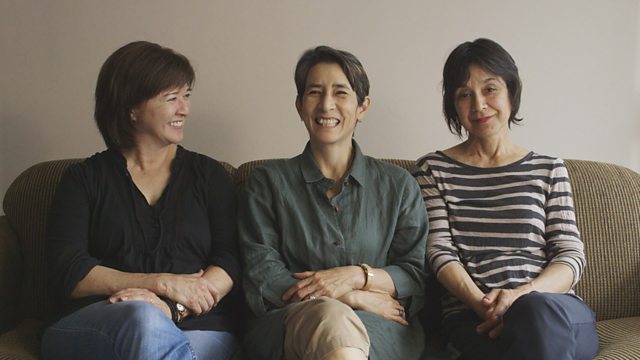
Atsuko, Emiko and Hiroko were among tens of thousands of Japanese women who married their former enemies after World War II. They landed in 1950s America knowing no one, speaking little English and often moving in with stunned in-laws. PHOTO: BBC
What does it mean to leave your country, where you were somebody, and move miles to a continent you’d only heard of? A country where you’d be a ‘nobody’. Not knowing whether the decision to say ‘yes’ to a former enemy was right. Struggling for words that help start a conversation. Being told not to wear the one piece of cloth your identity hinges upon? And years of trying to fit in, juggling two distinct identities? Listen to the Japanese War brides as they tell their story on BBC this week.
For 21-year-old Hiroko Tolbert, meeting her husband’s parents for the first time after she had travelled to America in 1951 was a chance to make a good impression. She picked her favourite kimono for the train journey to upstate New York, where she had heard everyone had beautiful clothes and beautiful homes.
But rather than being impressed, the family was horrified. “My in-laws wanted me to change. They wanted me in Western clothes. So did my husband. So I went upstairs and put on something else, and the kimono was put away for many years,” she says.


 Organikos