Beavers’ Resilience On Display In Canada

Beavers are not always welcome, but where they belong, they are a wonder to behold. Ian Frazier offers this dispatch from the great North:

Deep in the Wilderness, the World’s Largest Beaver Dam Endures

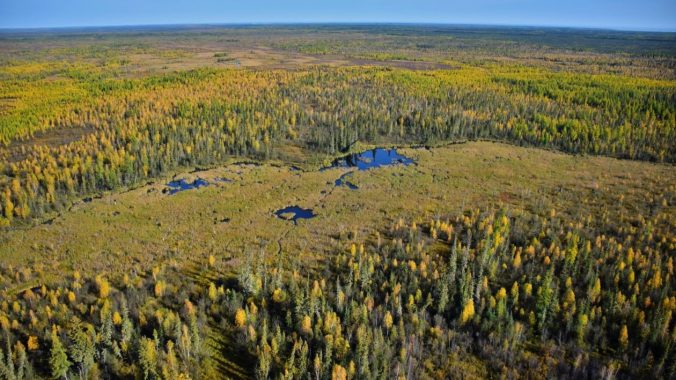
The largest beaver dam on Earth was discovered via satellite imagery in 2007, and since then only one person has trekked into the Canadian wild to see it. It’s a half-mile long and has created a 17-acre lake in the northern forest — a testament to the beaver’s resilience.

Wood Buffalo National Park, the largest national park in Canada, covers an area the size of Switzerland and stretches from Northern Alberta into the Northwest Territories. Continue reading

TNC Building Beaver Dams

View of a series of existing beaver dams downstream of beaver dam analogue restoration reach. Photo © The Nature Conservancy (Kristen Podolak)

Beavers can be highly destructive in the wrong environment, but are keystone species wherever they’ve been around for long enough to have designed their ecosystem. And in areas where for a number of reasons beaver populations have dwindled so much as to see deterioration in the habitat, The Nature Conservancy thinks that adding artificial dams can help restore the land by affecting sedimentation, creating floodplains, and storing water. Kristen Podolak, Rodd Kelsey, Sierra Harris, and Nathan Korb report:

The Nature Conservancy is working like a beaver (Castor canadensis) by mimicking beaver dam building to restore streams and floodplain habitat in Montana and California.

No kidding. Last year we built twelve instream structures that look and act like beaver dams on two streams in Montana and we plan to build six more in a small creek in Childs Meadow, California this fall.

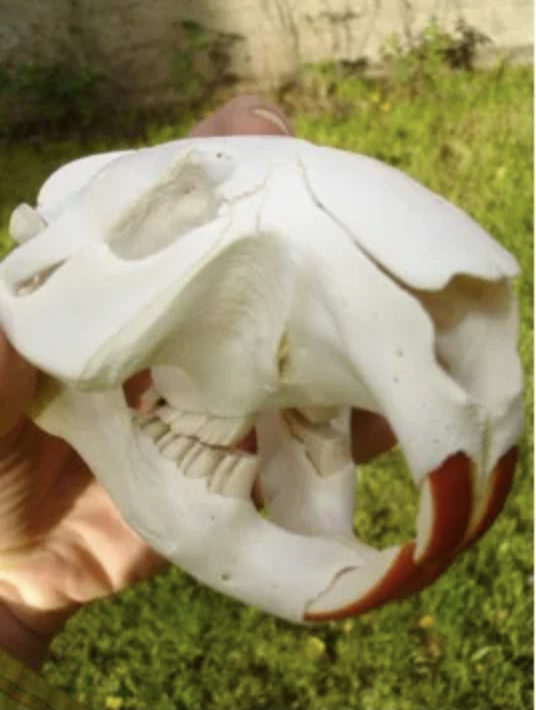
Why try to act like beavers? Beavers are not a panacea and can be a nuisance when they block water diversions or chew down people’s favorite trees, which is why they have been persistently trapped and killed or relocated in many areas across North America.

Continue reading

Introduced Species in Patagonia

Yesterday, I wrote a bit about a book I once read and how it related to the case of the introduction of the small Indian mongoose to Jamaica to try and control a rat problem. The situation of accidentally transporting a species onto an island (or a separate continent, which often amounts the same thing), realizing the mistake when the species causes problems with the local flora or fauna, and introducing a second species to try to control the first, only to have the second species cause its own more serious issues, is a fairly common one around the planet, although Australia seems to be particularly vulnerable (look up rabbits and toads).

The case I wanted to write about today is an example of purposeful introduction of a species for human gain, but which was not properly researched beforehand and caused severe ecological damage that is still incompletely mitigated today.

Today I’ll cover the beavers in southern Chile and Argentina. The story I had originally heard, several years ago when I was Continue reading