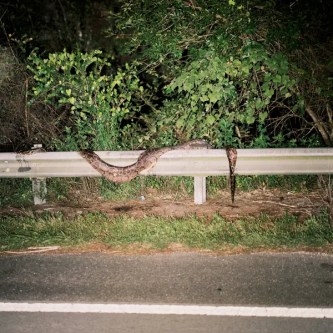
Invasive Pythons Are Winning, Get Your Game On

A Burmese python that was hit by a car. Zack Wittman for The New York Times

Nearly 12 years to the day since the first spectacular article we read on invasive species, we still watch for these stories. When it is invasive-hunting season, we take notice when new initiatives are announced:

Her Livelihood? Hunting Pythons in the Dead of Night.

Amy Siewe teaches people how to find and euthanize invasive Burmese pythons, which have been so successful at adapting to Florida that they appear here to stay.

On a clothing rack in Ms. Siewe’s living room are a dozen of skins, dyed deep hues by a tannery that helps her make python-leather products, including Apple Watch bands. Zack Wittman for The New York Times

An unexpected chill can fall over the Florida Everglades late at night. Stars speckle the sky. Frogs croak and croak, their mating calls echoing in the air.

It is all peace and wonder until you remember why you are out at this hour, on the flatbed of a pickup truck outfitted with spotlights, trying to find invasive creatures lurking in the shadows.

A python hunt might evoke images of hunters trudging through swamps and wresting reptiles out of the mud. In reality, it involves cruising the lonely roads that traverse the Everglades in S.U.V.s, hoping for a glimpse of a giant snake. It is strange work, straining on the eyes, brutal on the sleep schedule. Continue reading


Python Prey


4608 (1)

An American alligator in its natural habitat in the Florida Everglades. Burmese pythons have been know to prey on alligators in the area. Photograph: Charles Ommanney/Getty Images

Thanks to the Guardian’s Lance Richardson for updating us on the Everglades python saga we have been reading about for some years now, thanks to this story:

Python wars: the snake epidemic eating away at Florida

There are tens of thousands of pythons in the Florida wild, attacking animals and damaging ecosystems – and the quest to stop them has become a collective crusade

3072

A python in a tree. Photograph: Charles Ommanney/Getty Images

On a Thursday afternoon in St Petersburg, Florida, Beth Koehler crouches over a cairn terrier named Ginger, trimming intently as fur collects around her feet. On Koehler’s arm is a scratch – red, jagged and freshly acquired, though not in the way one might expect of a dog groomer.

“There was no way I could pin the head,” Koehler says, referring to the snake that was partly responsible. She had grabbed hold however she could, which made it “pissed”: “It decided to coil up and just throw itself at me.” Startled, Koehler had fallen backwards, cutting herself on a vine – an injury far preferable to the bite of a Burmese python.

“I have never been bit,” she proudly adds. “Peggy’s been bit once, but really, we’re very careful.”

Three days a week, Koehler runs Hair of the Dog with her partner of 31 years, Peggy van Gorder. The other four days the couple are usually out chasing pythons as members of Patric: the Python Action Team – Removing Invasive Constrictors, which is managed by the Florida fish and wildlife conservation commission (FWC). Continue reading