National Park of the Week: Banff National Park, Canada

5-peyto-lake-parc-de-banff

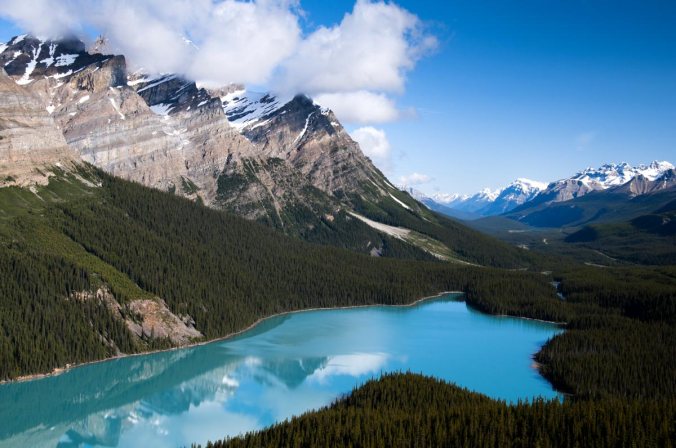
Peyto Lake, one of the many lakes in Banff. Image via authentikcanada.com

Established in 1883 by three railway workers who discovered a natural hot spring on the slopes of the Canadian Rockies, Banff National Park is Canada’s first national park and the birthplace of the world’s first national park service. Located in the heart of the Canadian Rockies, the park boasts more than a thousand picture-perfect glaciers and glacier-fed lakes, Castleground Caves (the country’s largest cave system), and several national historic sites. It also encompasses Banff, the highest town in Canada at an elevation of 4,540 ft, which makes it feasible and convenient to enjoy the sights over a period of days (which you will surely want to do).

Continue reading

Threats to Monarch Butterflies and How We Can Help

A Monarch butterfly caterpillar feeding on the leaves of a milkweed plant. Photographed at the Grapevine Botanical Gardens. Photo © TexasEagle/Flickr through a Creative Commons license, via TNC

We’ve covered monarch butterflies plenty of times in the past, whether it was reporting survey results showing that many households in the US would pay to help create habitat for the species, showcasing a citizen science project by the Xerces Society to count the winged invertebrates during their migration, or simply highlighting the needs of the orange butterfly in general and how to become involved. Now, given increased media coverage of the Monarch, the Cool Green Science blog for The Nature Conservancy is summarizing hazards and helpers of the species:

Twenty years ago, monarch butterflies occupied so much area in Mexico during the winter you could see it from space. It totaled about 20 hectares, or almost 50 acres, with millions if not billions of butterflies clinging to trunks and branches of trees.

Today, that area is around 4 hectares. The previous year had 1.1 hectares, says Brice Semmens, Assistant Professor at the Scripps Institution of Oceanography at the University of California San Diego.

Semmens was the lead author on “Quasi-extinction risk and population targets for the Eastern, migratory population of monarch butterflies” published recently in the journal Scientific Reports. It is one paper in a long line of sobering butterfly news.

Continue reading

Canadian Outdoor Hockey – Threatened by Climate Change?

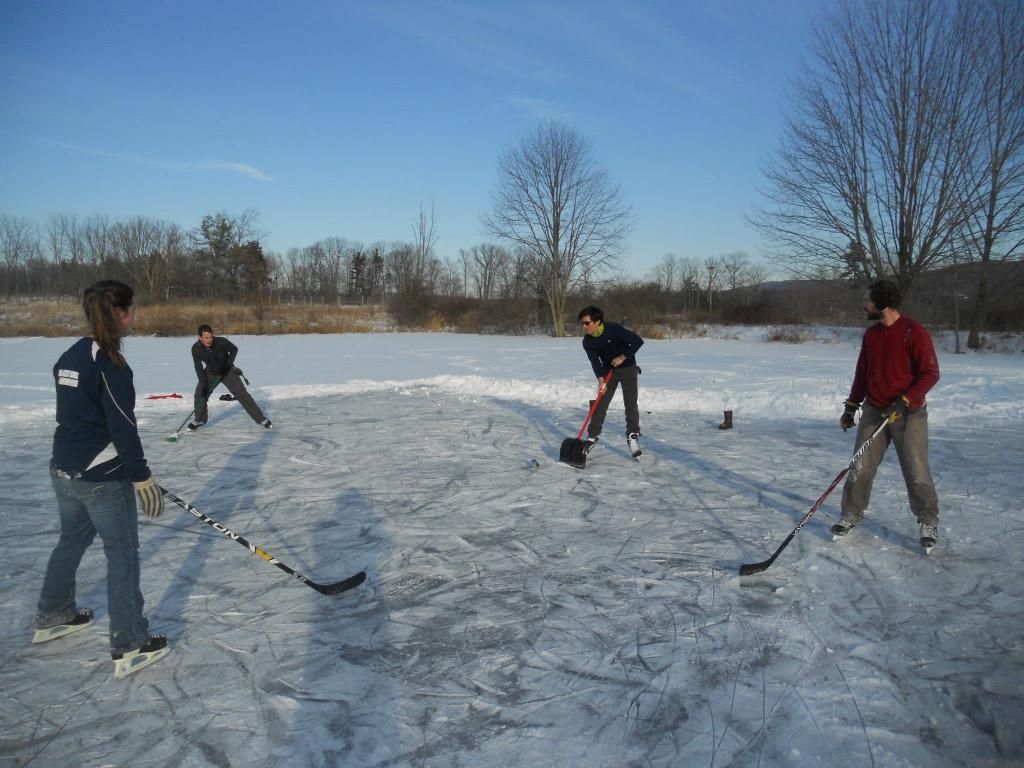
Photo of Cornell students playing outdoor hockey somewhere in NY, by Miles Luo

While a student at Cornell University, I played hockey out on a pond multiple times, and always had fun even on the occasions when several of us needed to use brooms or shovels as hockey sticks, and a crushed pineapple juice can as a puck. In recent years, it’s been a little tougher to find a good time to play since temperatures have fluctuated so wildly sometimes. Since my friends and I like to stay very conservative with our estimates on the ice’s thickness, an unusually warm day after a series of extremely cold — and typical Ithaca — ones can set us back a bit as we wait for a safer time to get on a pond.

So I at least partly understand the angst of all outdoor hockey-loving Canadians as described by Dave Levitan for Conservation Magazine:

Take anything from Canadians, anything at all—anything except hockey.

Few countries have such a relationship with an individual sport; cricket in India, soccer (football) in Brazil or various others, hockey in Canada. And while the Maple Leafs and the Canadiens aren’t going anywhere, the sport as it is played by millions of others in Canada is in serious danger thanks to climate change.

Continue reading