FDA Bans 19 Chemicals in So-called Antibacterial Soap

Image via The Telegraph

In my family we practically never used antibacterial hand-wash, because it wasn’t proven that they perform any better than normal soap – it was convenient sometimes to have a quick gel to clean up on the go without water, but antibacterial consumer products in the household were pretty much nonexistent. As it turns out, chemicals like triclosan, while still not proven with certainty to act negatively on human health, can persist in the natural environment for decades, including in water and soil. And that never seems like a good thing, especially when such compounds might be strengthening bacteria’s resistance to antibiotics. Monique Brouillette reports on the new US Food and Drug Administration’s ruling:

The U.S. Food and Drug Administration released its decision Friday on banning 19 active ingredients in antibacterial soaps. The ruling, 40 years in the making, caps a decades-long debate over whether these germ-busting chemicals are safe and offer any advantage over ordinary soap. The ban includes the most widely used antiseptic in hand soaps, triclosan—after a large number of studies have fallen short of manufacturers’ claims about its health benefits.
Continue reading

Let the Corals Have Their Colors

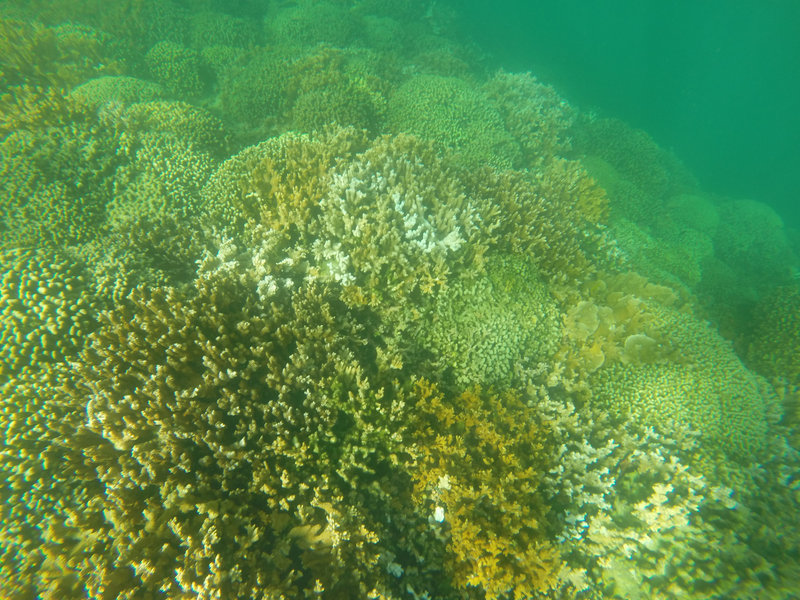
Partially bleached coral in Kaneohe, Hawaii. Coral reefs worldwide are at risk of damage from the suncscreen ingredient oxybenzone. PHOTO: AP

Partially bleached coral in Kaneohe, Hawaii. Coral reefs worldwide are at risk of damage from the suncscreen ingredient oxybenzone. PHOTO: AP

Corals worldwide are losing their colors, they are getting bleached. We’d discussed how stress due to global warming and climate change is forcing corals to drive out the zooanthellae that give them their colors. And now here’s more evidence on how human lifestyles are affecting life beneath the waters.

New research about sunscreen’s damaging effects on coral reefs suggests that you might want to think twice before slathering it on. Reports about the harmful environmental effects of certain chemicals in the water have been circulated for years, but according to the authors of a new study, the chemicals in even one drop of sunscreen are enough to damage fragile coral reef systems. Some 14,000 tons of sunscreen lotions wind up in coral reefs around the world each year.

Continue reading

Fancy a Chlorine-free Pool?

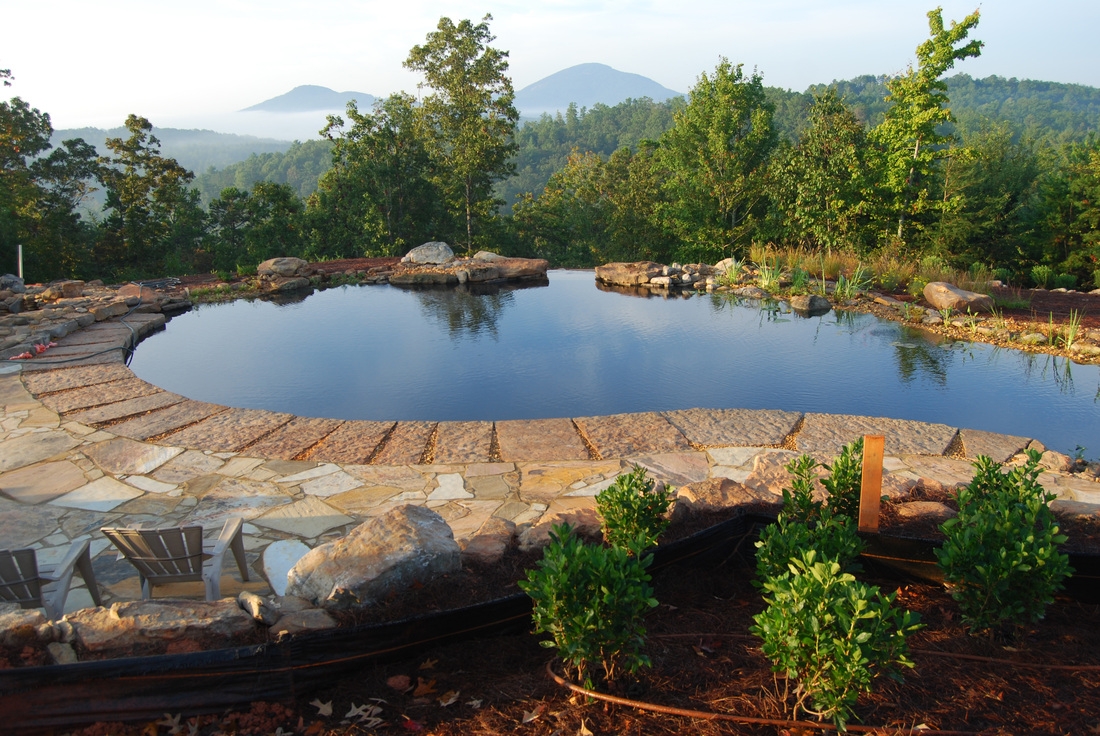
A natural pool set up by Total Habitat

A natural pool set up by Total Habitat

Natural pools are miraculous, gorgeous creations that use plant life, rocks, and other biological filters to eliminate the need for cleansing chemicals. They’re clean, they’re safe, and they’re absolutely beautiful. These natural pools have been big in Europe for a couple of decades now, with the first ones popping up in Austria and Germany in the 1980s. In the years since, they’ve seen a rapid increase in numbers. Today there are over 20,000 natural pools in Europe, including plenty open to the general public.

Continue reading

From Perfume Research to Eco-friendly Pesticides

Jim White's Anti-Pest-O grew out of ill effects of working with chemicals as a botanist. PHOTO: Gordon Chibroski

Jim White’s Anti-Pest-O grew out of ill effects of working with chemicals as a botanist. PHOTO: Gordon Chibroski

Are the beanstalks over your heads and the Japanese beetles in your garden driving you into a murderous rage? Then meet Jim White, creator of an eco-friendly insect repellent called Anti-Pest-O. Talk to him about bugs and find how we can dispense with them in the garden without relying on hard-core chemicals. The Portland resident came up with the formula for his product in the late 1990s as a form of self-defense when he was working as a botanist; every time he sprayed his plants with pesticides he broke out in a rash and/or developed a cough.

Continue reading