Nature’s Wisdom The Only Teacher

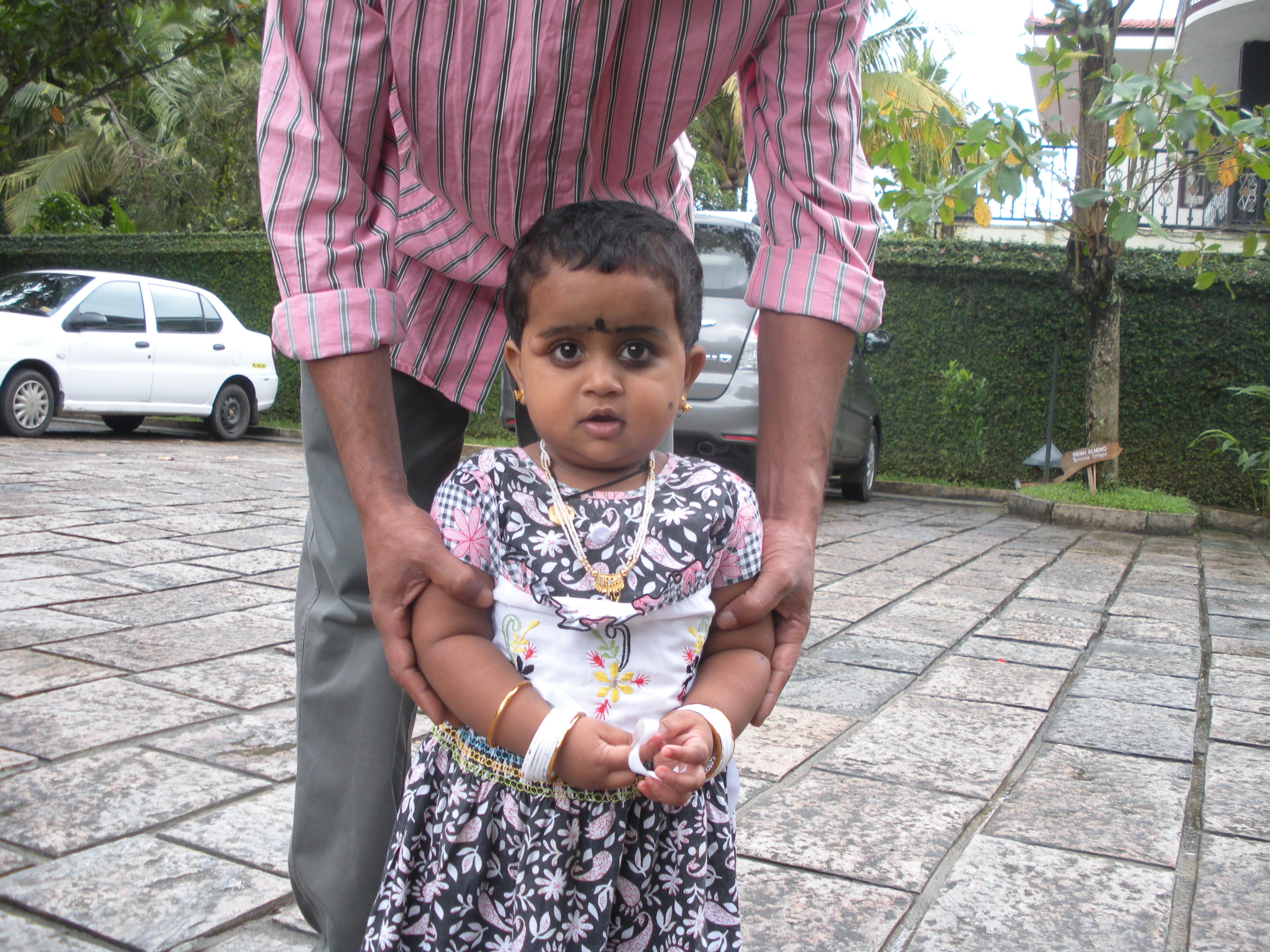
The Marudam School in Thiruvannamalai in Tamil Nadu. For starters, it’s run by an NGO – The Forest Way – a registered charitable trust involved in education, afforestation, environmental education, organic farming and more. Also, it receives no funding from the government. The school, set in an organic farm and powered by renewable energy, teaches its students about conscious living that respects the environment.
Continue reading

LEGO Is Going Green

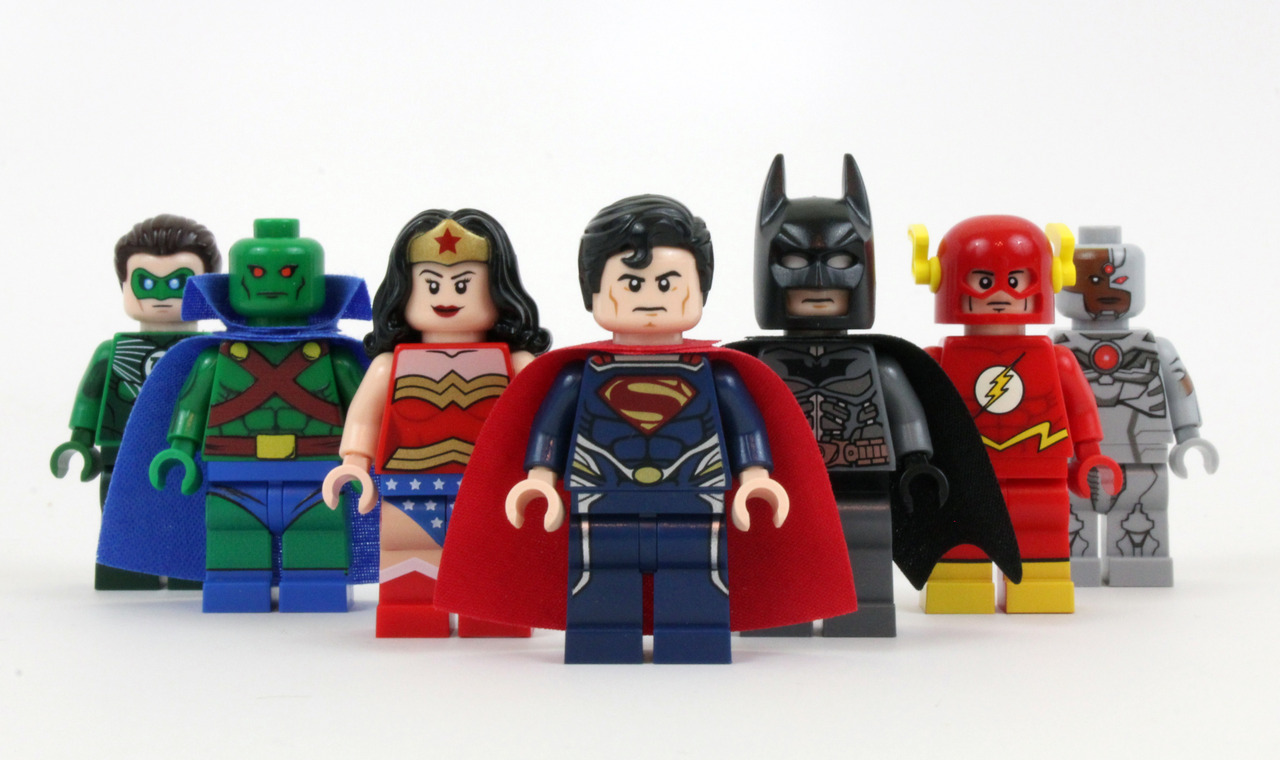
LEGO will invest $150 million to build a sustainable materials research center at its headquarters in Denmark. It is hiring over 100 specialists in material science to shape the  green future of the favorite building brick. PHOTO: Pinterest Read more: LEGO is investing $150 million to make better, more sustainable toy bricks | Inhabitat - Sustainable Design Innovation, Eco Architecture, Green Building

LEGO will invest $150 million to build a sustainable materials research center at its headquarters in Denmark. It is hiring over 100 specialists in material science to shape the green future of the building brick. PHOTO: Pinterest

By 2030, LEGOs will no longer be made of plastic. Instead, the world’s largest toy company will be using a more “sustainable material” to compose their toy blocks, which have been made of a strong plastic called acrylonitrile butadiene styrene since 1963.

While the switch will certainly save the company on its carbon footprint — the production of LEGOs uses more than 6,000 tons of plastic annually — it won’t be cheap. The Lego Group plans to invest $1 billion in their new Lego Sustainable Materials Centre in Denmark, where a team of 100 specialists will conduct research to find the best sustainable replacement for the building blocks’ current building material.

Continue reading

More of This Fish, Please

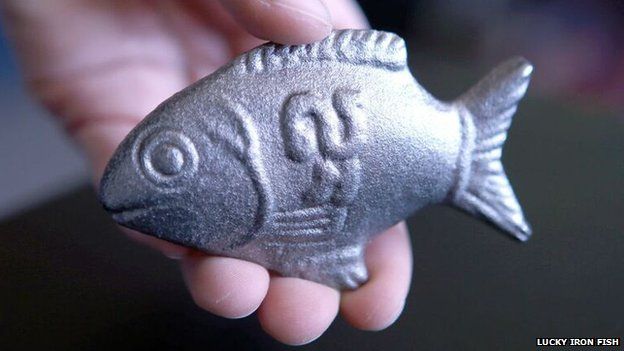
The lucky iron fish, designed by Gavin Armstrong, was based on the iron fish used in Dr Charles' research

The lucky iron fish, designed by Gavin Armstrong, was based on the iron fish used in Dr Charles’ research

Anemia is the most common and widespread nutritional disorders in the world, affecting 2 billion people globally – or over 30 percent of the world’s population. But Canadian scientists have come up with an ingenious solution, and it’s so simple, it fits in the palm of your hand. Meet the Lucky Iron Fish – a chunk of iron that’s thrown into the saucepan and boiled with lemon to give adults 75 percent of their daily recommended iron intake, and close to 100 percent for kids.

And this little fish just won the Product Design Grand Prix at Cannes.

When Canadian science graduate Christopher Charles visited Cambodia six years ago he discovered that anaemia was a huge public health problem. In the villages of Kandal province, instead of bright, bouncing children, Dr Charles found many were small and weak with slow mental development. Women were suffering from tiredness and headaches, and were unable to work. Pregnant women faced serious health complications before and after childbirth, such as hemorrhaging. Ever since, Dr Charles has been obsessed with iron.

Continue reading

Cardamom County, Kids’ Country

The energy was different at Cardamom County today. The delighted squeals of children replaced the semi-usual morning chatter of monkeys outside my room. Infants, toddlers and their pre-teen brothers and sisters outnumbered the adults at the buffet line at least 2:1. The splashes in the pool were made not by raindrops but by curious children, the plasticky click of ping-pong balls filled the recreation area, and each unexplored nook of the property made a perfect hiding place for games of hide-and-seek. It’s a virtual summer camp around here! Parents followed their young ones, not even feigning a chase, patiently flicking their billowing saris over their shoulders. I felt like I was reliving family field day at my primary school all over again, but in an alternate cultural and physical context. Continue reading