National Park of the Week: Jiuzhaigou National Park, China


crystalline-turquoise-lake-jiuzhaigou-national-park-china-01

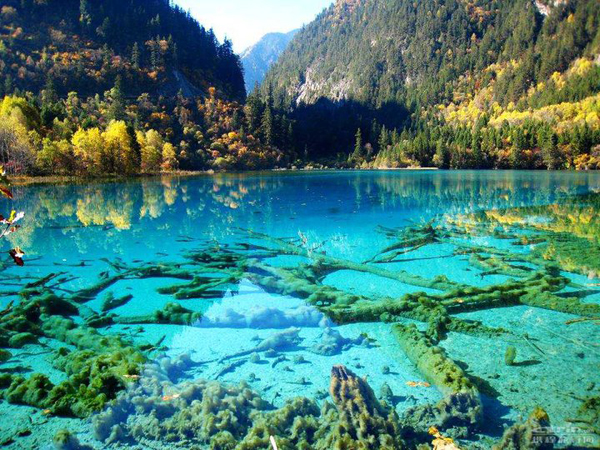
Five Flower Lake. Source: thousandwonders.net

Located in the northern part of Sichuan province in China, Jiuzhaigou National Park is comprised of a speckling of multi-colored lakes surrounded by deep woodlands and impressive conic waterfalls in between precipitous mountains. Given the high altitude of the jagged valley, 4,800 meters, the landscape has a range of diverse forest ecosystems over the 300 square km and half of which is virgin forest. About 140 bird species inhabit the valley as well as a number of endangered plant and animal species, including the giant panda, the Sichuan takin, and the golden snub-nosed monkey. Continue reading
Pandas & Baboo

dsc01051_zpsamb3vgjs

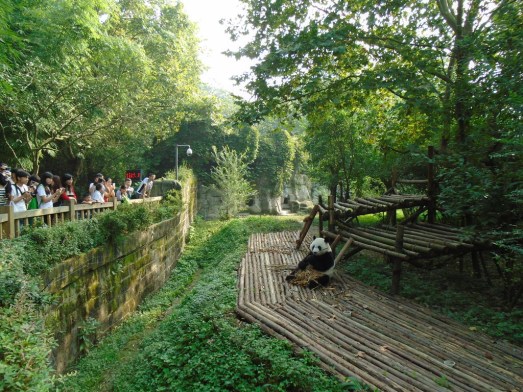
Giant panda feasting on some bamboo at Chengdu Research Base.

Reading this morning’s news about the giant panda being moved from “endangered” to “vulnerable” by the International Union for Conservation of Nature, reminds me of my small stuffed (artificial) panda bear called Baboo and the backstory to getting him.

During my semester abroad in China two years ago, I made a trip to Sichuan province and visited the Chengdu Research Base of Giant Panda Breeding. I had never seen a panda before and the opportunity to watch many of them (not only the giant panda, but also the red panda) was an opportunity I did not want to miss.

Continue reading

Increasing China’s Wind Power Production

Dabancheng wind farm in China’s Xinjiang province (Source: Bob Sacha/Corbis, via Dailytech.com)

Wind power, as we’ve written before, has great potential as an alternative energy source, although there are certain issues to take into account. China is installing the most new wind turbines per year, but has yet to produce the most wind-generated electricity given barriers by the coal industry. Prachi Patel reports for Conservation Magazine:

China is the world’s top wind energy installer. The country’s wind installations have a capacity of generating 145 Gigawatts, twice that of the United States and about a third of the world’s total wind power. Yet the country produces less wind electricity than the US. Last month, researchers from Harvard University and Tsinghua University argued in the journal Nature Energy that this underperformance is due to deliberate favoring of coal over wind by grid operators, delays in connecting new wind farms to the grid, and sub-par equipment.

Continue reading

Who’s Taking Over Coral Reefs?

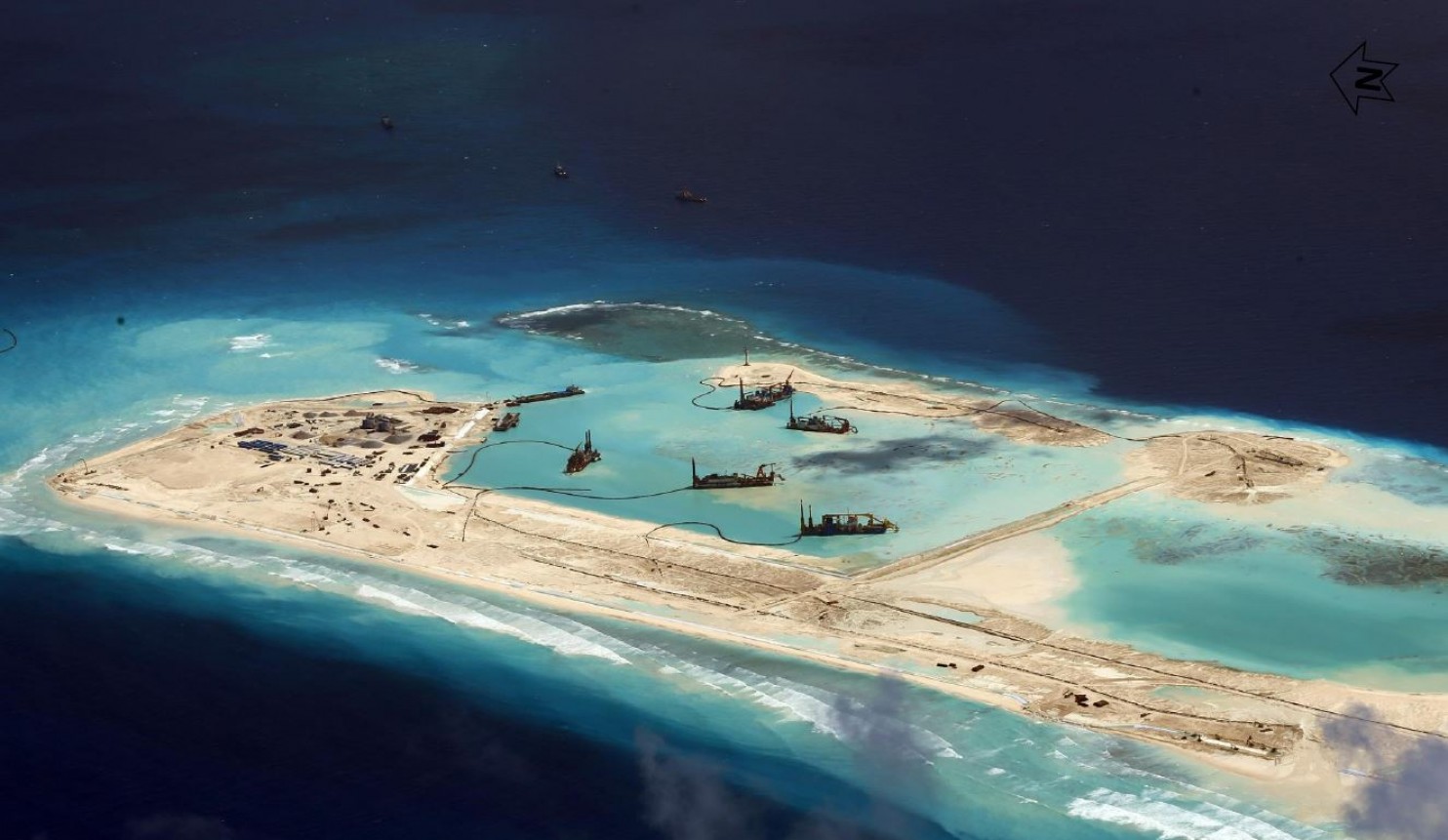
Between August and November in 2014, Chinese dredgers created a land mass on Fiery Cross that spans 3,000 meters long and 200 to 300 meters wide. PHOTO: Washington Post

Between August and November in 2014, Chinese dredgers created a land mass on Fiery Cross that spans 3,000 meters long and 200 to 300 meters wide. PHOTO: Washington Post

Here are some figures for China’s military strength. Here is also the fact that much of the country’s military building is concentrated in the high seas. Especially in waters that once hosted biodiversity hotspots in coral reefs.

As China races to extend its military reach, it is turning pristine habitats into permanent islands. Satellite images of the South China Sea show rapid destruction of some of the most biodiverse coral reefs in the world. The reclamation of land in the contested Spratly archipelago to build runways, military outposts and even small towns is endangering ecosystems that are key to maintaining world fish stocks and biodiversity.

Continue reading

The Next Big Industry in China?

Satellites, drones and remote sensors will soon be deployed across China to detect pollution levels over land, sea and air. This may indicate that normal methods to identify pollution levels haven’t really shown expected results. Or, that the levels have exceeded expected limits. In a country that is not only among the world’s top polluters but also has some of the most polluted cities, are environmental reforms becoming the norm? And what do these mean for the rest of the world?

Continue reading

Beijing Looks to ‘Making’ Snow

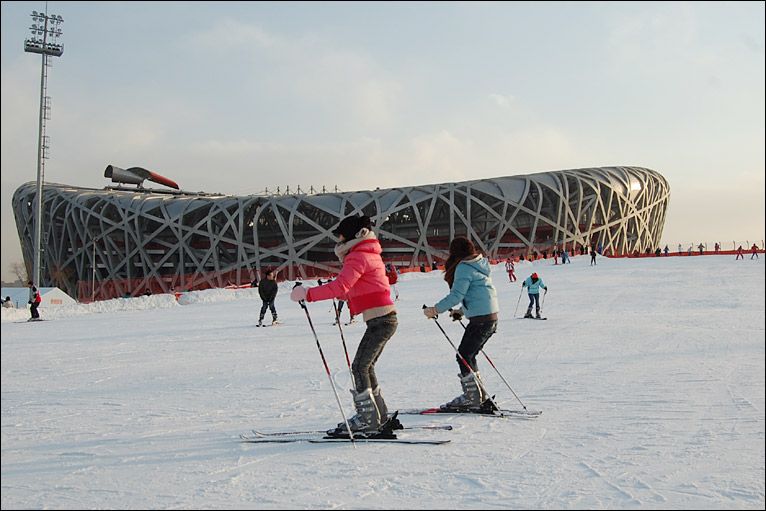
While Beijing has won the bid to host the 2022 Winter Olympics, questions are being raised about the environmental impact of creating artificial snow. PHOTO: BBC

While Beijing has won the bid to host the 2022 Winter Olympics, questions are being raised about the environmental impact of creating artificial snow. PHOTO: BBC

Beijing is still celebrating its chance to host the 2022 Winter Olympics. The International Olympic Committee’s (IOC) decision means China’s capital will become the first city to host the summer and winter events. The candidate cities were down to just Beijing and Almaty, Kazakhstan, after a number of other cities including Krakow, Poland, and Oslo, Norway, dropped out of the bidding, many citing public opposition to the expense of hosting the games. Despite Kazakhstan’s recent oil and gas-driven economic boom, Beijing was considered the safer choice, given that China proved during the 2008 Summer Games that it can put on quite a show. So, think Winter Games, think snow. And where is that going to come from?

Continue reading