How Cities Can Adapt to New High Temperatures

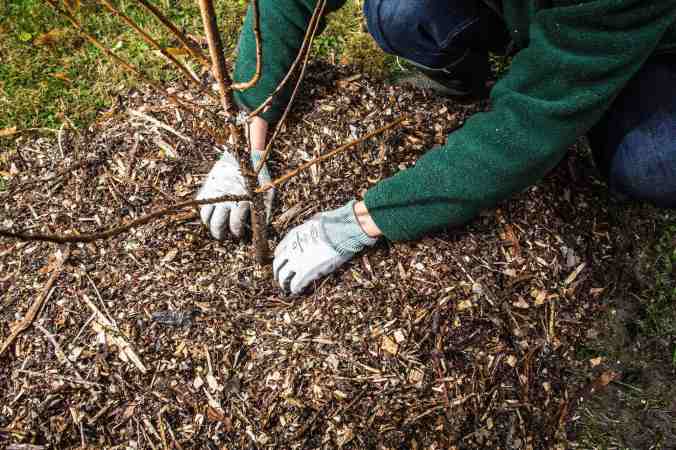
A community-gardening and forestry organization called Louisville Grows has planted city-hardy tree species on private land, churchyards, roadways, and curb strips to help the city cool its heat island. Photograph by Mark Peterson / Redux

We already know that climate change is no longer something to be concerned about for the future, but rather a very present danger. There are ways they can adapt, and part of that involves becoming more sustainable, as some are already doing. But one thing we hadn’t learned much about until now is the impact of increasing heat on the urban environment. Madeline Ostrander writes:

Katy Schneider, the former deputy mayor of Louisville, Kentucky, lives near Eastern Parkway, which forms one strand of her city’s necklace of green. Spending time on the leafy boulevard can make Louisville seem deceptively lush and shady, even when midsummer heat bakes the downtown. But about five years ago, Schneider was surprised to learn that the city had a shortage of trees. In the spring of 2011, students at the University of Louisville surveyed the local canopy and found that it had about thirteen per cent fewer trees than the average for metropolitan areas in the region.
Continue reading

Sustaining Livelihoods with Water

Guest Author: Rania Mirabueno

Mullaperiyar Dam

Mullaperiyar Dam taken by Milo Inman

View from Mullaperiyar Dam

View from Mullaperiyar Dam taken by Milo Iman

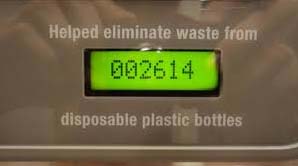
Sustainable Water Fountain

Sustainable Water Fountain taken by Seth Inman

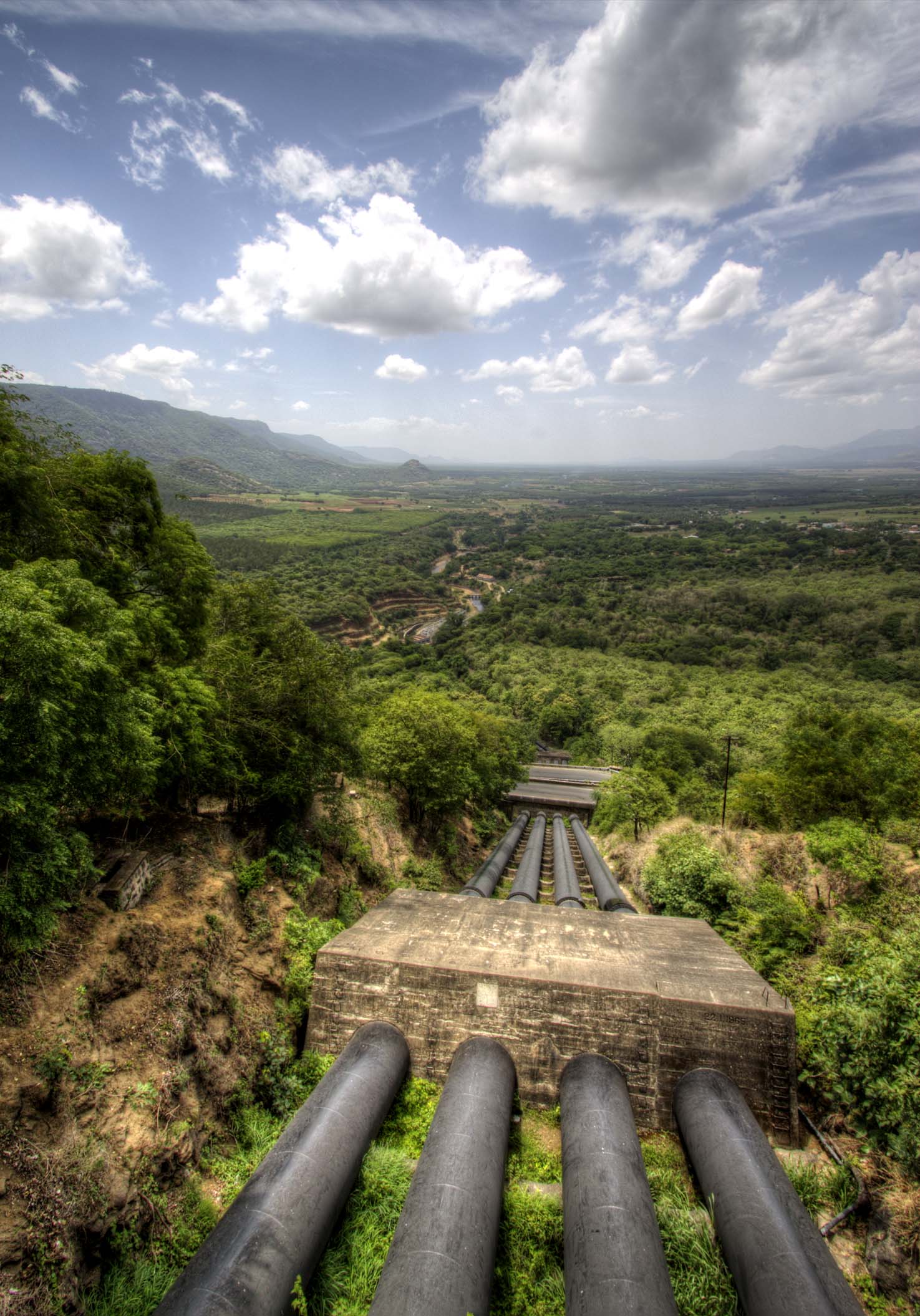
While enjoying this beautiful view into Tamil Nadu from the top of the Cardamom hills in Thekkady, Kerala, I began to think about what was behind me. A massive water system, four gigantic pipes directing water from the Mullaperiyar dam to its neighbor, Tamil Nadu. It instantly hit me how vital water is to human civilization that no pie chart or graph can depict any clearer.

The dispute of water from Kerala to Tamil Nadu rings close to my heart with similar water challenges to my home in the Southwest region of the United States. The Hoover Dam is the lifeblood for populations nearing more than 3 million in Los Angeles to Phoenix. Sustaining livelihoods of people will require creative collaborations among cities and increasing educational initiatives about how our actions as a civilization can negatively or positively affect our land and resources, especially water.

The real question is how does this EZ-fill water fountain found at Cornell University fit in with Mullaperiyar dam? Continue reading