People First at This Public Regrigerator

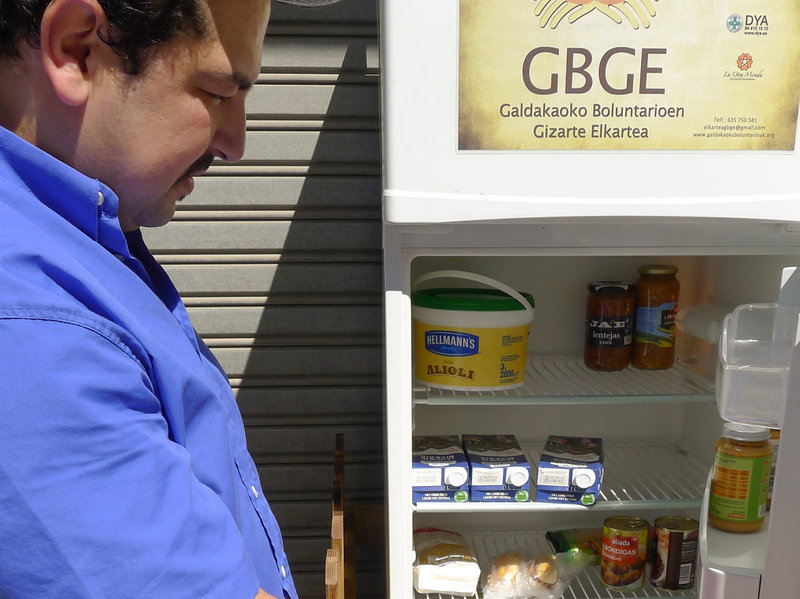
Issam Massaoudi, an unemployed Moroccan immigrant, checks out what's inside the Solidarity Fridge. Massaoudi says money is tight for him, and it's

Issam Massaoudi, an unemployed Moroccan immigrant, checks out what’s inside the Solidarity Fridge. Massaoudi says it’s “amazing” to be able to help himself to healthy food from Galdakao’s communal refrigerator. PHOTO: NPR

Last year, a small act of kindness in the desert country of Saudi Arabia warmed the hearts of many across the globe. An anonymous individual put a fridge outside his house and called on neighbors to fill it with food for the needy. And now a pioneering project in the Basque town of Galdakao, population about 30,000, aims to eliminate wastage of perfectly good groceries and food. Solidarity refrigerator is showing the world how a little generosity can go a long way.

Continue reading

Goodwill on Two Wheels

The Bike Project is run by former refugees and mechanics, who work with new refugees to fix up donated bikes. PHOTO: The Bike Project

The Bike Project is run by former refugees and mechanics, who work with new refugees to fix up donated bikes. PHOTO: The Bike Project

13,500 refugees flee to London each year. In that same period, around 27,500 bikes are abandoned. Just one of these abandoned bikes can help a refugee save 20 pounds a week on bus fare. That’s 1,040 pounds a year. Having fixed, donated, and helped refugees maintain over 300 bikes, The Bike Project is turning the wheels of goodwill and community development.

Continue reading

More Internet, More Power

Facebook’s ‘Aquila’, the first solar powered internet drone, parallels Google’s Project Loon PHOTO: Jewish Business News

Facebook has unveiled its ambitious project with its first comprehensive solar powered drone. With the help of its first drone code named Aquila, the social networking giant aims to provide internet connection to 4 billion users across the secluded parts of the globe. In fact, Aquila joins Google’s Project Loon in the space of connecting people and places.

Continue reading

Prefab Solar Classrooms Power Education in Kenya

According to a UN report, there are around 57 million children who don’t have a school to go to.The UN’s Educational, Scientific and Cultural Organisation (Unesco) says in some areas it could take 70 years before there are enough primary school places for every child. There has been some progress though; there are now half as many children unable to go to school as there were in the year 2000. That means in the past 13 years around 60 million more children now have access to an education. And initiatives like Aleutia’s definitely play a big role in bringing down the number of children who lack access to education.

Continue reading

Playing to Light Up Lives

Uncharted Play is a social enterprise based in New York City founded with the mission of harnessing the power of play to achieve social good. PHOTO: UP

Uncharted Play is a social enterprise based in New York City founded with the mission of harnessing the power of play to achieve social good. PHOTO: UP

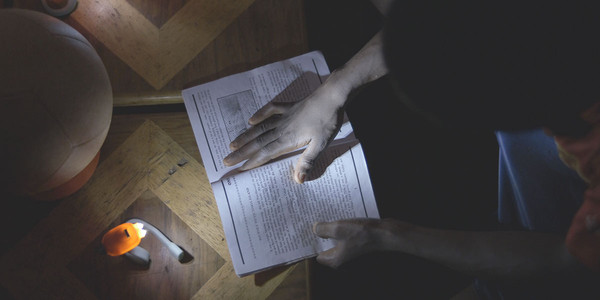
1.2 billion people around the world lack access to reliable electricity. They end up using kerosene lamps or diesel generators for their lighting requirements. But did you know that the annual collective emissions from kerosene lamps all over the world is equal to the carbon emissions of 38 million automobiles? It’s not just the carbon footprint – burning kerosene lamps indoors is as bad for the lungs as smoking two packs of cigarettes per day.

Continue reading

A ‘Ketchup’ Sachet and its Power to Heal

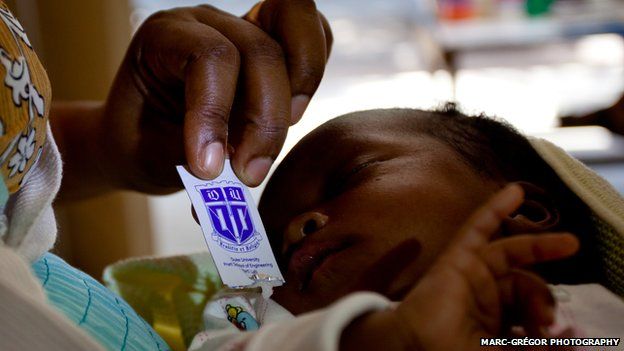
An HIV positive mother in Moshi, Tanzania, giving her baby antiretroviral medicine from the sachet

An HIV positive mother in Moshi, Tanzania, giving her baby antiretroviral medicine from the sachet

Inside a foil sachet, which looks more at home in a fast-food restaurant, an exact dose of antiretroviral medicine is helping to protect newborn babies against the threat of infection from their HIV-positive mothers. According to the UN, mother-to-child transmission in the developing world creates 260,000 new infections in children every year. Thanks to a program involving the Ecuadorian government, the VIHDA foundation in Guayaquil and Duke University in North Carolina, at least 1,000 babies have been born without the infection from HIV-positive mothers.The program is enabling newborn babies to take their medicines efficiently – via a pouch that looks just like the small ketchup sachets you get at fast food restaurants. Only in this case, they are filled with antiretroviral drugs, which protect against HIV.

Continue reading

What’s in the Buffalo Air?

Wind turbines rise along the shores of Lake Erie on land that used to be home to Bethlehem Steel. PHOTO: Brendan Bannon for The New York Times

Wind turbines rise along the shores of Lake Erie on land that used to be home to Bethlehem Steel. PHOTO: Brendan Bannon for The New York Times

Along a bend in the Buffalo River here, an enormous steel and concrete structure is rising, soon to house one of the country’s largest solar panel factories. Just to the south, in the rotting guts of the old Bethlehem Steel plant in Lackawanna, where a dozen wind turbines already harness the energy blowing off Lake Erie, workers are preparing to install a big new solar array. And in Lockport, to the north, Yahoo recently expanded a data and customer service center, attracted by the region’s cheap, clean power generated by Niagara Falls.

After decades of providing the punch line in jokes about snowstorms, also-ran sports teams and urban decline, the Queen City of the Lakes is suddenly experiencing something new: an economic turnaround, helped by the unlikely sector of renewable energy.

Continue reading

When Gardens Go Vertical

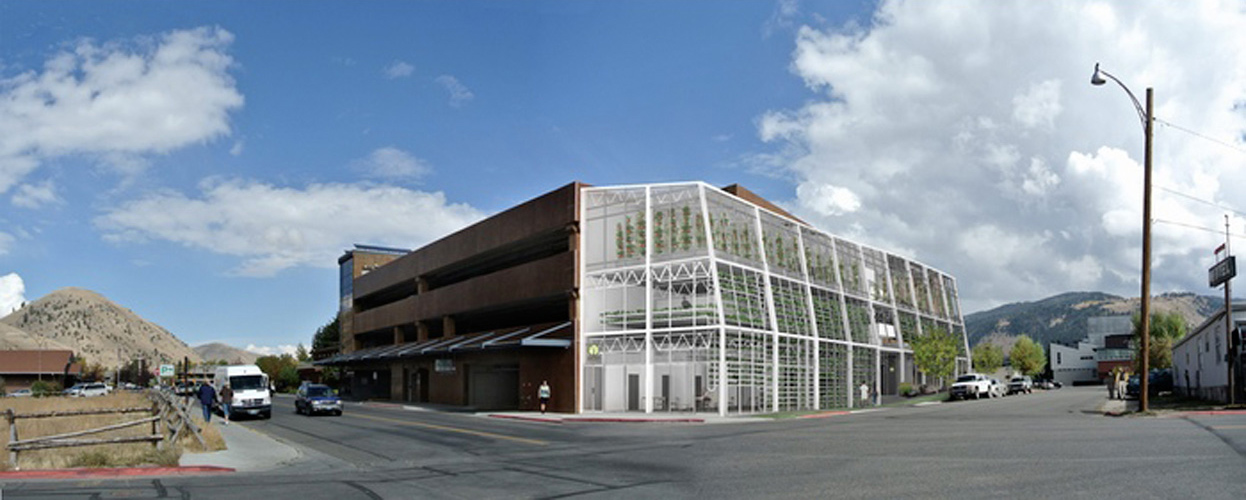
A vacant lot In Jackson, Wyoming is all set to become a vertical farm. PHOTO: CoExist

A vacant lot In Jackson, Wyoming is all set to become a vertical farm. PHOTO: CoExist

Jackson, Wyoming, is an unlikely place for urban farming: At an altitude over a mile high, with snow that can last until May, the growing season is sometimes only a couple of months long. It’s also an expensive place to plant a garden, since an average vacant lot can cost well over $1 million. But the town is about to become home to a vertical farm. On a thin slice of vacant land next to a parking lot, a startup called Vertical Harvest recently broke ground on a new three-story stack of greenhouses that will be filled with crops like microgreens and tomatoes.

Continue reading

Dear Cocoa

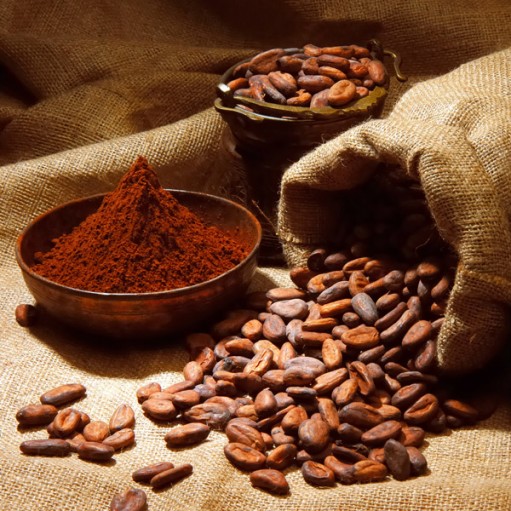
The world is running out of cocoa farmers. Younger generations no longer want to be in cocoa. Older generations are reaching their life expectancy. PHOTO: Herbcraft

The world is running out of cocoa farmers. Younger generations no longer want to be in cocoa. Older generations are reaching their life expectancy. PHOTO: Herbcraft

Think comfort food, think chocolate. Much has been written and debated about cocoa’s health properties. Many are the ones who swear by the uplifting power of cocoa at the end of forgettable days. But the ones who grow the beans hardly find any comfort in them, says the Cocoa Barometer. Some of them haven’t even tasted chocolate. Cocoa continues to be among the few crops that are hand-harvested but it doesn’t hand its cultivators a fair deal, says research.

Continue reading

For the Love of the Beautiful Game

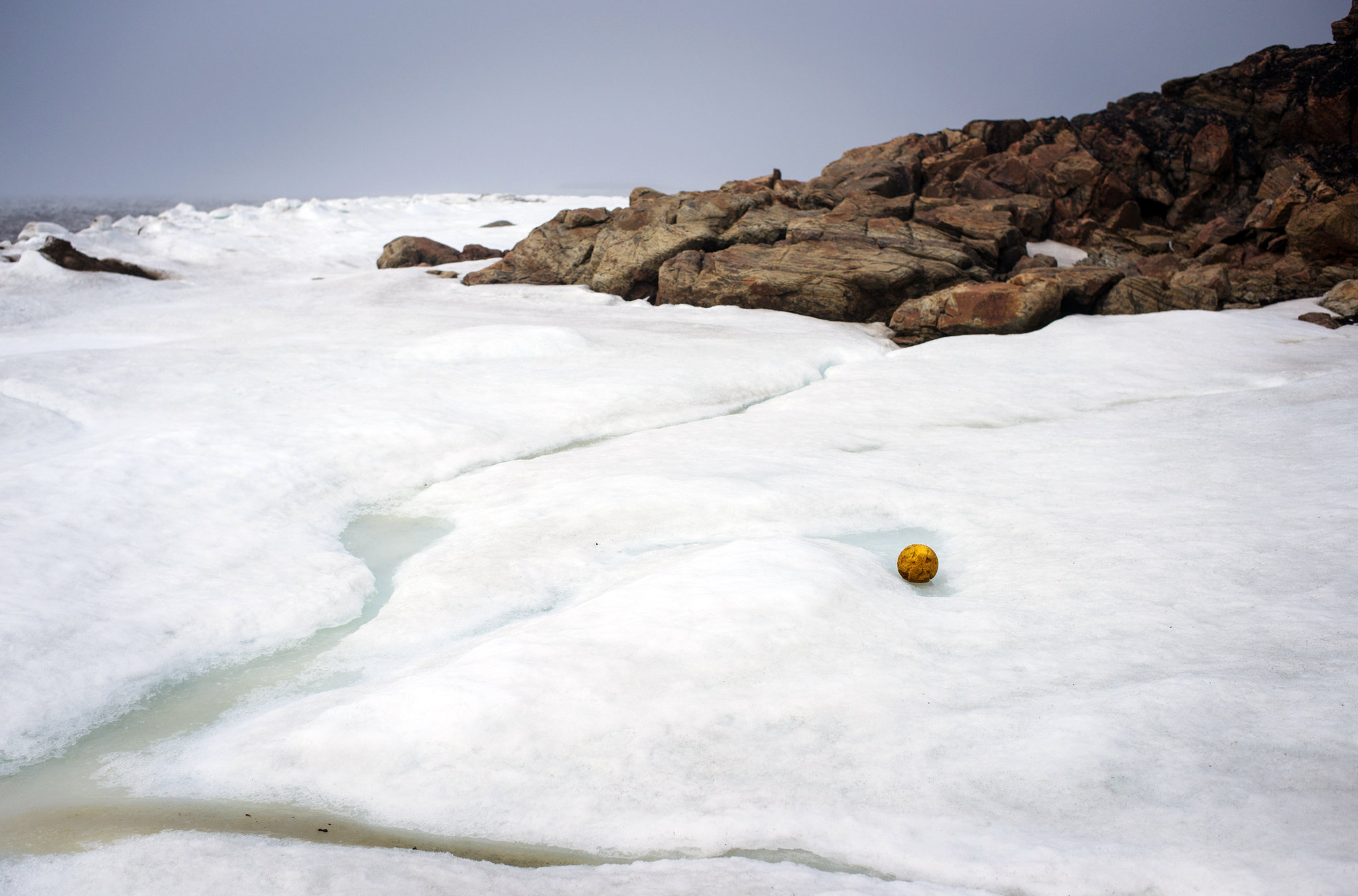
Even in late June, ice clotted Frobisher Bay in Iqaluit, where teams from across Nunavut met to compete in a soccer tournament.PHOTO: Ian Willms for The New York Times

Even in late June, ice clotted Frobisher Bay in Iqaluit, where teams from across Nunavut met to compete in a soccer tournament.PHOTO: Ian Willms for The New York Times

Sports, like most aspects of life, are not easy in the Canadian Arctic. But a major youth tournament recently revealed soccer’s importance to the area. Sports, like everything in the Arctic, demand constant, patient improvisation. Nunavut makes up about 20 percent of Canada’s land mass and is more than twice the size of Texas, but it has only an estimated 36,000 inhabitants, predominantly Inuit. There are no roads connecting the 25 communities in this vast territory. Every trip requires a snowmobile, a dogsled, an all-terrain vehicle, a boat or an airplane. Contingencies must be made for immense distance, mercurial weather, extravagant costs and geographic paradox. Soccer is best played on plush grass, but nearly all of Nunavut is tundra. So the sport has adapted.

Continue reading

Where is the US’ Water Going?

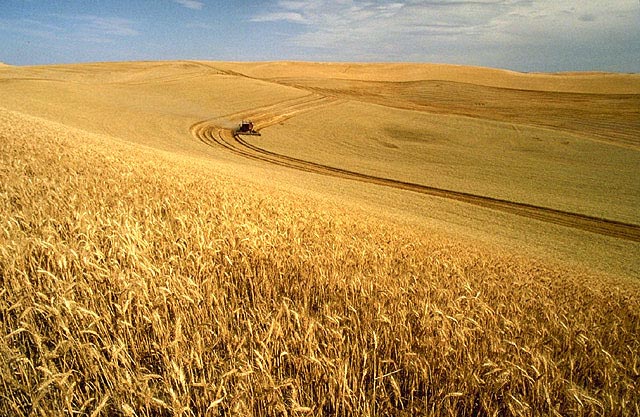
In the U.S, about 42 percent of irrigated agriculture depends on groundwater, and the depletion of major aquifers will affect not only future food production but also urban areas that need freshwater from these sources. PHOTO: Wikimedia Commons

Freshwater in the United States is really on the move. Much of the water pulled from underground reservoirs called aquifers gets incorporated into crops and other foodstuffs, which are then are shuttled around the country or transferred as far away as Israel and Japan, according to a new study. It shows how reliance on a finite supply of groundwater for agriculture threatens global food security. More than 18% of the U.S. supply of so-called cereal grains like corn, rice and wheat depends on a limited supply of groundwater found deep below the earth in aquifers, researchers found.

Continue reading

The Ice Man of India

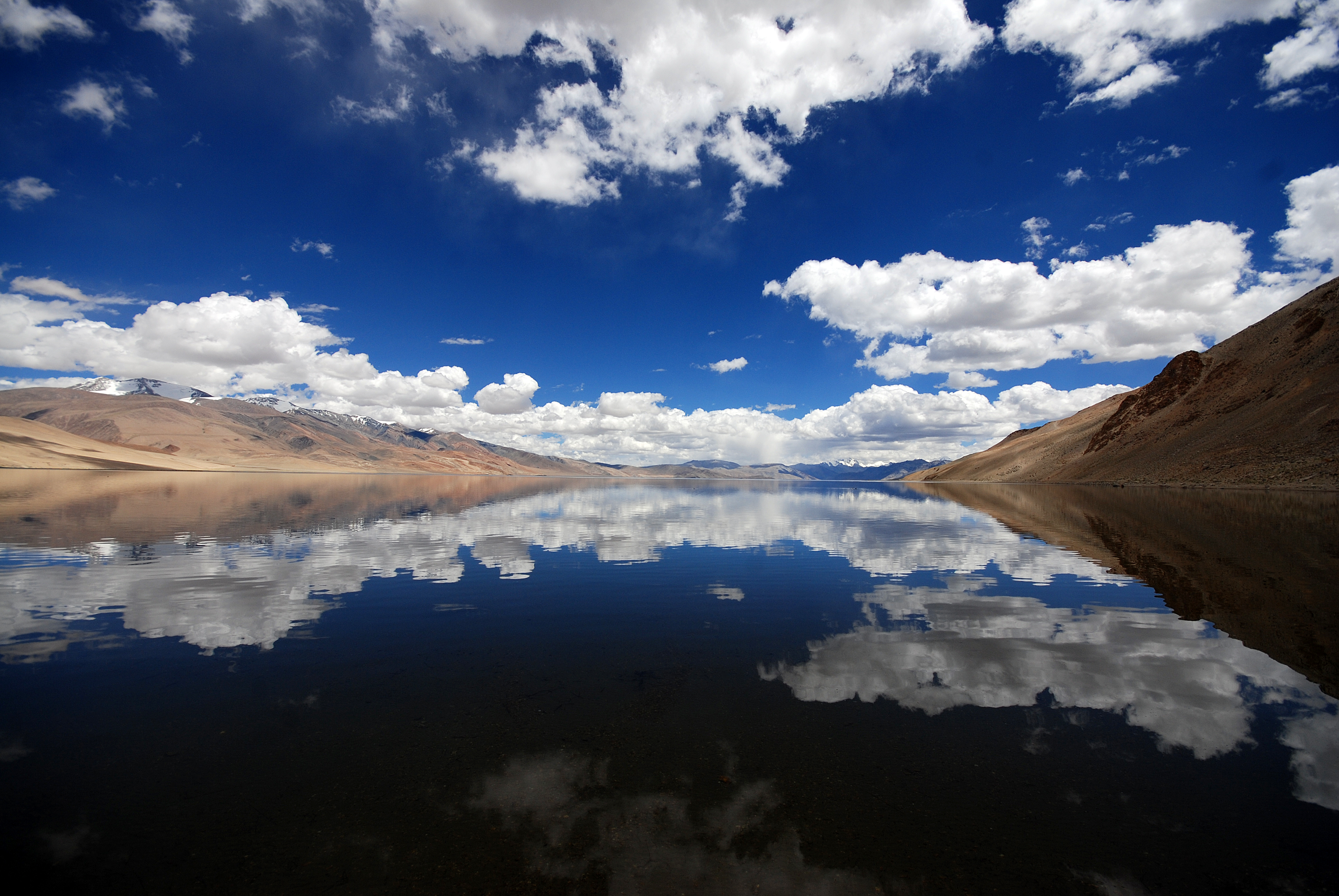
Ladakh’s beautiful mountains might be a paradise for tourists, but ask the locals who struggle to meet their basic water needs every year. PHOTO: Wikimedia Commons

Ladakh’s beautiful mountains might be a paradise for tourists, but ask the locals who struggle to meet their basic water needs every year. PHOTO: Wikimedia Commons

Rain is scarce in the snow-peaked Himalayas of northern India, and summers bring dust storms that whip across craggy brown slopes and sun-chapped faces. Glaciers are the sole source of fresh water for the Buddhist farmers who make up more than 70% of the population in this rugged range between Pakistan and China. But rising temperatures have seen the icy snow retreat by dozens of feet each year. To find evidence of global warming, the farmers simply have to glance up from their fields and see the rising patches of brown where, once, all was white. Knowing no alternative, they pray harder for rain and snow. But Chewang Norphel had the answer: artificial glaciers.

Continue reading

More of This Fish, Please

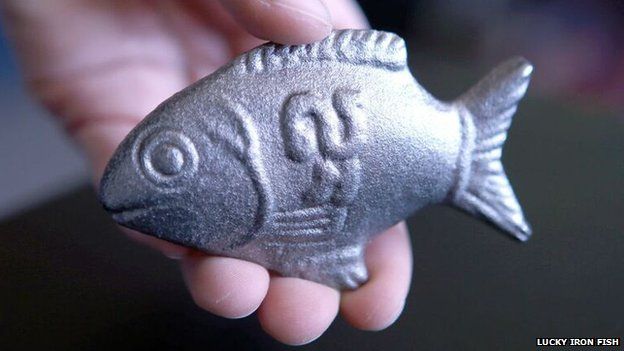
The lucky iron fish, designed by Gavin Armstrong, was based on the iron fish used in Dr Charles' research

The lucky iron fish, designed by Gavin Armstrong, was based on the iron fish used in Dr Charles’ research

Anemia is the most common and widespread nutritional disorders in the world, affecting 2 billion people globally – or over 30 percent of the world’s population. But Canadian scientists have come up with an ingenious solution, and it’s so simple, it fits in the palm of your hand. Meet the Lucky Iron Fish – a chunk of iron that’s thrown into the saucepan and boiled with lemon to give adults 75 percent of their daily recommended iron intake, and close to 100 percent for kids.

And this little fish just won the Product Design Grand Prix at Cannes.

When Canadian science graduate Christopher Charles visited Cambodia six years ago he discovered that anaemia was a huge public health problem. In the villages of Kandal province, instead of bright, bouncing children, Dr Charles found many were small and weak with slow mental development. Women were suffering from tiredness and headaches, and were unable to work. Pregnant women faced serious health complications before and after childbirth, such as hemorrhaging. Ever since, Dr Charles has been obsessed with iron.

Continue reading

Putting the Horse Before the Cart

For better or worse – the Indian city of Mumbai is preparing to bid goodbye to one of its icons. The city’s ornate horse-drawn carriages are nearing the end of the road after a court in the Indian city ruled them illegal. The silver-colored Victorias – styled on open carriages used during Queen Victoria’s reign – have been plying Mumbai’s streets since British colonial times, and for years have been a tourist attraction. But recently, the Bombay High Court agreed with animal welfare groups, who had petitioned for a ban citing poor treatment of the horses, that the practice was cruel.

Continue reading

What’s That You Hear on Uganda’s Streets?

Uganda has the world’s youngest population, with over 78% below 30 years of age. PHOTO: campustimesug.com

Uganda has the world’s youngest population, with over 78% below 30 years of age. PHOTO: campustimesug.com

Uganda is a ‘young’ country if the above numbers are anything go by. And that makes the nation’s present population one that is acclimatized to he ways of the English language. A consequence of it is the development of a new language  – Luyaaye. Designated an Urban Youth Language (informal varieties, the new variant is a combination of mostly English, Sheng (a Swahili-based cant, originating among the urban underclass of Nairobi, Kenya), and other Sudanese languages. Now, why should anybody pay attention to this nascent dialect, that is less rigid than traditional languages and mainly involves word play? And should its dark past be forgotten, the one about the language helping criminals do their business?

“Programmes have been carried out to spread information about AIDS but even with increased dissemination there was a decrease in the take-up of that information,” she said. “When asked what would help, people said ‘speak our language’.

Continue reading

When Soap Makes the Difference

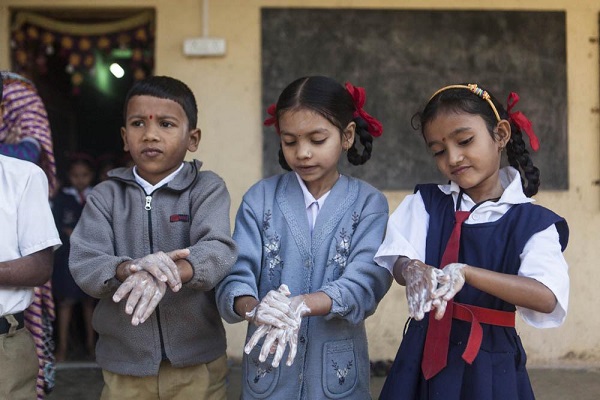
Sundara is a soap making operation in Mumbai that collects bar soap waste from hotels and recycles it for underprivileged children who cannot afford to buy soap. PHOTO: Sundara

Sundara is a soap making operation in Mumbai that collects bar soap waste from hotels and recycles it for underprivileged children who cannot afford to buy soap. PHOTO: Sundara

Ever wondered what happens to the barely used soaps that you leave behind in hotel rooms? Think they get reused? We’ve got bad news – they don’t. In fact they are normally tossed away, cluttering our already crowded landfills. The solution at our Raxa Collective properties is to use dispensers filled with all-natural liquid soaps to avoid the waste of bar soaps. Sundara, a soap making operation in Mumbai has a community-based solution to the problem. They collect bar soap waste from hotels, sanitize and recycle it and distribute the new soaps to underprivileged children and adults who cannot afford soap. To date they have regular soap distributions reaching over 6,000 underprivileged children and adults in Mumbai slums. They have also saved thousands of kilograms of waste from going to landfills in the process.

And it started with a University of Michigan graduate. And she didn’t let a near-death experience with dengue hemorrhagic fever stop her from making the world and its people a little more clean.

Continue reading

Hawaii Hits the Road to Help Homeless

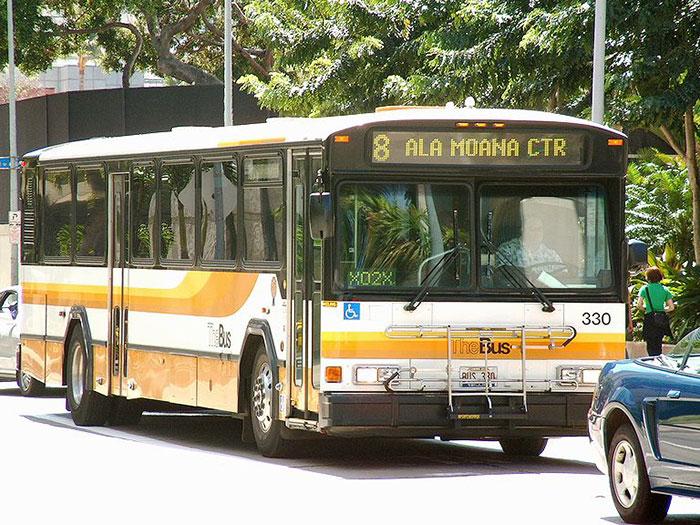
Old city buses in Hawaii are going to be converted into homeless shelters if architecture firm Group 70 International is successful.

Old city buses in Hawaii are going to be converted into homeless shelters if architecture firm Group 70 International is successful.

Hawaii has one of the worst homeless rates in the country. In a 2014 “State of Homelessness in America” report, Hawaii ranked highest among the 50 states for homeless people per capita with 45.1 percent; the national rate was 19.3 percent. Up to 70 old city buses in Hawaii are going to be converted into homeless shelters if architecture firm Group 70 International is successful. The vehicles are to operate in fleets, with different units dedicated to different purposes, from living spaces to recreation rooms.

The design “is based on the premise that you could walk in to a hardware store, buy everything you need in one go and build everything with no trade skills,” so that it can be built by a team of untrained volunteers. LIFT, the volunteer organization helping to execute the project, hopes to build two buses by the end of this summer. 70 buses and all the material required for renovations will be donated.

Continue reading

Sri Lanka Takes the Ecofeminism Route

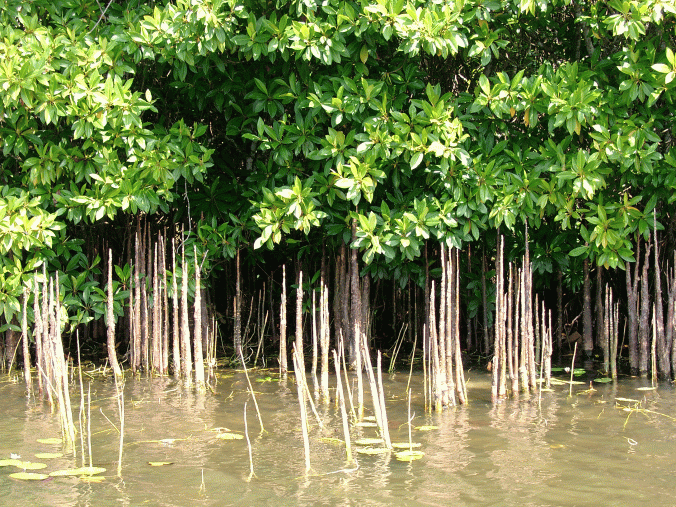
The new national scheme aims to set up 1,500 community groups around Sri Lanka's 48 lagoons, which will offer alternative job training and micro-loans to 15,000 people. The groups will be responsible for the upkeep of designated mangrove forests.

The new national scheme aims to set up 1,500 community groups around Sri Lanka’s 48 lagoons, which will offer alternative job training and micro-loans to 15,000 people. The groups will be responsible for the upkeep of designated mangrove forests. PHOTO: Outdoor Conservation

Big news for the environment: Sri Lanka’s new government just took the unprecedented, historic step to protect all of its mangroves. The move, the first of its kind anywhere in the world, will provide long-term environmental, social and, last but not least, economic benefits to the Indian Ocean island nation, and provide a model for other vulnerable tropical nations to follow. Whose are the champions of this mission? Women.

Started in the 1970’s and gaining in much popularity during the next two decades, ecofeminism seeks to foster a connection between repression of women with the damage caused to nature and natural resources. It is based on the philosophy that both women and nature exhibit the same values and characteristics like nurturing and hence see it as the responsibility of women to undertake ecological causes. One of the most memorable events of ecofeminism occurred in Kenya when rural women planted trees as part of a soil conservation effort to avert desertification of their land as a part of the Green Belt Movement formed by Wangari Maathai. The women of Greenham Common Peace Camp were instrumental in the removal of nuclear missiles there, a fight lasting for over ten years. Sometimes ecofeminism has also been an avenue through which minority and repressed communities like the Native Americans have found their voice. Mohawk women along the St. Lawrence River established the Akwesasne Mother’s Milk Project to monitor PCB toxicity while continuing to promote breastfeeding as a primary option for women and their babies. More.

Continue reading

Celebrating Nanma Sahaya Samithi’s first birthday in Mattancherry

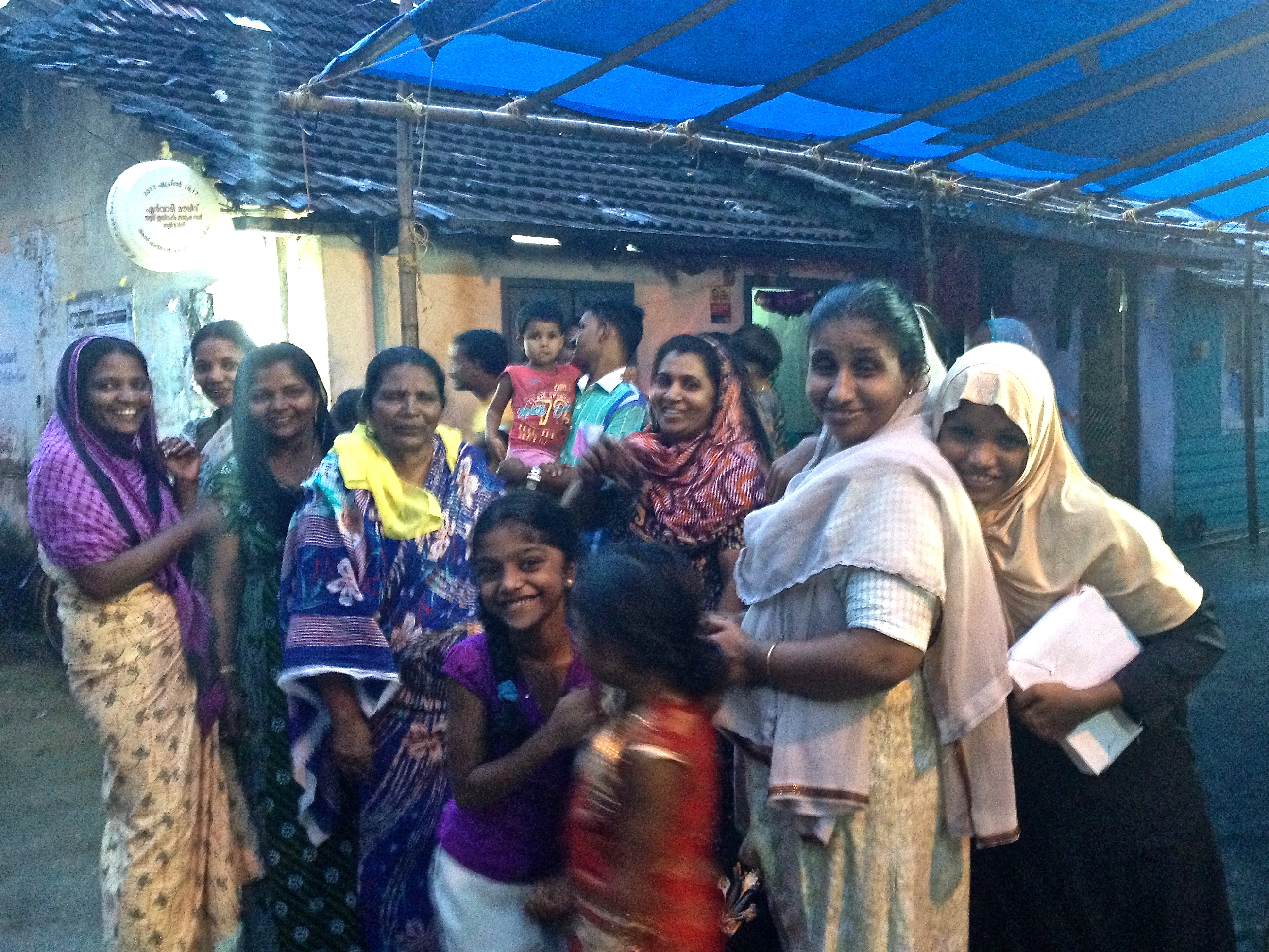
Nanma Shaya Samithi bursars and their families (c) credit Ea Marzarte - Raxa CollectiveOne of the projects we are currently working on is renovating a heritage building in the historical neighborhood of Mattancherry in Cochin. We hope that Spice Harbour will encourage other entrepreneurs to tackle these beautiful yet challenging buildings before they disappear into the night. But a neighborhood is not all about old stones.

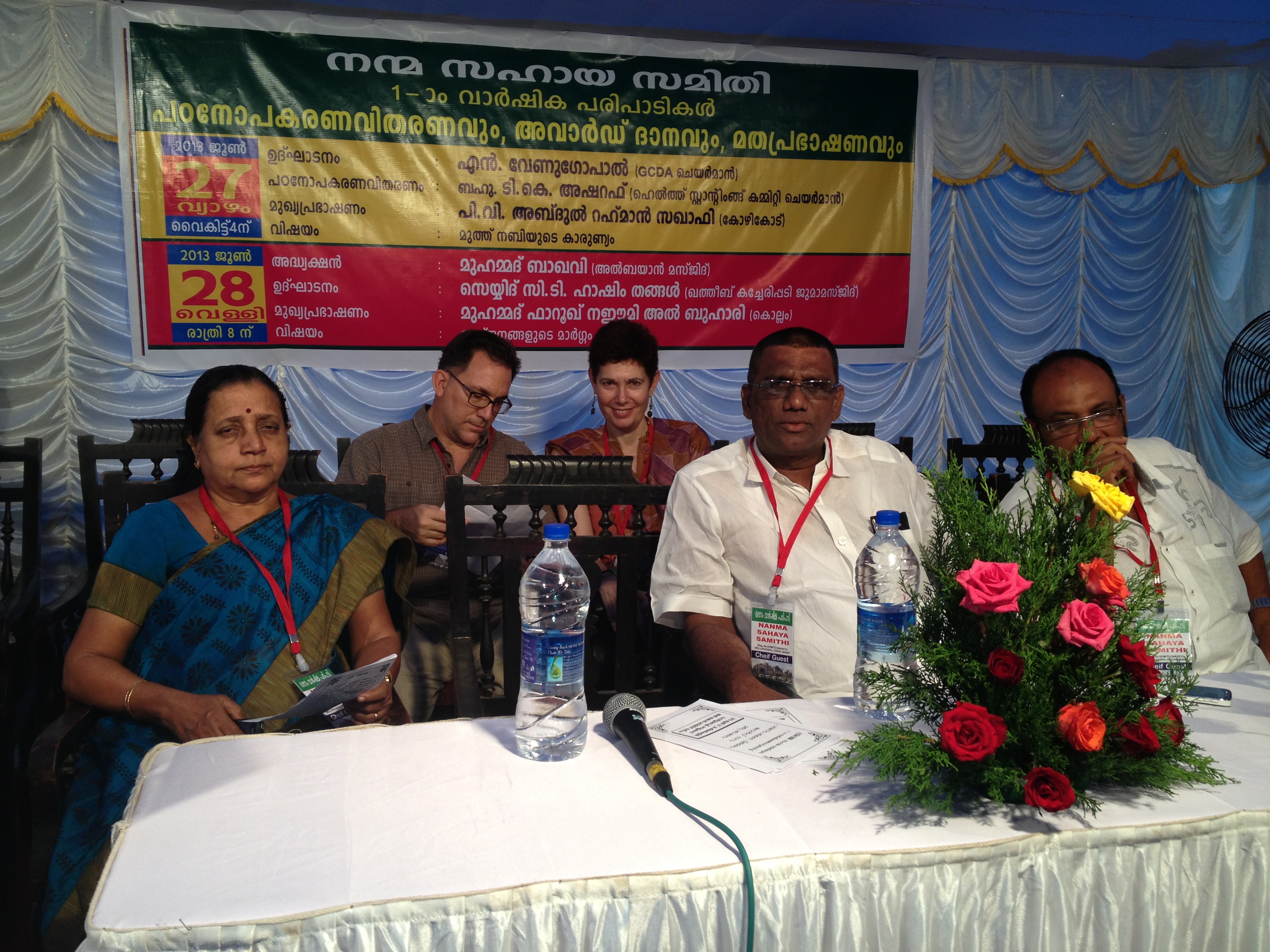
Crist and Amie of Raxa Collective on the panel of Nanma Sahaya Samithi (c) Ea Marzarte

The people of Mattancherry form a tight-knit community and a year ago a group of young enthusiastic locals created a neighborhood association “Nanma Sahaya Samithi”. Nanma Sahaya Samithi focuses on harmonious living and  works on making healthcare and education accessible to everyone in the neighborhood. We were invited to donate notebooks and pens to children and to meet with other actors of the community. Continue reading

Kaiser the Puppy and the Rising Middle Class in India

Three days ago, we pulled up in front of an art deco gate and half-abandoned mansion on the property of a soon-to-be new RAXA Collective resort. By ‘we’ I mean the design team comprising of an architecture student (me, Chi-Chi), a landscape architecture student (Rania), a hotelie-turned-interior architecture student (Jonathon), and an engineering student (Siobhan). We were told to get a feel of the property.
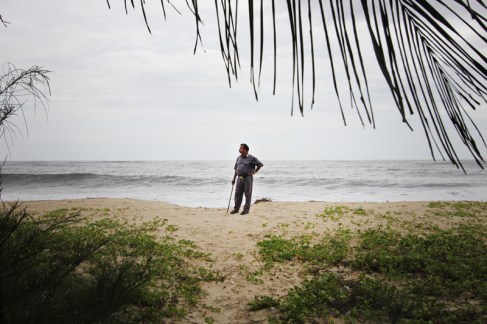
Trusty Guard at Marari Beach

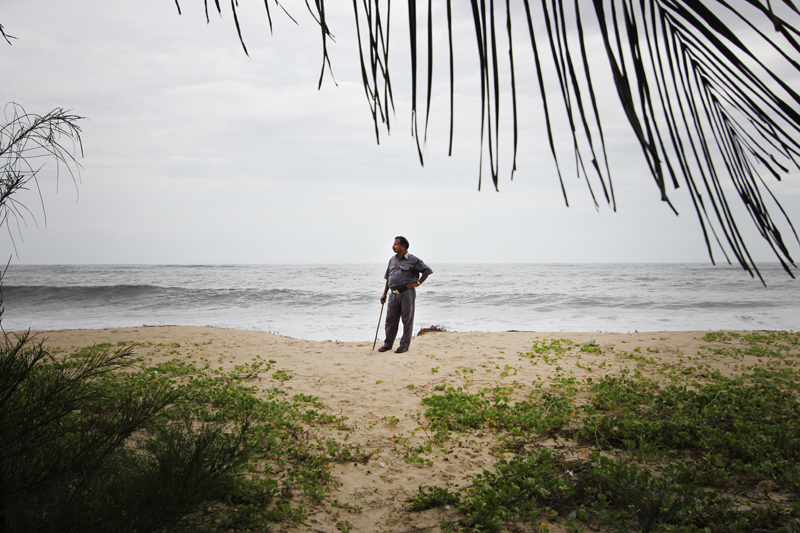
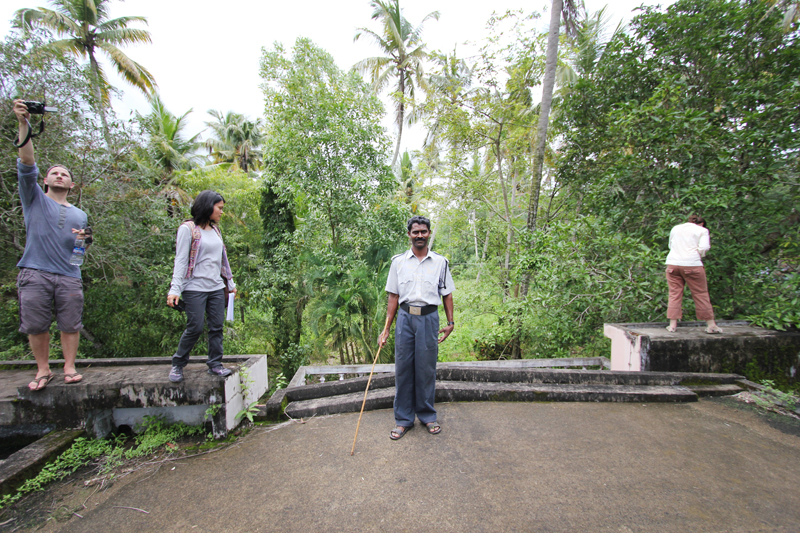
We, the interns, walked around the property with Amie and the trusty guard. The bamboo stick to protect against rumored snakes on the beach.

We found: ‘objects’ (modest fishermen’s homes); an endless, unobstructed beach with marbled sand and black waves; and our new favorite hangout spot, a nearby internet café.
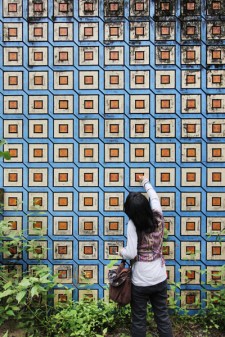
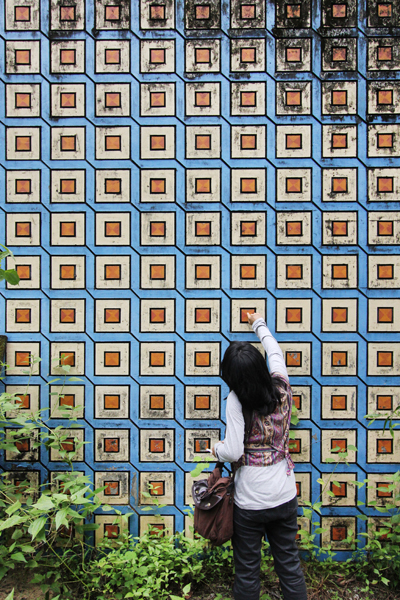
Exploring the ObjectsRania Inspects a Decorative Statement Wall

Guard and us exploring the roofline

Exploring the roofline of an abandoned wealthy fisherman’s house with the guard.

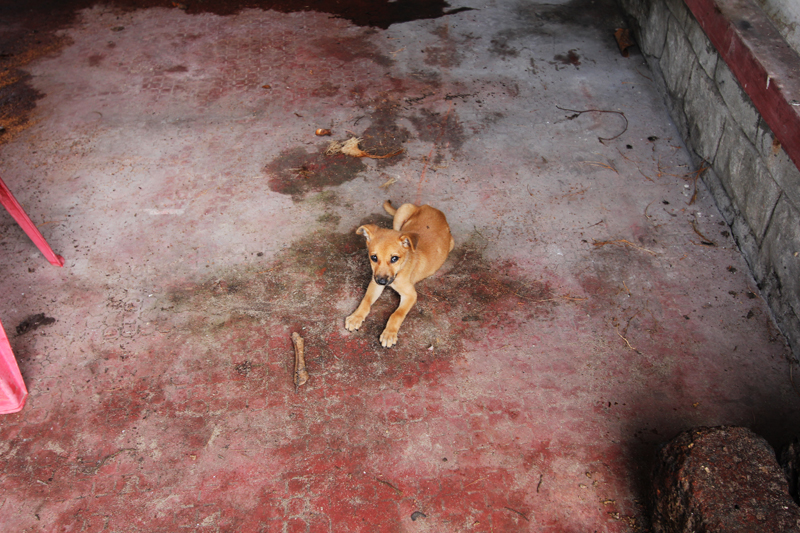
Kaiser found: two Indian security guards; their next-door-neighbor friend; our cook Manu; and us.

Kaiser is a tiny mixed puppy who arrived on site only an hour before we did. As a dog-lover and all-around “everything happens for a reason” believer, I KNEW KAISER WAS A SIGN. A sign for what, I don’t really know, but he was a very cute and very small sign, so I immediately focused all my down-time obsessing and fussing over Kaiser.

Kaiser the Puppy

This is Kaiser.

I think Kaiser gave me more insight to Indian attitudes. It’s very difficult to converse with someone about abstract ideas without a common language, but if you throw a dog in the mix, it becomes a lot easier.

Continue reading