Organic Cotton, India & Veracity

Harvested organic cotton at a bioRe facility in Kasrawad, India. India is the single largest producer of the world’s organic cotton, responsible for half of the supply. Saumya Khandelwal for The New York Times

When I see a headline like That Organic Cotton T-Shirt May Not Be as Organic as You Think my first reaction is a reflexive wince.

I will read the article for sure, as I did in this case, but even before reading it I feel defensive.

I am deeply committed to organic certification and seven years living in India makes this subheading into a red flag in terms of my sharing it with others:

The organic cotton movement in India appears to be booming, but much of this growth is fake, say those who source, process and grow the cotton.

Not because it is hard to believe. Exactly the opposite. I had work experiences that this story echoed in a different context. But when I share articles I value each day, usually on an environmental topic, a large percentage of those who click and read are from India. That is likely because we started this platform 10+ years ago while based in India. I do not enjoy, even if I am confident of its veracity, sharing news that I know will make those visitors, not to mention my many friends in India, uncomfortable.
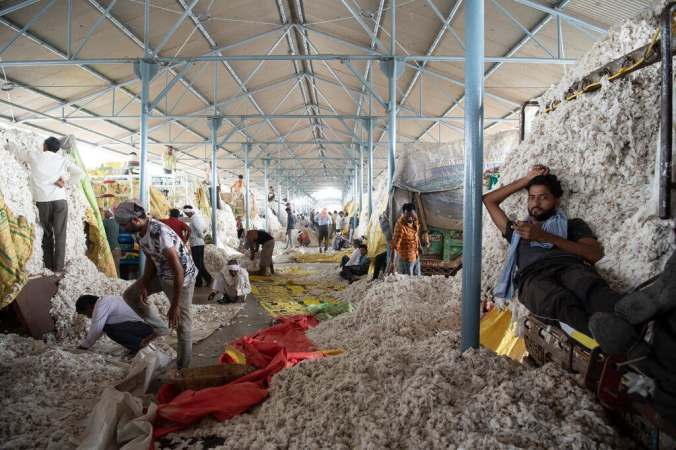
Farmers set up their load of cotton at the Khargone mandi, a large auction market. Saumya Khandelwal for The New York Times

But I got over it. Each of the journalists who authored this story put something on the line to get these important facts about two topics I care about. So, please read on and visit the source so the authors and photographer are properly credited for their excellent work:

Michael Kors retails its organic cotton and recycled polyester women’s zip-up hoodies for $25 more than its conventional cotton hoodies. Urban Outfitters sells organic sweatpants that are priced $46 more than an equivalent pair of conventional cotton sweatpants. And Tommy Hilfiger’s men’s organic cotton slim-fit T-shirt is $3 more than its conventional counterpart. Continue reading
Totes In Perspective

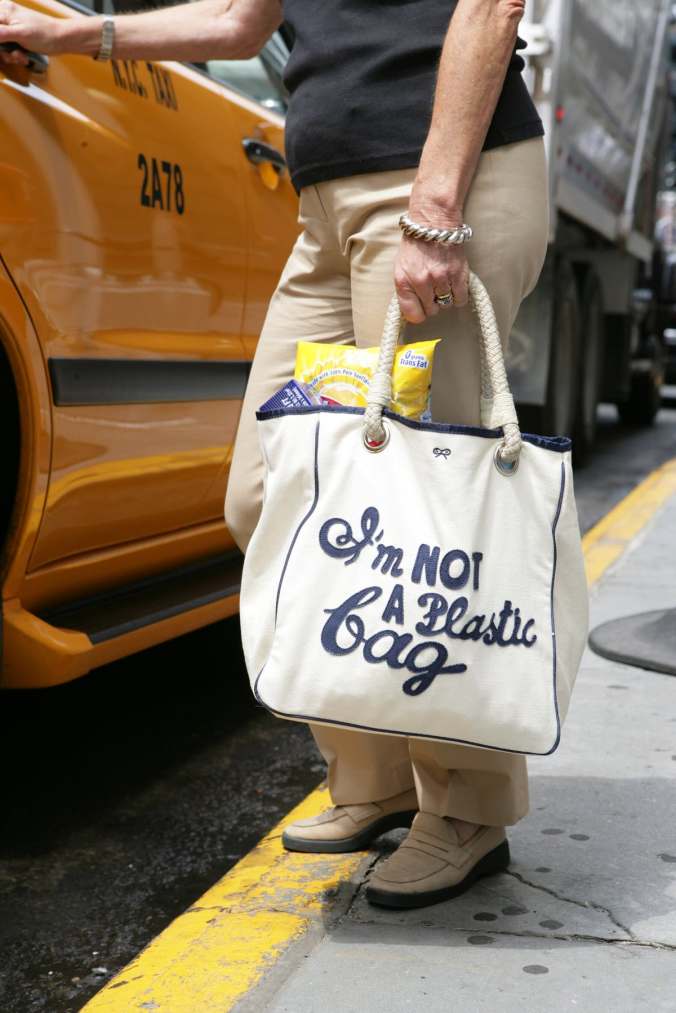
The original Anya Hindmarch tote, sold at Whole Foods for $15 back in 2007, that kick-started the anti-plastic-bag campaign. Lars Klove for The New York Times

It started one way.

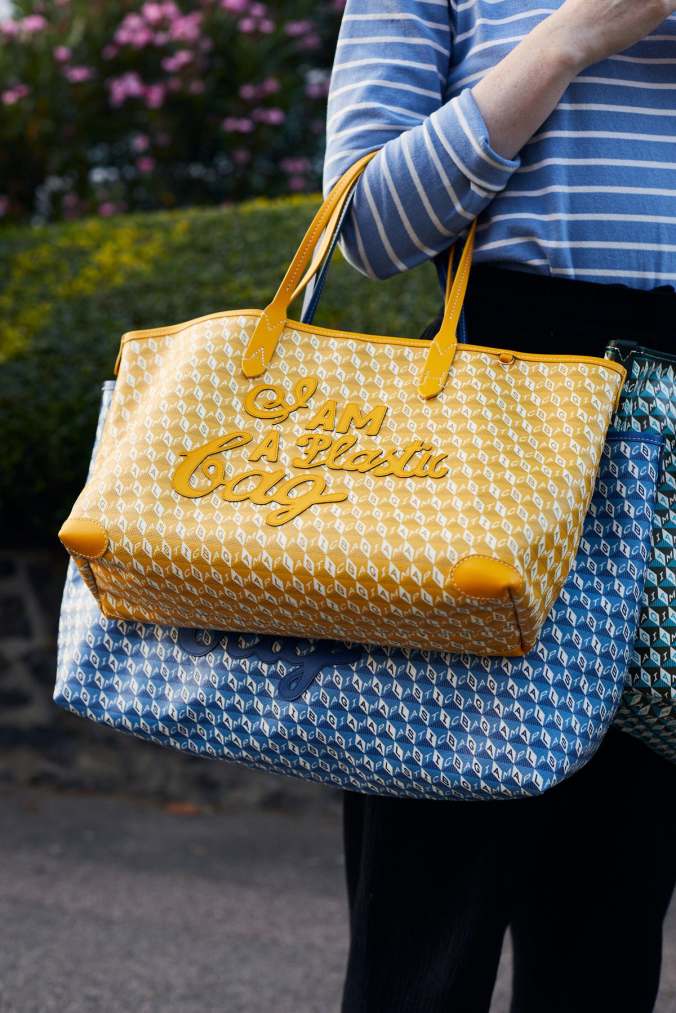
Ms. Hindmarch’s updated version, made from recycled plastic. Suzie Howell for The New York Times

And then it evolved. Now we have to think again about the bags we use to carry things in:

The Cotton Tote Crisis

You can get cotton bags pretty much everywhere. How did an environmental solution become part of the problem?

A laundry line of cotton totes accumulated by a single person since the race to replace plastic began. Suzie Howell for The New York Times

Recently, Venetia Berry, an artist in London, counted up the free cotton tote bags that she had accumulated in her closet. There were at least 25.

There were totes from the eco-fashion brand Reformation and totes from vintage stores, totes from Soho House, boutique countryside hotels and independent art shops. She had two totes from Cubitts, the millennial-friendly opticians, and even one from a garlic farm. “You get them without choosing,” Ms. Berry, 28, said. Continue reading

Cotton Sheets, Caveat Emptor

3000-1

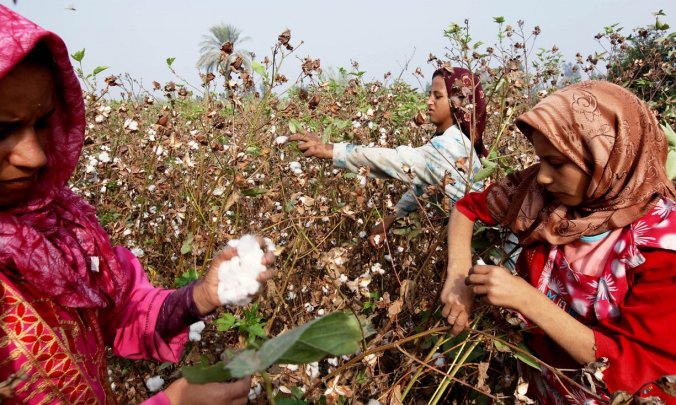
Agricultural employees harvest cotton in a field in Benha, Egypt. Welspun India, a giant home textile manufacturer, is in trouble for falsely advertising bedding products as containing Egyptian cotton. Photograph: Bloomberg/Getty Images

We are in the business of providing comfortable bedding as responsibly as possible, and we are as vigilant on sheets as anything else. So, in the spirit of FYI:

Those luxury Egyptian cotton sheets you own may not be luxurious – or Egyptian

Target and Walmart are pulling bedding off their shelves after a falsely labeled Egyptian cotton products controversy involving manufacturer Welspun India

Alison Moodie

Egyptian cotton, which can be spun into fine, long fiber to make sheets with a high thread count, is synonymous with luxury bedding. But in the last four months, it’s been at the center of a controversy that has caused many Americans to wonder whether the Egyptian cotton sheets they rely on for a good night’s sleep actually contain any cotton from Egypt. Continue reading