
New Zealanders can now run their cars on the same fuel they run themselves on—beer. Brewtroleum is a new biofuel which mixes beer by-products with regular gasoline to power cars. PHOTO: Wikimedia Commons
New Zealanders can now run their cars on the same fuel they run themselves on—beer. Brewtroleum is a new biofuel which mixes beer by-products with regular gasoline to power cars. PHOTO: Wikimedia Commons
 This post continues my discussion of biofuels from Part 1.
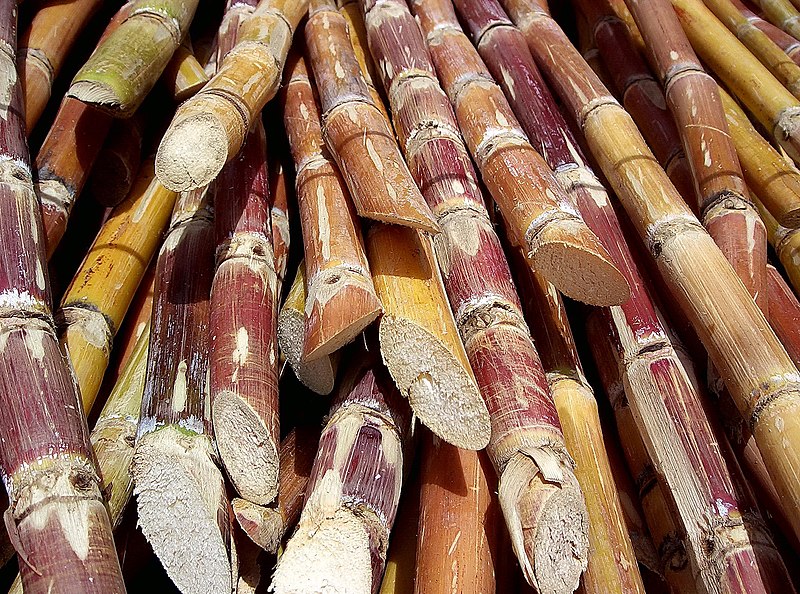
Brazil contains many of the world’s biodiversity hotspots, as well as one of the most important CO2-sinks in the form of rainforests. As the second largest sugarcane grower in the world, Brazil’s biofuel production relies heavily on sugarcane ethanol, which has one of the highest savings in GHG emissions compared to fossil fuels. However, increasing sugarcane production is not sustainable in the long-term if one of Brazil’s goals is to curtail GHG emissions, since growing more sugarcane means cutting down more rainforest. Instead, second- and third-generation (advanced) biofuels should be considered viable options for replacing sugarcane, or at least strongly supplementing it.

Image via Renaissance Ronin
The United States plans to produce 70 billion liters of advanced biofuels by 2020. In 2007, the global production of all biofuels roughly matched this amount, and the US used 24% of its corn to produce its share of the ethanol included in those 70 billion liters. Even given this impressive amount of corn used for ethanol, American corn ethanol only accounted for 1.3% of the US’ national liquid fuel consumption. An increase in either corn harvests or ethanol production efficiency is clearly necessary if the US is to meet the 2020 goal with corn alone. Given the significant drawbacks to producing more corn, and the unlikelihood of efficiency increasing enough to meet requirements, it would be more prudent to invest in second- and third-generation, or advanced, biofuels.
These biofuels, such as ethanol made from cellulose, biogas, or hydrocarbon fuels converted from biomass to liquid (BtL) are made from feedstock rich in cellulose like grass and wood. Advanced biofuels have better environmental profiles than what are referred to as first generation biofuels (e.g. ethanol produced from corn or sugarcane) because they generally require less land and are converted from biomass more efficiently—the processes also use less energy and water than ethanol since they do not involve distillation. A biofuel’s emissions depend largely on land considerations, nativity to the region, and feedstock technology. If land was converted from forest or prairie, the feedstock was not native to the region, and the feedstock required excessive fertilizers to grow, then GHG emissions are higher. Continue reading
 Organikos