Invasive Pythons Are Winning, Get Your Game On

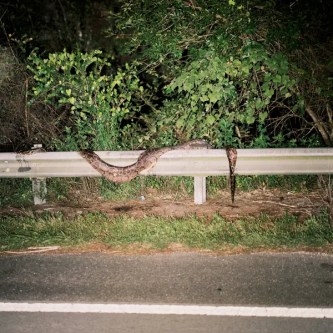
A Burmese python that was hit by a car. Zack Wittman for The New York Times

Nearly 12 years to the day since the first spectacular article we read on invasive species, we still watch for these stories. When it is invasive-hunting season, we take notice when new initiatives are announced:

Her Livelihood? Hunting Pythons in the Dead of Night.

Amy Siewe teaches people how to find and euthanize invasive Burmese pythons, which have been so successful at adapting to Florida that they appear here to stay.

On a clothing rack in Ms. Siewe’s living room are a dozen of skins, dyed deep hues by a tannery that helps her make python-leather products, including Apple Watch bands. Zack Wittman for The New York Times

An unexpected chill can fall over the Florida Everglades late at night. Stars speckle the sky. Frogs croak and croak, their mating calls echoing in the air.

It is all peace and wonder until you remember why you are out at this hour, on the flatbed of a pickup truck outfitted with spotlights, trying to find invasive creatures lurking in the shadows.

A python hunt might evoke images of hunters trudging through swamps and wresting reptiles out of the mud. In reality, it involves cruising the lonely roads that traverse the Everglades in S.U.V.s, hoping for a glimpse of a giant snake. It is strange work, straining on the eyes, brutal on the sleep schedule. Continue reading

Good Journalism, Excellent Environmental Coverage

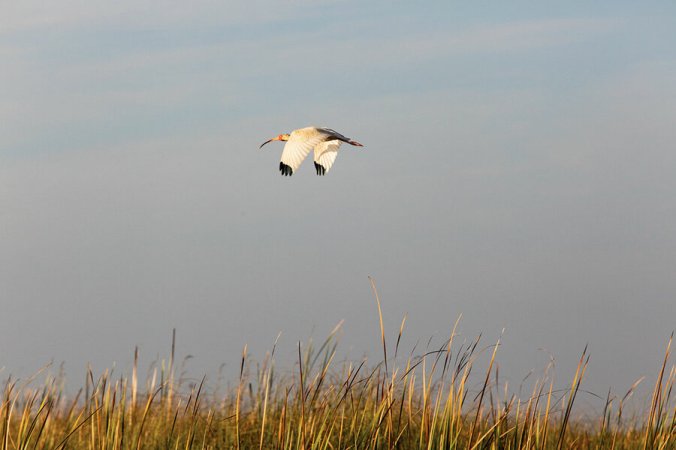
Melanie Stetson Freeman/Staff. A white ibis flies over the Everglades, where many bird species nest each year. Restoration efforts in Florida’s “river of grass” have begun to show signs of progress.

The CS Monitor was the newspaper delivered to our home when I was growing up. Lucky me. These days it still offers good journalism, but is no longer a paper. They made the switch to digital-only in 2008. In earlier years of my monitoring dozens of news sources for this platform it was the source of numerous stories of environmental interest in our pages. But in the last few years, for no particular reason, I failed to monitor their website for stories. And then today, this:

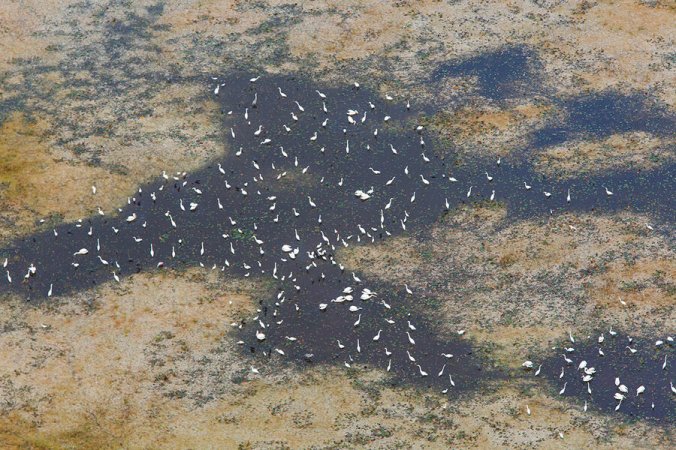
Melanie Stetson Freeman/Staff. Birds look like white flecks from the air.

‘River of Grass’: Inside the quest to restore the Everglades

Richard Mertens Special contributor

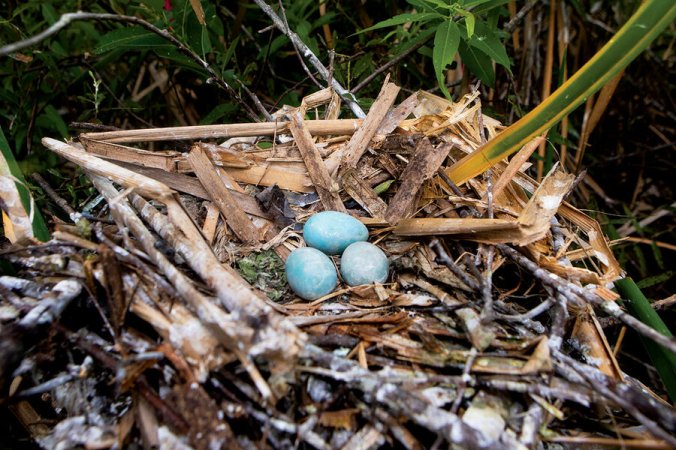
Melanie Stetson Freeman/Staff. Three eggs sit in a nest in the Everglades.

Eight hundred feet up, the helicopter banks hard to the left. The horizon disappears. Mark Cook, an avian biologist, peers out his side window at a small irregular patch of water below. It’s hardly distinguishable from innumerable other patches that lie in every direction, dark and shining amid a ragged expanse of brown marsh grass and green tree islands. Continue reading

Everglades & Birds & Signals

macstone-4579.jpg

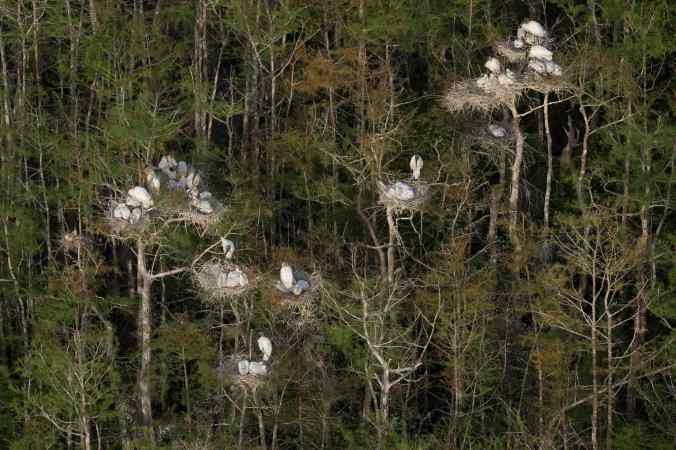
Wood Storks nesting in the Everglades. Photo: Mac Stone

Thanks to By Andy McGlashen, the Associate Editor of Audubon Magazine, for this bright spot on the horizon, a signal that long shot comebacks are possible:

Last Year’s Everglades Breeding Bonanza Was the Biggest in More Than 80 Years

An official report says that South Florida’s wading birds had an even better 2018 than we thought.

macstone-3430.jpg

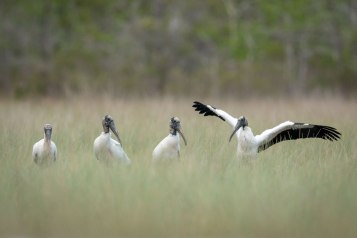
Wood Storks in the Everglades. Photo: Mac Stone

A year ago, Everglades scientists and environmentalists were ecstatic about what looked like a blockbuster breeding season for South Florida’s wading birds. Turns out, it was far better than those early estimates indicated. New data show that the region hosted its biggest colonies of waders in more than 80 years, offering a flashback to the historical Everglades and a glimpse of how the ecosystem again could look once restored.

All told, wading birds built 138,834 nests throughout South Florida, with 122,571 of them in the Everglades, according to an annual report released last week by the South Florida Water Management District. That’s about three and a half times the average for the past 10 years, making it the strongest nesting season since before the region’s hydrology was transformed with engineering projects that made development possible but also contributed to steep declines in wading bird numbers. Continue reading