Indigenous Food Foraging

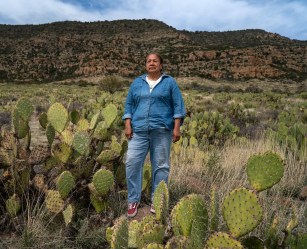
Prickly pear cacti, which produce Twila Cassadore’s favorite fruit. Photograph: Gabriela Campos/The Guardian

Samuel Gilbert was in Bylas, Arizona, on the San Carlos Apache Reservation to report this article, which contains excellent accompanying photographs by Gabriela Campos.

We thank the Guardian for this coverage of indigenous heritage:

‘It healed me’: the Indigenous forager reconnecting Native Americans with their roots

Twila Cassadore hopes teaching Western Apache traditional foodways can aid mental, emotional and spiritual health

Twila Cassadore gathers wild pearl onions on a foraging trip in the San Carlos Apache Reservation in April. Photograph: Gabriela Campos/The Guardian

On a warm day in April, Twila Cassadore piloted her pickup truck toward the mountains on the San Carlos Apache Reservation in Arizona to scout for wild edible plants. A wet winter and spring rains had transformed the desert into a sea of color: green creosote bushes topped with small yellow flowers, white mariposa lilies, purple lupines and poppies in full bloom.

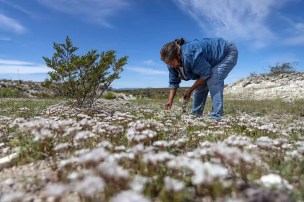
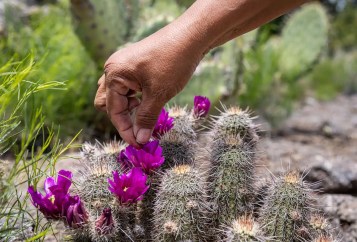
Cassadore picks the petals off a flowering cactus during a foraging trip. She uses the petals in salads. Photograph: Gabriela Campos/The Guardian

Cassadore and I drove up a rough dirt road that used to be an old cattle trail, passing through various ecosystems, moving from Sonoran desert to grasslands and piñon-juniper woodlands. In each area, Cassadore would stop to gather desert chia seeds, cacti flowers and thistles.

Cassadore stopped her truck beside a three-leafed sumac bush brimming with fruit. Continue reading
Singing the Praises of Wild Foods

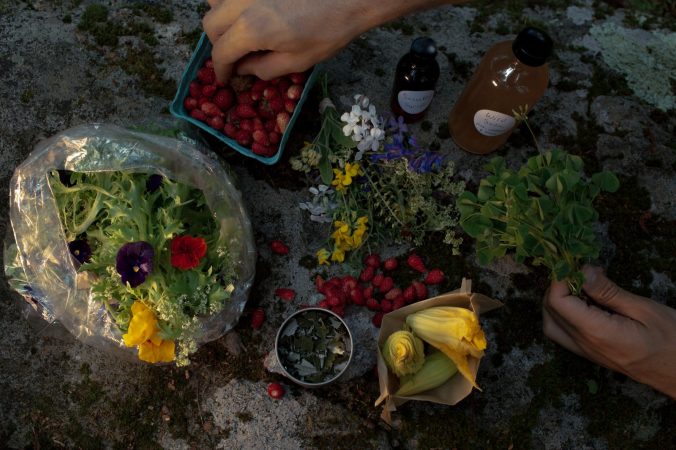
A Wild Box from Allora, available for delivery in Manhattan, Brooklyn, Queens, and the Bronx, might include, clockwise from top: squash blossoms grown on the farm; a bouquet of common vetch (also known as wild peas), linden flowers, dame’s rocket, and bedstraw; a hunk of a chicken-of-the-woods mushroom.Photograph by Courtney Sofiah Yates for The New Yorker

We’ve long been fans of foraged foods on this site, whether that be the seasonal delights of wild mushrooms, or the community gleaning of urban trees and gardens. These Wild Boxes are definitely an inspiration to get outside with an expert, and find a meal.

Foraged Foods Shorten the Supply Chain

Chicken-of-the-woods mushrooms that fry up like their namesake, snappy sea beans that need no extra salt, sassafras syrup, and other edible offerings from the wilds outside the city limits.

“Alot of the talk about quarantine cooking, in the beginning, was, like, ‘Here’s twenty ways to use a can of tuna,’ ” James O’Donnell recounted the other day. “It was very much survivalist.” O’Donnell and his partner, Amanda Kingsley, own Allora Farm & Flowers, in Pine Plains, New York, where they grow what they need for their floral-design studio, plus vegetables. It struck him that “a lot of people at home could probably use feeling connected to the natural world right now, a little bit of excitement and wonder.” Before the pandemic, a substantial part of O’Donnell and Kingsley’s business was supplying restaurants with ingredients that they foraged sustainably from the acres that they lease, as well as from friends’ properties and from public lands in the Hudson Valley and on Long Island. With the restaurant market shrinking, they decided to experiment with a direct-to-consumer weekly-ish Wild Box, available for delivery in the Bronx, Manhattan, Brooklyn, and Queens.

To forage safely requires a good amount of training. Perfectly edible plants can look nearly identical to perfectly poisonous ones. In some cases, a berry that grows on a tree may be as palatable as its flower is lethal. Still, eating my way through a Wild Box gave me hope for my chances of surviving should even the canned tuna run out. Learn the rules—many inherited from indigenous peoples—and unlock access to treasures hiding in plain sight in thickets, on riverbanks, and by the shore. A hefty wedge of chicken-of-the-woods mushroom pried from a tree trunk performed exactly as its name would suggest, its edges pan-frying to a crisp golden brown that rivalled a buttermilk crust, its creamy interior shredding almost like meat.

A vial of sassafras syrup, made by steeping bark and small roots removed responsibly from a sassafras tree, was transformed into an aromatically fizzy glass of root beer when mixed with soda water. The detailed ingredient key that came in the box suggested treating tender, sweet, snappy sea beans—a succulent, also known as samphire, that grows on beaches and in coastal marshes—like salad greens, but to leave the salt out of your vinaigrette until you had tasted the dressed beans. Sure enough, they were so infused with a natural brine that they didn’t need a single grain. Continue reading

Foraging Forays

Taking a break from packing for my upcoming return to Belize, I joined a group of old friends from the Georgia Mushroom Club in a foray near the Georgia/South Carolina border. Fresh air, a walk in the woods, good company, and foraging for mushrooms – what better way to spend a morning?

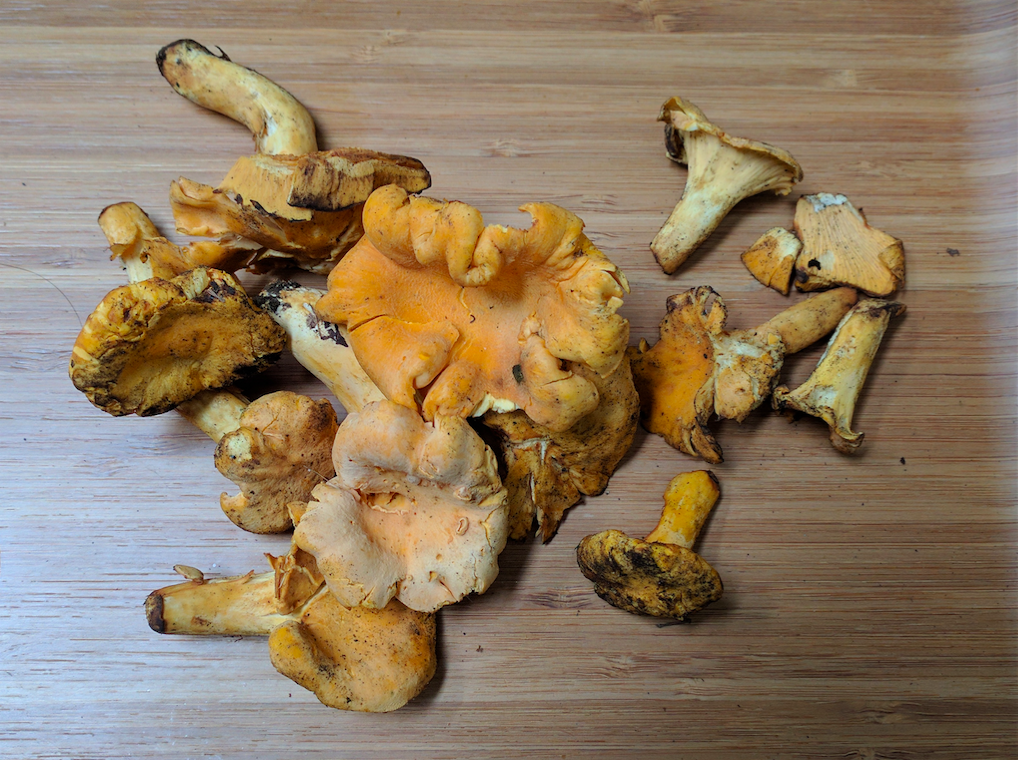
The weather has been warm and wet, great conditions for mushrooms and we were happy to find patches of chanterelles. As we searched we talked about Chan Chich Lodge and Belize, and that we’re in the midst of brainstorming collaborations with the staff and local community who carry the ancestral knowledge of the old Mayan and Belizean foodways, and chefs who focus on foraging in the creation of their menus. We’ve recently discovered a variety of foods that are plentifully available from the Chan Chich forests, and are excited to incorporate them into our culinary story.  Continue reading