Growing Number of Trees on Farmland

tree-on-farm

Source: Conservation Magazine

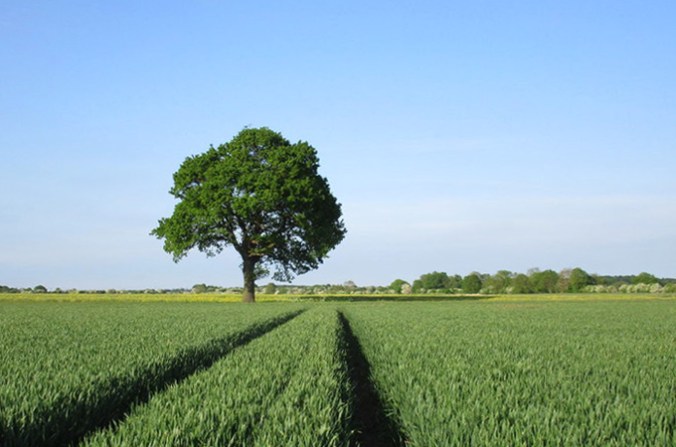
The number of tree coverage on farms is on the rise, and a recent study published in the journal Scientific Reports has added this hidden cache of carbon storage to the global carbon count. Researchers found out that farms sequester four times as much carbon as current estimates indicate, using remote sensing and a land cover database.

Researchers found that 43 percent of farmland across the globe had at least ten percent tree cover in 2010. Including the carbon sequestering capacity of this tree cover increased storage capacity estimates for farmland from 11.1 gigatonnes of carbon to 45.3 GtC. At least 34 GtCs of this storage capacity is from trees. They also found that between 2000 and 2010, tree cover on farms increased by two percent. This resulted in a 2GtC, or 4.6 percent, increase in biomass carbon.

Continue reading

The Whole Picture

Did you take these for just some stunning water colors? Well, these are hard data on climate change. An artistic expression of an ugly, oft overlooked truth. Jill Pelto, the artist, who graduated in December from the University of Maine with a degree in earth science and studio art, created these paintings based on graphs of data on the environmental effects of climate change.

Continue reading

Israel to India, To Build Forests

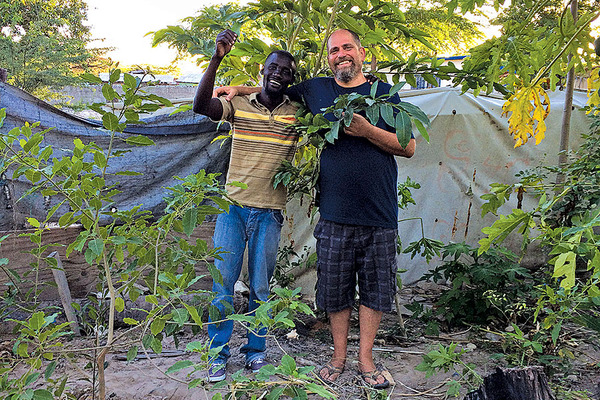
Sadhana Forest shows local people in India, Haiti, and Kenya how to plant trees in dry regions – and improve their lives. PHOTO: Sadhana

Sadhana Forest shows local people in India, Haiti, and Kenya how to plant trees in dry regions – and improve their lives. PHOTO: Sadhana

Do you believe in a literary cosmos? I do. In the seemingly innocuous collision of two pieces of writing SO removed from each other that they are all that similar. Two articles – one found last evening for work, one chanced upon during the routine Instagram surf on the way to work. One standing out in the mayhem of a news feed; the incredible story of an Israeli man and his wife moving to India in 2003 and buying 70 acres of barren land. To build, sustain a forest. Reafforestation, to be clear. The other titled The Builder’s High. Yes, I’m ‘building’ this up.

Continue reading

Be for Boreal Forests

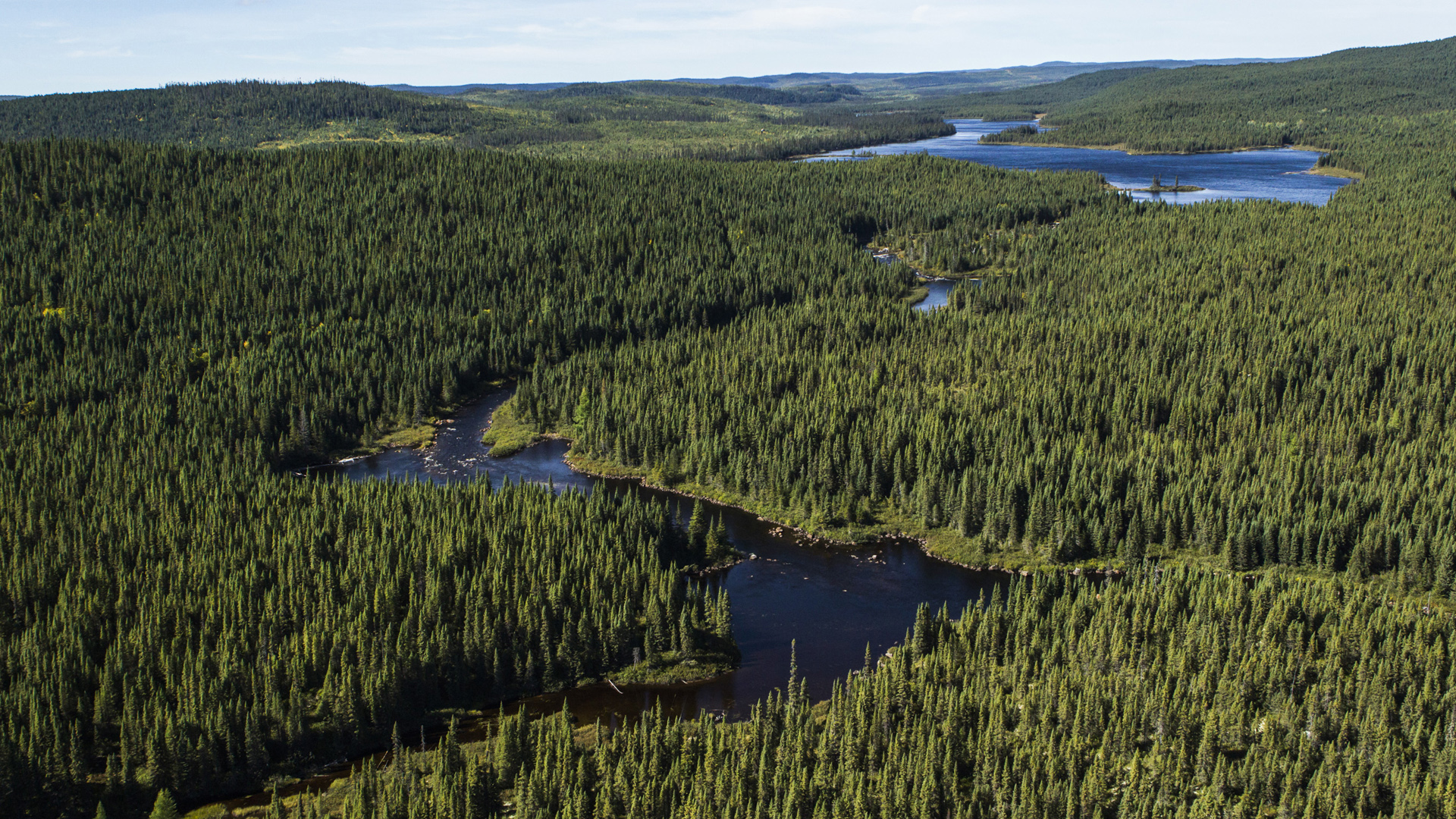
Canada’s boreal region covers almost 60 percent of the country’s land area, essentially spanning from the Atlantic to the Pacific. It is one of the largest and most complex ecosystems on the planet. PHOTO: borealfacts.com

Canada’s boreal region covers almost 60 percent of the country’s land area, essentially spanning from the Atlantic to the Pacific. It is one of the largest ecosystems on the planet. PHOTO: borealfacts.com

Question time. What is the largest intact forest on the planet? If you guessed Amazon, firstly you aren’t the only one; more importantly, you’ll have to know the answer is the Canadian boreal forests. Here are some facts: It covers a staggering 1.5 billion acres, between 1-3 billion birds flock nest and breed here each year, it alone stores 208 billion tonnes of carbon i.e 20 years worth of the world’s emissions from burning fossil fuels, and contains 200 million acres of surface fresh water alone. Yes, that’s a lot of numbers; but they are only some of the reasons for making sure these forests stay intact.

So, whether you enjoy a morning chasing warblers in Central Park’s Ramble, listening to ovenbirds sing in Rock Creek Park in Washington, D.C., scanning the Chicago waterfront for ducks or strolling the shaded paths of Mount Auburn Cemetery near Boston while vireos and tanagers flash through the old trees, you are drawing delight directly from that immense swath of unsullied northern forest.

Continue reading

How Smart Can Wood Be?

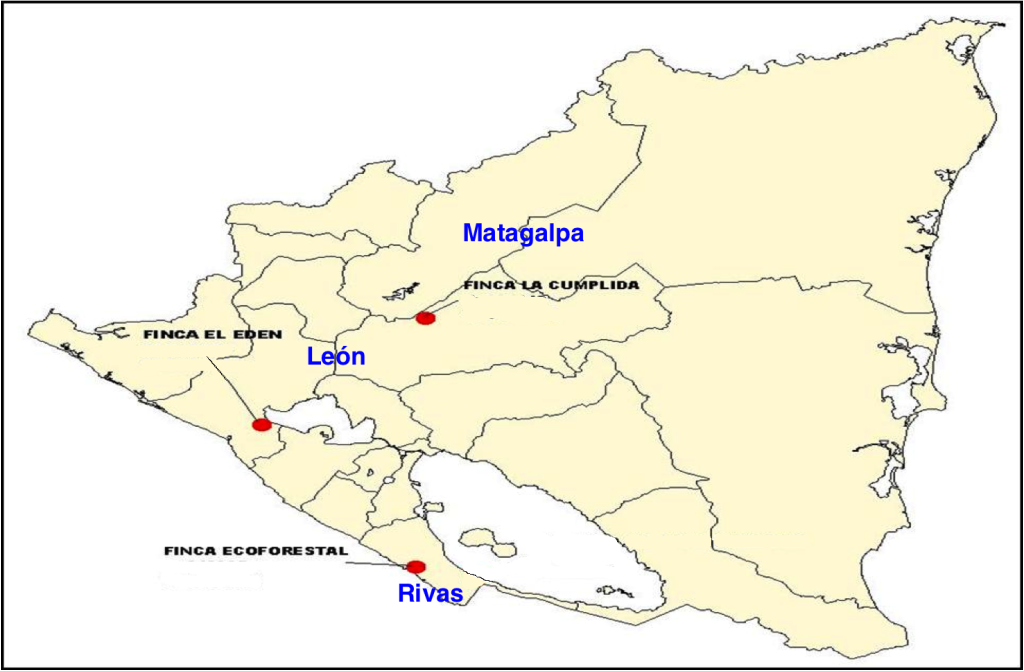
Yesterday I met with Javier López, the forestry engineer for Agroforestal, S.A. This company covers the tree plantations at La Cumplida, Ecoforestal/El Aguacate (Morgan’s Rock’s finca), and El Eden; it is not to be confused with Cafetalera Nicafrancia, which manages the coffee (and the planted trees growing in the coffee fields) at La Cumplida, or MAPIINIC S.A., which administers the forests felled by Hurricane Felix in 2007 at a finca called Rosita.

Javier, often known simply as “Prófe,” [PRO-feh] which translates as “Prof” (a nickname for Professor), has worked to get certification from Rainforest Alliance’s forestry auditor SmartWood (and by association the FSC and RA itself)

In 2009 Agroforestal became certified for forest management. To do so the company had to go through the same continuous improvement process that I described a bit in my post about coffee certification. An initial evaluation is made, and subsequent audits over the next 5 years that the certification is valid provide the certifier with evidence of progress and room for improvement. From what I saw of a couple examples, SmartWood seems to emphasize explicit documentation, which makes sense given the nature of the forestry industry: extractive at its most basic, but also focusing on replanting trees as long-term investments.

Some of SmartWood’s requirements are as simple as Continue reading