The History of Organic Design

organic design

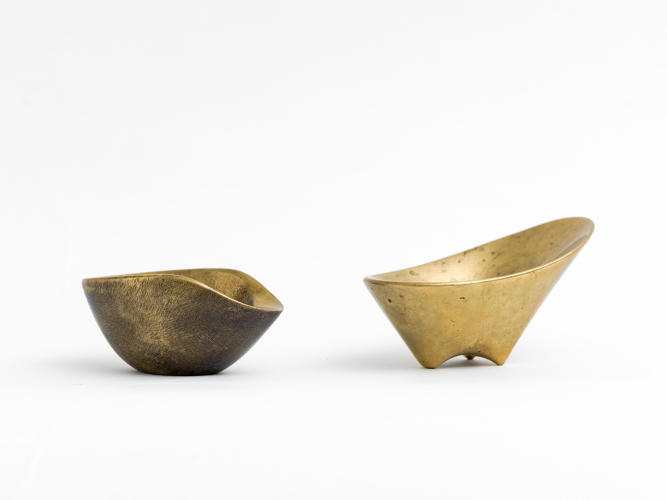
Carl Aubock II [Austrian, 1900-1957] Ashtray, Model No. 3597, 1948. Ashtray Model No. 4736, 1947. PHOTO: CoExist 

What about the world of design is organic? Literally, yes it involves environmental concerns, also the premise of using Nature as the basis for design. Design that grows – inside out – as the elements of Nature. CoExist delves into the history of organic design:

In the 1930s, the central belief of the organic movement was that furniture and architecture should reflect a harmony between people and nature. In furniture design, this meant natural materials like wood, and smooth, rounded forms. The bent plywood furniture of legendary French designer Jean Prouve came out of this period, as did Marcel Breuer and his laminated birch plywood armchair with a calfskin cushion. These designers prided themselves on being dedicated to their craft, and their pieces were painstakingly made and not easily reproduced. “They saw it as a unique work that refers to nature,” says Olshin. “These pieces tend to be unique one-of-a-kind studio work that’s not easily produced in mass quantities.”
Continue reading

This Furniture Can Grow You Dinner

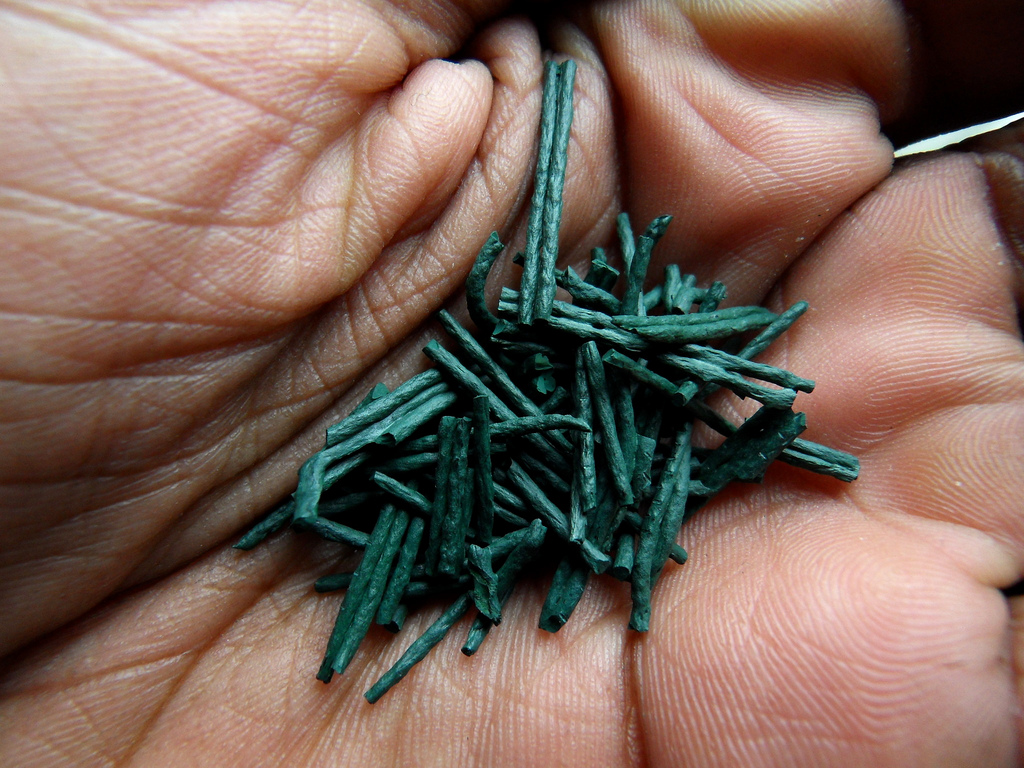
Spirulina is said to be the richest food in iron, 20 times higher than common iron-rich foods; and its iron is twice as effective than iron found in most vegetables and meats. COURTESY: Esse Spirulina

Spirulina is said to be the richest food in iron, 20 times higher than common iron-rich foods; and its iron is twice as effective than iron found in most vegetables and meats. COURTESY: Esse Spirulina

In the living room of the not-so-distant-future, you might have a glowing green blob of microorganisms next to your sofa instead of a lamp. A new line of photosynthetic furniture is filled with spirulina—a tiny, edible bacteria—that the designers imagine could help feed us without the incredible environmental footprint of conventional agriculture.

A new line of photosynthetic furniture is filled with spirulina… The custom glass bioreactors use waste heat, light, and carbon dioxide from a home to feed the spirulina inside. Periodically, someone can turn a tap, empty out the green sludge, and eat it.

Continue reading

Where They Simply Sell Wood

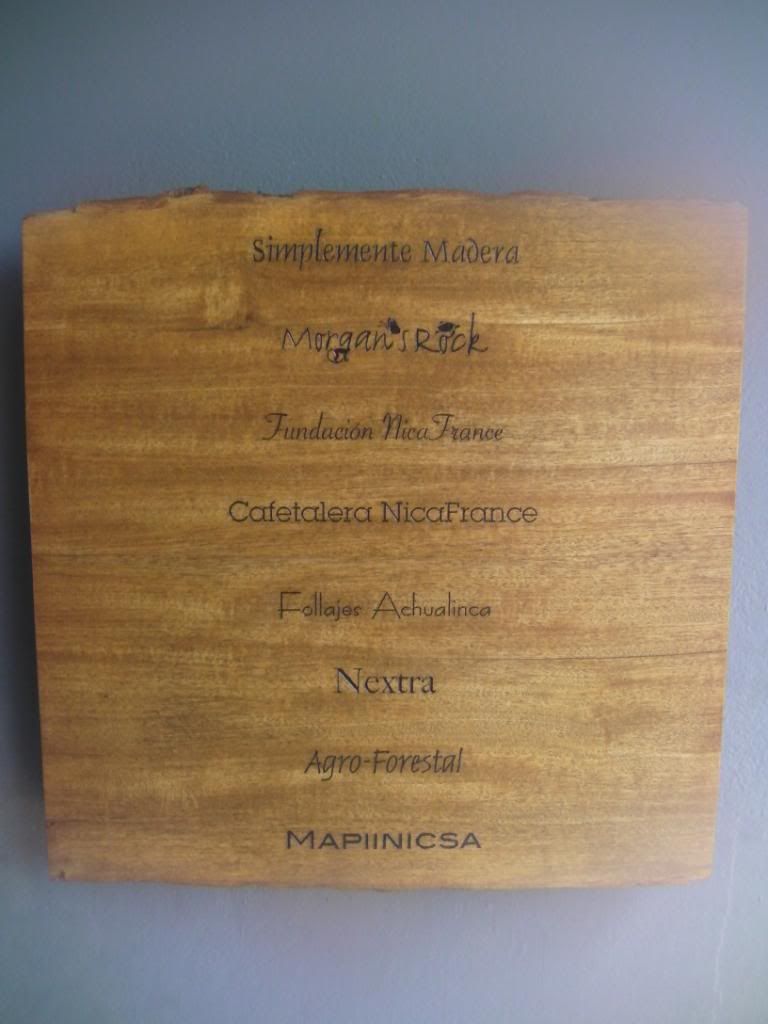
The Simplemente Madera store is full of furniture and wooden objects that are rarely purchased directly from the Managua venue, but more often selected as part of a furnishing package for a whole home. These furnishing contracts, which sometimes include interior design, are mostly for Nicaraguan houses and hotels, but also many projects in the US and Costa Rica, and normally last from one to six months, depending on the scale. Unless the project can fill one of their shipping containers, which are 20 ft2, Simplemente Madera doesn’t send furniture to the US. One of these containers can fit enough material to furnish a three-bedroom house, so the company is mostly concerned with high price-tag clients.

Simplemente Madera Group

What a US homeowner will normally do is send SM a blueprint of their house and select from a line of products in the SM catalogue (Mombacho is currently the most popular, with natural deformations in the wood). Then the designers at SM will fit the furniture to the house and the style and send the homeowner some sketches. Some people want a more hands-on approach and pay to bring a designer to their house in the US. Simplemente Madera designers also often make custom designs for clients according to their requests.

Simplemente Madera’s Workshop

Here is the second installment of the Simplemente Madera factory tour. Below is a video of the production line in the workshop–watch for the Ocean Green surfboard at the end!


Up next is a written and photographic swing by the Simplemente Madera store in Managua.