Lost & Found, Organized

LostFound1

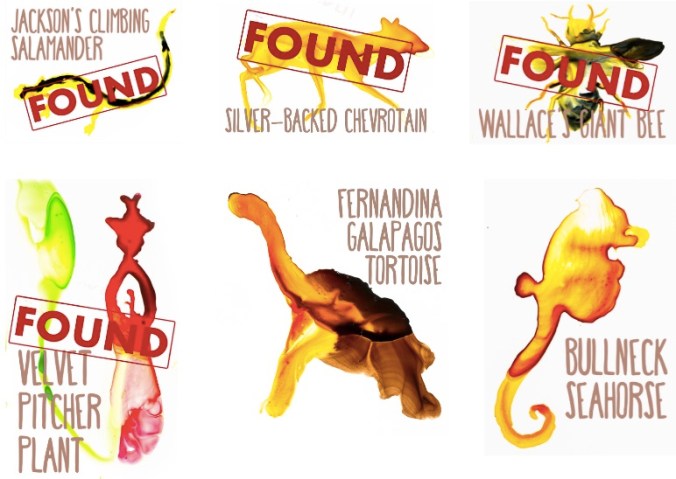
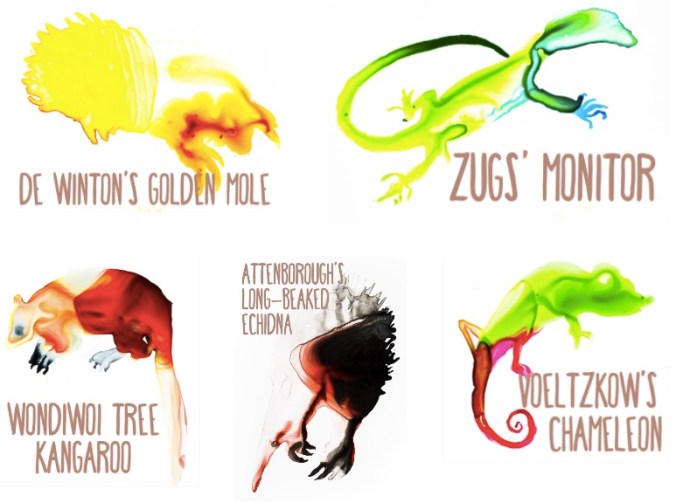
Yesterday’s happy surprise is the reason for today’s look at one organization’s work to support finding lost species. If you look at the image below you will see in the upper right quadrant the species mentioned yesterday, and that find is so fresh they still have not stamped FOUND on it.

LostFound2

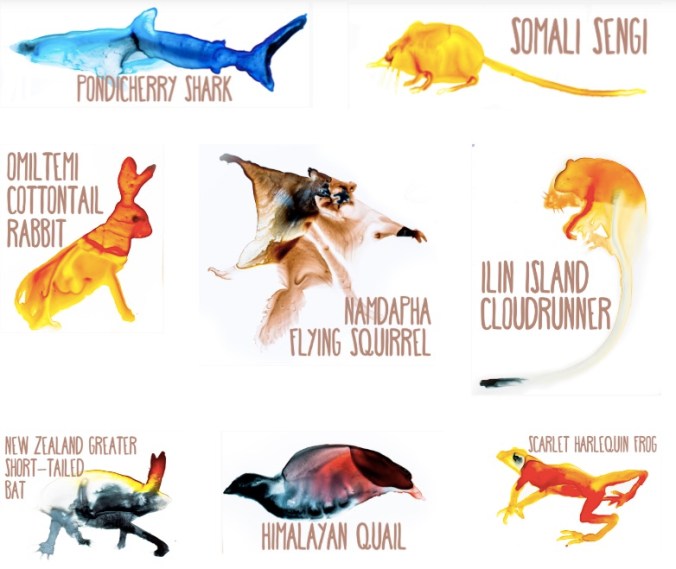
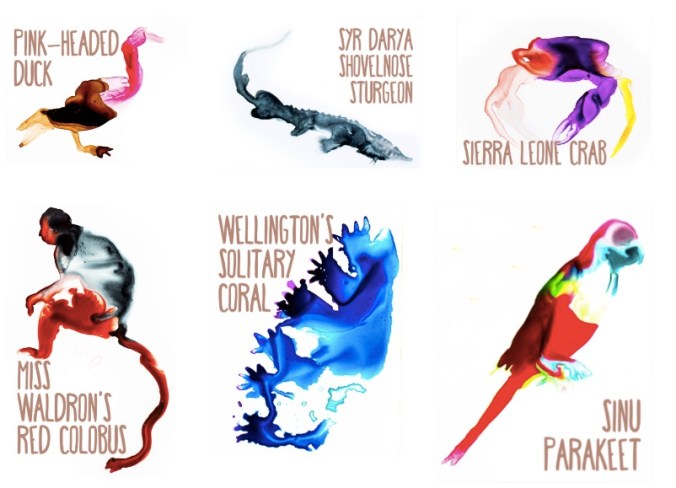
LostFound3Global Wildlife Conservation has created a graphic for what they consider the 25 Most Wanted species, and this colorful display is the trigger to get you hooked on helping:

In collaboration with more than 100 scientists, Global Wildlife Conservation has compiled a list of 1,200 species of animals and plants that are missing to science. GWC and our partners search some of the planet’s forgotten places and then work to protect species once found.
LostFound4

But this is about much more than the expeditions GWC is directly involved in. We’re calling on others to join the search and conduct their own expeditions for the lost species that have captured their hearts. GWC is working with teams and individuals the world over to publicize their stories of rediscovery and adventure as part of this shared campaign of hope and celebration. Read more in our FAQ and explore the partners behind the search.
LostFound5

For those of you not triggered by this display, there is also a photo of Daniel Craig holding a lost & found tortoise. He is looking you in the eye, asking you to donate. Resistance is futile.
Lost & Found, Somali Sengi

1_somali.sengi.at.assamo.djibouti_300dpi_wide-697a8ec352929562a9054b0f6945bce92e66bdbf-s1400-c85

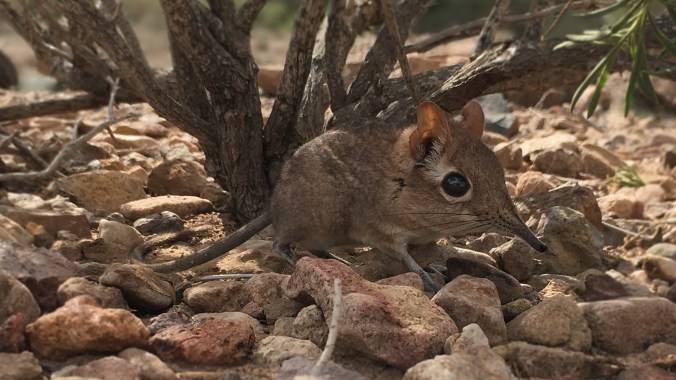
Researchers have spotted the Somali sengi, a relative of aardvarks and elephants, in Djibouti.
Steven Heritage/Duke University Lemur Center

We have used lost & found within post titles enough times since we started that maybe it should be a category. They are mostly happy surprise stories. More complicated than cute kitten videos, but worth the read. For now, our congratulations to the scientists who made the discovery and our thanks to National Public Radio (USA) for reporting this:

Tiny Elephant Shrew Resurfaces After More Than 50 Years On Lost Species List

For more than 50 years, the mouse-size Somali sengi was thought to be a lost species.

Turns out, it wasn’t. Continue reading

Too Many Romeos

When I last posted about an animal with a name like this the ending was sad. As it usually will be, given the state of things. There are not enough Juliets, but that should not keep scientists from trying to make matches. As reported by the great science writer JoAnna Klein, who has written about some of nature’s great comeback stories and its unexpected cases of animals expressing affection, she had me at the headline:

merlin_149345388_f756ad7f-59f4-45c2-b0be-5fd879353ba2-jumbo.jpg

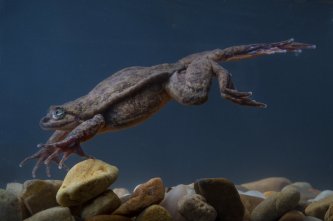
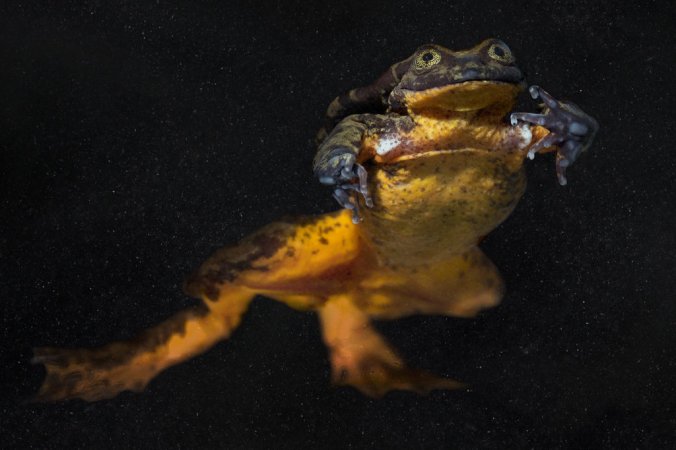
Romeo, who was thought to be the last Sehuencas water frog: “Did my heart love till now? forswear it, sight! For I ne’er saw true beauty till this night.” D. Alarcol and D. Grunbaum/Global Wildlife Conservation

Romeo the Frog Finds His Juliet. Their Courtship May Save a Species.

The lonely male in a Bolivian museum was thought to be the last Sehuencas water frog, but an expedition has found him a potential mate.

Romeo was made for love, as all animals are. But for years he couldn’t find it. It’s not like there was anything wrong with Romeo. Sure he’s shy, eats worms, lacks eyelashes and is 10 years old, at least. But he’s aged well, and he’s kind of a special guy.

Romeo is a Sehuencas water frog, once thought to be the last one on the planet. He lives alone in a tank at the Museo de Historia Natural Alcide d’Orbigny in Bolivia.

And there is more. In this same story as reported by National Public Radio (USA), I cannot be happy about the long-term macro situation, but the shorter-term micro situation for this Romeo looks like it may have a happy ending:

FrogLove.jpg

While Shakespeare’s Romeo spent only about two days banished in Mantua, away from his beloved Juliet, Romeo the frog has remained in complete isolation — sans love interest, cousins, friars or friends — living in a laboratory for the last 10 years. But that’s all about to change.

2.-juliet_photo-by-robin-moore-global-wildlife-conservation-2-_custom-a5b14d91d352034fca84afcc3c9144bd8c354edf-s1200-c85

Juliet appears to be a perfect match for Romeo — she’s a Sehuencas water frog and of reproductive age. Robin Moore/Global Wildlife Conservation

The world-famous amphibian was believed to have been the last of his kind – a Bolivian Sehuencas water frog (Telmatobius yuracare) – and lived under the protection of researchers at the Museo de Historia Natural Alcide d’Orbigny in Cochabamba City. They have made it their mission to find Romeo a special lady friend who might respond positively to his plaintive mating calls and help save the species from becoming extinct.

Year after year, scientist scoured Bolivia’s cloud forests for signs of other googly-eyed, orange-bellied Sehuencas, but they’ve always come up empty, until recently. Continue reading

The Mysterious Saola

28560535993_0fd7776ce4_o-1260x708

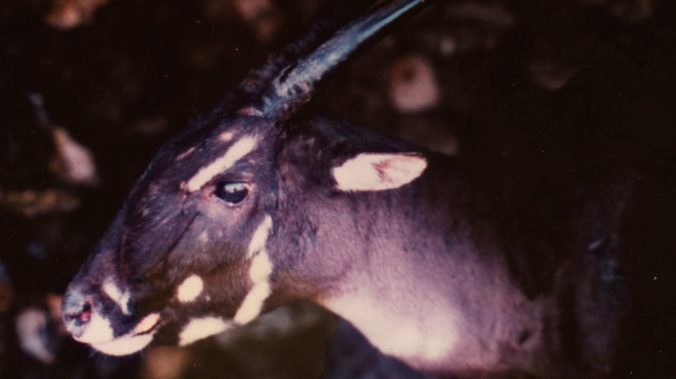
Saola. Photo © Bill Robichaud

Still so much to learn, and sometimes it seems like there is so little time to do so:

The Largest Mammal That No Scientist Has Ever Seen in the Wild

BY

The saola is the largest terrestrial mammal never seen alive in the wild by a biologist. This is not a Bigfoot story. The saola undeniably exists. It roams only in the Annamite Mountains of Laos and Vietnam. Continue reading