In the Foothills of Ethical Fashion

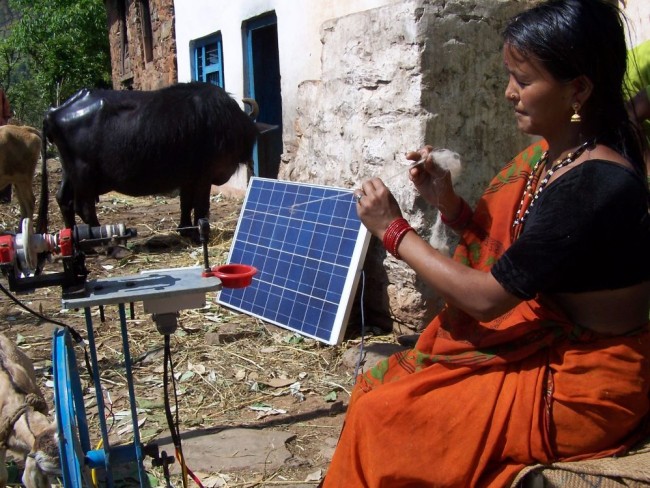
Avani uses green energy for all their production processes. Solar energy is used in the form of solar powered spinning wheels and calendering machines for all textile production. PHOTO: Avani

Avani uses green energy for all their production processes. Solar energy is used in the form of solar powered spinning wheels and calendering machines for all textile production. PHOTO: Avani

AVANI is a voluntary organization working in the Kumaon region of Uttarakhand, located in the middle ranges of the Central Himalayan region of India. The genesis of AVANI came about in the context of the isolation and consequent problems of the far-flung villages situated in one of the highest mountain ranges of the world. Its work focuses on developing and disseminating appropriate technologies for meeting the energy and water requirements of the local villages, promoting craft-based (development of handmade naturally dyed textiles) and farm-based livelihood opportunities. To date, AVANI projects include the dissemination of solar technology, water resource management, natural textiles and paints, and the social and economic development of rural communities with projects such as healthcare and micro-finance.
Continue reading

Six Yards of Handwoven History

An understated tourist destination, Chanderi and its looms are often missed on the route to nearby Orchha and Khajuraho. PHOTO: Gaatha

An understated tourist destination, Chanderi and its looms are often missed on the route to nearby Orchha and Khajuraho. PHOTO: Gaatha

You must have heard of India’s ubiquitous piece of clothing that is the sari. Graceful, flattering, stately – several are the adjectives used to describe this six yards of fabric. But have you heard its story? From the threads and to the loom, to the people striving to uphold the dignity of working by hand and keeping the powerloom lobbies at bay? Then, the story of the Chanderi sari is for you to read, courtesy the Outlook:

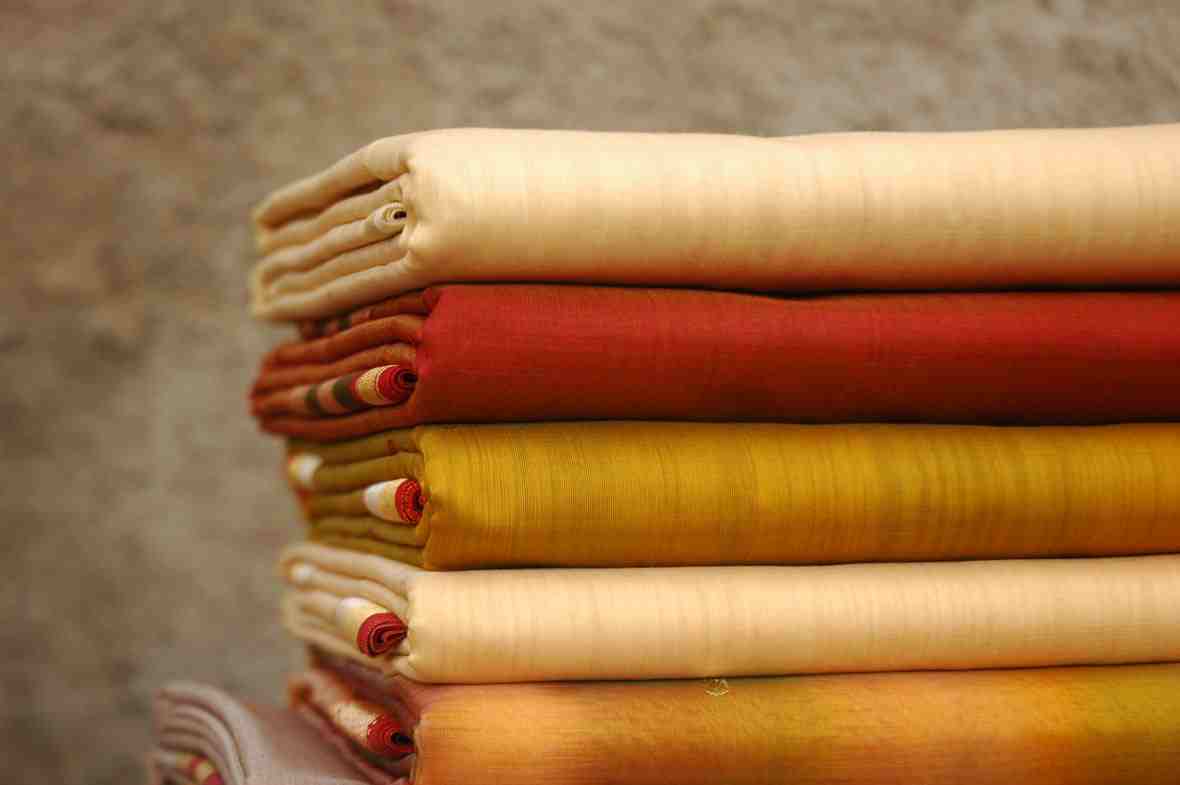
The softly shimmering legacy of many hands lingers in its weave, the gorgeous rustle of cotton and silk hails its arrival: the handloom sari, timeless showcase of India’s heritage textile, gathered from all over the country to drape the Indian woman. From Delhi living room conversation piece to subtle South Indian wedding showstopper, the handloom sari has always kept standards high. Parrot green, frighteningly pink, marvellously magenta, from Kancheepuram in Tamil Nadu to Sambalpuri in Orissa, it wends its way into trousseaus, staple sari collections and 100 Sari Pacts (the most recent trend in sari preservation has women vowing to wear a hundred saris and commemorate the traditional garment). Its weavers are craftsmen, their outlines blurred by the sheer number of people involved in the creation of one long, winding stretch of cloth.

Continue reading