Dad, I Dirtied the Nest!

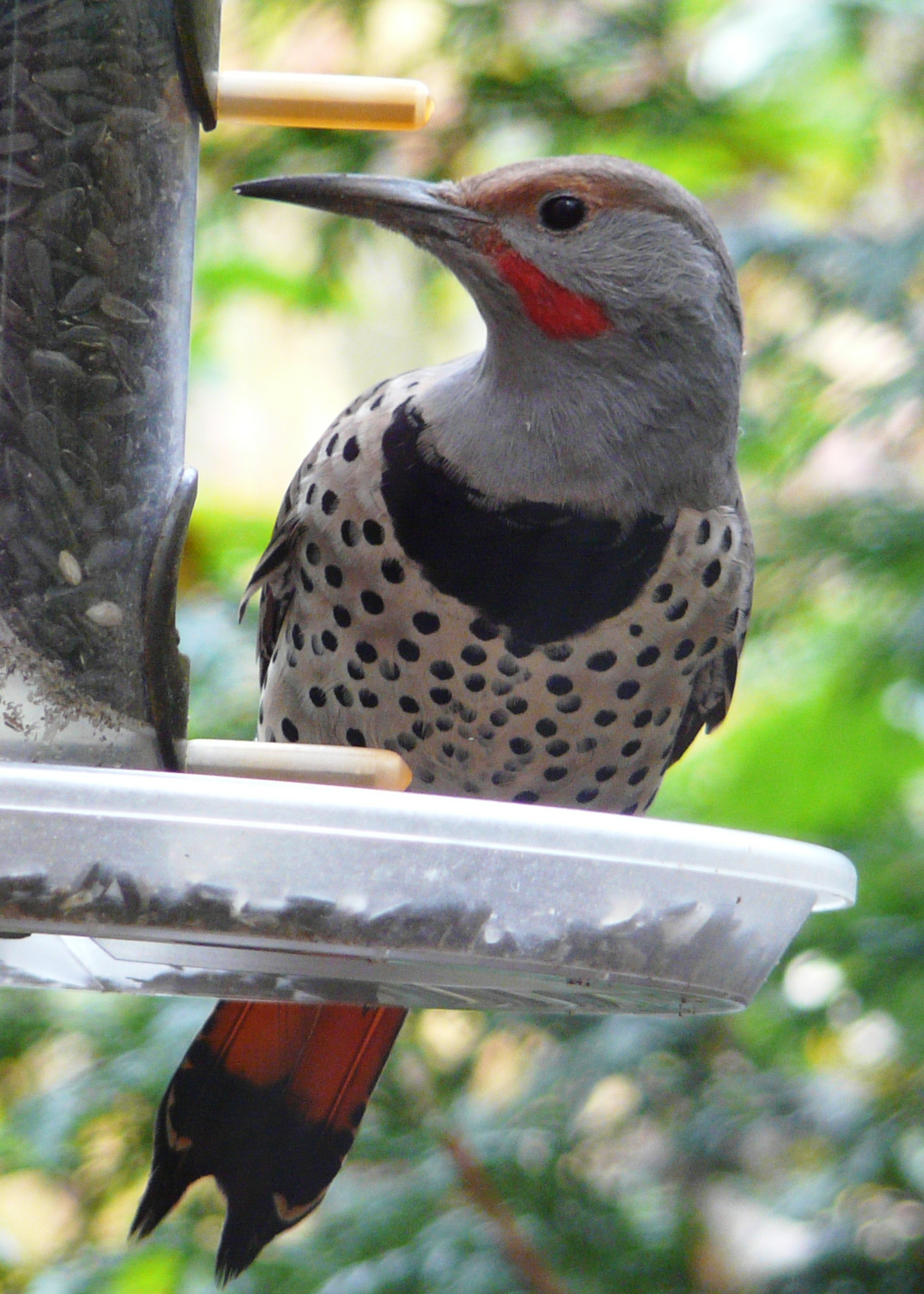
Animal sanitation studies — the exploration of how, why and under what conditions different species will seek to stay clean, stave off decay and disrepair, and formally dispose of the excreted and expired. PHOTO: John Rakestraw (Northern Flicker - male)

Animal sanitation studies — the exploration of how, why and under what conditions different species will seek to stay clean, stave off decay and disrepair, and formally dispose of the excreted and expired. PHOTO: John Rakestraw (Northern Flicker – male)

Nature may be wild, but that doesn’t mean anything goes anywhere, and many animals follow strict rules for separating metabolic ingress and egress, and avoiding sources of contamination. Want examples? Take the Northern Flicker. According to a new report in the journal Animal Behaviour on the sanitation habits of these tawny, 12-inch woodpeckers with downcurving bills, male flickers are more industrious housekeepers than their mates.

Researchers already knew that flickers, like many woodpeckers, are a so-called sex role reversed species, the fathers spending comparatively more time incubating the eggs and feeding the young than do the mothers. Now scientists have found that the males’ parental zeal also extends to the less sentimental realm of nest hygiene: When a chick makes waste, Dad, more readily than Mom, is the one who makes haste, plucking up the unwanted presentation and disposing of it far from home.

Continue reading

Honeybee Mystery: Solved?

For years now, scientists have been trying to determine why honeybees are suddenly falling off the face of the earth, and activists have been demanding a solution. Honeybees don’t just provide us with the sticky sweetener Winnie the Pooh loved so much – they are essential pollinators for many of our most important crops. Without pollinators, it is impossible for the agriculture of certain plants to occur on the scale necessary to sustain our population. This team of French scientists has apparently pinpointed the widespread use of insecticides as the cause of dwindling honeybee populations. Why has the production of fruits and vegetables come to these drastic measures? Are they really necessary? In the past, natural solutions were the only ones available for natural problems – to me it seems that reverting to the old ways (with a few possible improvements) is the only viable option if we want to save the bees (and therefore ourselves).