When Art Bridges Communities

The Islamic Cultural Center of Northern California hosts plays, open mic nights, painting and ceramics classes. PHOTO: ICCNC

The Islamic Cultural Center of Northern California hosts plays, open mic nights, painting and ceramics classes. PHOTO: ICCNC 

Places of religious significance have long been centers of the community spirit. Moving beyond discourses and rituals, their supreme ability lies in bringing people together on some common ground. And projects like the Islamic Cultural Center in Northern California demonstrate how art and culture can bridge gaps within the space of beliefs.

Many mosques preach against even listening to music, let alone playing it on the premises. But here, in a huge auditorium filled with dozens of people, a Moroccan singer on stage sings the praises of the Prophet Muhammad, playing a stringed instrument called an oud. Next to him, a man plays a North African drum called thedumbek. The people here are white, black, Asian — some in embroidered green Sufi robes, others in black Shiite turbans or flowing white Arab jalabeyas. Some women cover their hair, some don’t. Ask anyone who’s been to a mosque, and they’ll tell you this scene is definitely not a common one — which is precisely why many people feel comfortable here.
Continue reading

Lessons of Islam in a Temple

Some Hindu temples in Pakistan are now Islamic schools. PHOTO: Rida Arif

Some Hindu temples in Pakistan are now Islamic schools. PHOTO: Rida Arif

Given the volatile relationships between India and Pakistan, any sentence that involves the two nations is fraught with speculation and scrutiny. Talking of a temple and a mosque in the same breath spells secularism in a liberal setting but portends unrest in another quarter. And when you do hear of goodwill where these worlds meet amicably, it’s a story worth sharing. Like this one about how ancient temples in Pakistan have turned into centers of Islamic teaching.

We stood at the entrance of the temple, not sure if we would be allowed to go inside.

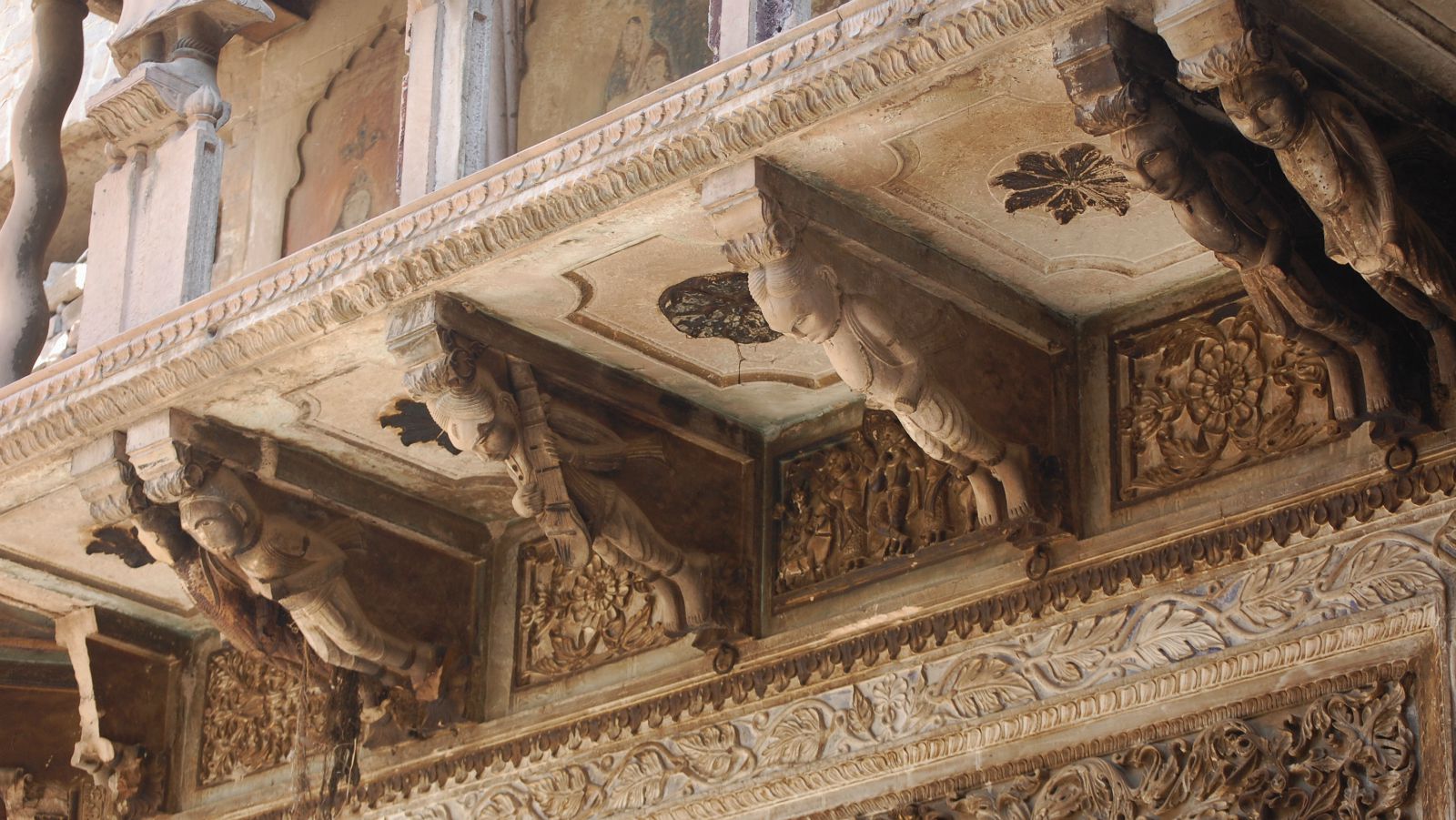
It was a double-storey structure with a small round balcony. The door was made of wood with intricate patterns on it, while there were fading remnants of frescoes on the wall. Judging by the entrance, I could only imagine how beautiful this structure must be from the inside. The only problem was that this temple was not vacant. It wasn’t even taken over by an individual family, as has happened in many other cases. In that situation, I could have requested them to allow me to see the temple from inside. But this was now controlled by the women’s wing of an Islamic religious organisation called Minhaj-ul-Quran, founded by the famous preacher-turned-politician Tahir-ul-Qadri.

Continue reading