Teaching Lego To Play Well By Eliminating Plastic

merlin_137674503_7ad52e7b-462c-4daf-897b-9940119cd67b-jumbo.jpg

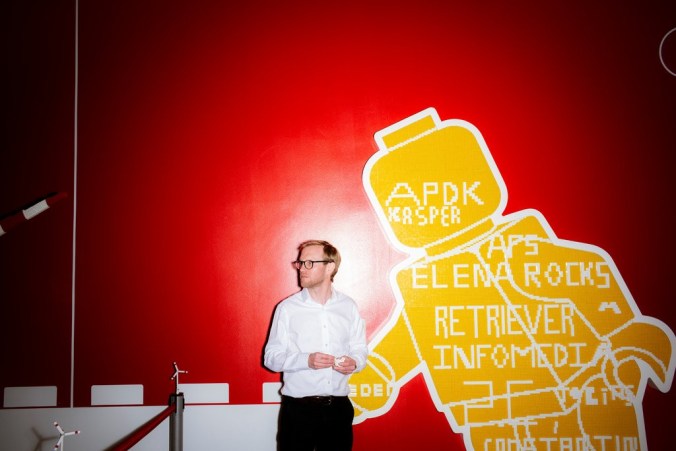
Tim Brooks, Lego’s vice president for environmental responsibility, says the company emits about a million tons of carbon dioxide each year. Credit Carsten Snejbjerg for The New York Times

For a company, and a product, that has been a part of so many lives for so long–and especially one whose name means to play well, it is still a shock to be reminded of their carbon footprint. And three years after first reading about their commitment, it is good to read details of their plan and progress:

Lego Wants to Completely Remake Its Toy Bricks (Without Anyone Noticing)

merlin_137674470_486eb273-ba3b-4808-857f-956b9cb7f533-jumbo.jpg

At Lego, petroleum-based plastics aren’t the packaging, they’re the product — and the bricks making up these dinosaurs have barely changed in more than 50 years. Credit Carsten Snejbjerg for The New York Times

BILLUND, Denmark — At the heart of this town lies a building that is a veritable temple to the area’s most famous creation, the humble Lego brick. It is filled with complex creations, from a 50-foot tree to a collection of multicolored dinosaurs, all of them built with a product that has barely changed in more than 50 years.

A short walk away in its research lab, though, Lego is trying to refashion the product it is best known for: It wants to eliminate its dependence on petroleum-based plastics, and build its toys entirely from plant-based or recycled materials by 2030. Continue reading

Toys-R-Greening


720.jpg

Pieces such as leaves, bushes and trees will be made entirely from plant-based plastic. Photograph: Maria Tuxen Hedegaard/Lego

Among contributors to this platform, the number of lego pieces bought over the last fifty years likely aggregates into the hundreds of thousands. And yes, we all eventually knew that the product is petroleum-based and therefore worthy of reconsideration in for the next generation. But they have remained irresistible anyhow, and so we are glad to hear the company is moving in a new direction. Rebecca Smithers, the Consumer affairs correspondent for the Guardian, offers this news on where the company is going with green:

First sustainable Lego pieces to go on sale

Range including leaves, bushes and trees made entirely from plant-based plastic sourced from sugar cane will be available later this year

The first Lego pieces made from plant-based plastic sourced from sugar cane will go on sale this year, the company has announced.

The 85-year-old Danish toymaker said production has begun on a range of Lego botanical elements or pieces such as leaves, bushes and trees, made entirely from plant-based plastic. They will start appearing in Lego box sets with bricks and mini-figures later this year. Continue reading

Artisanal Toys

Anker index1.jpg

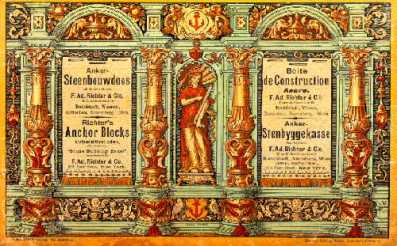
Box Set of Anchor Stone Blocks

In The New Yorker‘s book review last week, Alexandra Lange discussed Amy F. Ogata’s new book “Designing the Creative Child: Playthings and Places in Midcentury America,” focusing on the diverse materials and malleability of toy design over the past several decades.

With increasingly commercialized handmade, all-natural toys on the market, Lange asks, “Do toys need to be as artisanal as our food?”

Nearly two years ago now, Meg wrote about Tegu, wooden magnetic building blocks that support conservation and Hondurans in poverty. Tegu blocks seem to be a perfect blend of the artisanal qualities that wood bring to a toy, while the magnets inside add the opportunity for creativity that simple wooden rectangles and squares might not (unless they have the Lego-like studs that Mokulock does).

anker-1.jpgWhat about stone toys?

You don’t hear much about those, it seems to me. Heavy to carry around, more dangerous as projectiles, and requiring more machinery to produce, playthings built from stone might seem even more cumbersome and antiquated than wooden toys to a child brought up on shiny plastics and polymers. But the stone Anker/Anchor blocks (a box cover of which is pictured at the top of this post, and one of my own creations from these blocks is here to the right) made from quartz sand, chalk, linseed oil, and color pigment, are still able to merit $200+ asking prices on eBay, although part of their appeal comes from their relative–or perceived–antiqueness. Continue reading