In the Future, Windows May Be Made of Wood

CREDIT: UNIVERSITY OF MARYLAND AND ADVANCED ENERGY MATERIALS

It seems too weird to be true, but wood can be bleached and then soaked in epoxy to create a material not quite as transparent as glass, but which lets in plenty of non-glare light and insulates far better against heat. Scientists at the University of Maryland have patented the technology and are studying its applications in building for the future. One interesting feature of the wooden window is that it directs the diffused sunlight in the same direction regardless of the angle at which it enters the panel, which, as the lead author Tian Li says, “means your cat would not have to get up out of its nice patch of sunlight every few minutes and move over. The sunlight would stay in the same place. Also, the room would be more equally lighted at all times.” Sounds great!

Continue reading

Biolighting: A New Alternative for Light

icone_v7qrqw

Glowee.com

In the developed world, light and electricity go hand in hand. But what if there was a way to produce light without electricity? That is the question Glowee, a biolighting living system, is striving to resolve. Glowee is a biological source of light that relies on the natural properties of marine microorganisms, specifically, the genetic coding for bioluminescence. The benefit to this alternative lighting is that it emits very low light pollution and CO₂.

To understand this new development, Continue reading

Playing to Light Up Lives

Uncharted Play is a social enterprise based in New York City founded with the mission of harnessing the power of play to achieve social good. PHOTO: UP

Uncharted Play is a social enterprise based in New York City founded with the mission of harnessing the power of play to achieve social good. PHOTO: UP

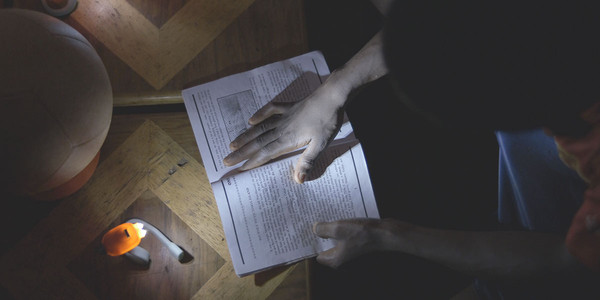
1.2 billion people around the world lack access to reliable electricity. They end up using kerosene lamps or diesel generators for their lighting requirements. But did you know that the annual collective emissions from kerosene lamps all over the world is equal to the carbon emissions of 38 million automobiles? It’s not just the carbon footprint – burning kerosene lamps indoors is as bad for the lungs as smoking two packs of cigarettes per day.

Continue reading

The Village Capital of Light

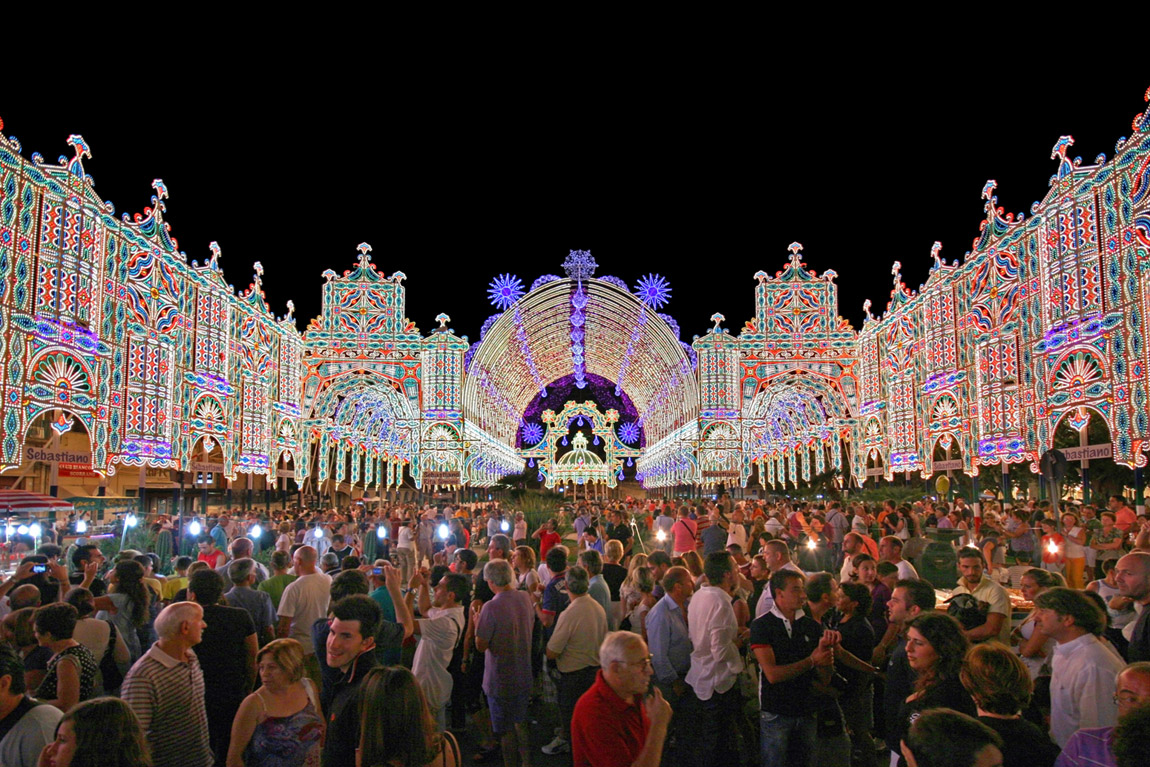
Scorrano, a little village turns into the Capital of the Luminarie for a few days a year. PHOTO: Gorgonia.it

Scorrano, a little village turns into the Capital of the Luminarie for a few days a year. PHOTO: Gorgonia.it

Tradition, religion, heritage, and passion: from one generation to the other, a small town in the Apulia region, Scorrano, has been able to keep all these things untouchable and unique and give them expression during a festival called “Festa delle Luminarie”. The history of this festival goes back to the 20th century and it is related to the existence of small family-run businesses that have been developing and installing the so-called “luminarie” to celebrate local patrons and religious feasts. This was especially true for this small town where only 7,000 people live: there, a few local firms used to wait for the village’s feast in order to install the most beautiful and spectacular illuminations they had been working on in the months before.
Continue reading

Repel, Trap and Steer Light

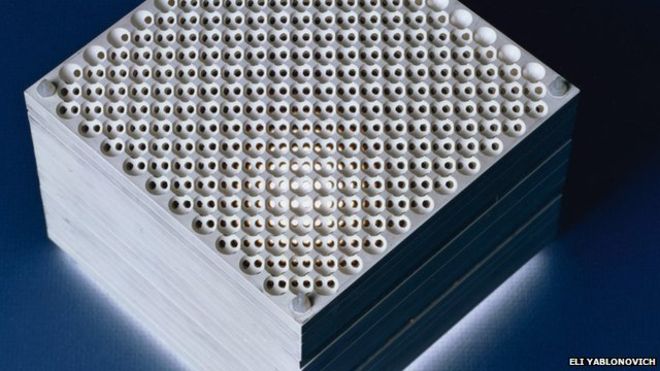
Photonic crystals can manipulate light in the same way that a semiconductor like silicon can steer electrical current. PHOT: Eli Nablonovich

Photonic crystals can manipulate light in the same way that a semiconductor like silicon can steer electrical current. PHOTO: Eli Nablonovich

The US physicist who first discovered “photonic crystals” which can repel, trap and steer light is to receive the Newton Medal, the BBC has revealed. This is the highest honor given by the Institute of Physics in London. Prof Eli Yablonovitch of the University of California, Berkeley, proposed and created the crystals in the 1980s.  Photonic crystals are periodic dielectric structures that have a band gap that forbids propagation of a certain frequency range of light. This property enables one to control light with amazing facility and produce effects that are impossible with conventional optics. Butterfly wings and the colorful plumage of peacocks and some parrots all contain examples, which were only understood after Yablonovitch and his fellow physicists fully described photonic crystals in the 1980s.Even the chameleon was recently shown to produce – and control – its color using the shape of photonic crystals.

Continue reading

Burning Skies

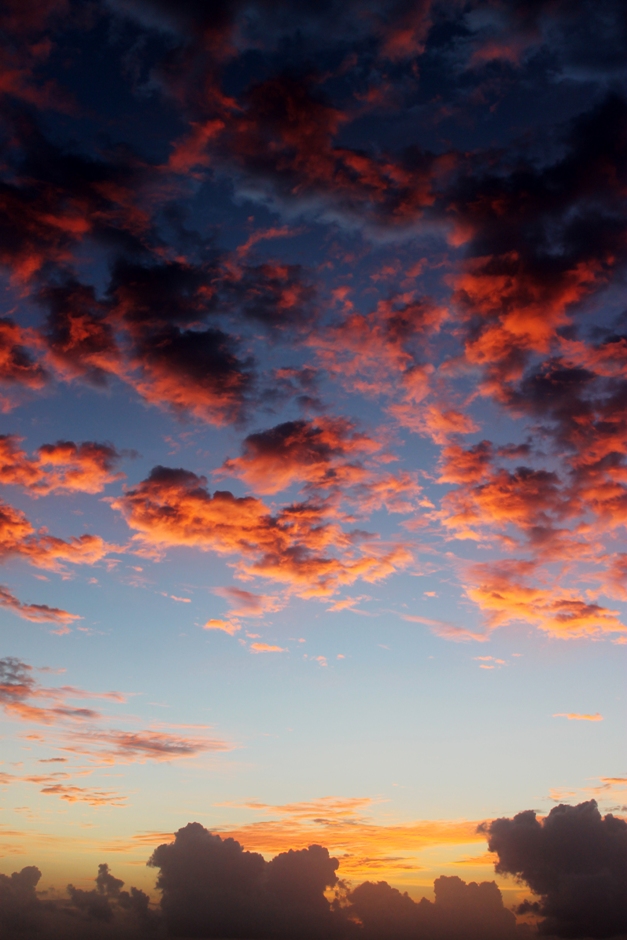
Many people associate fiery skies over cities with pollution and smog. While these are indeed causes for a red-orange color during sunset and sunrise, they are not exclusively so – any particles in the air, including dust and vapor, can cause Rayleigh scattering. This optical phenomenon is not as complicated as some other forms of light scattering, and is more easily explained.

Continue reading