Lithium From A Well

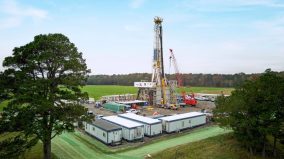
The drilling rig at ExxonMobil’s first lithium well, in southwest Arkansas. EXXONMOBIL

Thank you, Fred Pearce. It is not easy to trust ExxonMobil or any other petroleum company to do the right thing, but this sounds better than most of what we hear about their common practices:

In Rush for Lithium, Miners Turn to the Oil Fields of Arkansas

The Smackover Formation in southern Arkansas was once a major oil producer. Now, companies hope to extract lithium — a key metal for electric vehicle batteries — from its underground brines using technologies they say could reduce mining’s carbon emissions and water use.

The town of Smackover, Arkansas, was founded a hundred years ago when a sawmill operator got lucky: his wildcat oil well yielded a gusher. Continue reading
Essential Lithium & Essential Water

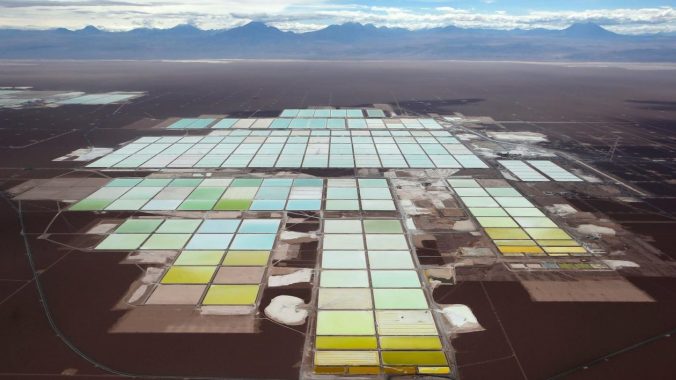
Brine pools at the Soquimich lithium mine on a salt flat in northern Chile. IVAN ALVARADO / REUTERS VIA ALAMY

On my one visit to the Atacama desert in 2009 I had a feeling unlike any I had previously experienced, and it was attributed to the lithium. There is so much, you can feel it. And to put it simply, it feels good. I knew it was being mined, but I assumed it was primarily for pharmaceutical use; no clue it would become so important for batteries. And this set up a sort of zero-sum game, which Fred Pearce helps to understand:

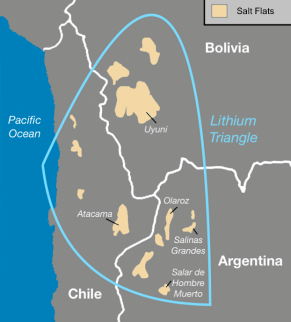
The Lithium Triangle region. YALE ENVIRONMENT 360

Why the Rush to Mine Lithium Could Dry Up the High Andes

The demand for lithium for EV batteries is driving a mining boom in an arid Andes region of Argentina, Chile, and Bolivia, home to half the world’s reserves. Hydrologists are warning the mines could drain vital ecosystems and deprive Indigenous communities of precious water.

What environmental price should the world be willing to pay for the metals needed to switch to electric vehicles? The question is being asked urgently in South America where there are growing fears that what is good for the global climate may be a disaster for some of the world’s rarest and most precious ecosystems — salt flats, wetlands, grazing pastures, and flamingo lakes high in the Andean mountains. Continue reading

Choices For Mining Lithium

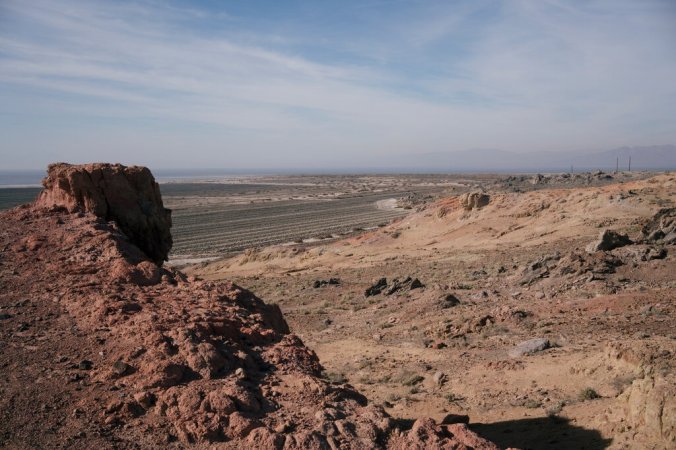
The Salton Sea is one of numerous new mining proposals in a global gold rush to find new sources of metals and minerals needed for electric cars and renewable energy.

Thanks to the New York Times for this coverage of the choices surrounding how and where to mine a key ingredient of more efficient batteries–a consequential environmental question:

The Lithium Gold Rush: Inside the Race to Power Electric Vehicles

A race is on to produce lithium in the United States, but competing projects are taking very different approaches to extracting the vital raw material. Some might not be very green.

“This is the most sustainable lithium in the world, made in America,” Rod Colwell, the chief executive of Controlled Thermal Resources, said. “Who would have thought it? We’ve got this massive opportunity.”

Atop a long-dormant volcano in northern Nevada, workers are preparing to start blasting and digging out a giant pit that will serve as the first new large-scale lithium mine in the United States in more than a decade — a new domestic supply of an essential ingredient in electric car batteries and renewable energy.

The mine, constructed on leased federal lands, could help address the near total reliance by the United States on foreign sources of lithium.

But the project, known as Lithium Americas, has drawn protests from members of a Native American tribe, ranchers and environmental groups because it is expected to use billions of gallons of precious ground water, potentially contaminating some of it for 300 years, while leaving behind a giant mound of waste. Continue reading