
Cotton Sheets, Caveat Emptor

3000-1

Agricultural employees harvest cotton in a field in Benha, Egypt. Welspun India, a giant home textile manufacturer, is in trouble for falsely advertising bedding products as containing Egyptian cotton. Photograph: Bloomberg/Getty Images

We are in the business of providing comfortable bedding as responsibly as possible, and we are as vigilant on sheets as anything else. So, in the spirit of FYI:

Those luxury Egyptian cotton sheets you own may not be luxurious – or Egyptian

Target and Walmart are pulling bedding off their shelves after a falsely labeled Egyptian cotton products controversy involving manufacturer Welspun India

Alison Moodie

Egyptian cotton, which can be spun into fine, long fiber to make sheets with a high thread count, is synonymous with luxury bedding. But in the last four months, it’s been at the center of a controversy that has caused many Americans to wonder whether the Egyptian cotton sheets they rely on for a good night’s sleep actually contain any cotton from Egypt. Continue reading
Bikes Starting to be Made in USA Again

This latest post in our common bicycle theme is not about any novel designs or materials being used to make the pedal-powered machines, but rather a feature from The New Yorker website on the new bicycle manufacturing scene in the US, particularly in Detroit, where a crashed automobile industry left a city in dire need of revival. Omar Mouallem writes:

In 1896, the Detroit Wheelmen opened an ornate new clubhouse, complete with an auditorium and a bowling alley. The Detroit Free Press called it “the most modern club house of any cycling organization in the west.” Its forty-thousand-dollar cost (about $1.1 million today) was paid for by the club’s four hundred and fifty members, who included John and Horace Dodge, the co-owners of Evans & Dodge Bicycle Company, one of more than three hundred U.S. manufacturers during the bike boom of the eighteen-nineties.

Continue reading

Is This the New Super Battery?

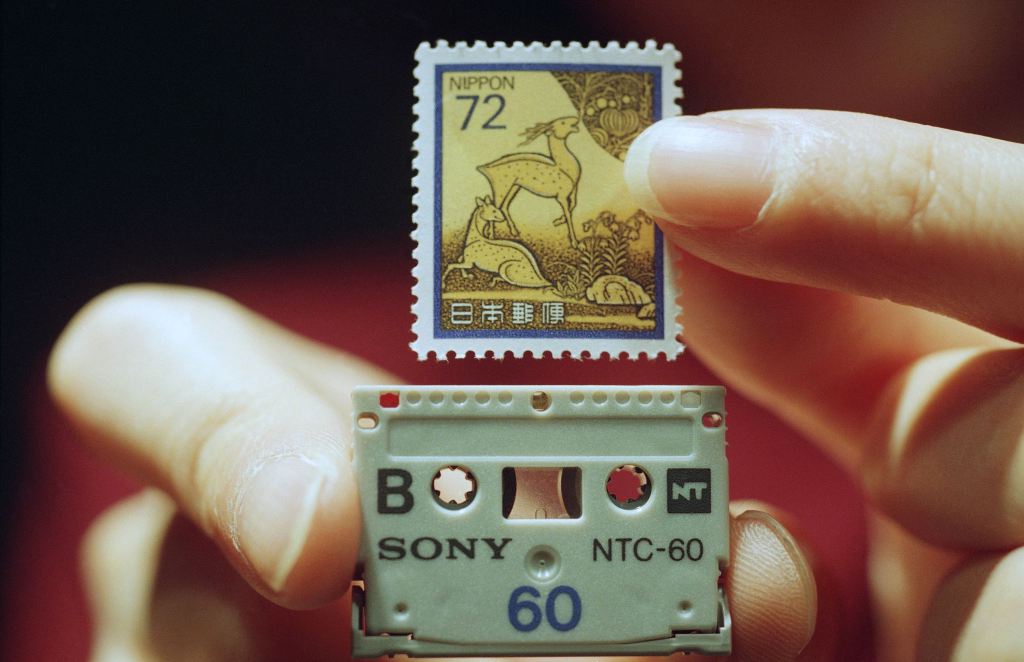
A cassette tape—the origin, incredibly, of how batteries are made.(AP Photo)

A cassette tape—the origin, incredibly, of how batteries are made.(AP Photo)

Since about 2010, a critical mass of national leaders, policy professionals, scientists, entrepreneurs, thinkers and writers have all but demanded a transformation of the humble lithium-ion cell. Only batteries that can store a lot more energy for a lower price, they have said, will allow for affordable electric cars, cheaper and more widely available electricity, and a reduction in greenhouse gas emissions. This is where Yet-Ming Chiang enters the picture. A wiry, Taiwanese-American materials-science professor at the Massachusetts Institute of Technology (MIT), Chiang is best known for founding A123, a lithium-ion battery company that had the biggest IPO of 2009.

Continue reading