The Marari Fruit Diaries

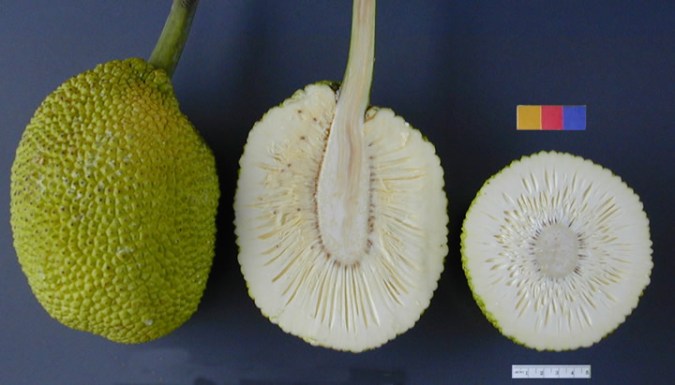
This is a picture of breadfruit, which actually tastes like freshly baked bread

This is a picture of breadfruit, which actually tastes like freshly baked bread

I’ve been writing about the exciting biodiverse varieties of plants at the new property, Marari Pearl. I want to point out though that even before we started, the land has hundreds of coconut trees on it, as well as dozens of mango and cashew trees, which is exciting in its own right.

One thing about the coconut trees that makes them a win-win, is that it helps provide local jobs. There is a certain group of people whose legal right it is in Kerala to do the job of tending to coconut trees. Before Marari Pearl was there, no one was hiring them to take care of the trees. Now that we are utilizing them to provide coconuts for our properties, they get jobs and we get fresh coconuts.

We are adding a cornucopia of other fruits, both local and exotic. I mentioned that we have pomelos, rambutans, tamarinds, several types of jackfruit,  lovi-lovis, mangos, and oranges as well as the infamous miracle fruit. There is also the hong kong guava, burmese grape bud, pomegranate, sapota, malayalam champa fruit, abiu fruit, jaboticaba fruit, langsat tree, and several varieties of avocados or ‘butter fruit’ as its called here. There are breadfruit trees as well as peanut butter trees. There is karonda fruit, nelli puli fruit, mangosteen, and mooty fruit. There are five pages of names, some I know, some I don’t, and some I can’t understand because it’s a handwritten list. Continue reading
A Biodiversity Triumph at Marari

As I mentioned in my last post, the new property, Marari Pearl, could easily be called the Beach Banana Genome Project because it has 30 varieties of bananas being grown on it. When Amie and I saw the list of everything being grown on the property, our joy was akin to kids on christmas.

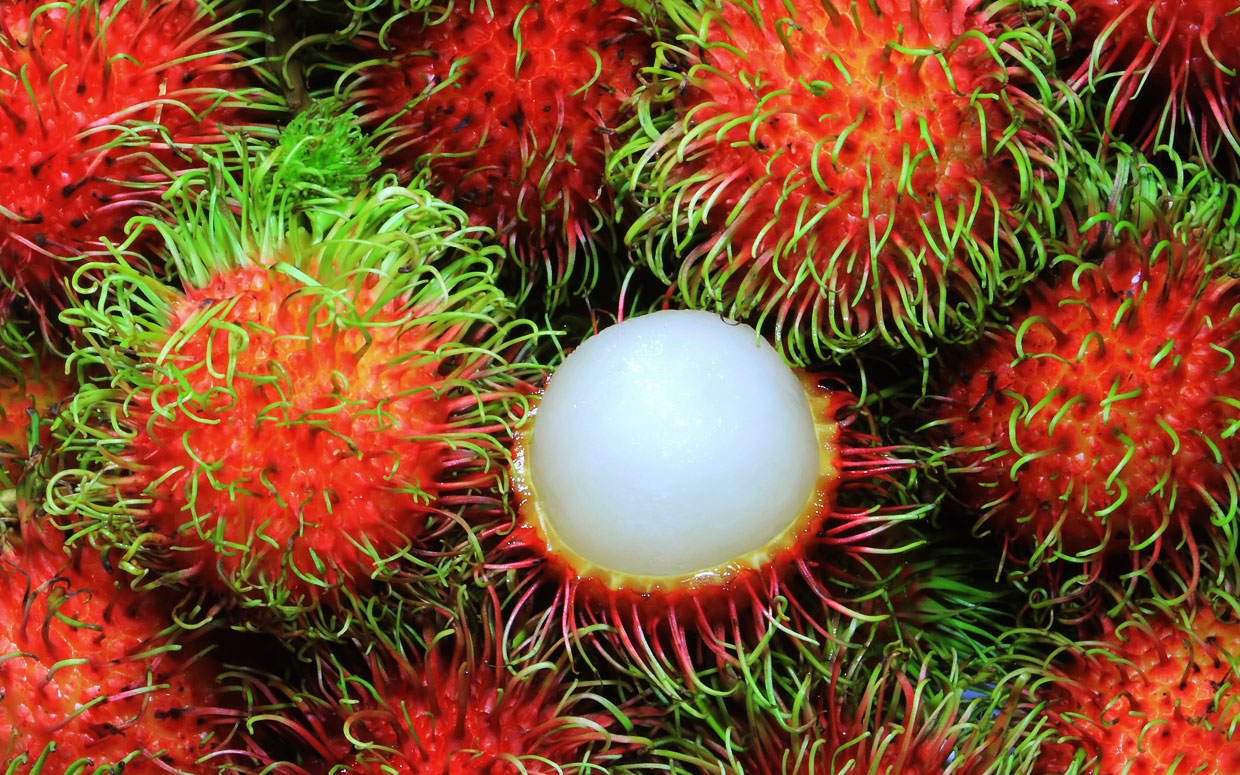
Have you ever seen a rambutan?

Have you ever seen a rambutan?

Since I’ve been reading The Fruit Hunters by Adam Leith Gollner, I’ve realized the role variety awareness plays in conserving biodiversity. Simply not knowing about all the varieties allows agribusiness to monopolize the market with one or two varieties that best suit global trade. For example, when people only saw red and yellow apples in the supermarket, they did not know what they were missing out on, so they weren’t as picky. Once Fujis and Galas became known, customers began to demand more. Knowledge of varieties is seen as a threat to supermarket because customers focused on varieties become less easy to please with subpar, out-of-season fruits.

So with that being said, simple awareness of varieties is a method of raising the bar. It helps promote biodiversity because people are less willing to accept generic and standardized fruit.

On the Marari Pearl property, there are pomelos, rambutans, and tamarinds. There are several types of jackfruit,  lovi-lovis, mangos, and oranges. I was particularly excited to see the miracle fruit on the list. Continue reading