
Indian Laburnum (Cassia fistula) is a medium sized deciduous tree which grows up to 10-20 meters in height. Indian laburnum is also known as “Golden Shower” tree native to Southern Asia.
Indian Laburnum (Cassia fistula) is a medium sized deciduous tree which grows up to 10-20 meters in height. Indian laburnum is also known as “Golden Shower” tree native to Southern Asia.
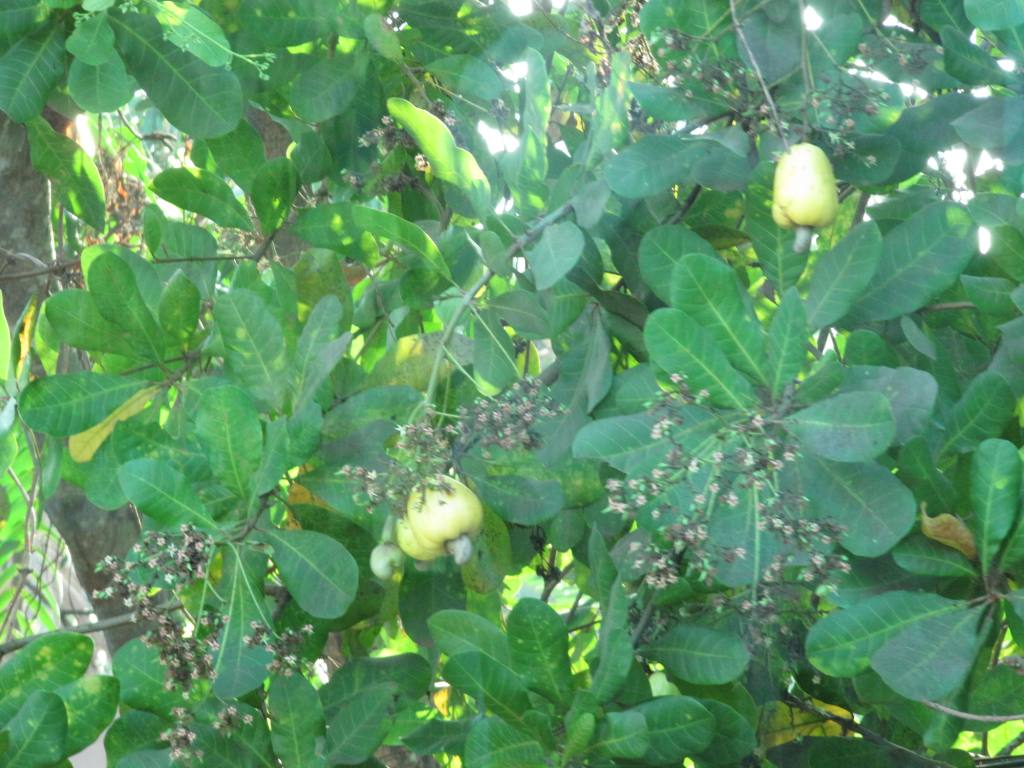
The Cashew-nut tree (Anacardium occidentale) is a fast growing tropical evergreen tree which grows up to the 12 meters in height. The nut is attached to the lower portion of the cashew apple which is conically shaped. The cashew nut (seed) hangs at the bottom of the apple, covered by a shell that hardens as it ripens. Continue reading

Holy Basil (Ocimum sanctum) is an erect multi-branched shrub that grows up to 30-60cms in height which in Kerala is commonly known as Tulsi. The holy basil is highly valued for Hindu religious traditions and also for its medicinal properties in Ayurveda.

The Rose apple is a fruit bearing plant that ranges to a height of 12 to 15 metres. Rose apple is a popular fruit native to Southeast Asia.  Continue reading

Pomegranate (Punica granatum) is a deciduous shrub which is a fruit bearing plant. The flowers may be solitary or grouped in twos and threes at the ends of the branches. The pomegranate juice can range from very sweet and sour, but most fruits are moderate in taste.
Part of the La Cumplida farm diversification involves growing crops apart from coffee. I’ve already mentioned the tree cultivation and bananas, and here I can go into more detail about the wood production and other harvests.
Ferns cover many of the hills in the upper ranges of the finca. Sheltered under black netting to block out the sun, these billions of fronds are handpicked and bundled in different sizes. The vast majority is sent to Netherlands, but other European countries and the United States receive the ornamental plants as well. Why is Netherlands the main customer? Because the country holds the largest flower market in the world at Aalsmeer, has long been the production hub for the European flower industry, and is a major international floral supplier. Many bouquets contain not only blossoms but ornamental leaves as well, and these ferns work well in many arrangements.
Wilfredo led us through the fern fields and told us a bit about its cultivation. One of the problems they have while growing the ferns is fungal disease, which turns them yellow and brown as they die; fungicide and physical culling are necessary to control the spread. About every two months they have new fully matured fronds that can be harvested, bundled up, washed, and bundled again under bags. Then they are boxed and sent under refrigeration to their destination (if I remember correctly, at 7 degrees Celsius). Below is a short and simple video that includes some of this explanation and process.
 Organikos