Gol Gumbaz

Photo credits : Vijay Mampilly

Photo credits : Vijay Mampilly

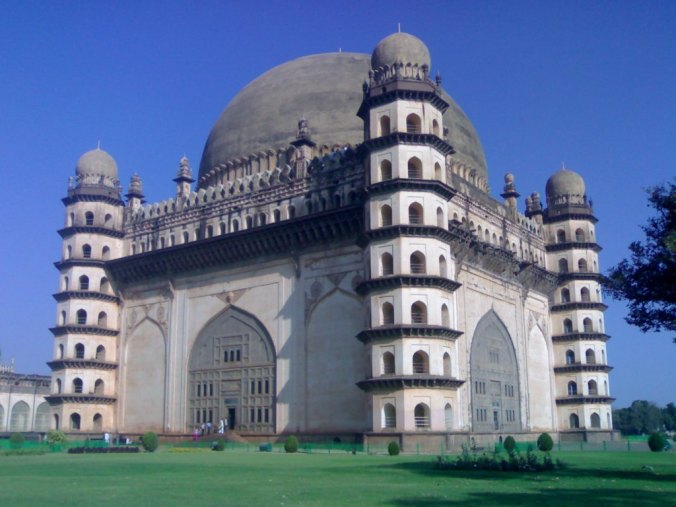
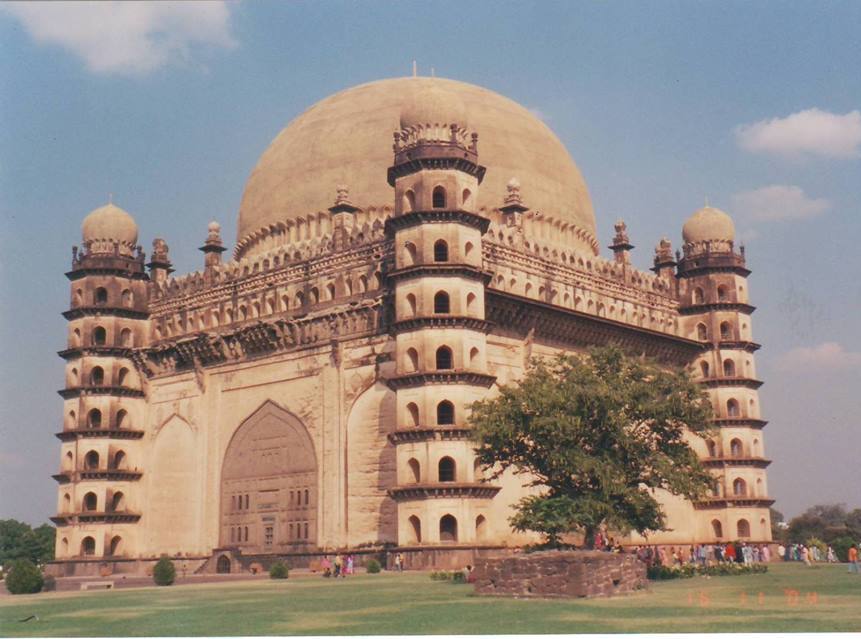
Gol Gumbaz is one of the largest and most famous monuments in India. Gol Gumbaz was constructed as a mausoleum for Sultan Mohammed Adil Shah, the seventh ruler of Adil Shah dynasty (1627- 57). Construction was completed in 1656. The monument’s central tomb remains a popular tourist attraction, but in fact the entire building, despite its simple design, stands as a masterpiece of Deccan-era architecture. Continue reading

Taj Mahal

Photo credit : Sanjayan

Photo credit: Sanjayan

A Unesco World Heritage Site and considered one of the eight wonders of the world, the Taj Mahal is in Agra in the Indian state of Utterpradesh. Twenty-two thousand laborers and craftsmen worked on the mausoleum complex between A.D. 1631 and 1653, to the cost of what is believed to be thirty-two crore (320 million) rupees. Continue reading

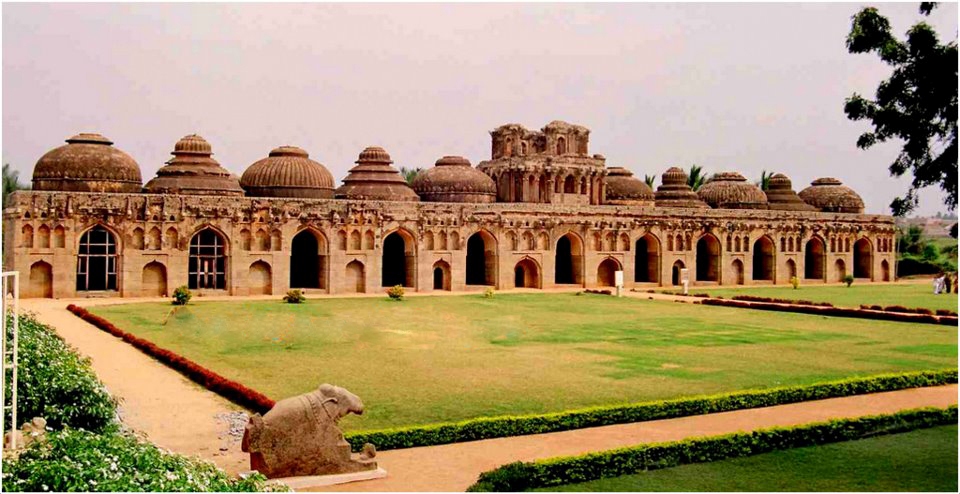
Elephant Stables – Hampi, Karnataka

Photo credit : Ramesh Kidangoor

Photo credit: Ramesh Kidangoor

The Elephant Stables are located in the UNESCO World Heritage city of Hampi in Karnataka. This long structure was constructed with majestic openings for the resting places of the royal elephants. The open area in front of the of the building was a parade ground for the elephants. The Elephant stables with their lofty domes and arches is synthesis of Hindu and Islamic forms.

Cape Camorin, Known Locally As Kaniyakumari

Photo credits: Prasanth

Photo credits: Prasanth

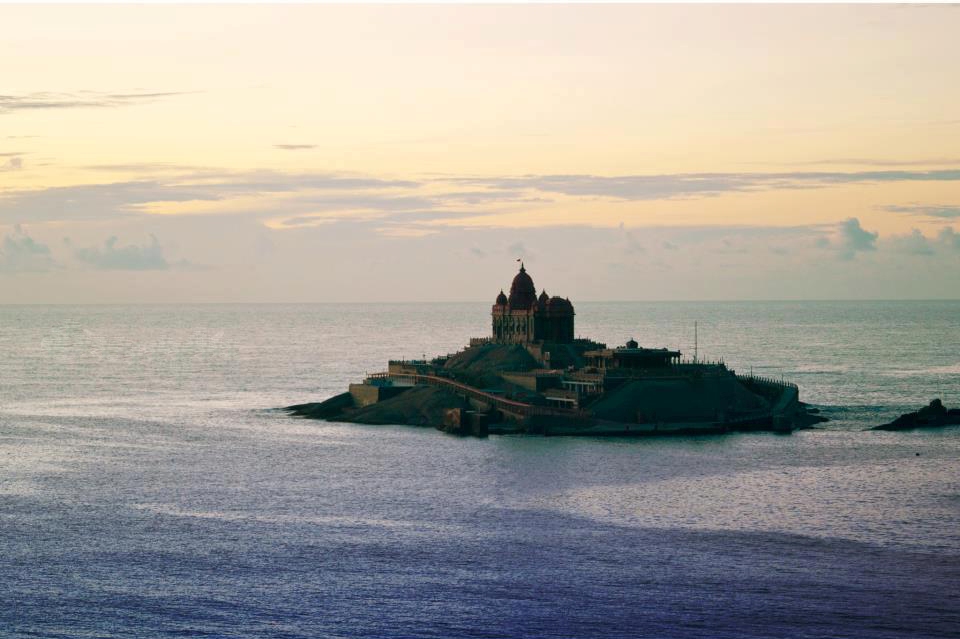
Kaniyakumari, also known as Cape Camorin, lies 90 km south of Trivandrum and is the southernmost tip of the mainland Indian sub-continent. The waters of the Indian Ocean, the Bay of Bengal, and the Arabian Sea converge here. The Vivekananda Memorial and recently erected statue of the great Tamil poet Thiruvallur are the main attraction of this place. A dip at the bathing ghat constructed at the confluence of the Seas is believed to cleanse and rejuvenate the pious.

Continue reading

Monument To The Great Visionary

IMG_4219 - Copy

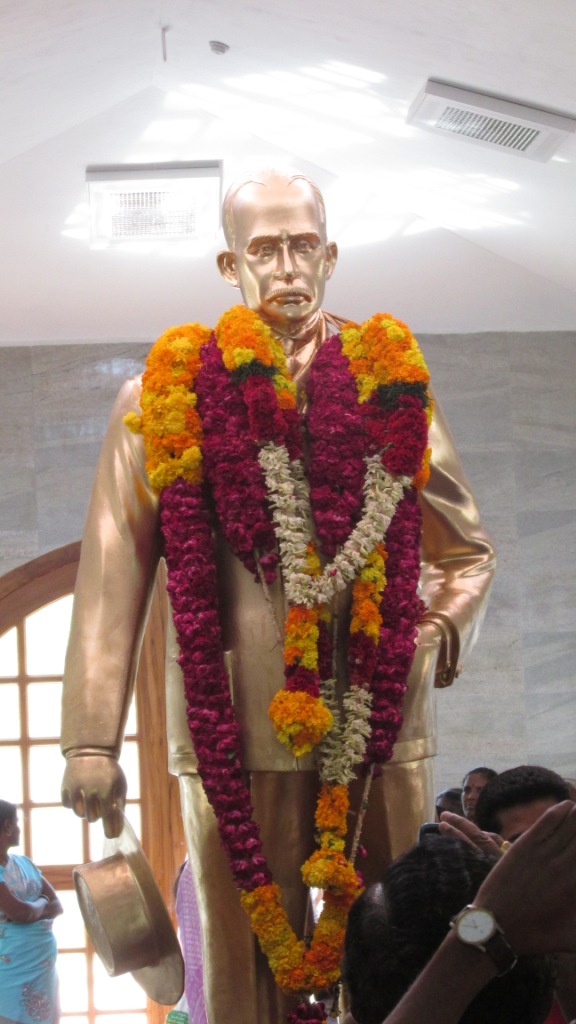
The government of Tamil Nadu recently honored Colonel J. Pennycuick, the architect of the Mullaperiyar Dam which had been built in 1895. The chief minister of the state commissioned a small memorial building which includes a statue of Pennycuick and a rare collection of  photos taken during the dam construction. Continue reading

Gol Gumbaz – Bijapur, Karnataka

Photo credit: Ramesh Kidangoor

Gol Gumbaz is the tomb of Mohammed Adil Shah, located at Bijapur in Karnataka state. Built in the 17th century, this renowned example of Deccan architecture took close t0 30 years to complete. The significant feature of the structure is its central dome which stands without the support of pillars. The Gol Gumbaz is the second largest dome in the world of this type. It is particularly known for its central chamber, or “Whispering Gallery”, where every sound is echoed multiple times.