More Māori Ancestral Knowledge Coming Your Way

William Anaru, the biosecurity manager of the local tribe, Te Arawa, at Lake Rotomā. Cornell Tukiri for The New York Times

Pete McKenzie shares more from the place where ancient knowhow is respected:

As a weed choked a New Zealand lake, a tribe found a surprising solution in a centuries-old tool, adding to a pitched debate over how Indigenous knowledge can complement conventional science.

LAKE ROTOMA, New Zealand — A riot of native plant life once covered the shallows of Lake Rotomā, one of the many bodies of water that speckle New Zealand’s upper North Island. At night, mottled green crayfish scuttled from the deep to graze beneath the fronds in such plentiful numbers that the local Māori tribe could gather a meal in a few minutes of wading. Continue reading
With Gene-Altering Schemes, Be Careful What You Wish For

merlin_130180247_f155f48f-78b8-4667-8348-506d3ed9edeb-master768

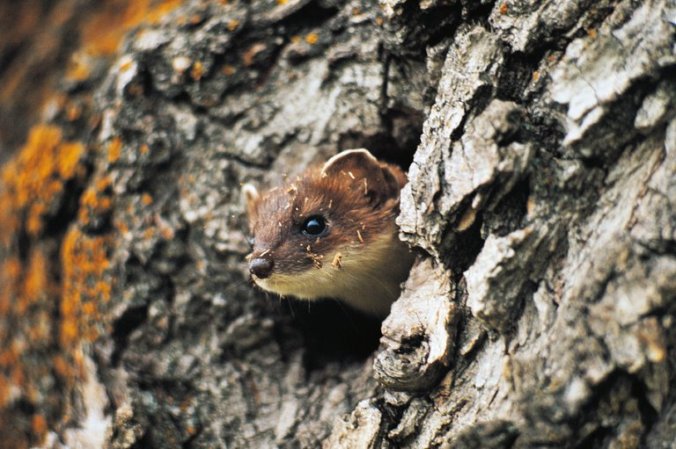
The short-tailed weasel, or stoat, decimated native bird populations after it was introduced to New Zealand. Altering the genes of invasive animals might save threatened species, scientists said, but could also have devastating consequences. Credit DeAgostini, via Getty Images

Two days ago we were intrigued by the notion; today, not so much. Is it a cat fight between two of the science writers most often linked to in these pages? Or perhaps it is an example of how scientific consensus is built:

‘Gene Drives’ Are Too Risky for Field Trials, Scientists Say

In 2013, scientists discovered a new way to precisely edit genes — technology called Crispr that raised all sorts of enticing possibilities. Scientists wondered if it might be used to fix hereditary diseases, for example, or to develop new crops.

One of the more intriguing ideas came from Kevin M. Esvelt and his colleagues at Harvard University: Crispr, they suggested, could be used to save endangered wildlife from extinction by implanting a fertility-reducing gene in invasive animals — a so-called gene drive. Continue reading

New Zealand, Invasive Species & Gene Editing

1920

Thanks to Ed Yong and his editors at The Atlantic for this story on one country’s approach to rats:

New Zealand’s War on Rats Could Change the World

The nation wants to eradicate all invasive mammal predators by 2050. Gene-editing technology could help—or it could trigger an ecological disaster of global proportions.

The first thing that hit me about Zealandia was the noise.

I was a 15-minute drive from the center of Wellington, New Zealand’s capital city, but instead of the honks of horns or the bustle of passersby, all I could hear was birdsong. It came in every flavor—resonant coos, high-pitched cheeps, and alien notes that seemed to come from otherworldly instruments. Continue reading

National Park of the Week: Tongariro National Park, New Zealand

tongariro-nationalpark

Source: nz-autraliatours.com

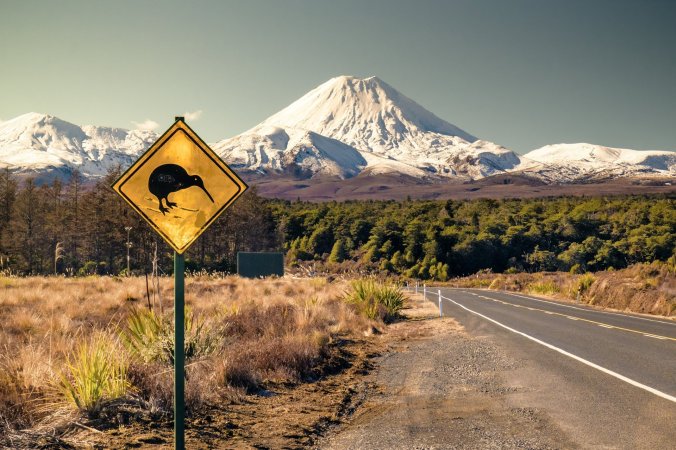
New Zealand’s oldest national park and the fourth national park to be created in the world, Tongariro National Park is internationally recognized for its outstanding volcanic features and is historically venerated by the Maori people. The park encircles three volcanoes, Tongariro, Ngauruhoe, and Raupahu and covers almost 80,000 hectares of contrasting terrain. The three volcanoes are active, Raupehu being one of the most active volcanoes in the world, but that does not deter visitors from hiking up to the top and gazing out into the exotic conic formations.

Continue reading

Kiwis Were Diversified by Glaciers in NZ

Tasman Lake, which is fed by melt water from the retreating Tasman Glacier. Photo by Trevor Chinn

The kiwis referred to here are cute, small, fluffy, brown birds, not to be confused with small fuzzy brown fruit nor with the people who live in New Zealand. These flightless and nocturnal birds used to be divided in three to five species, but new DNA evidence from extensive blood sampling conducted over the last couple decades in their island home is indicating that there is in fact much more genetic diversity – which is often separated geographically – than previously thought, perhaps even enough to declare new species, or at the very least certainly new subspecies. And this might affect conservation strategies for these birds, which are all either endangered or vulnerable to endangerment. Ed Yong reports:

Several million years ago, a small bird flew to New Zealand. Arriving there, it found few threats and plenty of opportunities. In the absence of mammals, its descendants gradually lost the ability to fly, as island birds are wont to do. They also evolved to fill those niches that mammals typically occupy, rootling around the leaf litter in search of worms and grubs. They transformed into that icon of New Zealand—the adorable, bumbling kiwi.

Or rather, they transformed into the kiwis.

Continue reading

New Zealand Plans to Eliminate Invasive Mammals

Illustration of a Brown Kiwi chick. A History of the Birds of New Zealand. 2nd ed. by W.L. Buller (London, 1888). page 326 via WikiMedia Commons

It is not surprising that one of the nations that stands to lose the most from invasive mammals is also the first country in the world to announce its ambitious plan to remove them all by 2050, but the islands of New Zealand have a lot of work ahead of them to eradicate animals like rats, stoats, and possums – around nineteen and a half million US dollars worth of work, which will be the government investment in a new public-private joint venture called Predator Free New Zealand Limited . And now that deforestation has been controlled better, it’s time to protect the country’s wildlife another way. The kiwi illustrated above, for example, is one of five species in New Zealand, all of which are threatened or endangered, or critically endangered, thanks to predation by invasive mammals that the flightless birds can’t avoid.

Continue reading

The Endangered Yellow-eyed Penguin

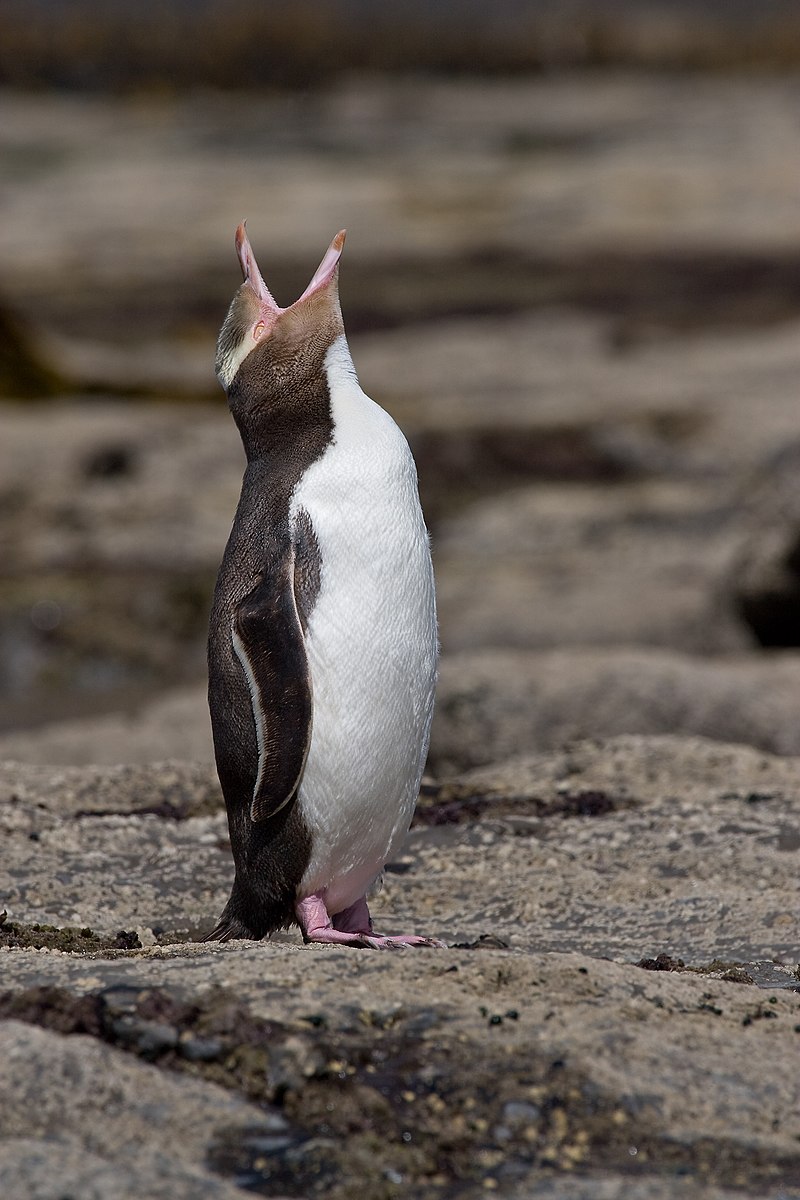
A Yellow-eyed Penguin (Megadyptes antipodes) in the Curio Bay, New Zealand. Photo by Christian Mehlführer via WikiMedia Commons.

We all like penguins, probably since they’re such unique birds with an aptitude for cuteness. We’ve written about their protection before, even in the same country this post is concerned with, New Zealand. A species that numbers only in the few thousands, the Yellow-eyed Penguin, is clearly at risk of extinction due to habitat and food source loss. Marcel Haenen reports for the New York Times:

DUNEDIN, New Zealand — Only a keen-eyed observer can spot the rare yellow-eyed penguin in the impenetrable forest hills that hug New Zealand’s South Island beaches.

Native to this region, the birds mostly lurk under a canopy of thick shrubs, trees and branches, dashing for hiding places as soon as a human approaches.

Incredibly shy, the yellow-eyed penguin is truly odd. Measuring about 65 centimeters, or just over two feet tall, with striking yellow eyes and a yellow band across its head, it is the rarest species of penguin, nesting in the forest and returning to it. It is also severely endangered.

Continue reading

Hatching the ‘Third Eye’

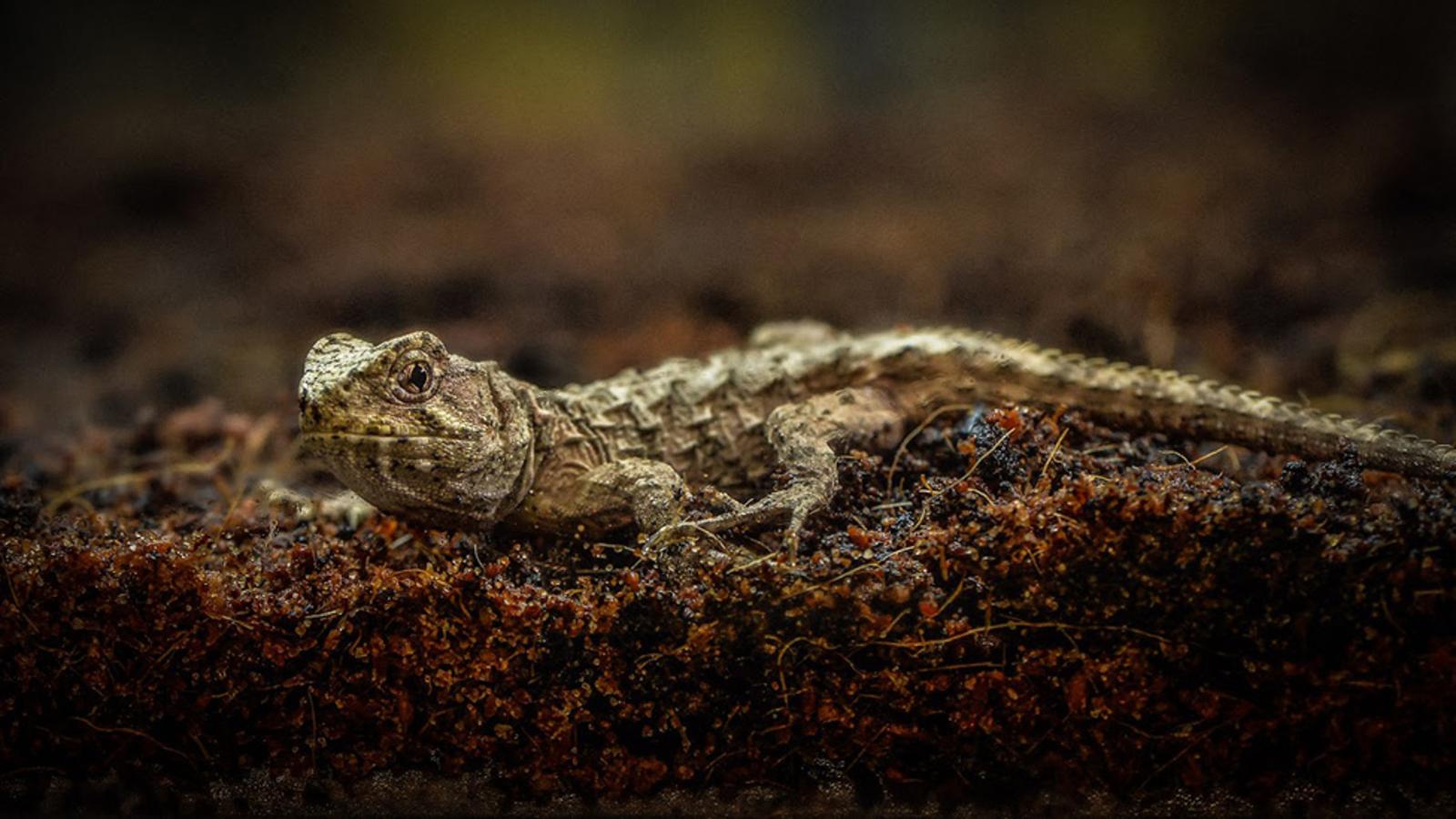
The first tuatara hatchling has been born outside of its native New Zealand. photo: Chester Zoo

The first tuatara hatchling has been born outside of its native New Zealand. PHOTO: Chester Zoo

Discoveries excite us, an event that defies all odds even more so. Like the hatching of this tuatara outside its native of New Zealand.

After decades of work by a dedicated team at Chester Zoo in England, the first tuatara hatchling has been born outside of its native New Zealand.

“Breeding tuatara is an incredible achievement,” says Isolde McGeorge, the zoo’s tuatara keeper since 1977. “They are notoriously difficult to breed and it’s probably fair to say that I know that better than most as it has taken me 38 years to get here.”

Continue reading

Let’s Fill Up on Some Brewtroleum

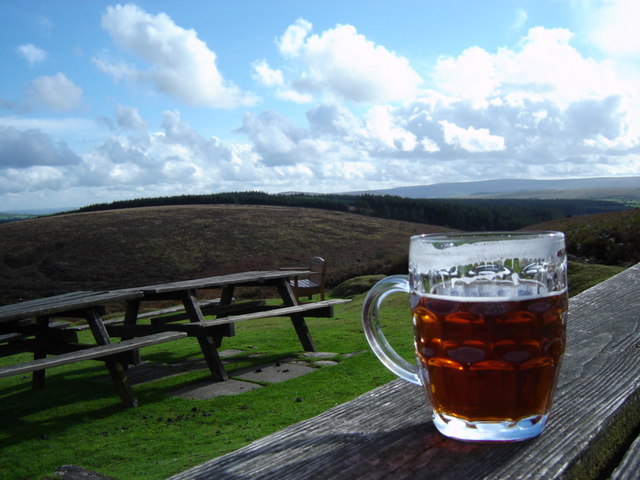
New Zealanders can now run their cars on the same fuel they run themselves on—beer. Brewtroleum is a new biofuel which mixes beer by-products with regular gasoline to power the nation's cars. PHOTO: Wikimedia Commons

New Zealanders can now run their cars on the same fuel they run themselves on—beer. Brewtroleum is a new biofuel which mixes beer by-products with regular gasoline to power cars. PHOTO: Wikimedia Commons

Generally, beer and moving cars don’t work well together. Remember the warnings against drinking and driving? But in a few places, companies are recycling the detritus of the beermaking process into a clean gasoline additive that allows cars to navigate without using as much of the precious fossil fuel.The latest venture comes from New Zealand where for a short time, motorists can fill up their cars with beer. Well, almost beer.

Continue reading

Meet the Godwit in North Korea

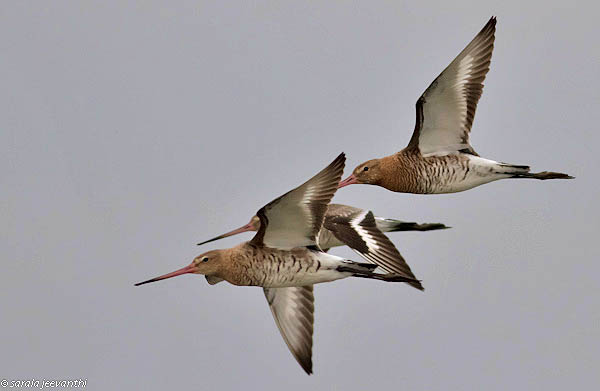
A godwit made international headlines in 2007 when she was confirmed to have flown for seven days and nights without stopping to a feeding ground in China. That was the longest nonstop flight by a land bird ever recorded. PHOTO: Wikimedia Commons

A godwit made international headlines in 2007 when she was confirmed to have flown for seven days and nights without stopping to a feeding ground in China. That was the longest nonstop flight by a land bird ever recorded. 

To the untrained eye, it’s just a lot of birds on an otherwise deserted stretch of muddy, flat coastline. But for ornithologists, North Korea’s west coast is a little piece of paradise each spring — and both the birds and a dedicated group of birdwatchers travel a long way to get there. The birds being watched aren’t exactly household names — bar-tailed godwits (Limosa Iapponica), great knots (Calidris Tenuirostris) and dunlins (Calidris Alpina).

Continue reading