A Backyard Solution to Oil Spills

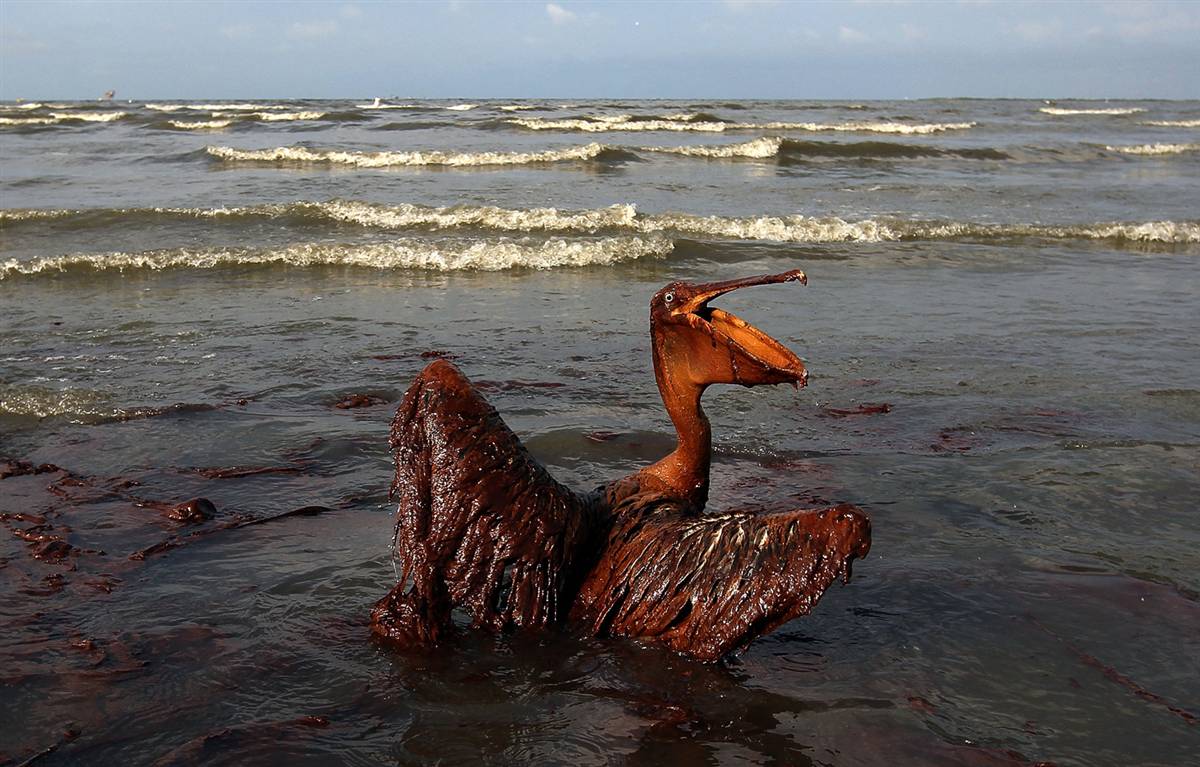
Waste like human hair, sawdust and bird feathers can clean oil spills from water. PHOTO:  Nation of Change

Waste like human hair, sawdust and bird feathers can clean oil spills from water. PHOTO: Nation of Change

Biosorption is a property of certain types of inactive, dead, microbial biomass to bind and concentrate heavy metals from even very dilute aqueous solutions. And Nikhilesh Das discovered just this, at the age of 13, demonstrating reuse and effective waste management. Scalable models of these and we may just have a potent option to deal with oil spills that destroy marine ecosystems for years together.

Continue reading

Green Talk on the High Seas

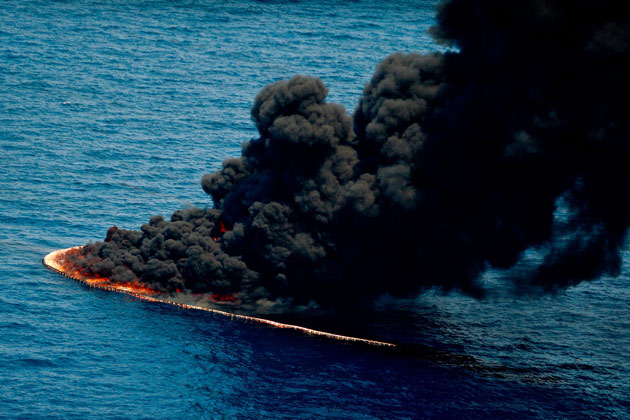
Phytol-based herders aren’t a universal remedy for oil spills, but in certain scenarios they could become the go-to mitigation strategy. PHOTO: Bloomberg

In May, an oil pipeline in Santa Barbara County burst, pouring some 21,000 gallons of oil into the Pacific Ocean. Despite clean-up crews’ efforts to contain it, the oil slick stretched along the coast for miles, serving as a glaring reminder that spill mitigation strategies are still lacking. When oil tankers crash and inevitably spill oil into the open seas, a go-to clean-up method is corralling the rapidly spreading oil and burning it. But in some places, like the ice-strewn Arctic ocean, physically corralling that oil with boats and boons is practically impossible. But here’s a plant-based, eco-friendly molecule that could be used to clean up the inevitable spills of the future.

Continue reading

Let’s Take a Look at the Ocean

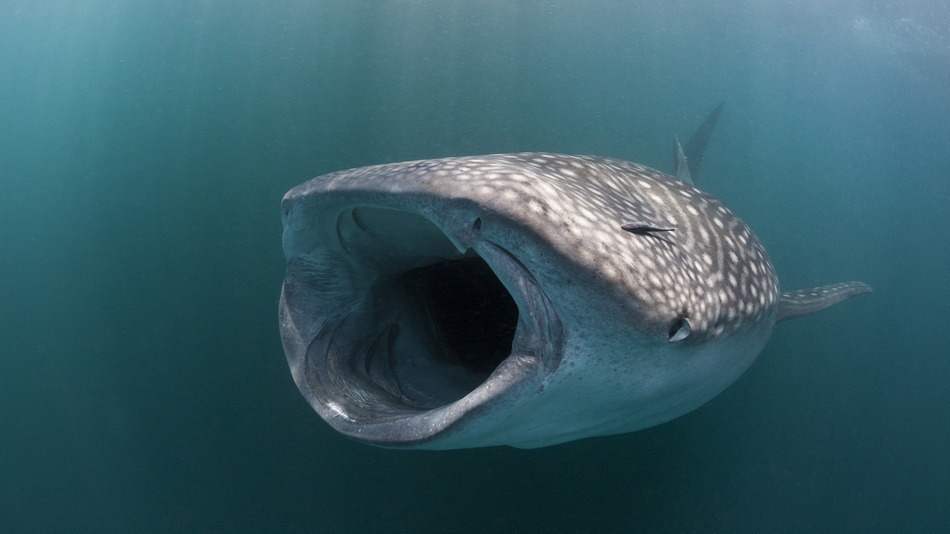
Feeding Whale Shark, in Triton Bay, West Papua, Indonesia. PHOTO: REINHARD DIRSCHERL/CORBIS

Feeding Whale Shark, in Triton Bay, West Papua, Indonesia. PHOTO: REINHARD DIRSCHERL/CORBIS

Be it the flash floods in Texas or a heat wave in India that has killed over 2,000 people to date, the signs of global warming and the consequent extremes are telling on land. The sea has not been spared either –  the acceleration of global sea level change from the end of the 20th century through the last two decades has been significantly swifter than scientists thought. And a closer look at the oceans reveal that by the end of the century, the polar regions may have some of the most abundant sea life on the planet. The tropics, which are currently the crown jewel of marine species richness, may be drained of much of its iconic marine life, opines a recent study published in the journal Nature Climate Change. 

If warming is held at the 2-degree target, the changes that will occur throughout the global ocean “will be relatively benign for the ecosystem.”The tropical regions would see a net loss in biodiversity with average global warming of 2 degrees Celsius, while polar areas could see a 300% increase in biodiversity as species seek out more hospitable areas.

Continue reading

Embracing Surfing

Photo Credit: Surfingindia.net

Oftentimes I find myself daydreaming of the saltwater breeze that accompanies the rolling bass of the heavy waves in the ocean — and I imagine those perfect waves… blue, crisp, clean and glassy, and the hollowest of tubes; peeling along the coastline in an epic demonstration of nature’s power.  This is a common dream for those who understand the absolutely humbling experience of surfing; it is a burning desire and need to envelope one’s self in the soothing serenity of the water.

Continue reading

The Black Sea Nettle (Chrysaora achlyos)

Continuing my exhibition of exotic animals, I present a prime example of the bizarre and awe-inspiring ability for the ocean to produce truly alien creatures.  The Black Sea Nettle (Chrysaora achlyos), otherwise known as the Sarlacc or Black Jellyfish is found in the Pacific Ocean. A fairly massive specimen, its bell can reach diameters of 1 meter in length and its tentacles 6 meters. Displaying a vividly contrasting maroon hue against the ocean’s blue/green backdrop, Chrysaora achlyos preys upon zooplankton, and are often found en masse during red tide phenomenons in which zooplankton are responsible. Continue reading

From West to East: A Road Trip Journal (Part 2)

Carl on McClures Beach

This is the second in a series of posts on a summer trip; see the first here.

In the afternoon we were off, driving up the west coast without any real plans; we knew we wanted to be in Seattle in four or five days, but that intervening time period was ours to spend as we wished. From a quick glance at the map, we thought that Point Reyes, a national coastline a few hours north of the bay area, Continue reading

Scraping Hell’s Attic

The Sulphur-Bottom Whale

The sulphur-bottom whale is the largest mammal on (or under) the earth’s surface; many speculate that it might be the largest animal ever to have inhabited our terraqueous globe. These immense creatures can typically grow to between eighty and a hundred feet long, with the largest specimens caught suggesting that the whales might exceed one hundred and ten feet in length! The weight of the sulphur-bottom whale is commensurate with its size: they can weigh between one hundred and one hundred and fifty tons. For comparison, the largest elephant ever recorded weighed a mere twelve tons. If the sulphur-bottom whale rolled over in its sleep Continue reading