The Travancore Royal Palace is one of the most beautiful and largest palaces of the Travancore Royal family. It is the official residence of the royal family, and was built in 1915 by Sree Moolam Thirunal. This palace has great historical importance in India and is one of the finest examples of Kerala architecture. Continue reading
palace
Kanakakunnu Palace – Trivandrum
Kanakakunnu Palace was built during the reign of Sree Moolam Tirunal (1885-1924), one of the most popular ruler’s of Travancore state. Situated near the Napier Museum, it was mainly used for the Royal family guest entertainments. Continue reading
Hill Palace – Kochi
The Hill Palace, built in a blend of Dutch and traditional Keralan architectural styles, was built in the year 1865 and spreads over 20,000 square feet in forty-nine buildings. Once the official residence of the maharaja of Cochin, today Hill Palace is one of Kerala’s largest archaeological museums. Continue reading
Thirumali Nayak Palace – Madurai, Tamil Nadu
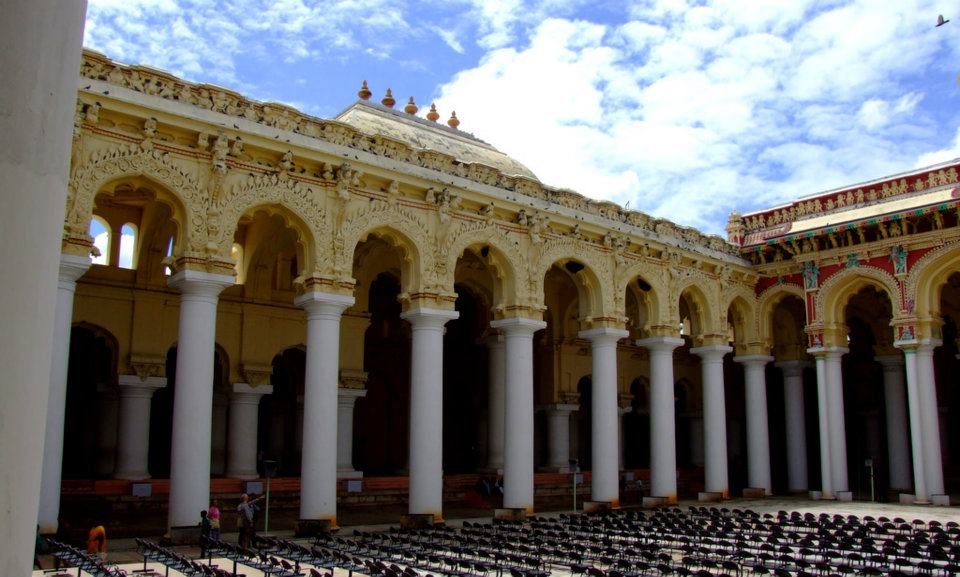
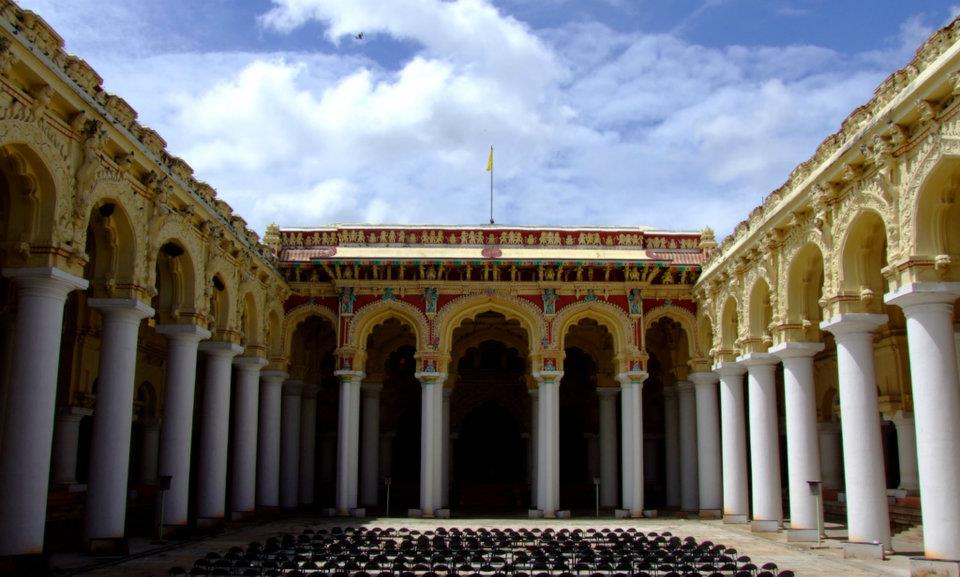
Thirumalai Nayak Palace was built in the year 1636 by king Thirumalai Nayak, designed by an Italian architect. The courtyard in this palace is 3900 sq meters and is surrounded by massive pillars. The courtyard was mainly used for daily dance and music programmes. Continue reading
Padmanabhapuram Palace – Trivandram
Padmanabhapuram Palace was the capital seat of the Travancore State until 1792, when it was shifted to Trivandrum. This magnificent home of the Travancore rulers was not a single unit, but a complex of 14 palaces spread across six and a half acres. Continue reading
Krishnapuram Palace – Alappuzha, Kerala
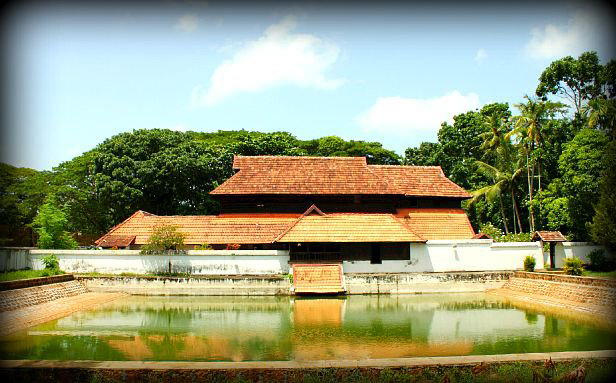
Krishnapuram Palace is located in Kayamkulam, in the Alappuzha district of Kerala. The palace was built in the traditional Kerala style of architecture during the 18th century by King Anizham Thirunal Marthanda Varma. Continue reading
Thirumalai Nayak Palace – Madurai, Tamil Nadu
Thirumalai Nayak Palace was built by Thirumalai Nayak, one of the greatest of the Nayakkar Kings of Madurai, with the help of an Italian architect in 1636. The palace is a classic example of the Indo-Saracenic style of architecture. The main palace has a rectangular courtyard flanked by tall arcades each with their own distinct carvings.
Hill Palace Museum – Tripunithura
Now the largest archaelogical museum in Kerala, the Hill Palace was the official residence of the Kochi Royal family. The 20,000 sq ft palace was built in 1865 in the traditional architectural style of of the state, and includes beautifully landscaped gardens, a deer park and facilities for horse riding. Continue reading
Tipu Sulthan’s Summer Palace, Mysore
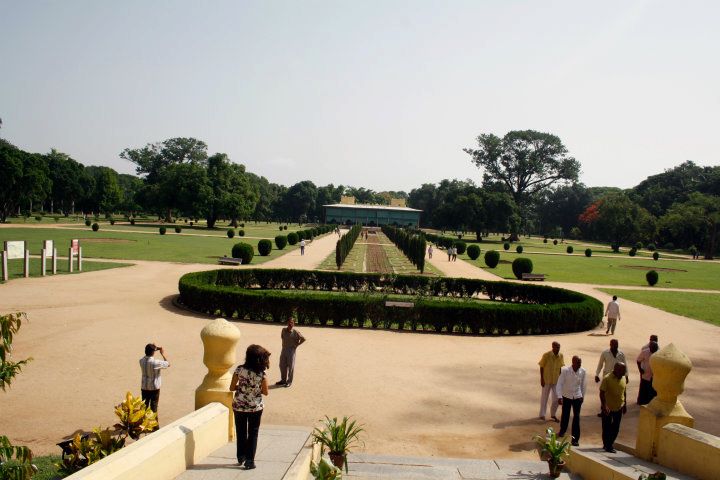
Known as the “Tiger of Mysore”, Tipu Sulthan was the ruler of the Mysore Kingdom from 1782 to 1799. The construction of the summer residence was started by his father Hyder Ali. Built with French rosewood and adorned with pillars, this beautiful palace is surrounded by ornamental trees and a beautiful garden.
Continue reading
Kuthira Malika, Trivandrum
The Kuthira Malika is a beautiful Kerala style, two story, 80 room palace with open verandas. Built by the Maharaja Swathi Thirunal in 1844, the name Kuthira Malika, which means Horse Palace, was chosen based on the many wooden horse figures carved along the entire length of the exterior lintel of the upper floors. The Palace has now been converted into a museum that houses very interesting and rare artifacts and paintings belonging to the previous Travancore Kings. Continue reading
Bolgatty Palace – Kochi
The Bolgatty Palace was built in 1744 by the Dutch and later taken over by the British. Today it is a hotel run by the Kerala Tourism Board. The palace is located on Bolgatty Island, one of the islands that form part of the city of Kochi. It is a two-storied building with well-laid verandas on both sides facing the seas. Set amidst lush, tropical greenery, this Dutch heritage building has the added advantage of a spectacular view of the backwaters.
Continue reading
Mysore Palace
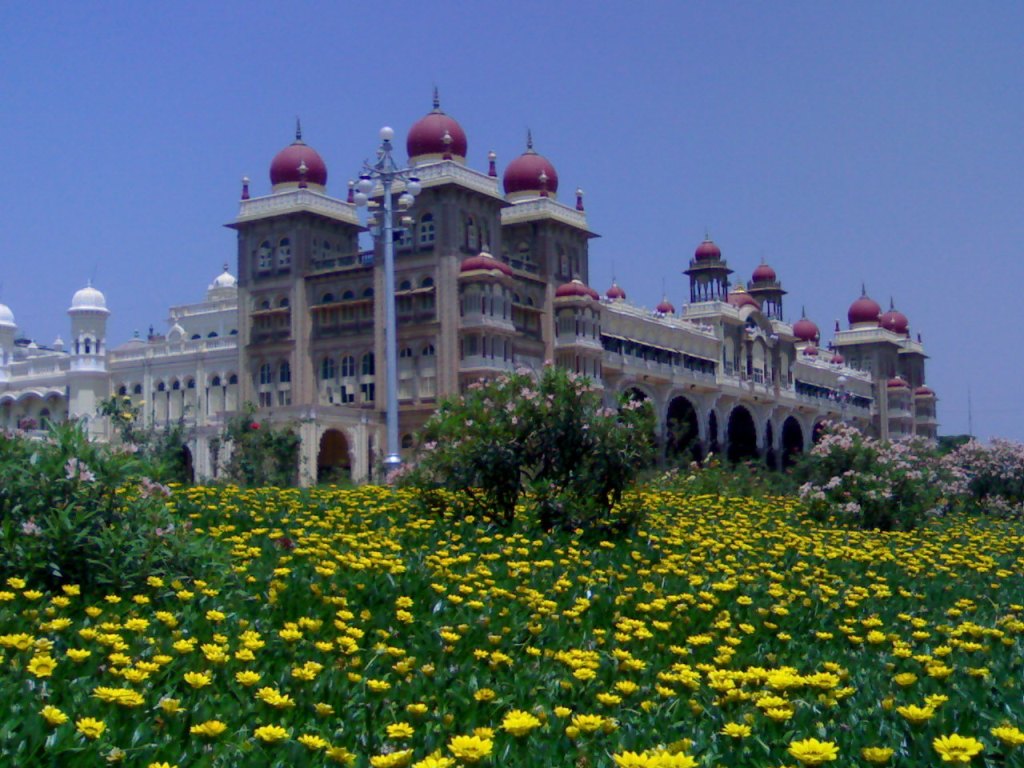
Located in the heart of Mysore City, Mysore Palace is one of the biggest and most spectacular palaces in the country. The original palace was built by the Wodeyar Kings during 14th century. The wooden structure was demolished and reconstructed many times over the centuries. The current palace, commissioned in 1897, is built in the Indo-Saracenic style, blended with Hindu, Muslim, Rajput and Gothic styles of architecture with stained glass, chandeliers and elaborate grill work imported from all around Europe.