Dance and Textiles – A Connection

dance

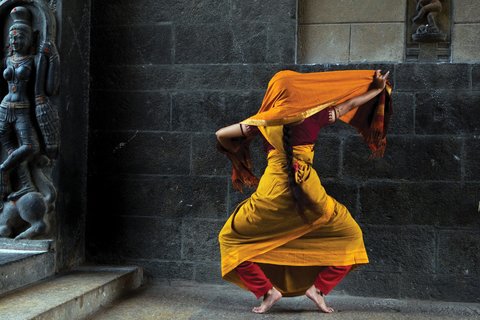
It was mandatory in my family culture that young girls learn dance and music, the traditional dances like Bharathnatyam, Mohiniyattam and Kathakali, as well as Carnatic music. And I was inducted into a well known school of art to learn them.

The theory part included learning about the various dance formats, stories, and most importantly the costume. Continue reading
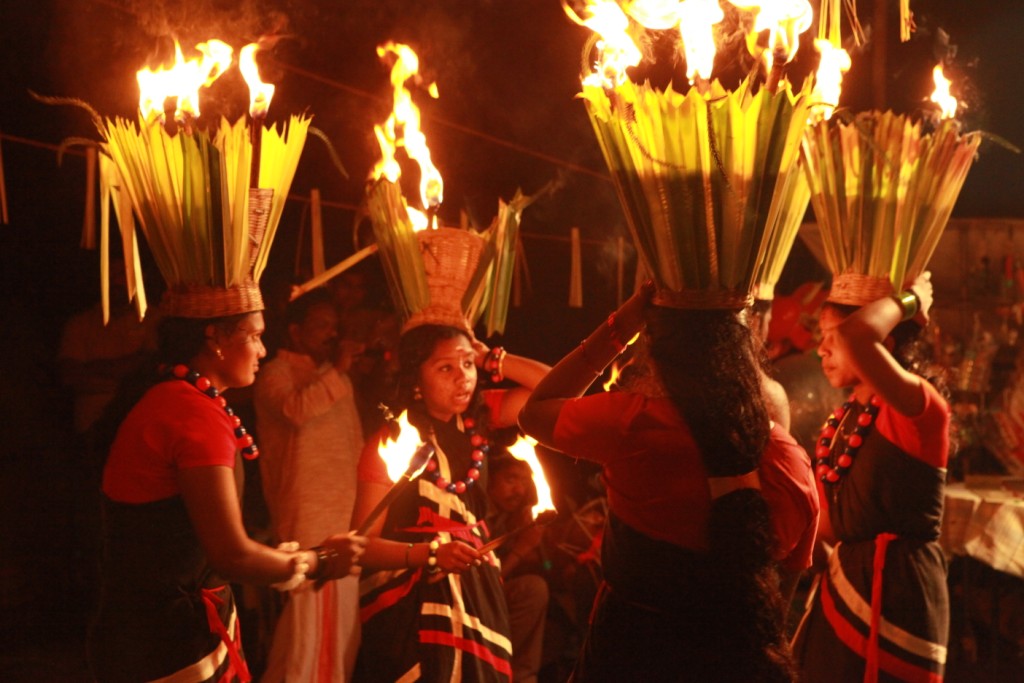
Best of Salim E.I.: The Harvest Dance

In India Kerala is famous for its Tribal folk dances. There are more than fifty well-known popular folk dances in the state which are mostly performed for religious influences, during harvesting, sowing of seeds, festivals etc. Tribal dances are often accompanied by songs & instruments.

Continue reading

Mohiniyattam – Classical Dance of Kerala

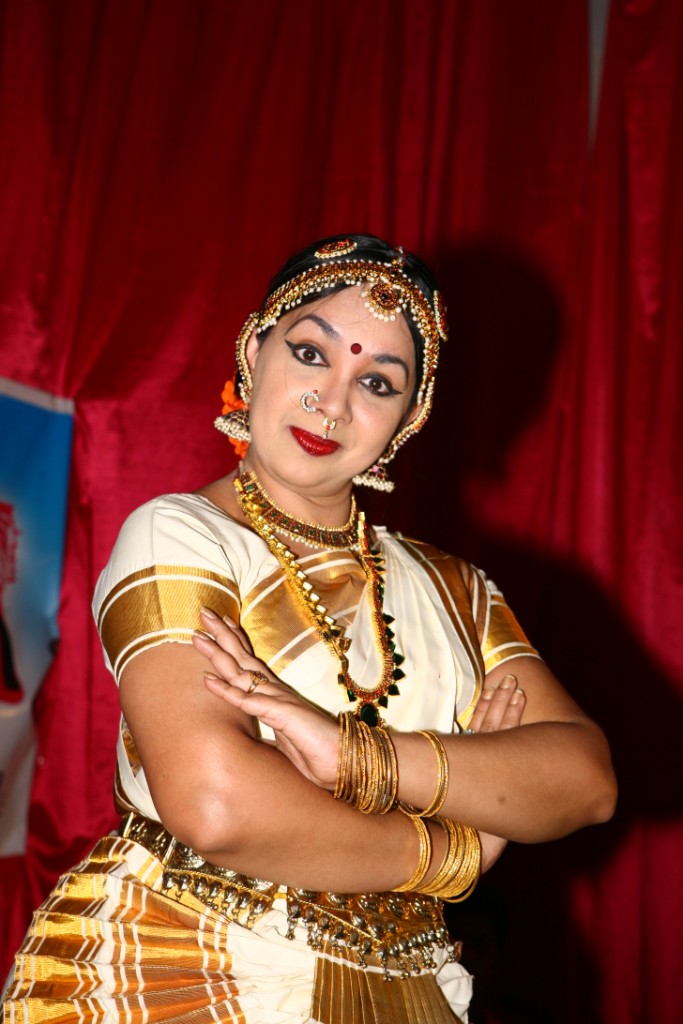
Mohiniyattam is a classical dance form which is believed to have originated in Kerala. Mohiniyattam is a fusion of Bharthanatyam with the dynamism and vigour of Kathakali. This dance performed solely by women was once only seen in Temples and Royal Courts.

Continue reading

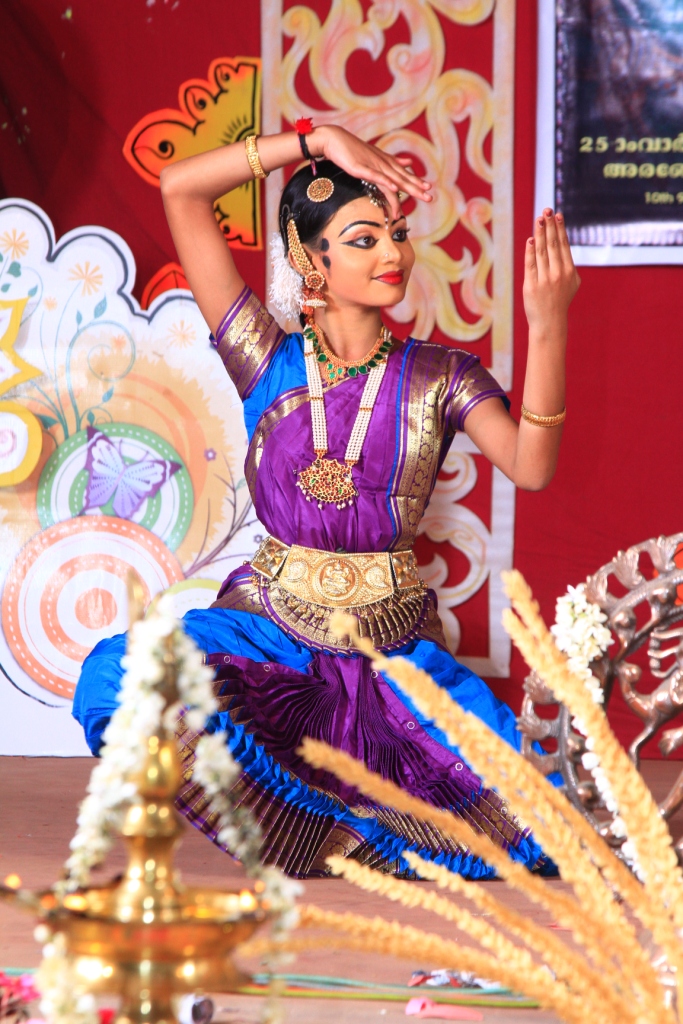
Bharatanatyam

Bharatanatyam originated around 2000 years ago, making it one of the most ancient of all Indian Classical Dances. It is performed along with south Indian vocal songs and with instruments like violin, flute, Mridangam (drums) etc. In the ancient times it was only performed in the temples and courts of South India.

Continue reading

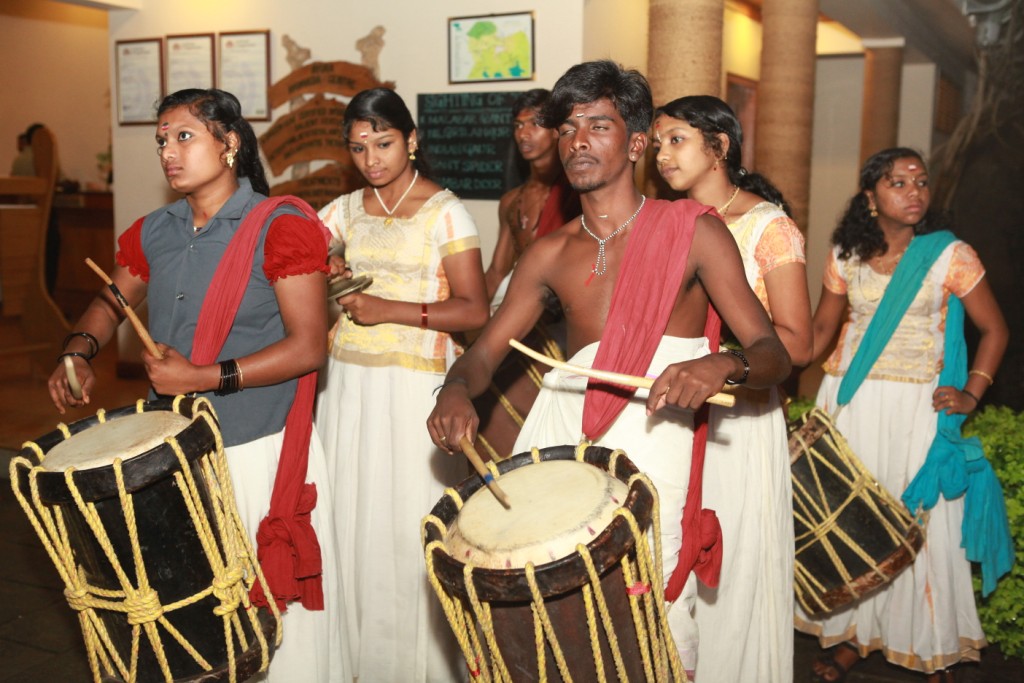
The Chenda melam- Traditional band of Kerala

The Chenda melam is the most widely performed keshtra vadhyas (songs or programmes based on temples festivals) of south India. Irrespective of cast or religion, the melam have been an important part of every Kerala festival for over 300 years old. The most important among these melams are Pandy and Panchari, which may extend up to 5 hours. The leading instrument in these compositions is the Chenda, a cylindrical drum that originated in Kerala. The Chenda is divided into Valamthala Chenda & Edamthala Chenda (right & left side of the instrument) or also known as “Veekam Chenda” & “Uruttu Chenda”.

Continue reading

Pulikkali – The Tiger Dance

Photo:- Joshi Manjummel

The Tiger Dance is an art form of Kerala in which painted men imitate a tiger and its action. Pulikali is said to have originated in the 18th century when the soldiers belonging to the army of Sakthan Thamburan, who was the King of Cochin, first performed it.
Continue reading

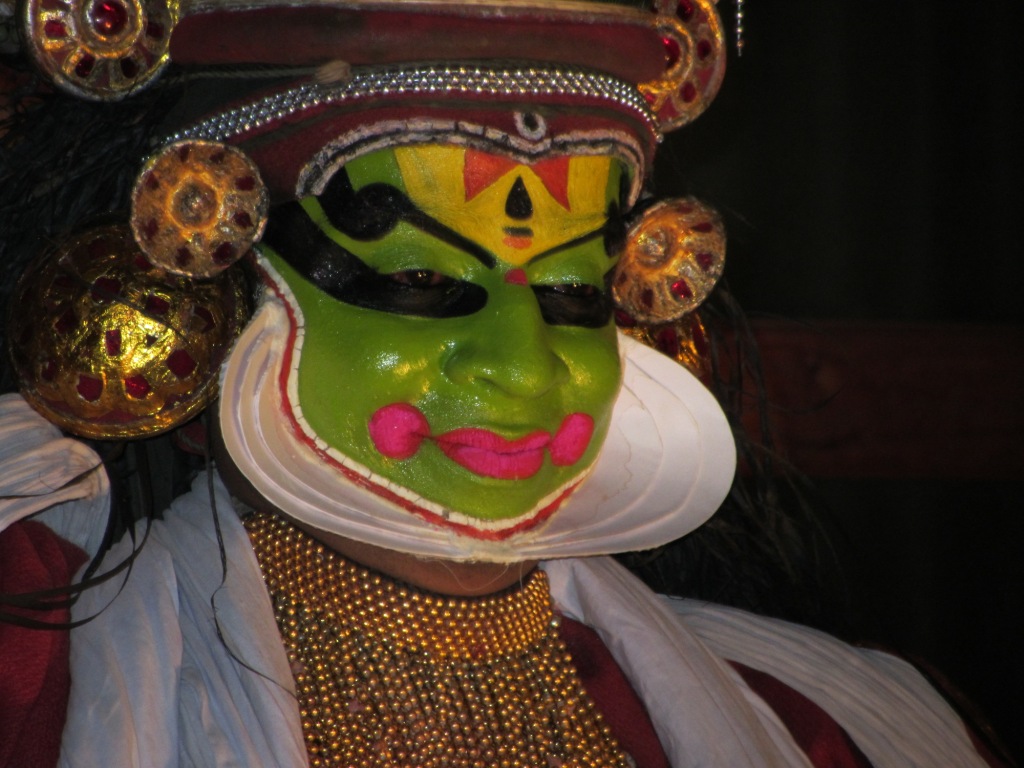
Kathakali

It’s said that about 70% of communication is nonverbal. However in the case of Kathakali, which has its own stylized language of dramatic movements, stories – epic classics even – can be 100% told without uttering a single word. Next door to the Kalari Centre where Sung and I witnessed the impressive show of Kalari Payattu, is the Mudra Centre for Kathakali: yet another cultural spectacle that originated in the southern Indian state of Kerala. Continue reading