Perfume & Museum

General view of the International Perfume Museum’s gardens in Grasse. “The same rose or the same jasmine grown in Egypt or Morocco, it will be different from the rose grown in Grasse,” head gardener Christophe Meze says. “It’s like wine, you can have the same type of grape, but you won’t have the same wine because of the sun, because of the soil, because of the terroir.” Bénédicte Desrus for NPR

Perfume appeared early in our pages mostly due to their botanical intrigue–but has only been an occasional topic since then. This story of how the perfume trade developed (if the topic is of greater interest see Chandler Burr’s The Emperor of Scent) in Grasse is a fine fit with our interest in unusual museums and the intersection of farming and innovation:

In France’s Perfume Capital Of The World, There’s A World Of Beautiful Fragrance

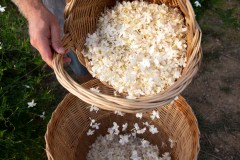
Perfume flower grower Pierre Chiarla picks jasmine flowers in his field in Grasse, France. Bénédicte Desrus for NPR

GRASSE, France — The town of Grasse sits in the hills above the more famous French Riviera city of Cannes, and it doesn’t have the Mediterranean Sea at its doorstep. What it does have is fields of flowers — jasmine, May rose, tuberose, lavender. It is known as the perfume capital of the world.

It wasn’t always this way. Back in the 18th and 19th centuries, the industry took off in Grasse in part because this was an absolutely putrid-smelling town. Continue reading
Rain Scents

Vivek Prakash/Reuters

Vivek Prakash/Reuters

Smell is one of the most evocative of the five senses, allowing us to relive memories that span our entire lives. Scents from the kitchen make our mouths water. Scents from nature make us long to be outdoors. Considering that on average our bodies consist of 60% water, it isn’t surprising that we’re so attuned to the range of smells associated with H2O.

Many of the RAXA Collective team long for the refreshing monsoon rains in Kerala, never imagining that exhilaration could be captured in a bottle.

Once again we thank The Guardian for this intoxicating story.

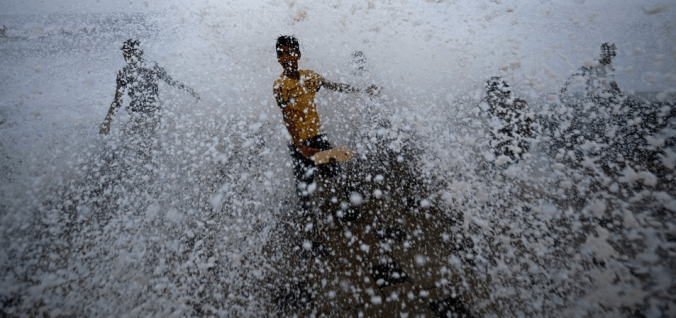
Every storm blows in on a scent, or leaves one behind. The metallic zing that can fill the air before a summer thunderstorm is from ozone, a molecule formed from the interaction of electrical discharges—in this case from lightning—with oxygen molecules. Likewise, the familiar, musty odor that rises from streets and storm ponds during a deluge comes from a compound called geosmin. A byproduct of bacteria, geosmin is what gives beets their earthy flavor. Rain also picks up odors from the molecules it meets. So its essence can come off as differently as all the flowers on all the continents—rose-obvious, barely there like a carnation, fleeting as a whiff of orange blossom as your car speeds past the grove. It depends on the type of storm, the part of the world where it falls, and the subjective memory of the nose behind the sniff… Continue reading