Emergence

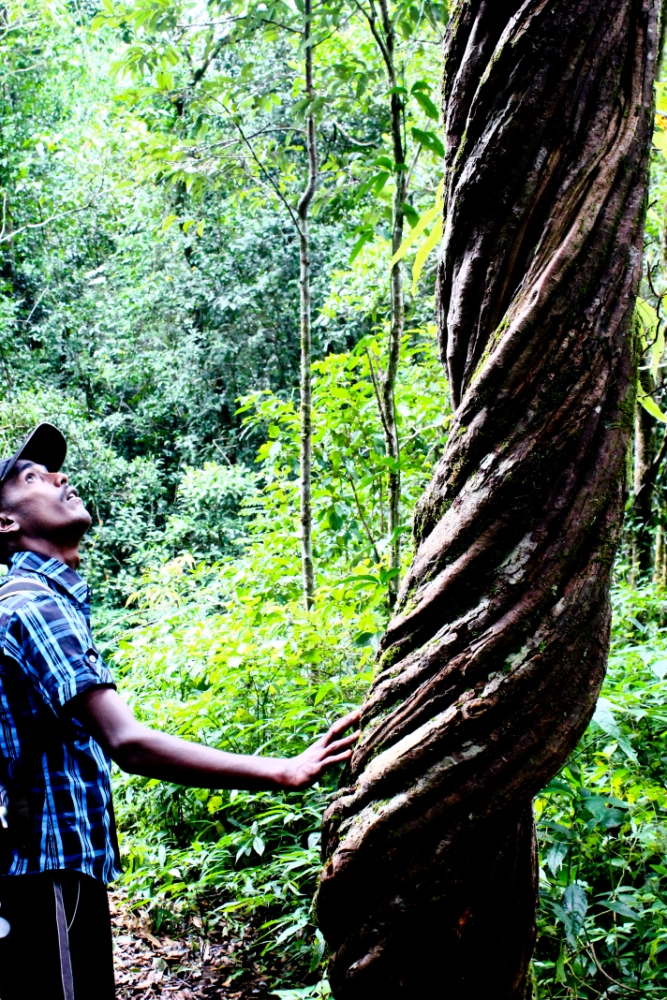
Rainforests have dense canopies. The plants in the undergrowth struggle to survive using the limited sunlight that reaches the lower levels of the jungle, and many plants don’t make it. When the weak plants die, their lifeforce nourishes the survivors. It has been this way for millions of years, and walking through the forest, the evidence crunches and crackles underfoot, or in more moist areas, decomposes rapidly into a soft, nutritious humus. Easing oneself out of the forest and into a clearing can be soothing – only upon emerging into the vivid sunlight and open air does one realize how resonant the forest can be. Continue reading
Sand Scripture

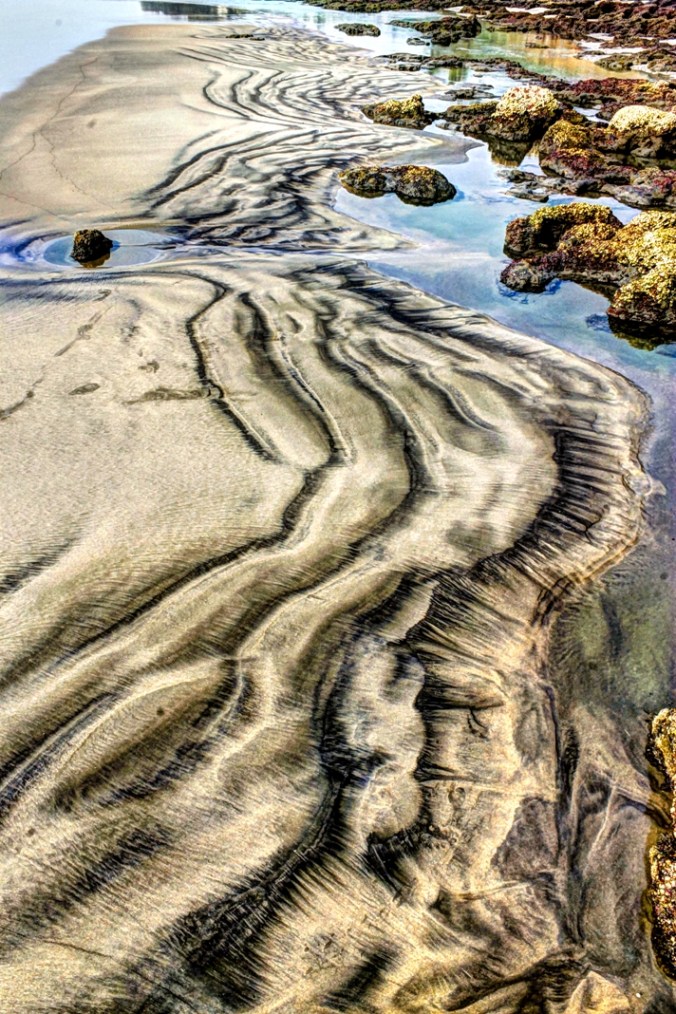
Not to be confused with sand sculpture, sand scripture is the graceful story a million grains of sand tell of the passing of time. Sand isn’t only found on the beach – riverbanks, empty fields, and desert dunes host the legion grains, akin in countlessness to the untold billions of stars in the universe.  The ocean’s tides tell stories, however, with the pliable mass of silica as the medium.

Continue reading

Kerala’s Caterpillars

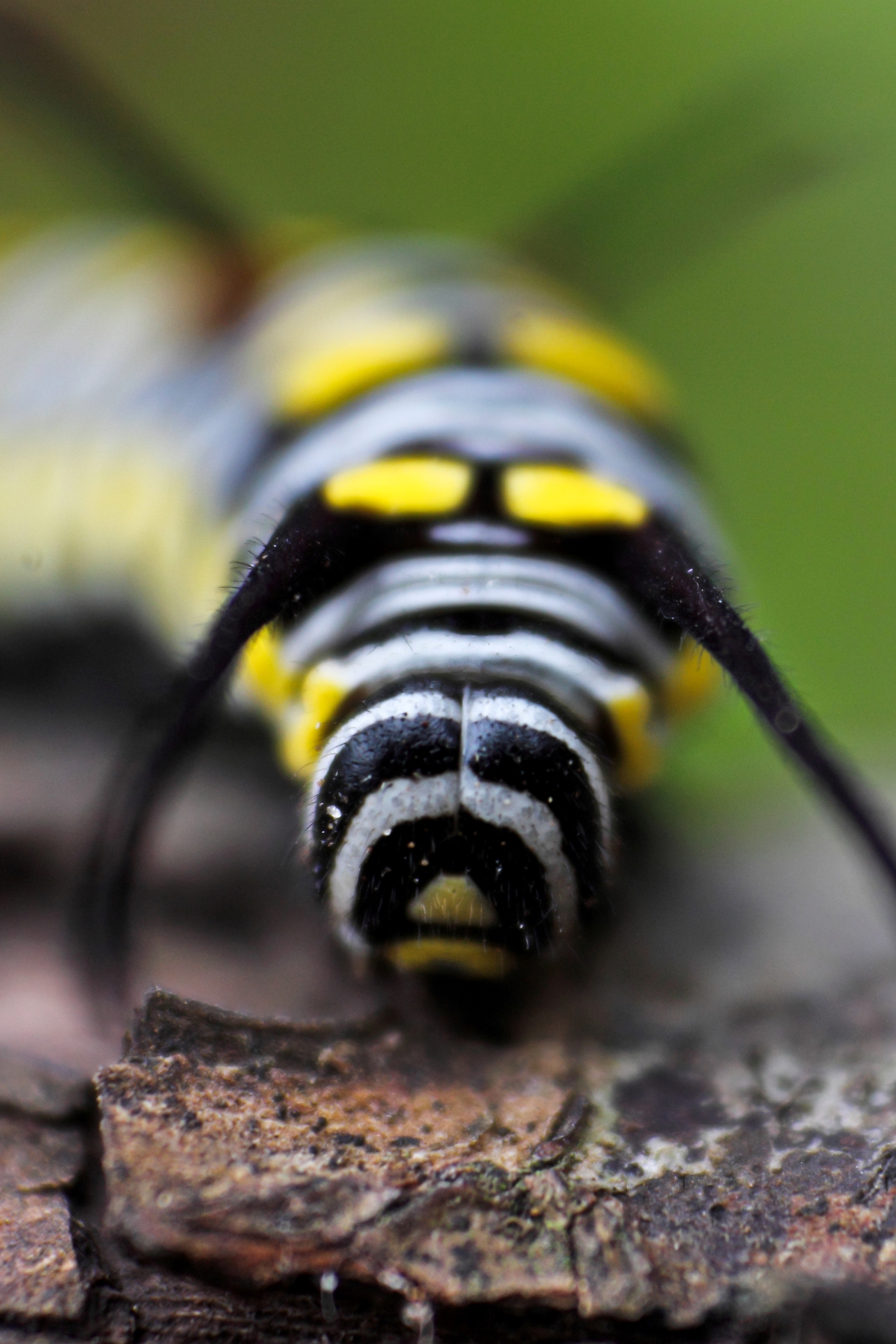
More than once I have failed to successfully (by my standards) photograph a butterfly’s larva due to insufficiently sophisticated equipment. However, those days are coming to an end, inching forward step by baby step, in odd undulating motions eerily akin to a caterpillar’s rolling gait.

Continue reading

Clear-Winged Forest Glory

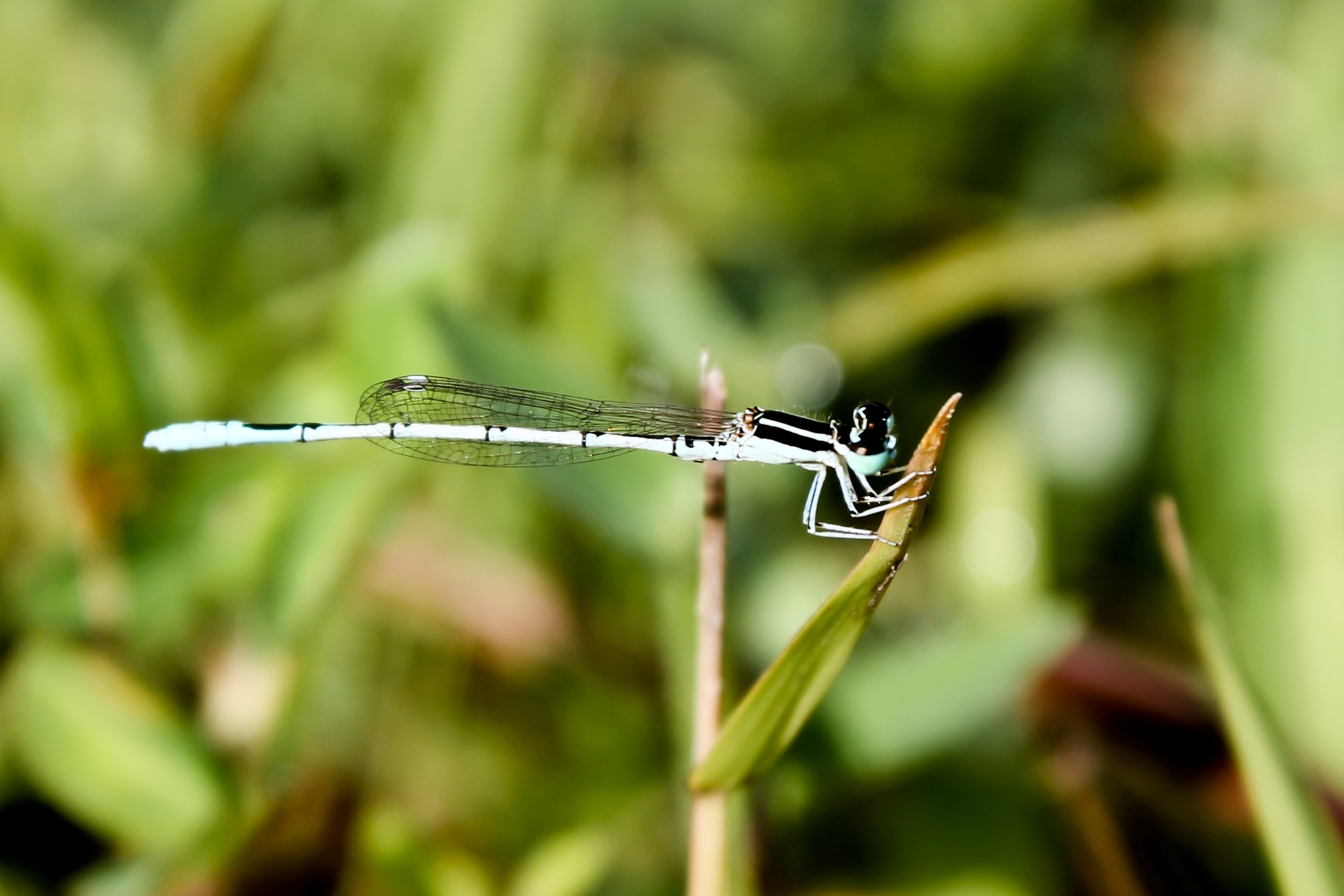
These are the first good shots I’ve gotten of any glories before. I have seen Stream Glories (Neurobasis chinensis) in Gavi, but they were far too shy to be able to photograph them. Walking through the forest the other day, however, a single Forest Glory (Vestalis gracilis) flew past me into the undergrowth. Careful not to lose sight, I followed it, only to discover a total of  five damselflies lounging about in the shade.  Continue reading

Keyhole To The Jungle

Another vertical panorama, the Keyhole is a more artistic than depictive, unlike most of my photographs. I was struggling to get the shots I wanted to use in the picture (there were about 10) because of the lighting differences between the rocks on the bottom, the undergrowth in the lower third, the canopy, and the skyline. Getting an even light level in all the shots was complicated, requiring checking each shot and retaking them multiple times to ensure accuracy. After over 20 minutes I finally felt satisfied, and laboring twice that long in the digital darkroom resulted in the following image Continue reading

Yellow Bush Dart

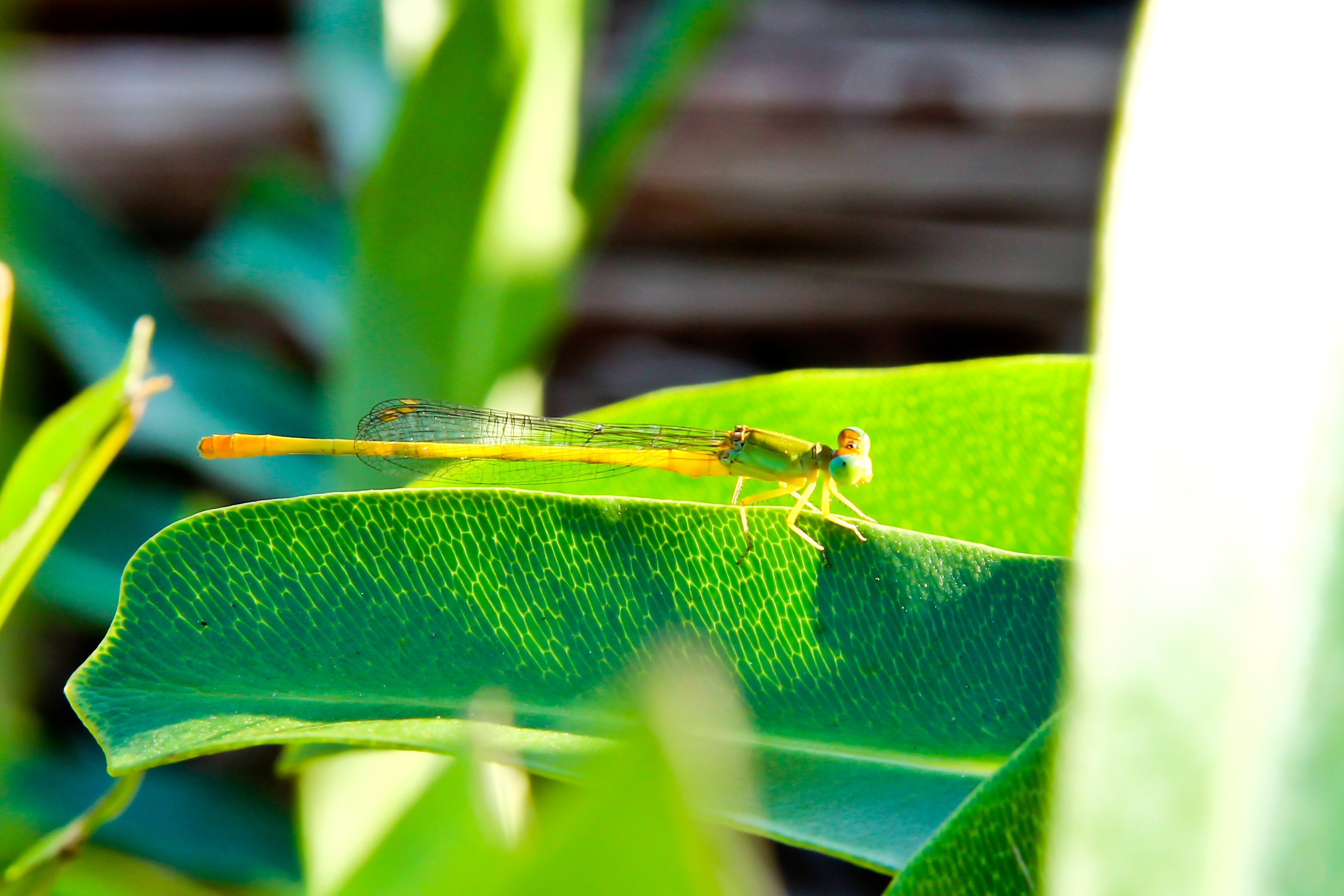
Yes, I used this picture in a previous post, but I feel it is worthy of a repost, especially when the female counterpart is included. If memory serves, this was one of, if not the first odonate picture I took with an SLR camera.  Continue reading

Granite Ghost

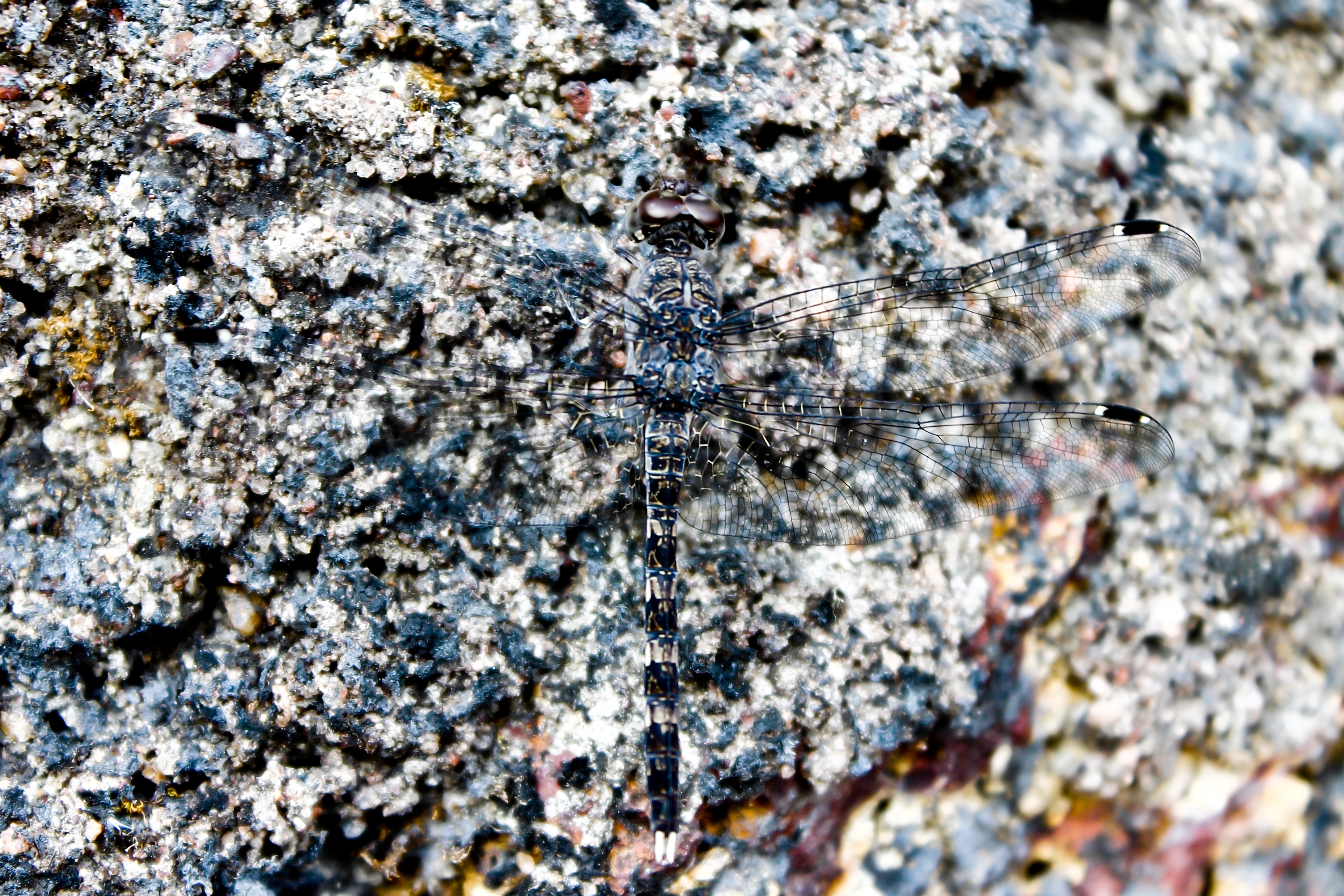
Bradinopyga geminata (male)

I’m still a student of Indian dragonflies (of the world, for that matter), but one species that has captivated me since I read about it is the Granite Ghost – Bradinopyga geminata. Typically an urban dweller, the species has adapted itself to city life – breeding in water tanks, feeder ponds, and all other pools of water that can be found in a metropolis. The species is so well suited to concrete jungles not only because of its extreme agility and keen hunting senses, but because of its remarkable ability to remain unseen. Continue reading

Rubytailed Hawklet

Another stark contrast between male and female specimens, Epithemis mariae is a small species of dragonfly found in and out of the Western Ghats. The female pictured above was sighted in the organic garden of Cardamom County, and the male pictured below  Continue reading

Pied Paddy Skimmer

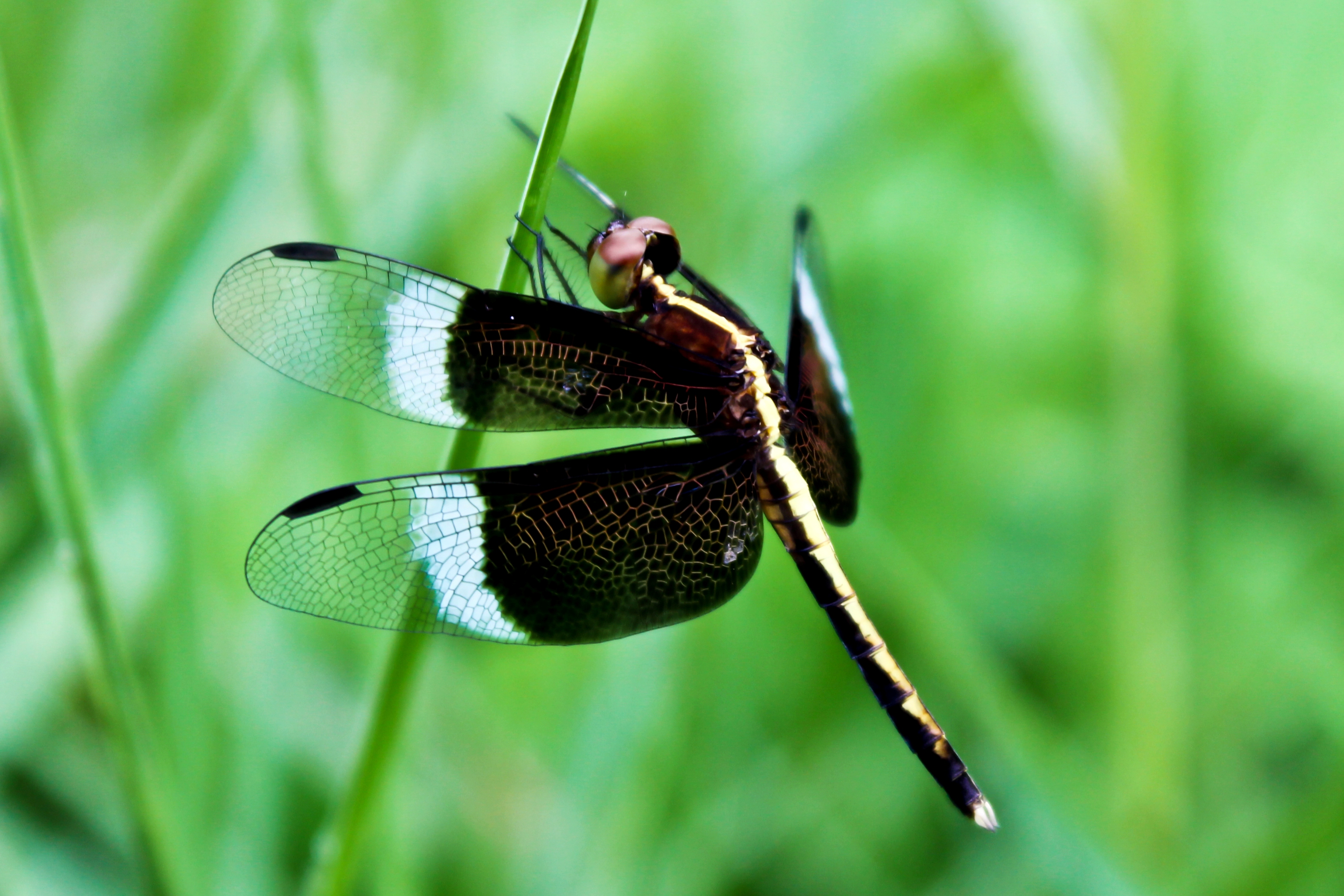
The Paddy Skimmer is one of the smaller species of dragonfly that can be seen in the Western Ghats. Measuring about an inch long, their flight range is very limited, although apparently their breeding capabilities are unhindered, as they are without a doubt one of the most numerous species to be seen in fields, both wild and cultivated. The teneral (young) male has a black and gold body, green and red eyes, and would be difficult to distinguish from the female if it weren’t for the differences in their wings – the male’s (both in youth and maturity) are about half black, with the other half equally divided between a white strip and a transparent tip. The female’s wings are more complicatedly patterned, although mainly transparent. Continue reading

Scarlet Skimmer

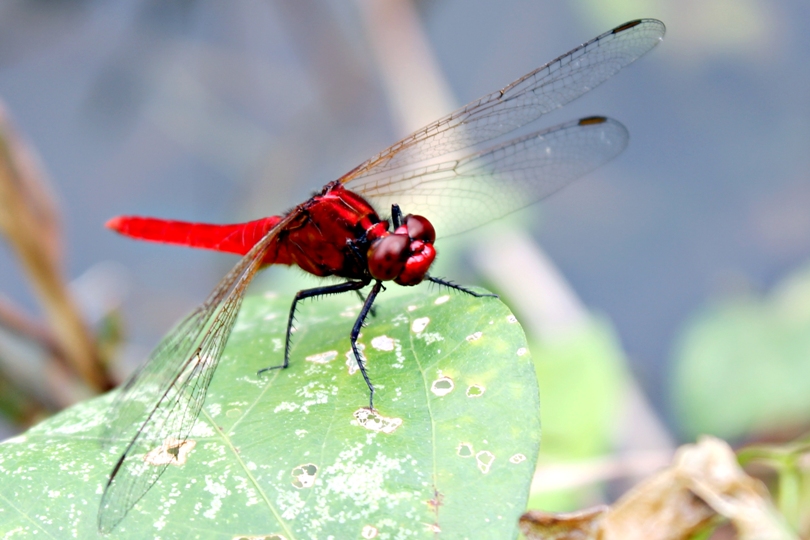
One of the fastest and most agile dragonflies I’ve seen, this red male was sighted on a riverbank in Alleppey, Kerala. Although not unusually large, this insect stands out due to its bright red body and head. Most of the red dragonflies I have seen (in the genus Orthetrum for the most part) have some combination of colors – azure eyes, black face, blue thorax and red abdomen (O. pruinosum); black eyes, red face, brown thorax and red abdomen (O. chrysis), etc.

Continue reading

Amphibians of Periyar

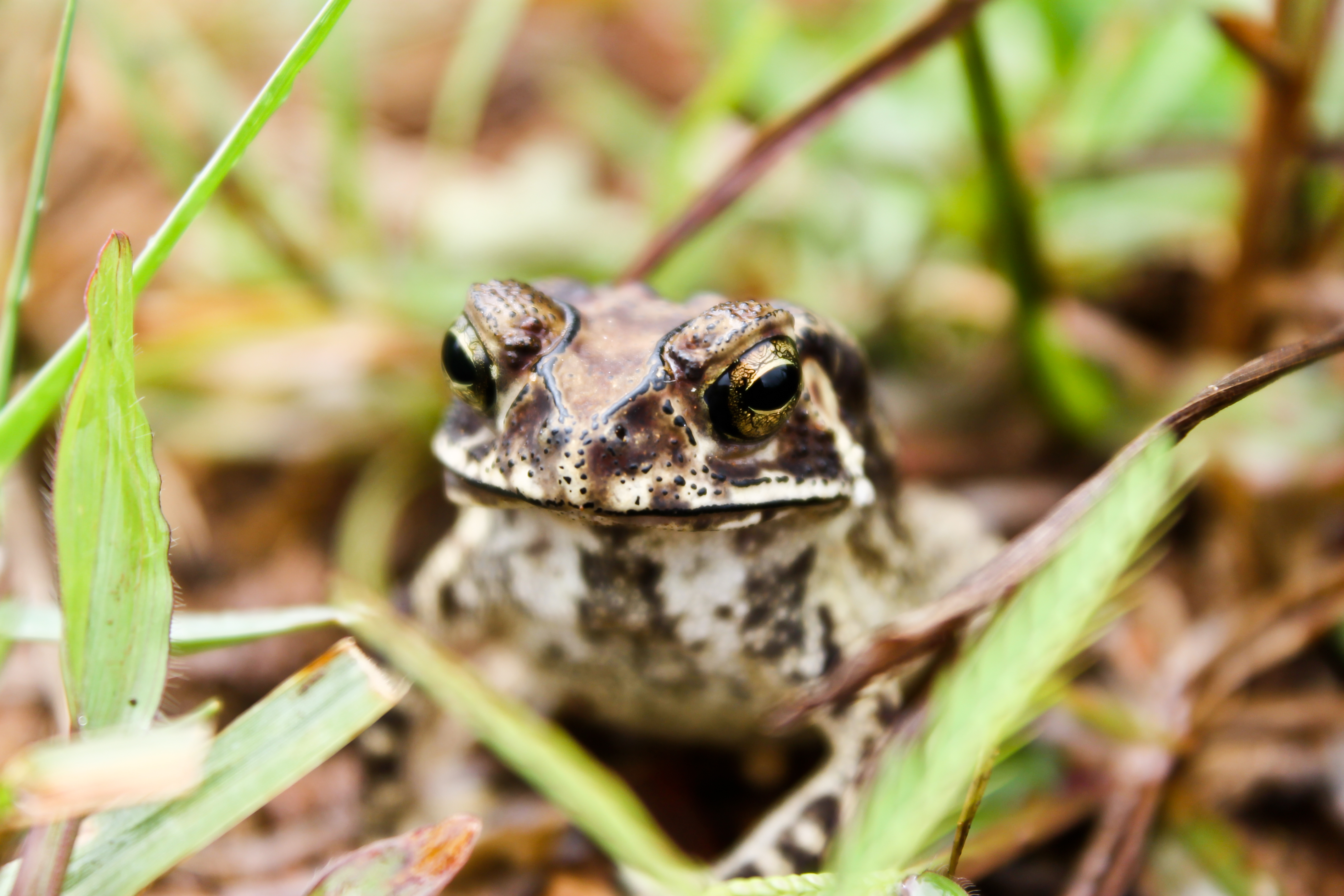
So far, my treks in the Periyar Tiger Reserve have yielded a generally consistent array of wildlife sightings. Insects and spiders are a constant, birds of some sort or other are common, boar and gaur are to be expected, deer are a pleasant (but not huge) surprise. Elephants are not uncommon to see, but don’t stand around modelling for pictures, and are usually sighted from a great distance. Tigers are out of the question to see, except for the extremely fortunate. Of course, this leaves out dozens of categories of creatures, and hundreds (possibly thousands) of species. Amphibians are a pretty constant sighting, mainly in the form of frogs and toads. To be honest, I don’t really know the difference, but I do have a definite ID on one species: the Common Indian Toad (Duttaphrynus melanostictus).

Continue reading

Eye of the Beholder

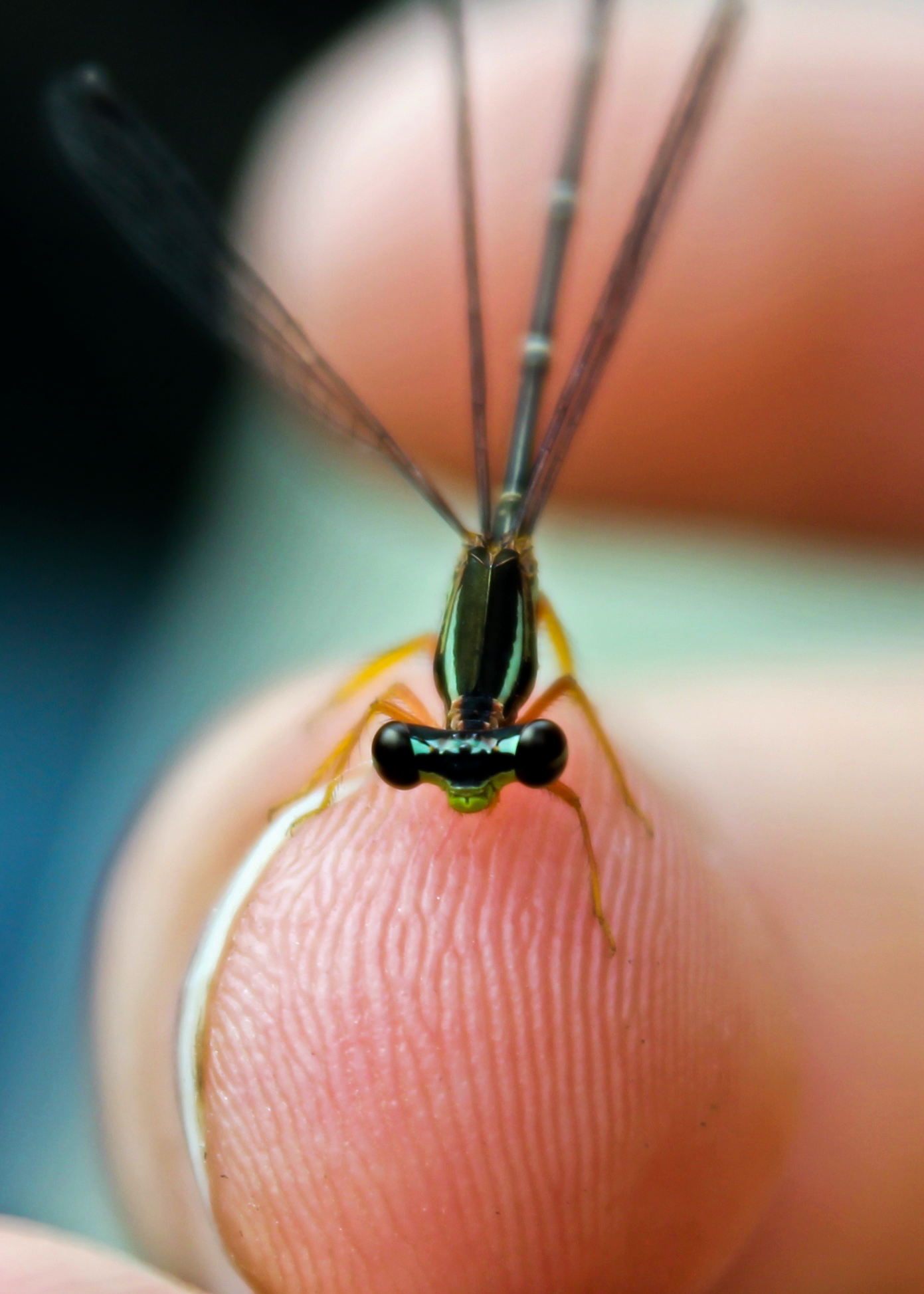
Being a macro photographer without a macro lens is complicated. There are plenty of corners that can be cut, and crutches to lean on, but in the end, the best way to get a high-quality macro image is using the right equipment. The trick I use most often is cropping – my 18-55mm lens can focus on relatively close subjects, although not nearly close enough to get the desired macro effect. If the focus falls upon the right points, the final image can be cropped, and the subject’s size increased without distortion. These three images are all created from the same one – the one on the left. To see the increased detail, click the picture for a full-size version.  Continue reading

What The Night Reveals

In my previous post, I talked briefly about the beauty of contrast between stationary backdrops and objects in motion, waterfalls being my focal point. Still without a tripod (an almost essential piece of equipment for this kind of photography), I have been putting myself and many props in uncomfortable positions to steady my camera as I aimed for enlightenment.

Continue reading

Urbanature

Yes, spotting wild elephants on a mountainside is exciting. Agreed, a field full of flowers that blooms once every dozen years is a heart-warming sight. But not everyone who loves and appreciates nature has the time or money to travel to places where such phenomena can be experienced. Many people who live in cities – myself included – complain about not being able to connect with nature the way they would if they weren’t urbanites. However, I recently had an eye-opening (or re-eye-opening, rather) experience in Chennai, a city proportionally larger and less vegetated than Cochin, where I live, which showed me that nature is never far away.  Continue reading

Blue Marsh Hawk

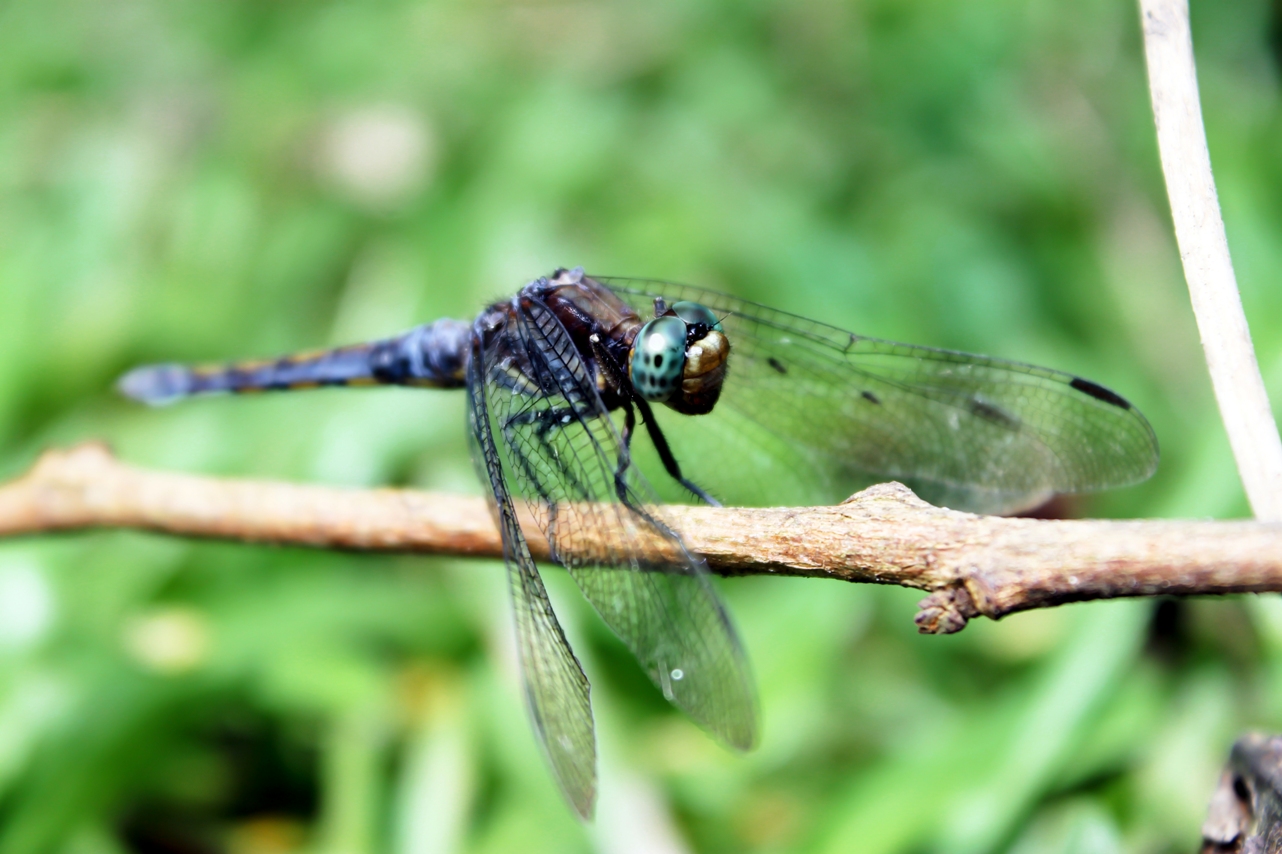
A female Blue Marsh Hawk (Orthetrum glaucum) photographed in the Periyar Tiger Reserve. In some species of dragonfly, the male and female are remarkably similar. Blue Marsh Hawk males are similar to females, although their ‘face-plate’ is significantly darker and the abdomen is lacking the prominent yellow stripes present on the females. Continue reading

Green Marsh Hawk

Mating pair of Green Marsh Hawks (Orthetrum sabina) in the Periyar Tiger Reserve. The duo is surprisingly aerodynamic – despite the female’s unusual position (as I found out from having to chase the dynamic duo across a field). This was not only the first copula I have seen in person, but the first I photographed – I’m quite happy with the results.


Ditch Jewel

Male Ditch Jewel (Brachythemis contaminata) spotted on a riverbank in Alleppey, Kerala. The Allapuzha District is home to an extensive network of backwaters as well as rice paddies, an ideal breeding ground for dragonflies and damselflies, as well as one of Kerala’s main destinations (for human visitors, that is). The male and female are difficult to distinguish Continue reading