Cardamom Reserve Hills

Cardamom Plantations

Cardamom Plantations

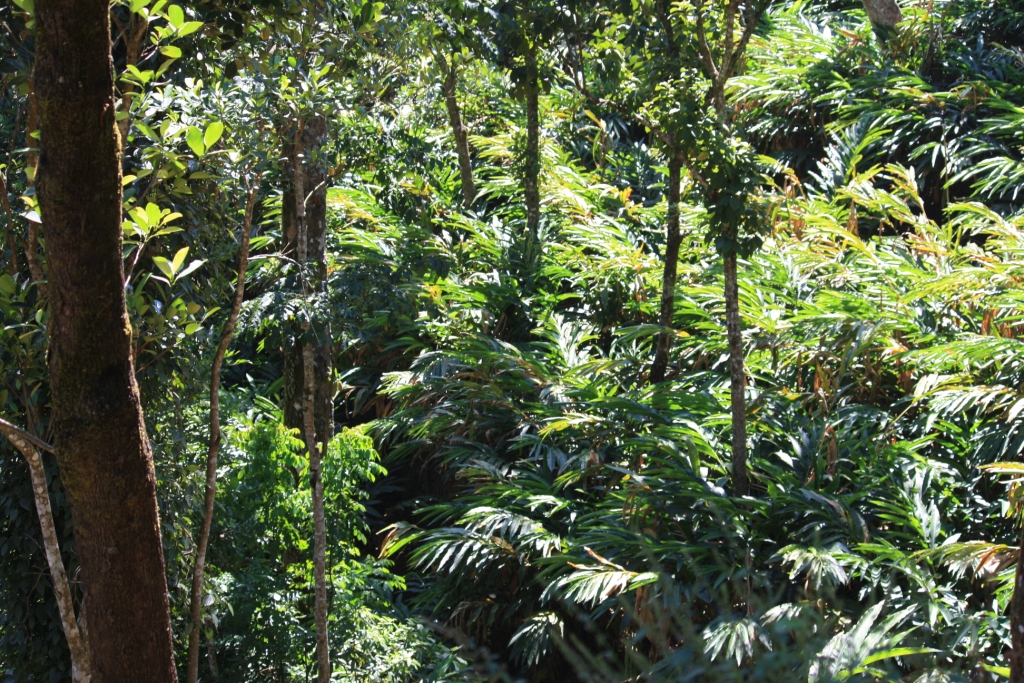
Cardamom is popularly known as the “Queen of Spice” and is one of the important commercial crops found in the high ranges of Kerala.  The best quality cardamom grown in and around the Idukkki District is the species Mysore Cardamom.  Continue reading

Growing up on a plantation

a house in spring valley credit ea marzarte -Raxa collective

A house on a coffee plantation in Spring Valley, Kumily, Kerala

My mother and her ten brothers and sisters were raised on a sugar cane plantation. I always wondered what it was like, growing up in a lush and remote environment. Hiking to the school bus in the early morning and being rocked to sleep by the astounding noise of nightly creatures. Playing hide and seek on a neverending playground. Continue reading

Coffee and biodiversity

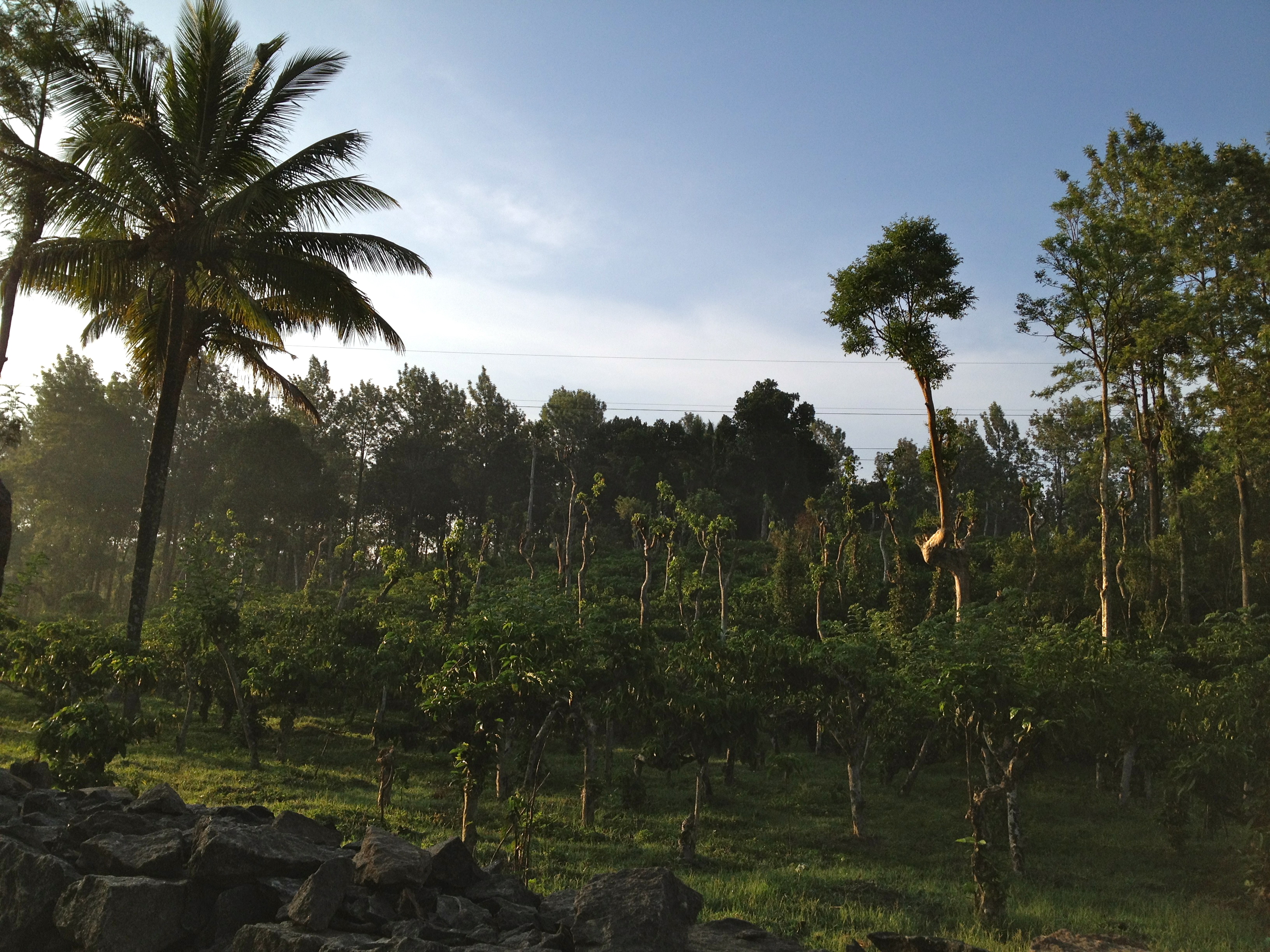
I’ve grown addicted to my colleague Anitha’s cold coffee since I got here (sorry guys but hers is just perfection). Ice cold, 70% arabica/30% robusta, locally grown coffee. India may not be known for its coffee, but in the Western Ghats of Southern India, you’ll find coffee plantations on hills and misty mountains between 800m and 1500m above sea level. One of the challenges here has been to integrate biodiversity conservation and sustainable livelihoods for farmers. Continue reading

Letchmi – Munnar Tea Plantations

Letchmi Tea Estate is situated about 10 km from Munnar town att an altitude of 6000 ft above sea level. The estate is famous for the best quality tea of Kannan Devan Hills. Continue reading

Beauty Of Kerala – Araca Nut Plantations

Photo credits: Ramesh Kidangoor

India is the largest producer of Araca nut and at the same time the largest consumer. The nut, popularly known as supari, is extensively used during religious practices. Kerala produces about 30 percent of  India’s total production. Continue reading

Beauty Of Munnar – Tea Plantations

Munnar is famous for its tea plantations, most of which are privately owned. With its rolling hills, sparkling waterfalls, sprawling tea estates and undulating valleys, Munnar has all the makings of an ideal hill destination.  The ‘discovery’ of Munnar dates back to the 1870’s when British Resident JD Munro recognised the agricultural  potential  of the region and started planting crops such as coffee, cinchona, sisal, tea and cardamom. The pioneer planters found that tea was best suited for the area.  Continue reading

Latex- Rubber Tree (Hevea brasiliensis)

The latex rubber tree is a tropical plant native to South America and South East Asia, which is the primary global source of natural rubber. Kerala has over 110,000 acres of land under rubber cultivation – annual production is about 690,000 tons – over 92% of India’s natural rubber.

Continue reading

Cocoa – The Chocolate Tree

Cocoa (Theobroma cacao) grows on a small evergreen tree that reaches up to 13-26 feet and  is native to the forests of Central and South America.  Being a tropical crop, Cocoa is mainly grown in the western ghats region of Kerala.

Continue reading

Cardamom Plantations

Kerala’s hill districts are a historical hub of trade and culture – George discussed a bit of that history in his previous post. But spice plantations, which are one of the region’s main economic assets, are not very similar to most people’s view of agriculture. Enormous flat fields of rigidly regimented plants are not a common sight here (except for rice paddies), and spice plantations are quite different from this doctrine.  Continue reading